
Washing Day — History & Facts
Is this a mirror — or a memory? The essence of washing day awakens a nostalgic ecstasy, as moments of labor intertwine with the grace of simplicity, transforming mundane tasks into art. Focus on the center of the composition, where a group of women bend over a wooden tub, their gestures fluid and synchronized in a dance of daily routine. Notice how the sunlight spills across the canvas, illuminating their forms and casting gentle shadows that hint at the warmth of community. The palette of soft blues and whites envelops the scene, capturing the vibrancy of life while invoking a sense of calm.
Each stroke brings a texture that resonates with the water's movement, giving the viewer a tactile experience of the splashes and the laughter that fills the air. Yet beneath the serene surface lies a tapestry of deeper meanings. The women’s expressions portray a blend of joy and fatigue, underscoring the duality of labor — the ecstasy of connection amid the weight of responsibility. The backdrop, a rustic environment, speaks to both the simplicity of rural life and the timeless nature of shared experience, where each wash reflects not just cleanliness, but the purity of human relationships.
The scene resonates with the notion that everyday tasks can be laden with profound emotional resonance, transforming the ordinary into the extraordinary. Created during a period of artistic exploration, the painter captured this work at an undisclosed time, likely influenced by the burgeoning interest in realism that characterized late 19th-century Russia. This era was marked by a shift toward depicting everyday life with honesty and depth, as artists sought to bridge the gap between art and real human experience. In this way, the piece stands as a testament to the beauty found in the authenticity of daily rituals.
More Artworks by Ivan Pavlovich Pokhitonov
Browse all →
Dunes au crépuscule
Ivan Pavlovich Pokhitonov

Petite maison à Jupille près Liège
Ivan Pavlovich Pokhitonov
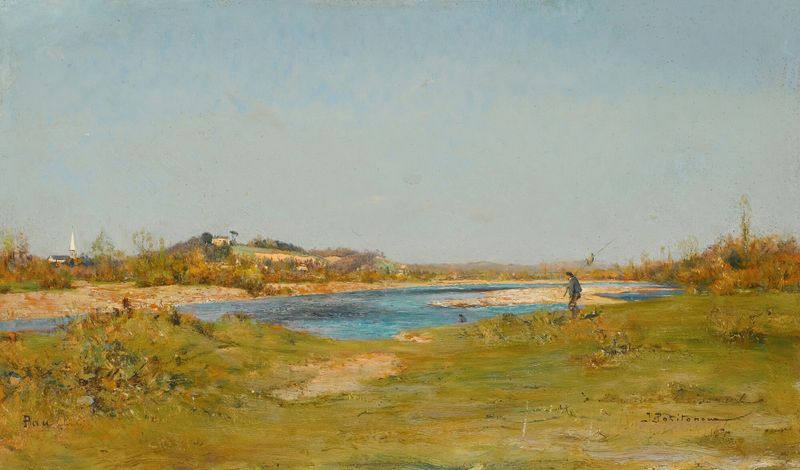
Fishermen Near Pau
Ivan Pavlovich Pokhitonov

Farm At Dusk
Ivan Pavlovich Pokhitonov
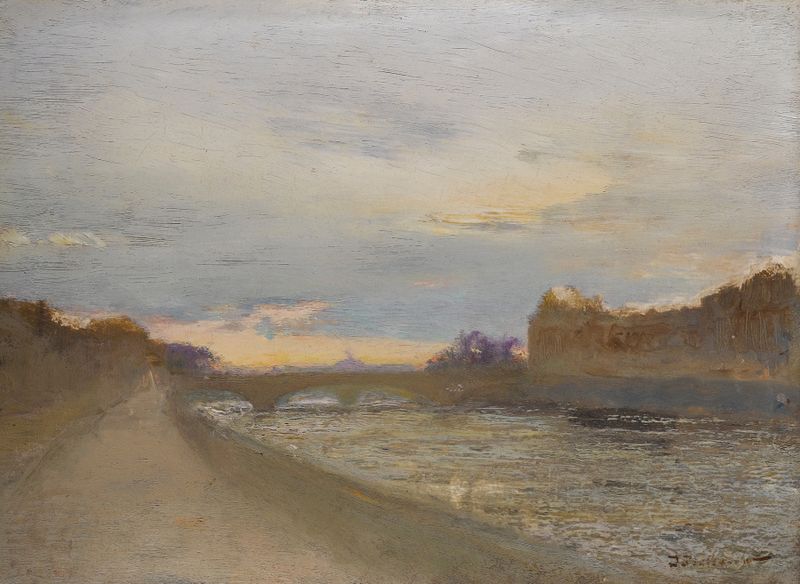
Evening View Of The Seine By The Louvre
Ivan Pavlovich Pokhitonov
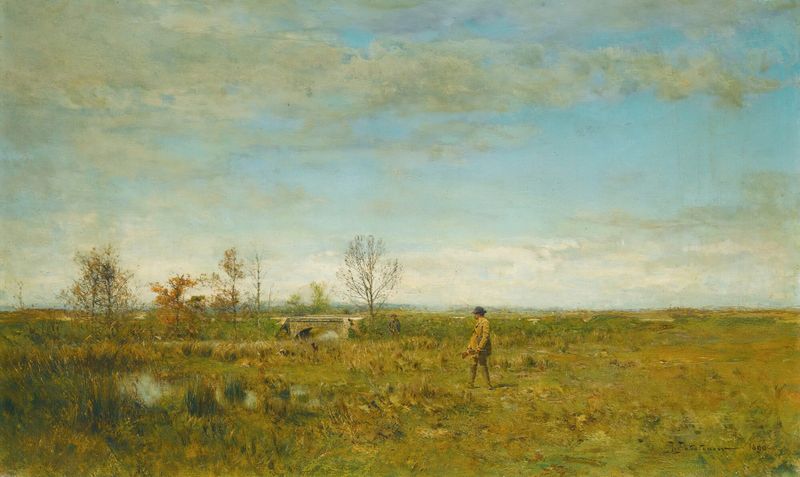
Hunters In Pont Long
Ivan Pavlovich Pokhitonov
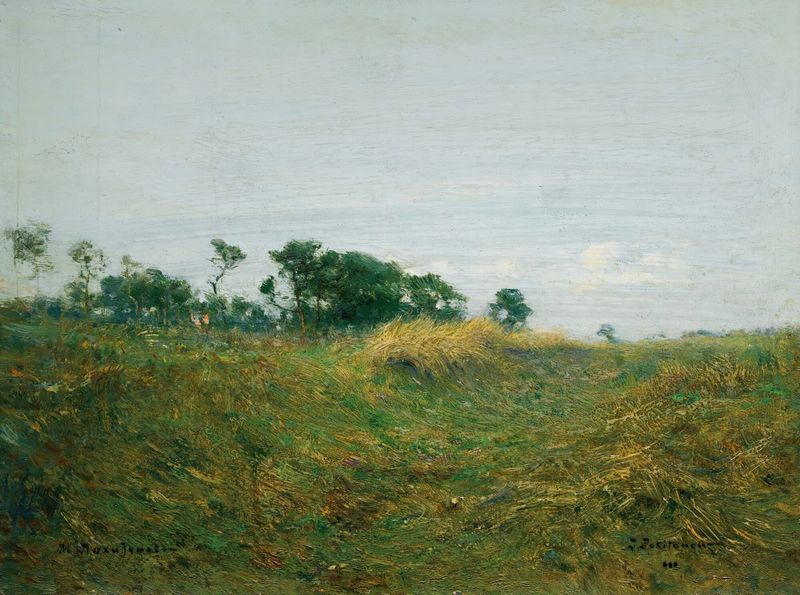
Path Through The Grass
Ivan Pavlovich Pokhitonov
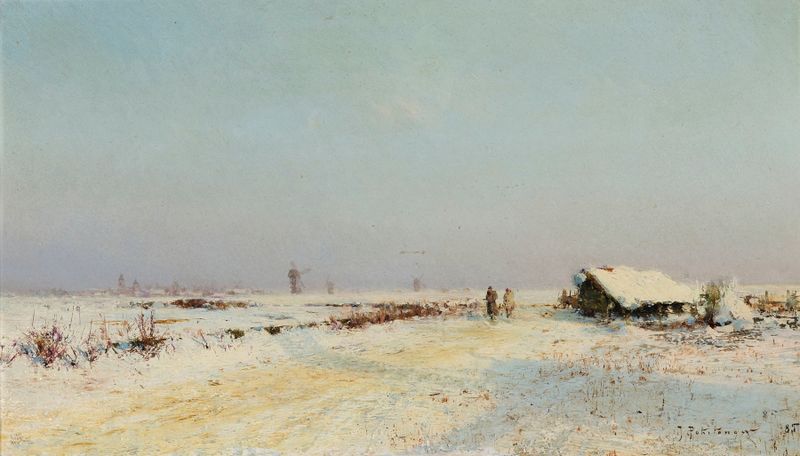
Effet de neige, deux chasseurs dans la neige
Ivan Pavlovich Pokhitonov
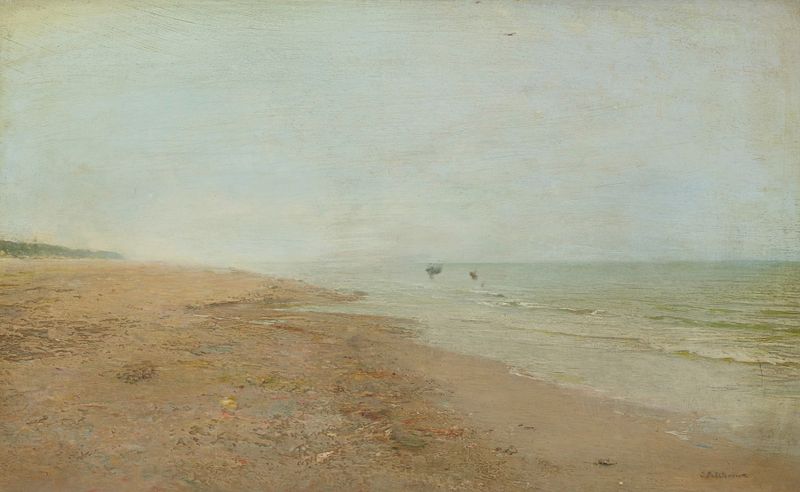
Pêcheurs de crevettes, Grande plage, La Panne
Ivan Pavlovich Pokhitonov

Quai de la Tournelle, Paris
Ivan Pavlovich Pokhitonov





