
Petite maison à Jupille près Liège — History & Facts
When did color learn to lie? In the delicate strokes of Petite maison à Jupille près Liège, a subtle dread lurks beneath the charming exterior of a quaint house, inviting viewers to discern its deeper truths. Focus on the soft hues that envelop the scene, drawing your gaze towards the inviting facade of the house. Notice the warm yellows and muted browns that paint a picture of comfort, yet seem to cast shadows of disquiet. The interplay between light and shadow here speaks volumes; the sunlight bathes the scene in an illusion of warmth, while the elongated shadows hint at a chilling undercurrent that disrupts the idyllic portrayal. Delve into the details—the overgrown foliage that borders the path, the slightly crooked chimney, or the unsettling silence that envelops the space.
Each element carries a weight of unease, suggesting that what appears peaceful is ripe with tension. The house stands as a silent witness to hidden fears, evoking both nostalgia and the anxiety of abandonment, creating a duality that resonates in the viewer's heart. At the time Petite maison à Jupille près Liège was created, Ivan Pavlovich Pokhitonov was navigating the shifting tides of the late 19th century, where realism began to intermingle with emotional depth in the art world. Living and working in France, he pursued a style that blended impressionistic techniques with a keen sense of storytelling, reflecting both personal introspection and a broader societal narrative.
The painting encapsulates this transitional moment, where beauty and fear coexist uncomfortably.
More Artworks by Ivan Pavlovich Pokhitonov
Browse all →
Dunes au crépuscule
Ivan Pavlovich Pokhitonov
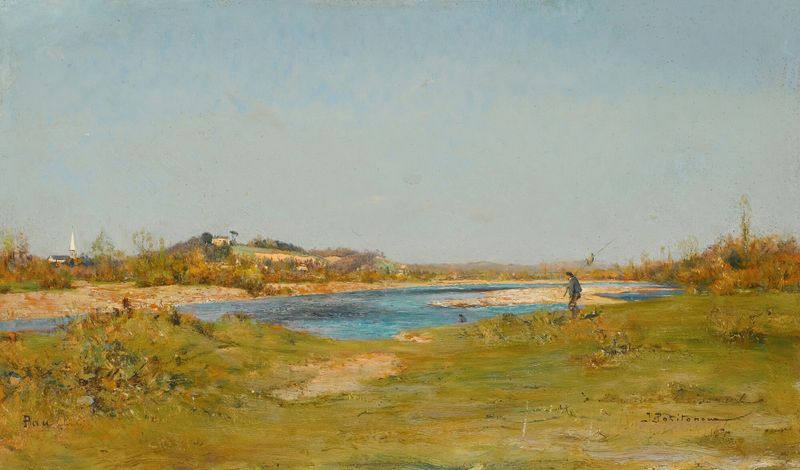
Fishermen Near Pau
Ivan Pavlovich Pokhitonov

Farm At Dusk
Ivan Pavlovich Pokhitonov
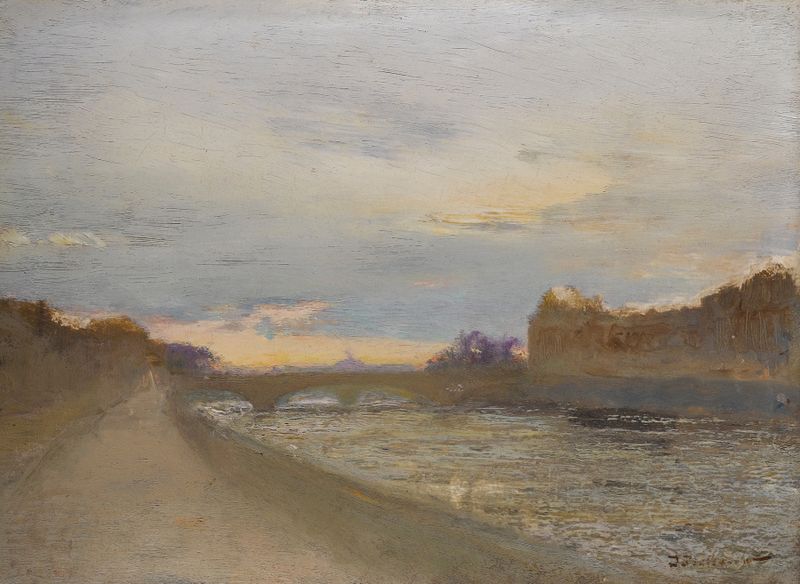
Evening View Of The Seine By The Louvre
Ivan Pavlovich Pokhitonov
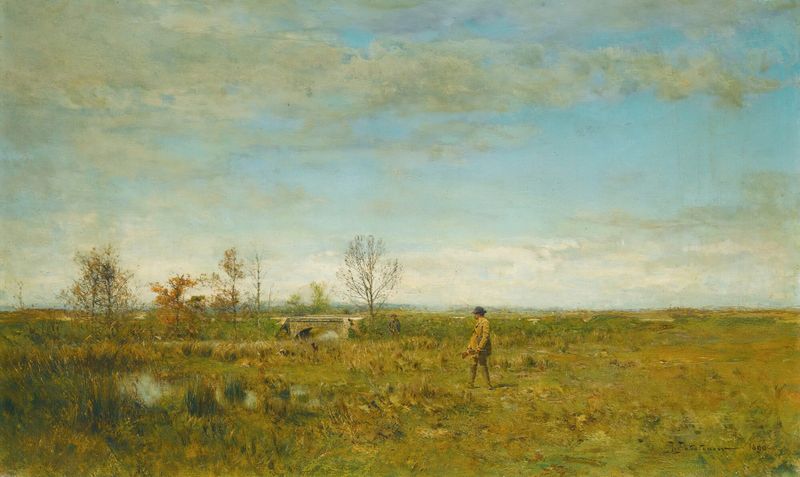
Hunters In Pont Long
Ivan Pavlovich Pokhitonov

Washing Day
Ivan Pavlovich Pokhitonov
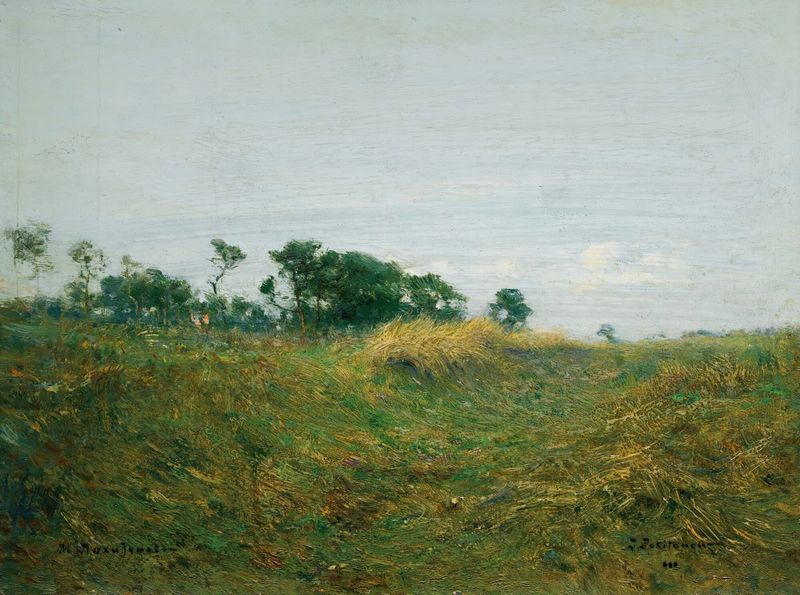
Path Through The Grass
Ivan Pavlovich Pokhitonov
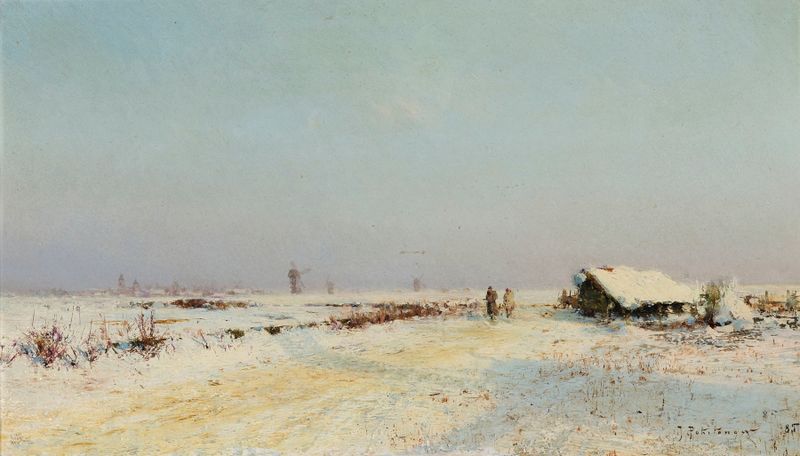
Effet de neige, deux chasseurs dans la neige
Ivan Pavlovich Pokhitonov
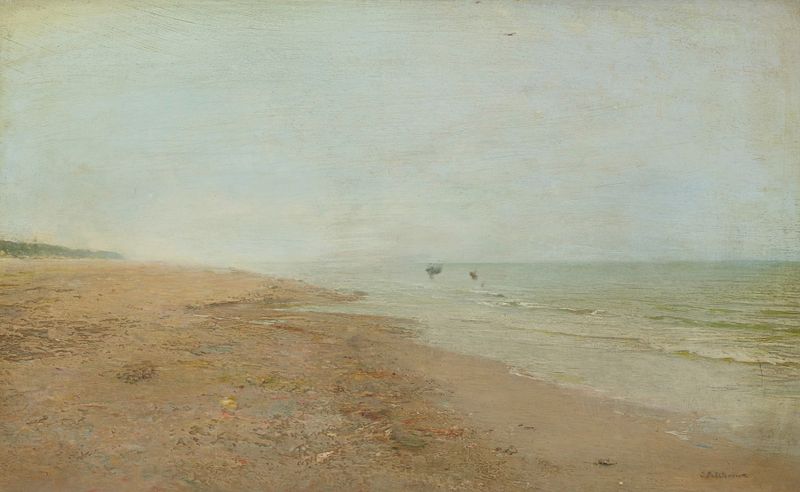
Pêcheurs de crevettes, Grande plage, La Panne
Ivan Pavlovich Pokhitonov

Quai de la Tournelle, Paris
Ivan Pavlovich Pokhitonov





