
Dunfermline Abbey — History & Facts
In the embrace of nature, beneath the shadows of the past, violence often lurks in unexpected forms, waiting to be unearthed. Focus on the gentle interplay of light and shadow across the crumbling stones in the foreground. Notice how the lush greenery frames the ancient architecture, inviting you deeper into the scene. The soft hues of green and brown contrast with the stark, gray remnants of the abbey, creating a haunting atmosphere that evokes both beauty and decay.
Each brushstroke whispers secrets of history, while the tranquil water reflects a world suspended in time, hinting at the turbulence that once surrounded this place. The juxtaposition of nature's serenity against the ruins suggests a tension between peace and turmoil. The verdant foliage thrives, yet the dilapidated edifice stands as a silent testament to a violent past, perhaps hinting at the struggles of faith, power, and the unyielding passage of time. The stillness of the abbey may evoke contemplation, but it is underscored by an unsettling reminder of the human conflict that shaped its existence. Myles Birket Foster created this piece during a period marked by an evolving artistic landscape in the late 19th century.
His works often captured the romantic idealization of nature and history, responding to the growing interest in the English countryside. While the precise date of this painting remains unknown, it reflects an era when the Pre-Raphaelite Brotherhood and the Aesthetic Movement were flourishing, influencing how artists depicted the relationship between humanity, history, and the natural world.
More Artworks by Myles Birket Foster
Browse all →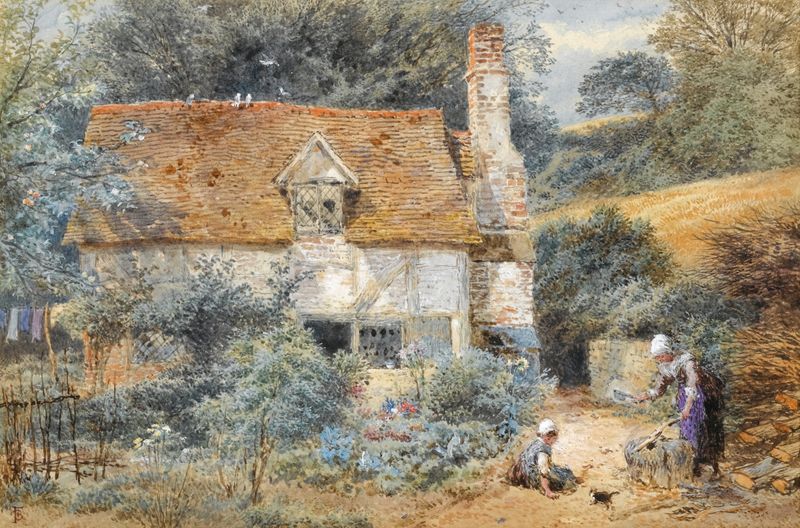
The Cottage
Myles Birket Foster
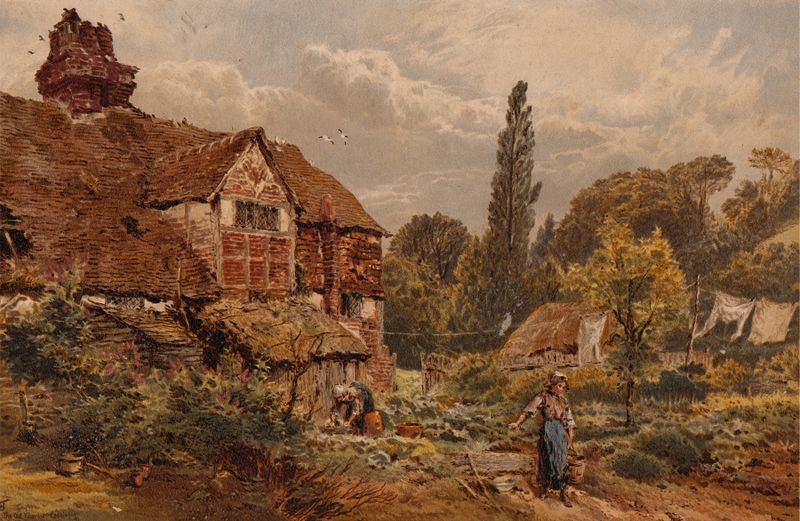
The Old Vicarage
Myles Birket Foster
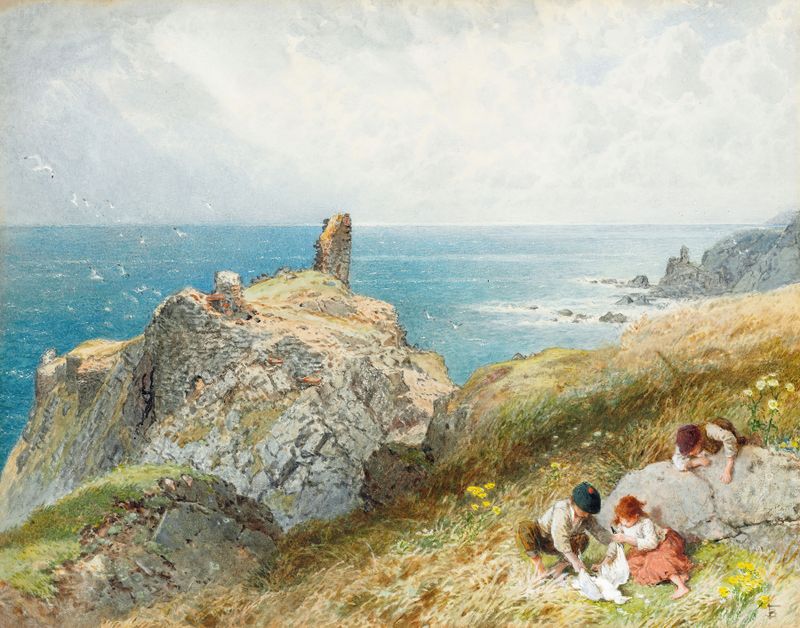
Fast Castle, Berwickshire, Scotland
Myles Birket Foster
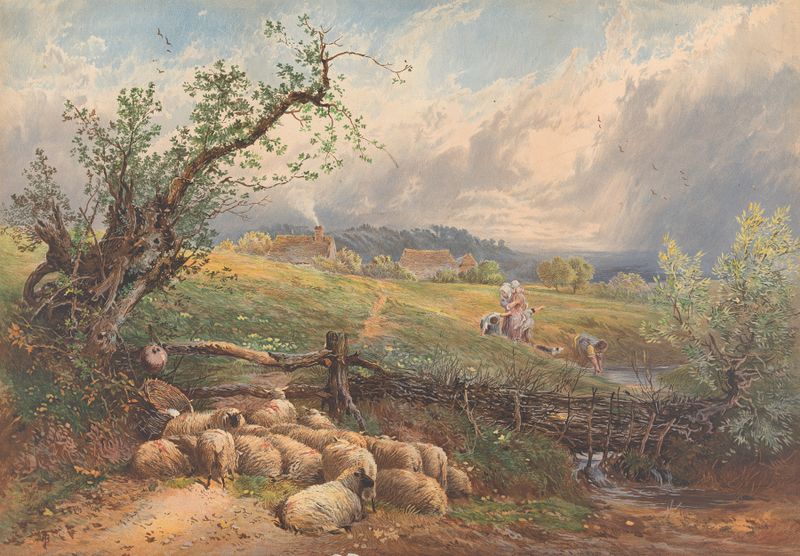
Children at the Spring
Myles Birket Foster
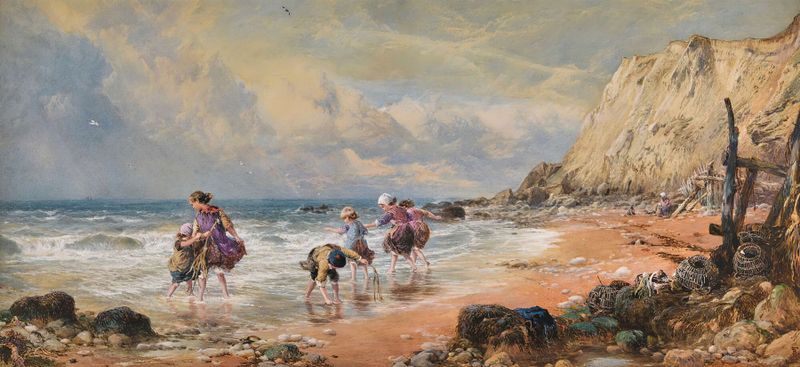
On The Shore, Bonchurch
Myles Birket Foster
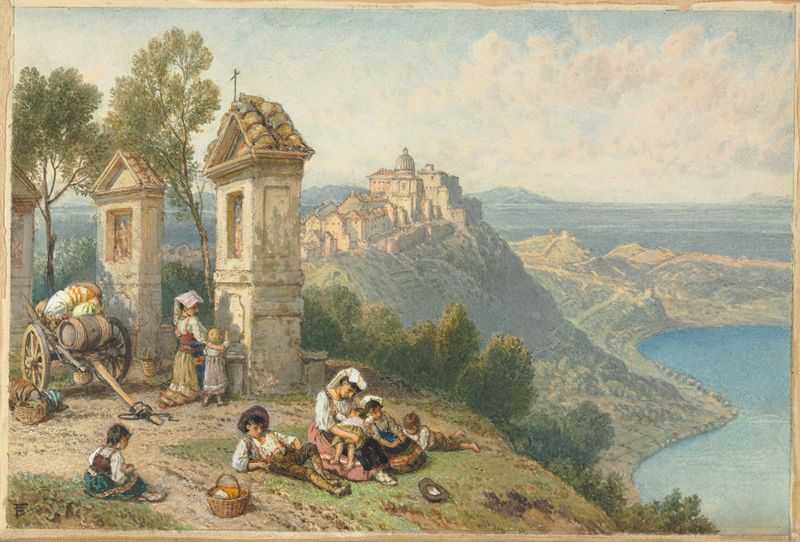
View of Castel Gandolfo
Myles Birket Foster

Children in a Cart
Myles Birket Foster
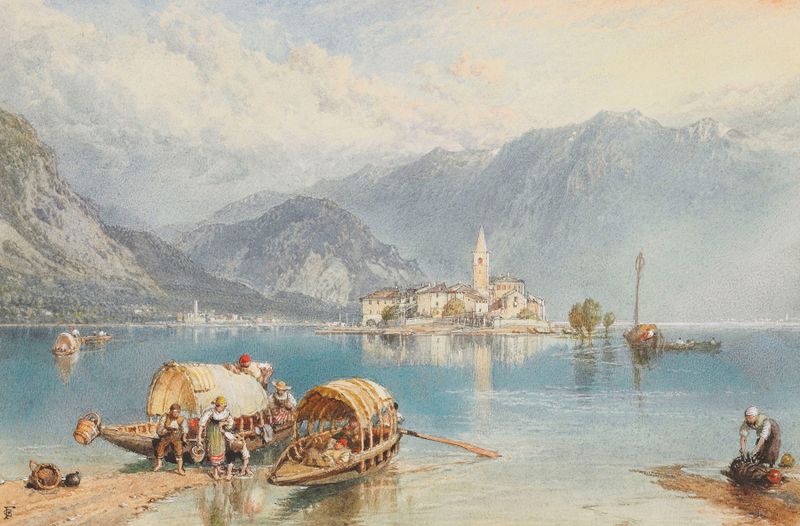
View of Isola Bella, Lake Maggiore, Italy
Myles Birket Foster

Loch Awe At Sunset
Myles Birket Foster

The Road To Market
Myles Birket Foster
More Architecture Art
Browse all →
The statue of Liberty
Frédéric Auguste Bartholdi

View of Houses in Delft, Known as ‘The Little Street’
Johannes Vermeer

View of Houses in Delft, Known as ‘The Little Street’
Johannes Vermeer

The Cathedral in Rouen. The portal, Grey Weather
Claude Monet

The yellow house
Vincent van Gogh

The Church in Auvers-sur-Oise, View from the Chevet
Vincent van Gogh