
Durham Cathedral — History & Facts
In the stillness of the moment, innocence is captured within the intricate embrace of stone and sky. Look to the left at the towering arches of the cathedral, each meticulously detailed, almost inviting you to run your fingers along their cool surfaces. Notice how the sunlight bathes the façade, casting soft shadows that dance gently across the grass below. The palette of muted grays and warm browns evokes a sense of timelessness and tranquility, allowing the viewer to breathe in the serene atmosphere. The juxtaposition of strength and fragility lies at the heart of this work.
The cathedral, a monumental symbol of faith, stands resilient against the backdrop of a smoothly fading sky, hinting at the passage of time and the quiet strength of human endeavor. Yet, amidst this grandeur, the delicate brushstrokes of the trees in the foreground whisper of nature's innocence, reminding us of the coexistence of the man-made and the organic. In 1846, while residing in England, the artist dedicated his attention to capturing the essence of monumental architecture. During this period, the Romantic movement was gaining momentum, influencing artists to explore emotion and the sublime beauty of nature.
Fripp’s focus on Durham Cathedral reflects not just personal fascination but also the broader artistic endeavor to depict the relationship between humanity, spirituality, and the natural world.
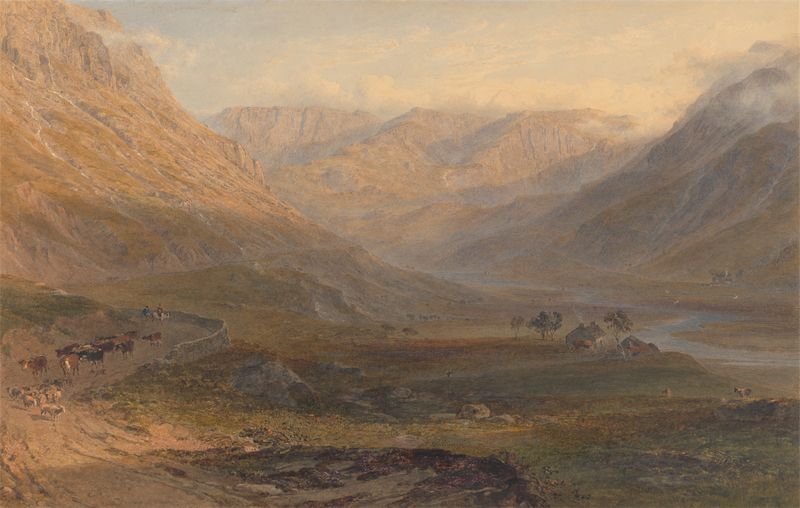
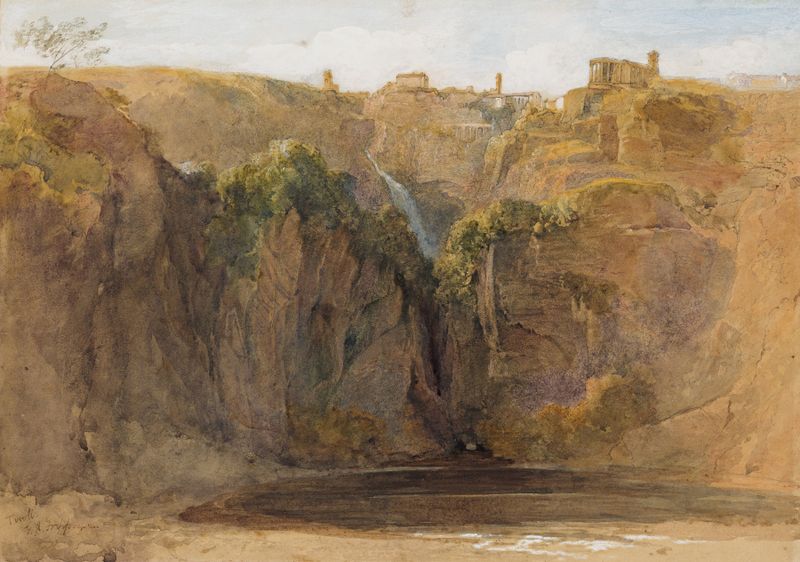
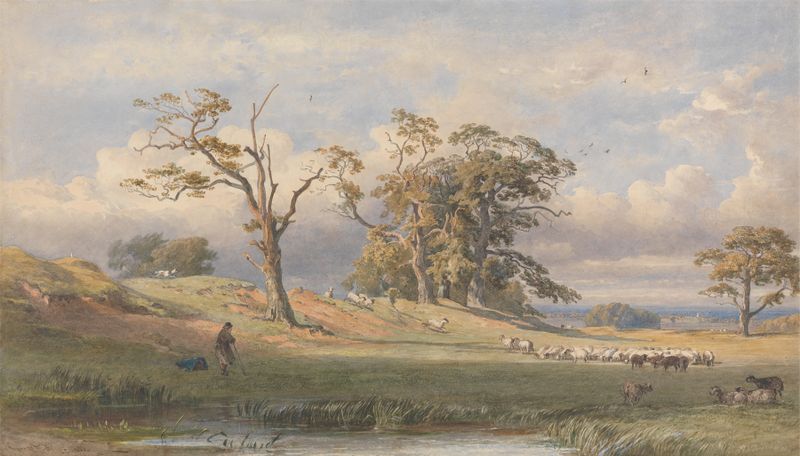
More Artworks by George Arthur Fripp
Browse all →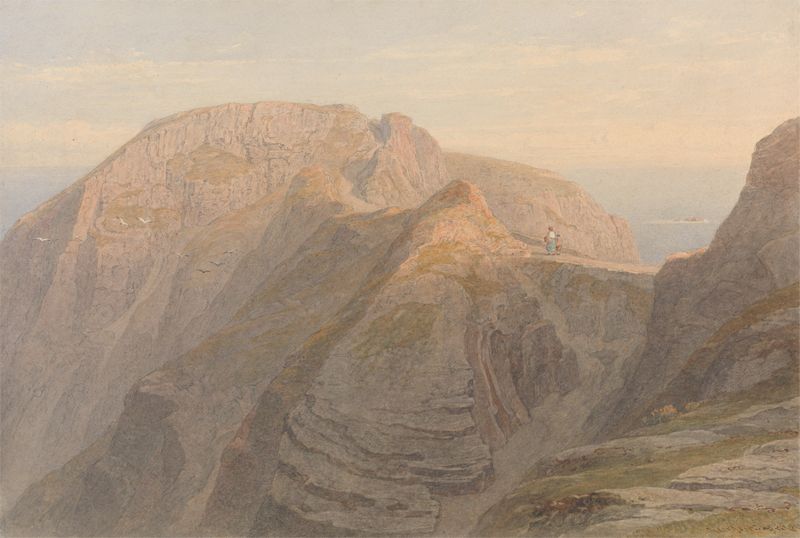
More Architecture Art
Browse all →
The statue of Liberty
Frédéric Auguste Bartholdi

View of Houses in Delft, Known as ‘The Little Street’
Johannes Vermeer

View of Houses in Delft, Known as ‘The Little Street’
Johannes Vermeer

The Cathedral in Rouen. The portal, Grey Weather
Claude Monet

The yellow house
Vincent van Gogh

The Church in Auvers-sur-Oise, View from the Chevet
Vincent van Gogh