View of Tivoli — History & Facts
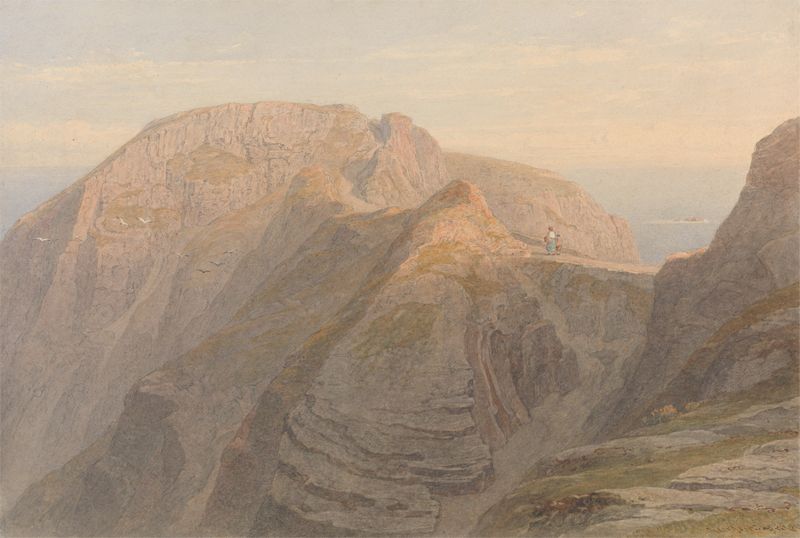
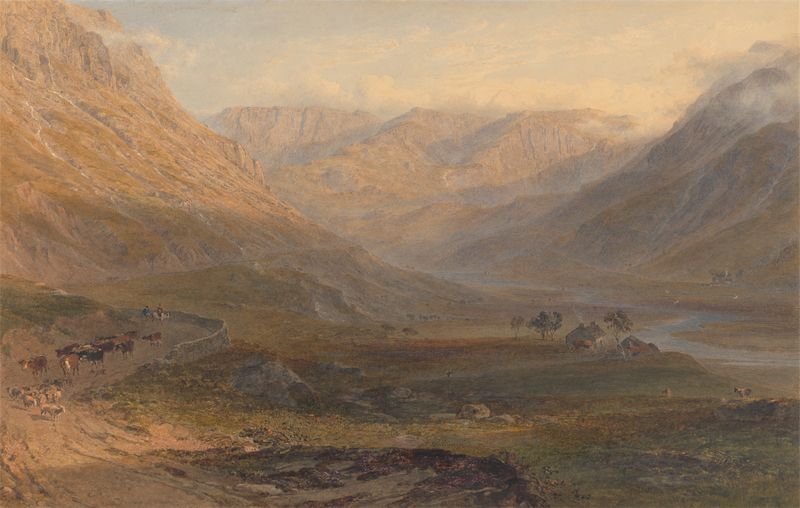
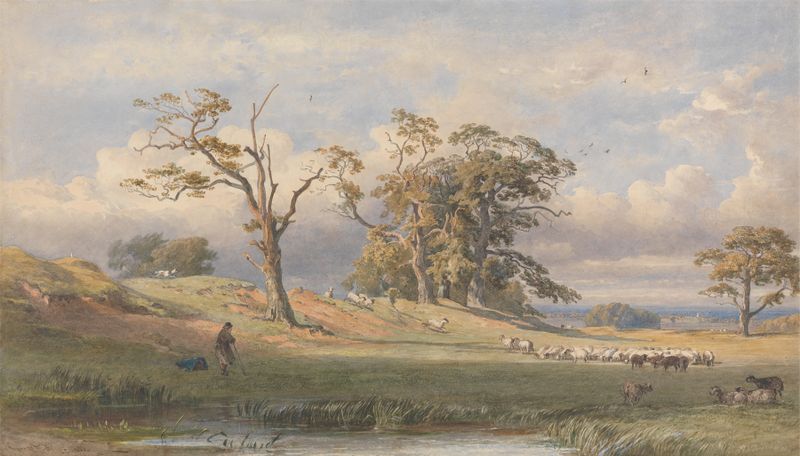
In a world where moments slip away like sand through fingers, light becomes a vessel for memory, illuminating both beauty and transience. Look to the horizon, where gentle rays of sunlight cascade over the cascading hills of Tivoli, casting long shadows that dance on the verdant landscape. The soft, pastel palette draws the eye to the flowing water of the ancient aqueduct, as it glimmers under the sun, while wisps of fluffy clouds float lazily above. Notice how the interplay of light and shadow creates depth, inviting the viewer into a serene yet vibrant world, perfectly balanced between nature's serenity and the echoes of its storied past. Beneath the surface, this work reveals contrasts of permanence and impermanence.
The crumbling architecture of the aqueduct symbolizes human achievement, juxtaposed against the ever-changing landscape around it. As light catches on the water, it mirrors fleeting moments, suggesting that beauty is often transient, yet preserved forever within the artist’s gaze. The serenity evokes both a sense of nostalgia and an awareness of time's relentless march forward. In 1842, George Arthur Fripp captured View of Tivoli during a period of exploration and burgeoning Romanticism in art.
While living in England, he was influenced by the works of his contemporaries, seeking to evoke emotion through the natural world. As artists began to turn their attention to scenic landscapes, Fripp’s depiction stands as a testament to the allure of the Italian countryside, inviting viewers to bask in its light and history.