Old British Camp in Bulstrode Park — History & Facts
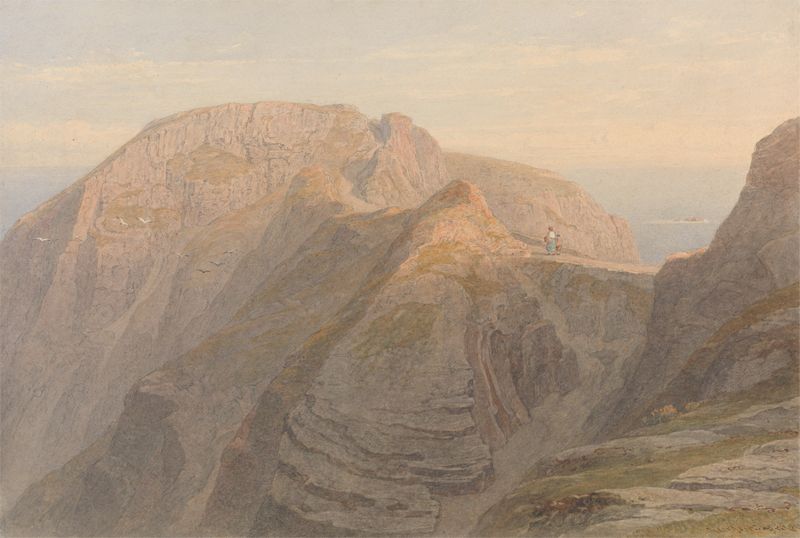
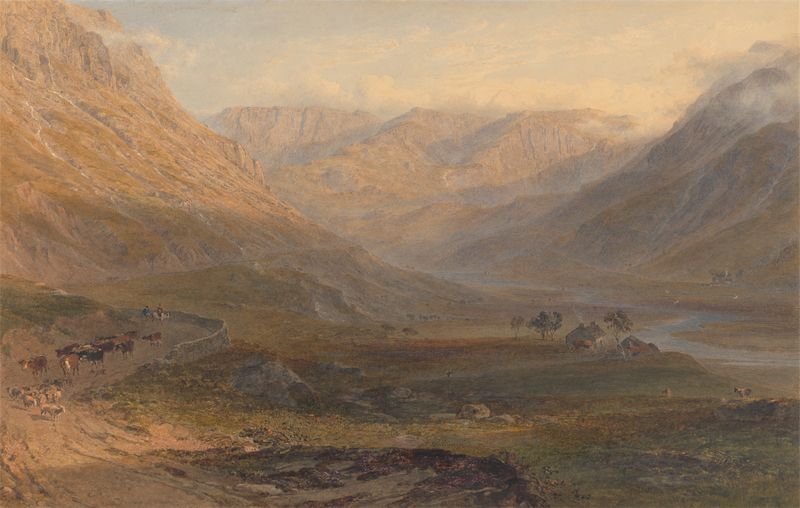
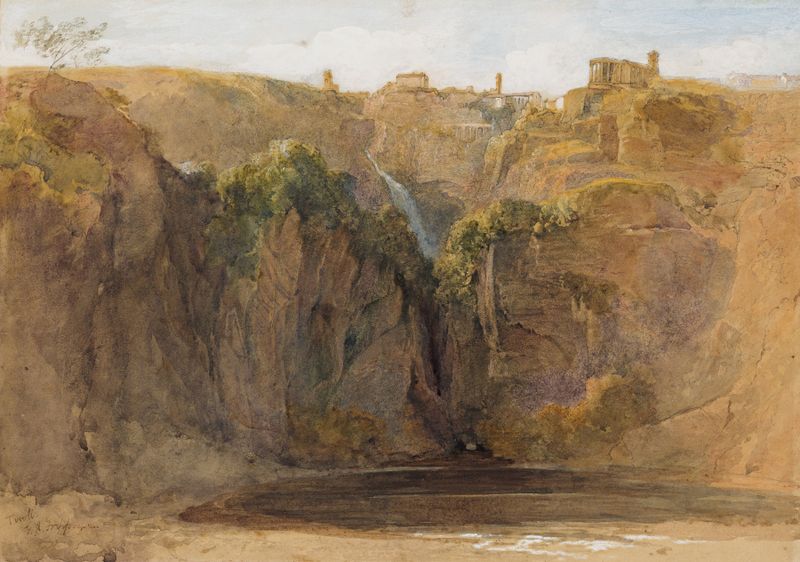
Could a single brushstroke hold eternity? In Old British Camp in Bulstrode Park, a quiet revival emerges from the canvas, embracing the concept of rebirth through nature’s gentle touch. The vibrant greens and rich browns weave together an invitation to explore a moment suspended in time. Look to the foreground where the encampment rests, its rustic tents blending seamlessly with the lush landscape. Notice how the light filters through the canopy, casting dappled shadows that dance on the ground.
The subtle blending of colors—the soft hues of the grass and the earthy tones of the tents—creates a sense of harmony, evoking a peaceful coexistence between the man-made and the natural. The composition draws you in, leading the eye towards the distant horizon, where a soft blue sky suggests the promise of a new day. Upon closer inspection, the painting reveals emotional dichotomies. The camps represent human endeavor nestled in the embrace of nature, suggesting a fleeting moment of civilization amidst the cycle of life.
The stillness of the scene is juxtaposed with an underlying energy—a sense of anticipation as if the viewer stands on the cusp of transformation. Each element, from the weathered tents to the vibrant foliage, reflects a delicate balance between permanence and transience, a reminder of nature’s enduring power to renew and regenerate. In 1860, George Arthur Fripp painted this piece in England, where the Romantic movement was flourishing, emphasizing the beauty of the natural world. At this time, the artist was establishing his reputation, drawing inspiration from the picturesque landscapes of his surroundings.
The mid-19th century was marked by a growing appreciation for nature, and Fripp’s work encapsulated the era’s longing for connection with the pastoral and the sublime.