
E. Kirchner – Lausanne — History & Facts
Did the painter know this moment would outlive them? In a world echoing with silence, Lausanne captures the essence of emptiness, inviting us to ponder the transient nature of existence. Focus on the center of the canvas, where a solitary figure stands at the edge of a broad, tranquil expanse. The soft blues and muted greens evoke a serene yet melancholic atmosphere, while a delicate use of light highlights the figure’s contemplative posture. Notice how the horizon seems to stretch infinitely, blurring the line between earth and sky, leading your gaze towards the vastness that encloses the scene.
The gentle brushstrokes create a dreamlike quality, as if time itself has paused to allow reflection. Within this serene panorama lies an emotional tension. The solitary figure, dwarfed by the expansive landscape, suggests a profound sense of isolation amidst beauty. The contrast between the vibrant colors of nature and the muted tones of the figure speaks to the internal struggle of being alive in a vast world.
It evokes a dialogue between presence and absence, leaving the viewer to question what it means to truly connect with one’s surroundings. Theodor Gsell Fels created Lausanne in 1881 while living in a rapidly changing Europe, where artistic explorations were deepening in complexity. At the time, the Symbolist movement was gaining momentum, challenging artists to depict emotional and psychological states rather than mere reality. This work reflects Fels’ commitment to capturing the deeper, often elusive truths of human experience, which resonates with the broader shifts occurring in the art world.
More Artworks by Theodor Gsell Fels
Browse all →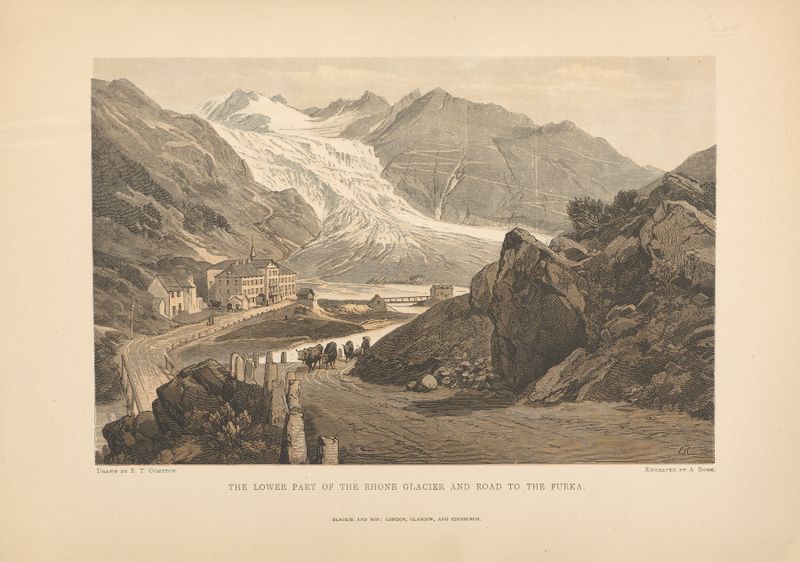
E. T. Compton – The Lower Part of the Rhone Glacier and Road to Furka
Theodor Gsell Fels

G. Closs – The Devil’s Bridge—St. Gothard Road, Schóllenen Gorge
Theodor Gsell Fels
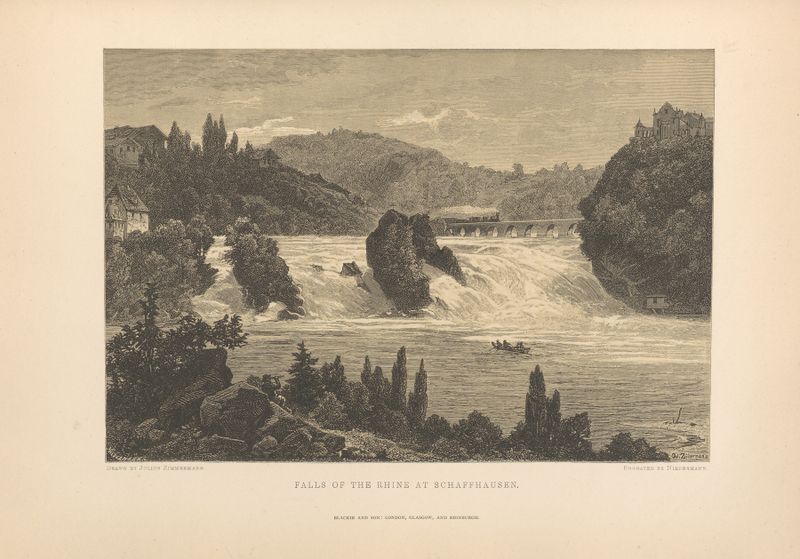
Julius Zimmermann – Falls of the Rhine at Schaffhausen
Theodor Gsell Fels
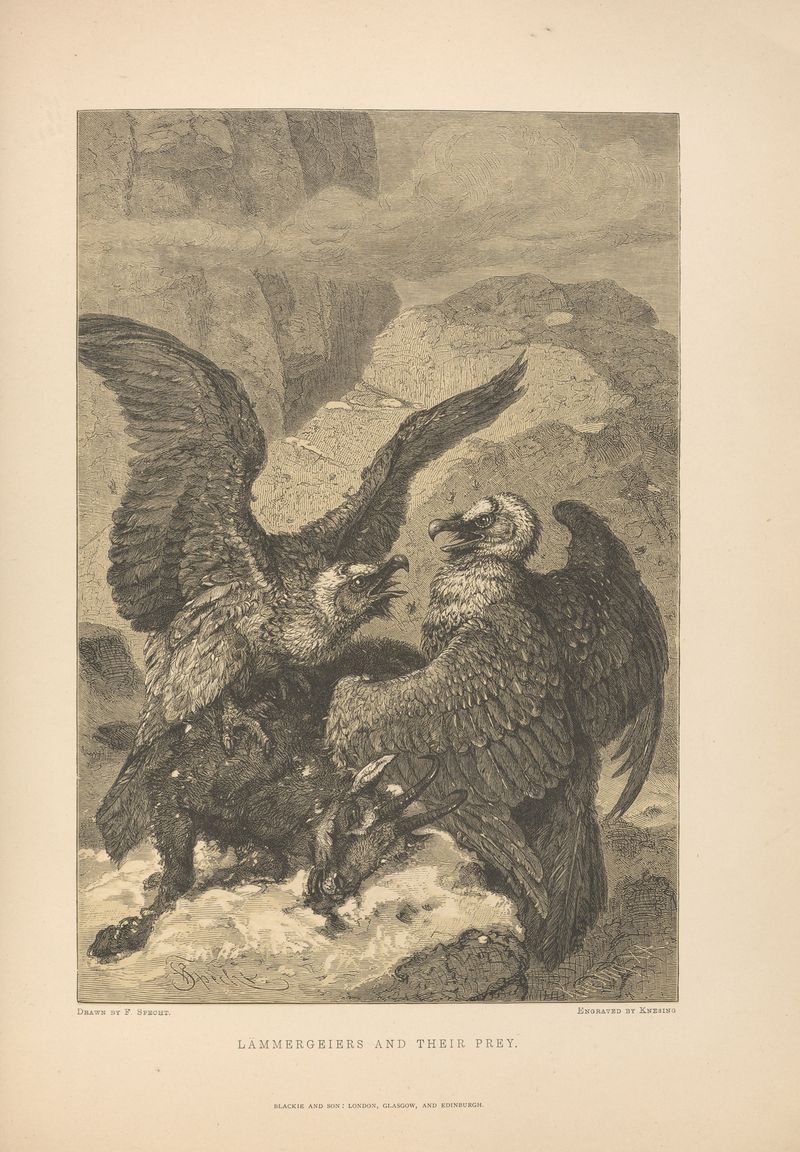
F. Specht – Lammergeiers and their Prey
Theodor Gsell Fels
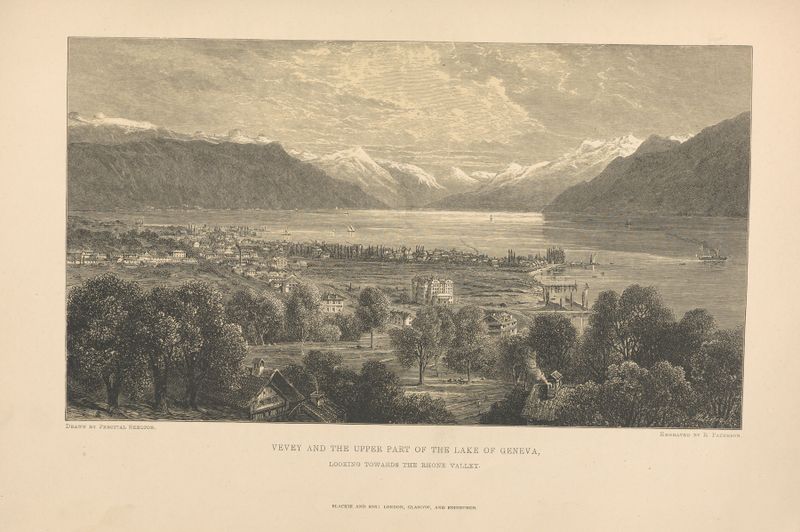
Percival Skelton – Vevay, and the Upper Part of the Lake of Geneva
Theodor Gsell Fels

E. T. Compton – The Jungfrau, and Opening of the Lauterbrunnen Valley
Theodor Gsell Fels

P. Weber – Departure of Steamer from Lucerne
Theodor Gsell Fels
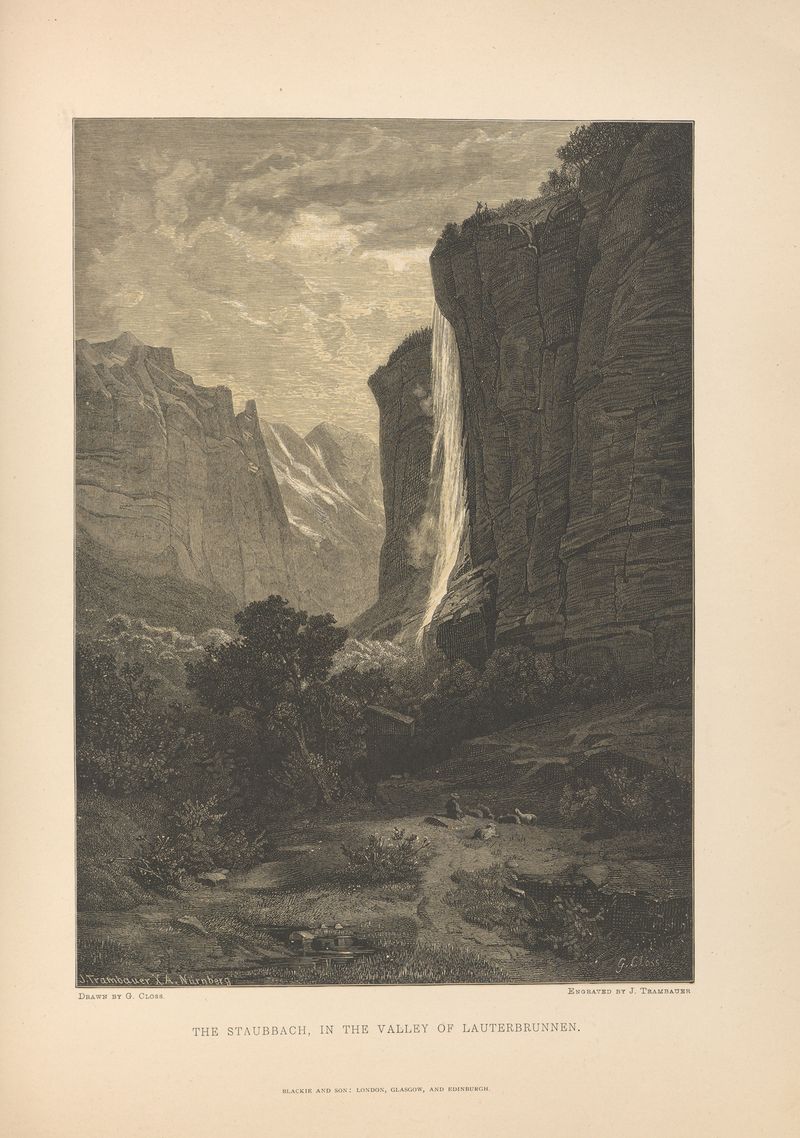
G. Closs – The Staubbach, in the Valley of Lauterbrunnen
Theodor Gsell Fels
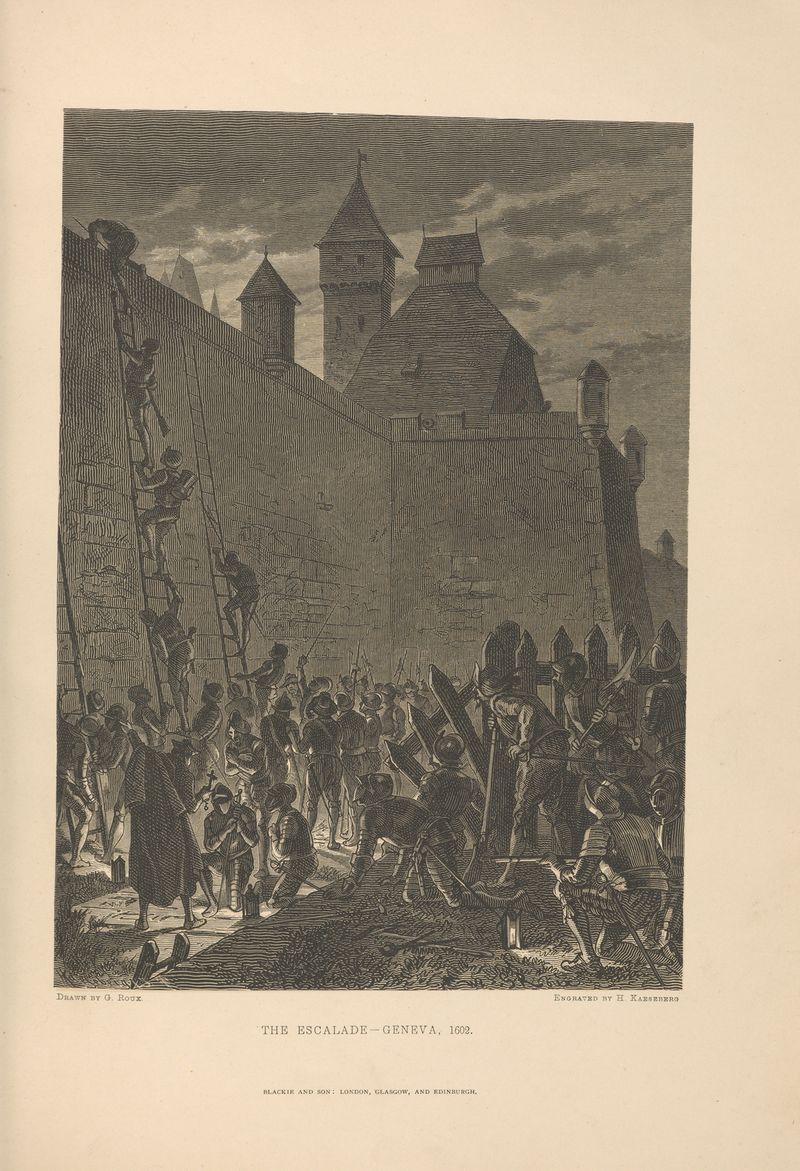
G. Roux – The Escalade, Geneva
Theodor Gsell Fels
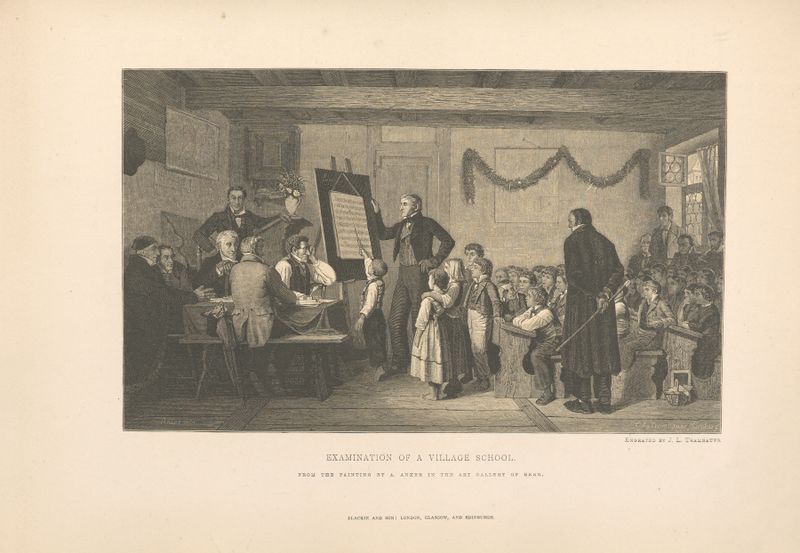
A. Anker – Examination of a Village School
Theodor Gsell Fels





