
E. T. Compton – Locarno, on the Lago Maggiore — History & Facts
When did color learn to lie? The vibrant hues that dance across the canvas beg this question, revealing a world where nature’s beauty melds with the artist’s imagination, evoking both wonder and introspection. Focus on the rich blues and greens that dominate the landscape, as they cradle the shimmering surface of Lago Maggiore. The tranquil water reflects the glowing sky, creating a dialogue between heaven and earth. Notice how the sunlight plays delicately on the distant mountains, casting shadows that add depth to the scene.
Every stroke is deliberate, blending reality with a dreamlike quality that invites you to step closer, breathe in the atmosphere, and lose yourself in the details. Yet, beneath this tranquil beauty lies an emotional tension. The warm embrace of sunlight contrasts sharply with the cool shadows, suggesting a fleeting moment suspended in time. The seemingly peaceful scene can evoke a sense of longing, as if the viewer is witnessing a cherished memory that is both idyllic and ephemeral.
The subtle brushwork in the foreground hints at the presence of life, yet it remains serene, leaving an echo of solitude that resonates throughout the landscape. In 1881, Theodor Gsell Fels created this work while living in Switzerland, captivated by the enchanting views surrounding Lago Maggiore. At this time, the Impressionist movement was redefining perceptions of color and light, challenging traditional artistic conventions. The artist was part of this evolving discourse, exploring the tensions between representation and abstraction as he sought to capture the sublime essence of nature in his own unique style.
More Artworks by Theodor Gsell Fels
Browse all →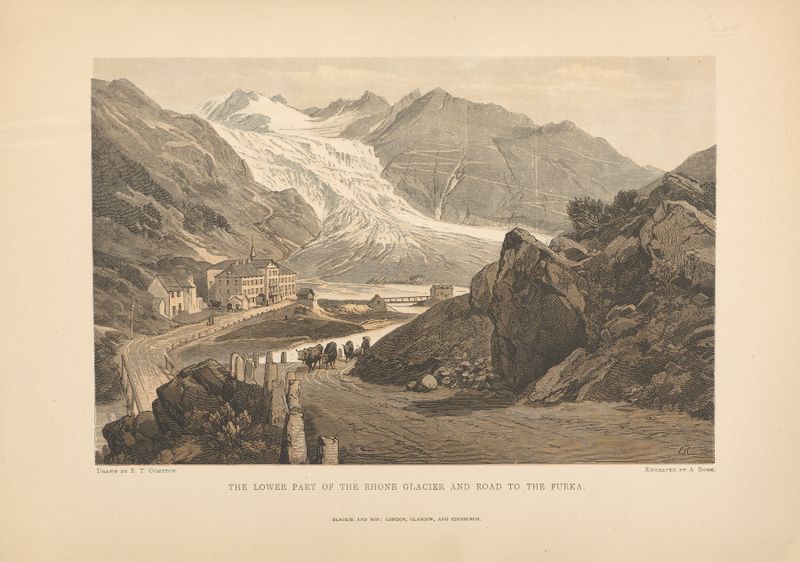
E. T. Compton – The Lower Part of the Rhone Glacier and Road to Furka
Theodor Gsell Fels

G. Closs – The Devil’s Bridge—St. Gothard Road, Schóllenen Gorge
Theodor Gsell Fels
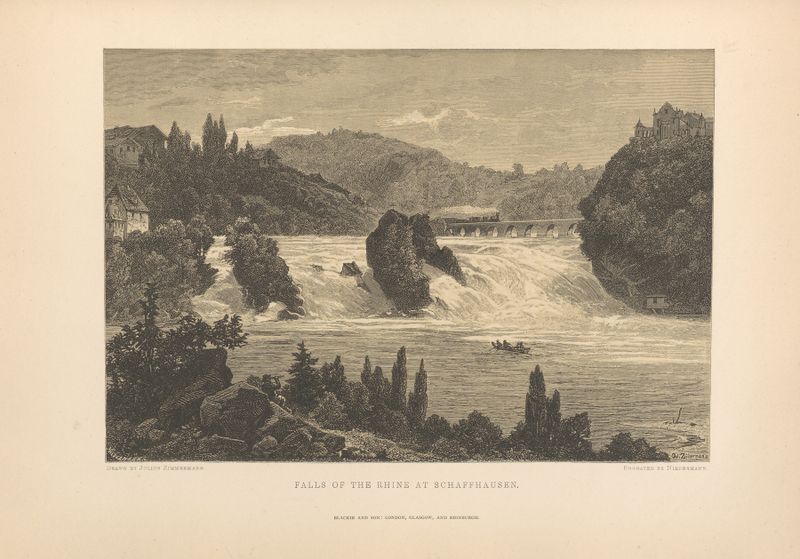
Julius Zimmermann – Falls of the Rhine at Schaffhausen
Theodor Gsell Fels
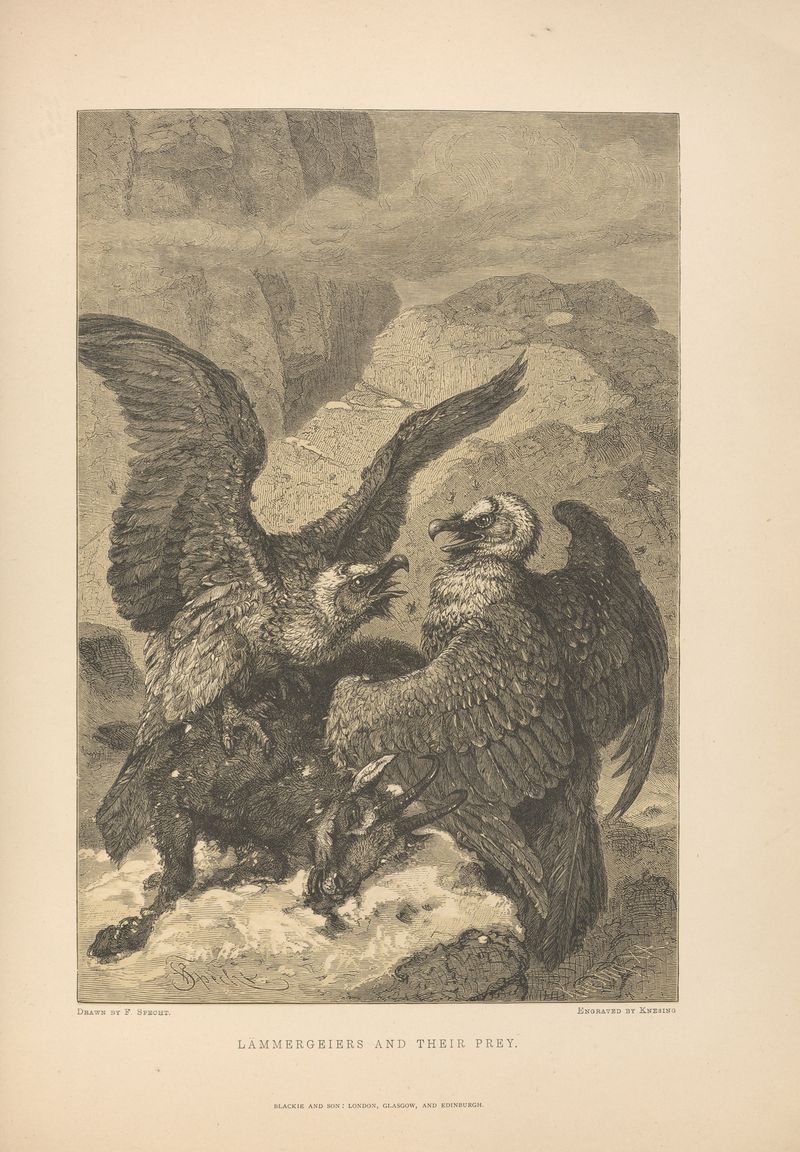
F. Specht – Lammergeiers and their Prey
Theodor Gsell Fels
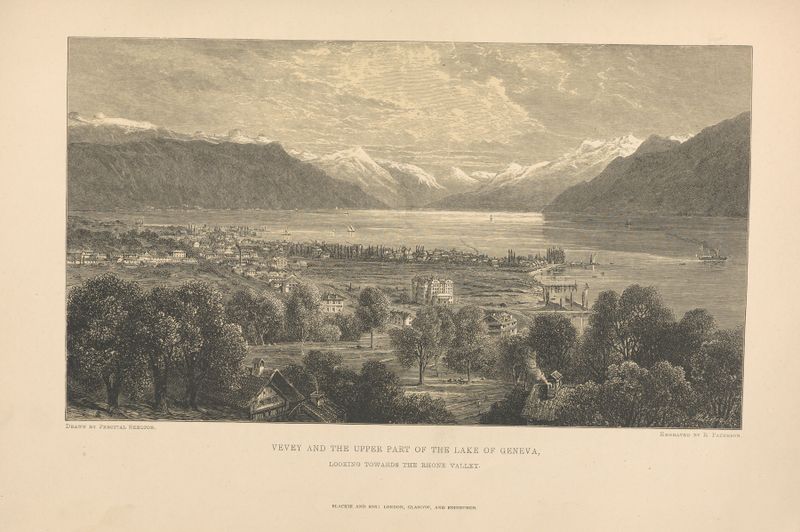
Percival Skelton – Vevay, and the Upper Part of the Lake of Geneva
Theodor Gsell Fels

E. T. Compton – The Jungfrau, and Opening of the Lauterbrunnen Valley
Theodor Gsell Fels

P. Weber – Departure of Steamer from Lucerne
Theodor Gsell Fels
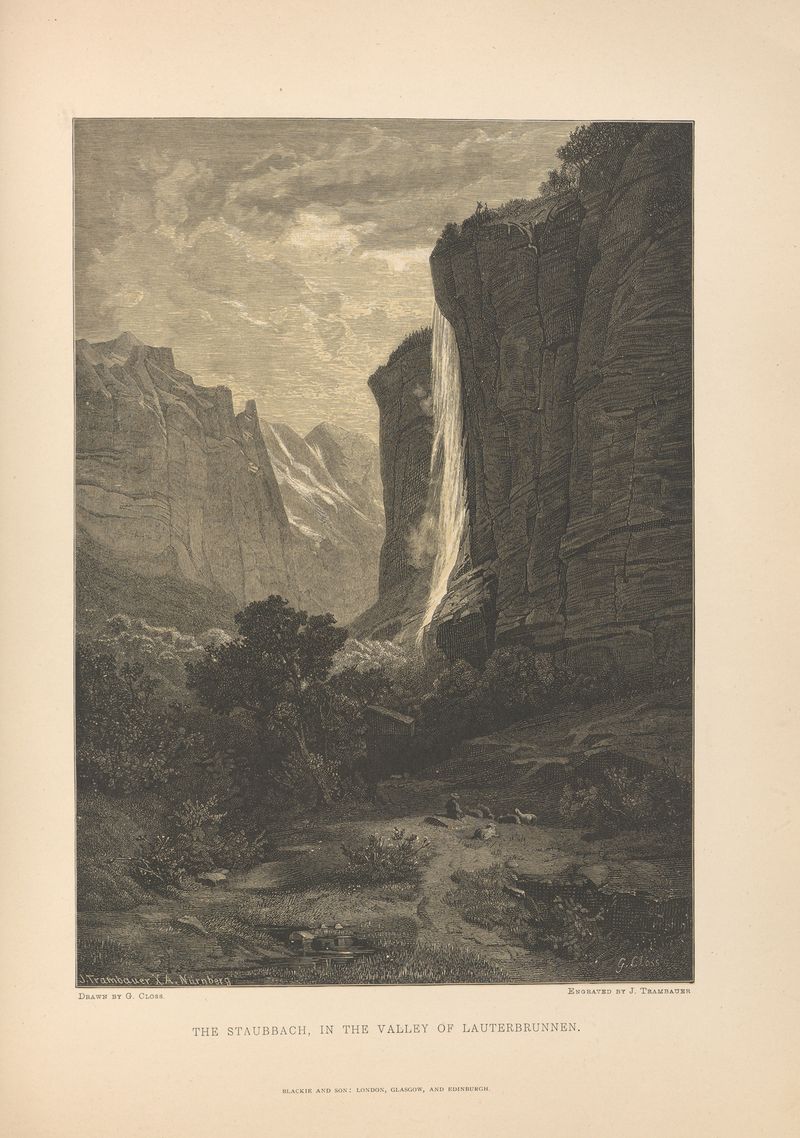
G. Closs – The Staubbach, in the Valley of Lauterbrunnen
Theodor Gsell Fels
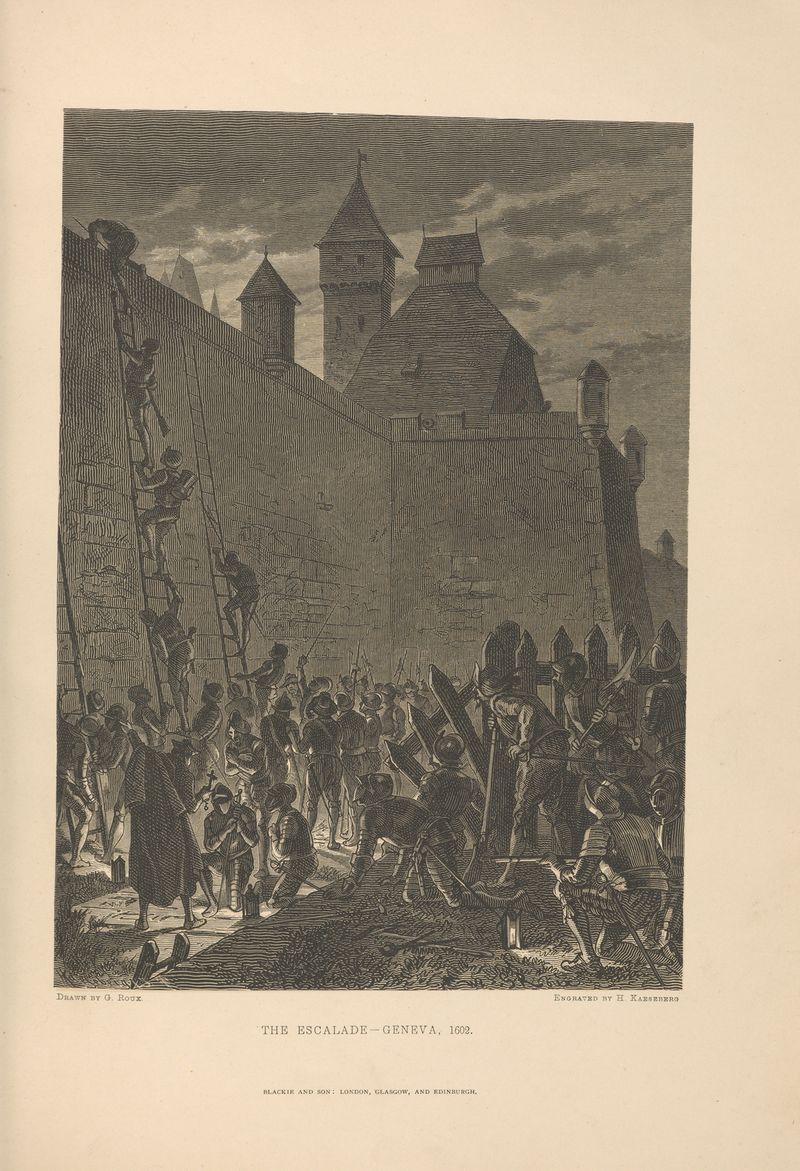
G. Roux – The Escalade, Geneva
Theodor Gsell Fels
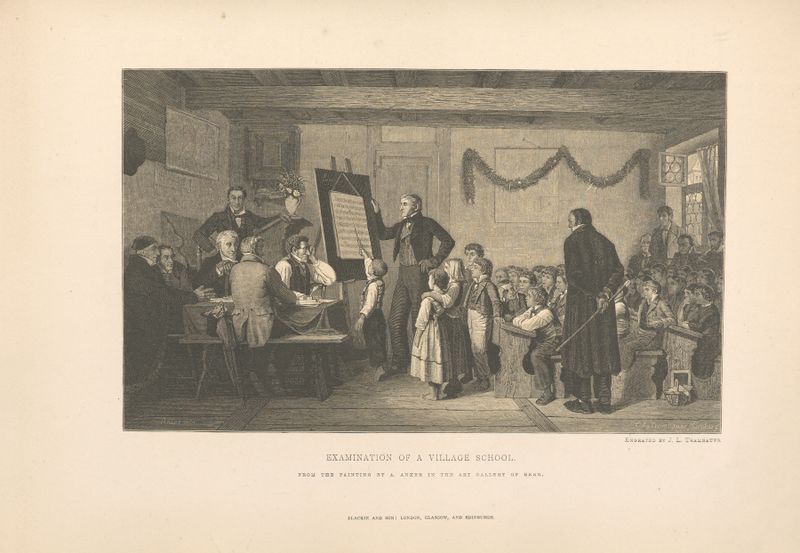
A. Anker – Examination of a Village School
Theodor Gsell Fels





