
E. T. Compton – Zermatt and the Matterhorn — History & Facts
In an age where the fleeting nature of our existence blends into obscurity, art becomes a vessel of destiny, capturing moments that otherwise fade. Through lush valleys and towering peaks, the canvas breathes life into the immortal dance between humanity and nature, whispering secrets of a past that still resonates. Look to the lower right, where the gentle curve of the river beckons the eye toward the majestic Matterhorn. Notice the interplay of light and shadow that dances upon the snow-capped peak, casting an ethereal glow that pulls the viewer into its depths.
The color palette, with soft blues and radiant whites, reflects the tranquility of the alpine landscape, while the vibrant greens of the foreground contrast sharply with the mountain’s austere grandeur. Each brushstroke meticulously articulates the harmony and tension between the serene valley and the formidable summit. Yet, within this picturesque scene lies a deeper narrative—one of aspiration and human insignificance. The quaint cottages nestled at the base of the Matterhorn stand as a testament to mankind’s desire to conquer nature, suggesting a coexistence that is at once harmonious and fraught with tension.
The looming mountain, both a symbol of beauty and danger, serves as a reminder of life’s ephemeral nature, inviting contemplation on the fragility of human endeavors against the backdrop of the eternal. Theodor Gsell Fels created this masterpiece in 1881, during his time in Switzerland, where he was influenced by the burgeoning Romantic movement. This period was marked by a profound admiration for the sublime in nature, as artists sought to capture the transcendental experiences evoked by awe-inspiring landscapes like Zermatt. The painting not only reflects his artistic journey but also encapsulates the zeitgeist of a world increasingly enamored with the natural wonders surrounding it.
More Artworks by Theodor Gsell Fels
Browse all →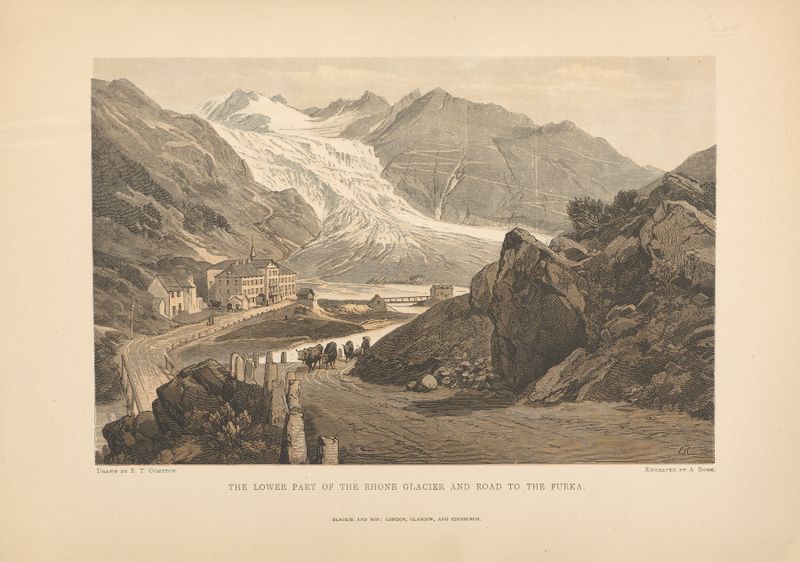
E. T. Compton – The Lower Part of the Rhone Glacier and Road to Furka
Theodor Gsell Fels

G. Closs – The Devil’s Bridge—St. Gothard Road, Schóllenen Gorge
Theodor Gsell Fels
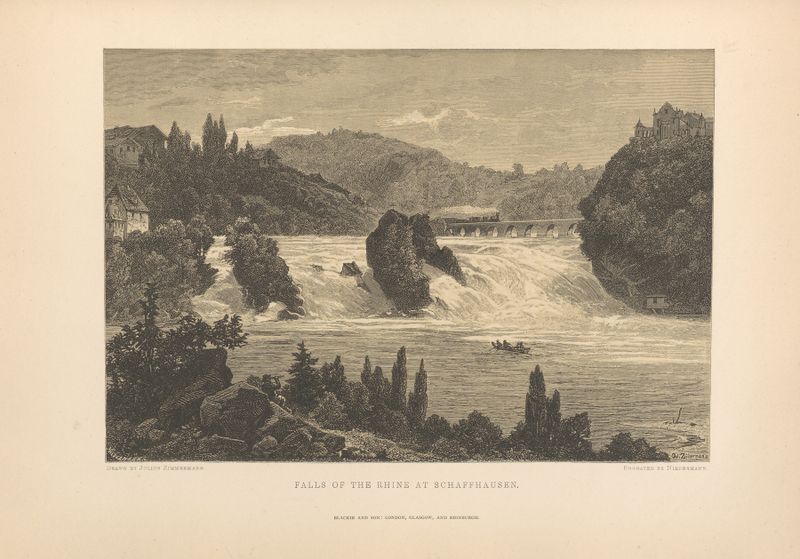
Julius Zimmermann – Falls of the Rhine at Schaffhausen
Theodor Gsell Fels
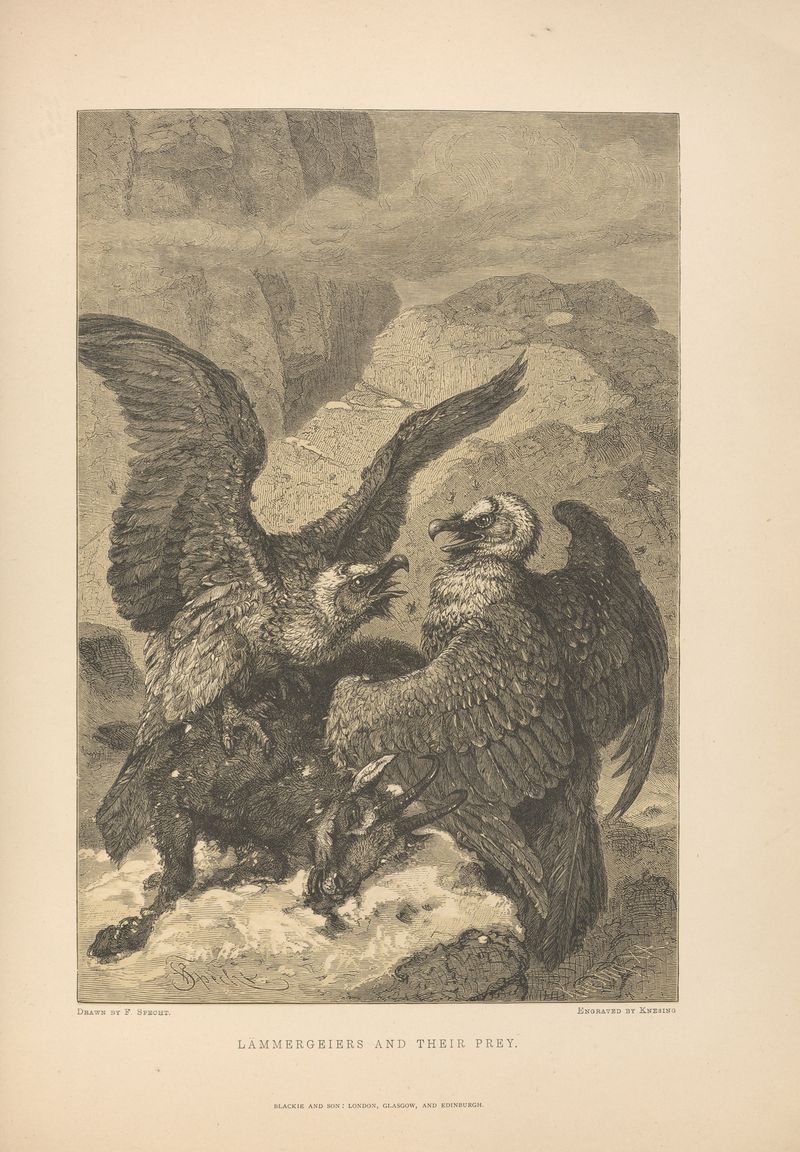
F. Specht – Lammergeiers and their Prey
Theodor Gsell Fels
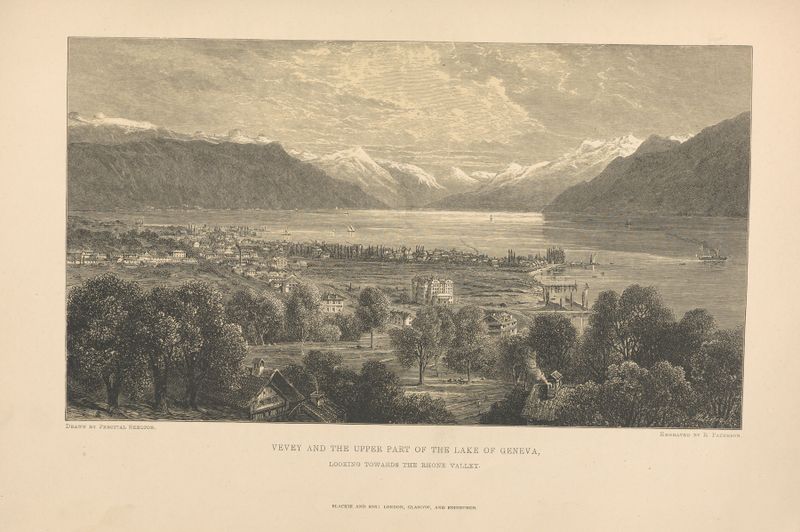
Percival Skelton – Vevay, and the Upper Part of the Lake of Geneva
Theodor Gsell Fels

E. T. Compton – The Jungfrau, and Opening of the Lauterbrunnen Valley
Theodor Gsell Fels

P. Weber – Departure of Steamer from Lucerne
Theodor Gsell Fels
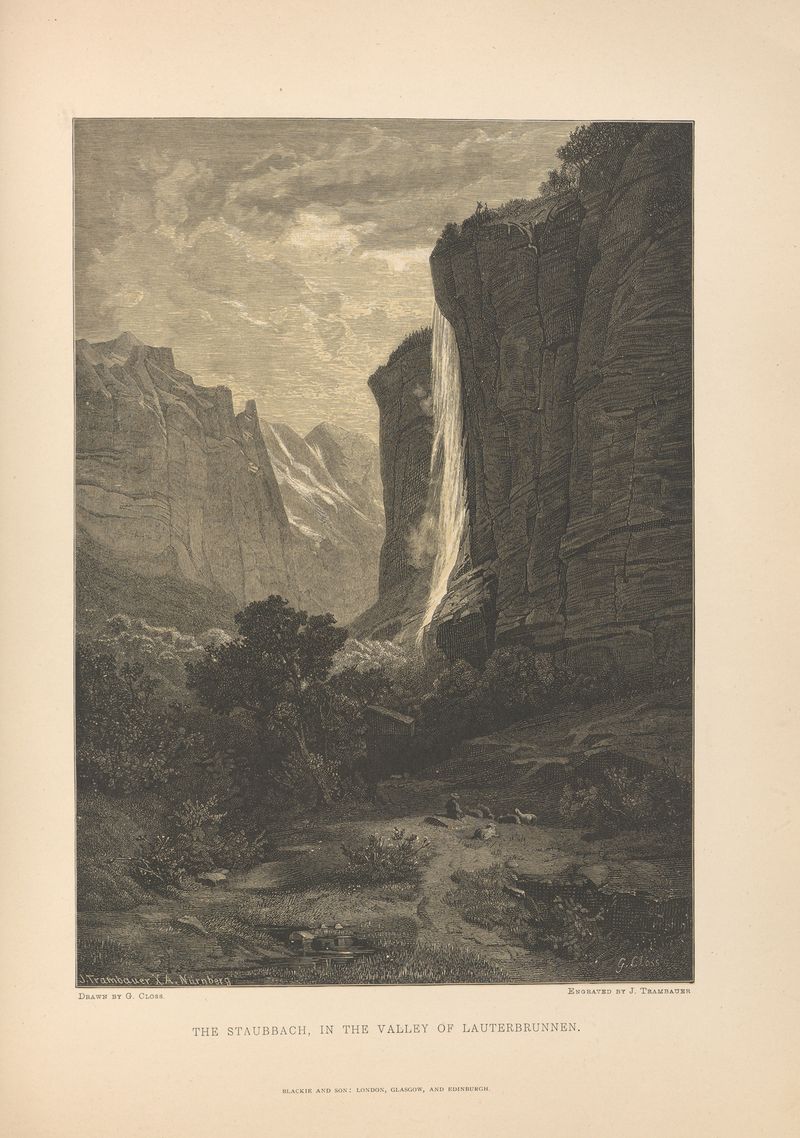
G. Closs – The Staubbach, in the Valley of Lauterbrunnen
Theodor Gsell Fels
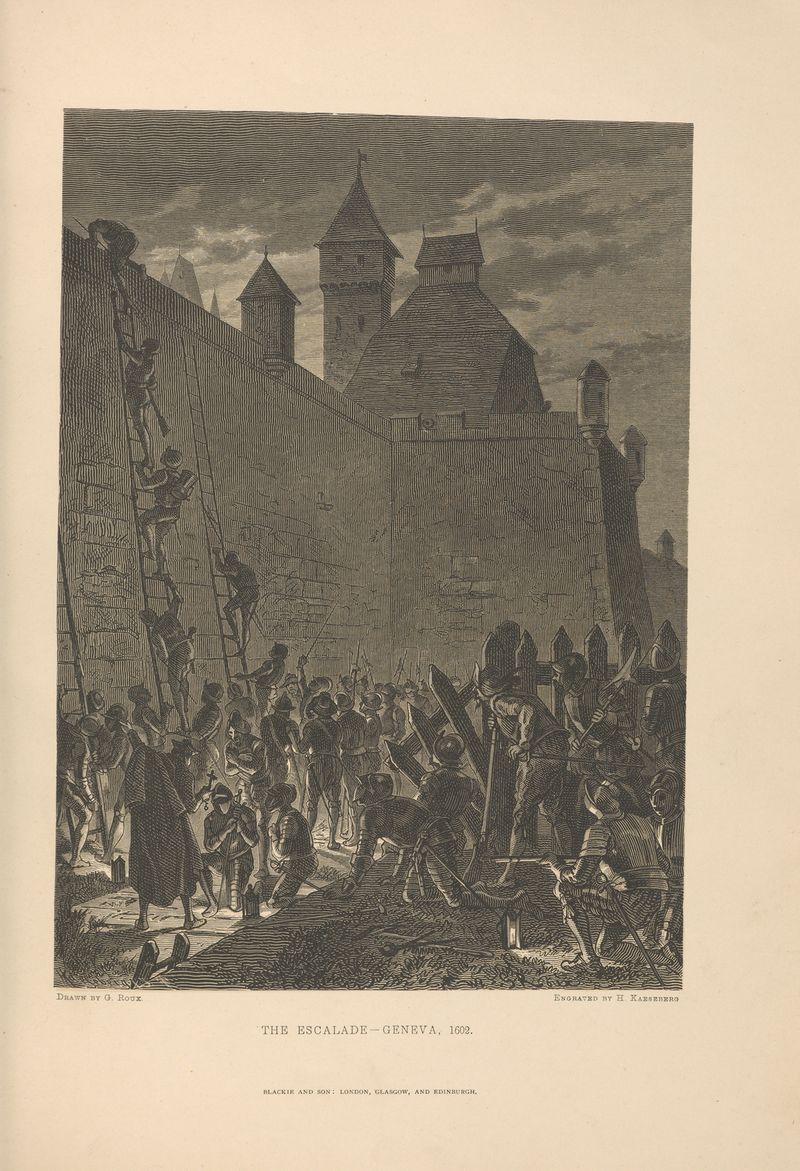
G. Roux – The Escalade, Geneva
Theodor Gsell Fels
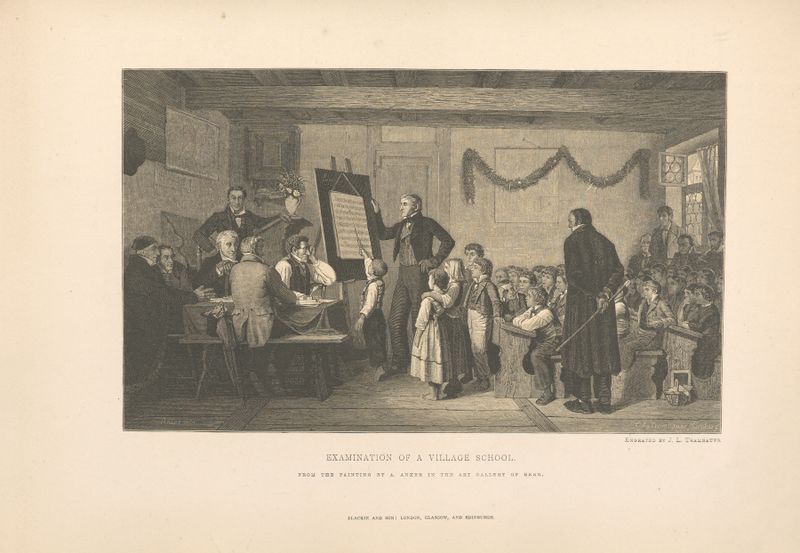
A. Anker – Examination of a Village School
Theodor Gsell Fels





