
Eagle point fishing cabin May 3rd — History & Facts
When did color learn to lie? Beneath the surface of calm waters, the vibrant palette of this painting may conceal whispers of betrayal and quiet despair. Look to the left, where the fishing cabin stands sturdy yet isolated, its warm hues beckoning with an inviting charm. Notice how the gentle ripples of the water reflect the surrounding landscape, mirroring not just the beauty of nature but also the secrets it holds. The contrasting brushwork — soft strokes for the cabin and sharper lines for the trees — creates a visual tension that pulls the viewer’s gaze, evoking an unsettling sense of duality. The juxtaposition of light and shadow speaks volumes; the sun-kissed cabin juxtaposed against the darkened woods evokes a sense of entrapment and solitude.
Here, harmony is deceptive — the idyllic scene hints at the underlying anxiety of being alone in a seemingly perfect world. Each detail reveals a hidden narrative, one of longing for connection while simultaneously fearing the dangers that lurk beyond the shoreline. In 1857, James Fuller Queen painted this piece during a period when American artists were exploring the nuances of landscape and identity. At this time, the art world was shifting, moving away from romanticism toward a more realistic portrayal of life.
Queen, influenced by his surroundings and the burgeoning American romantic movement, captured not just a place but the complex emotions tied to solitude and isolation, a theme resonant in the American experience of the era.
More Artworks by James Fuller Queen
Browse all →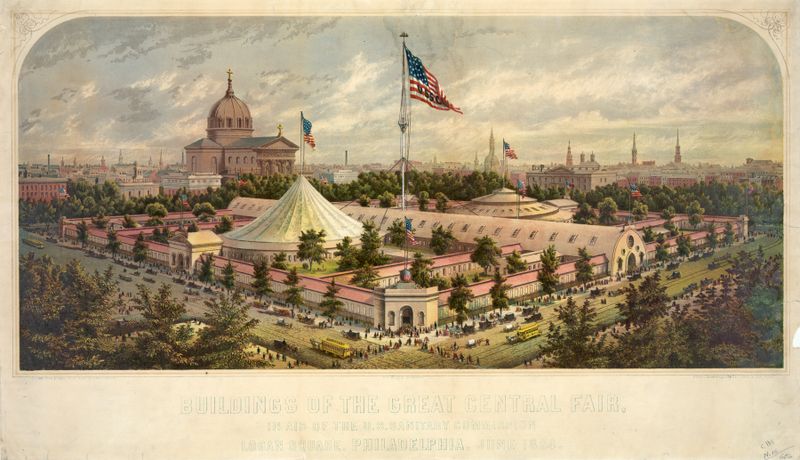
Buildings of the Great Central Fair, in aid of the U.S. Sanitary Commission, Logan Square, Philadelphia, June 1864
James Fuller Queen
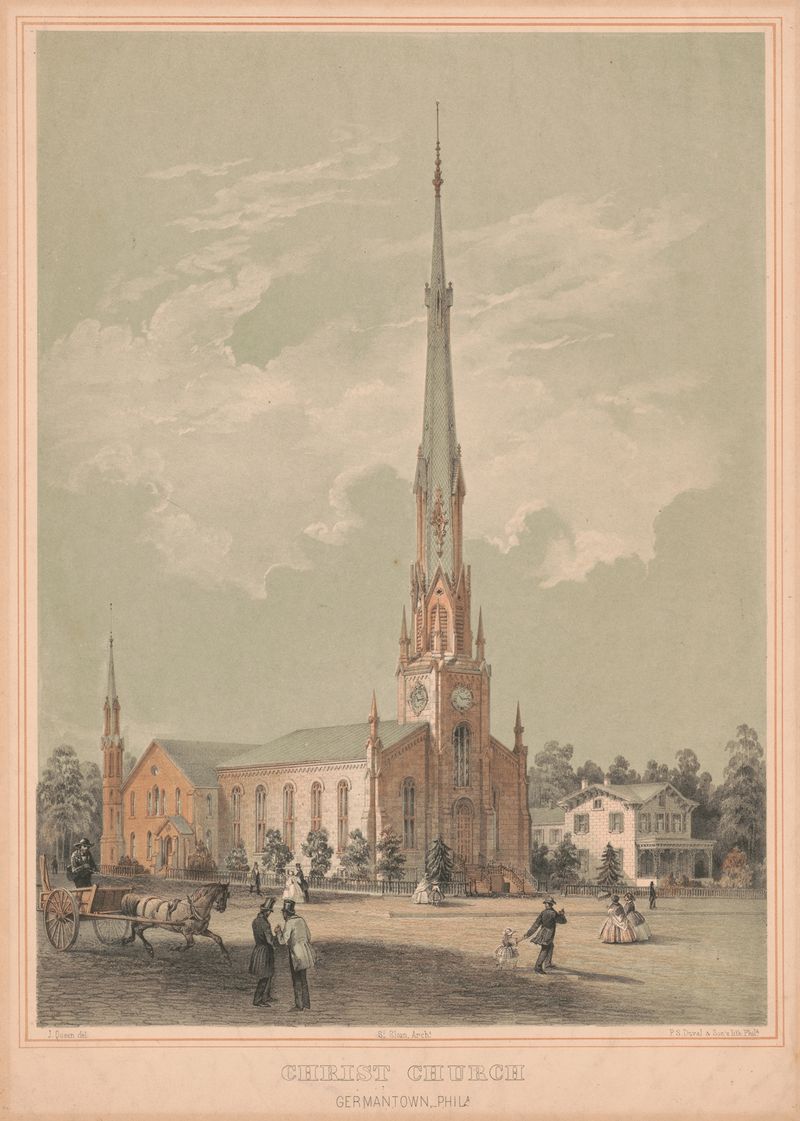
Christ Church, Germantown, Phila.
James Fuller Queen
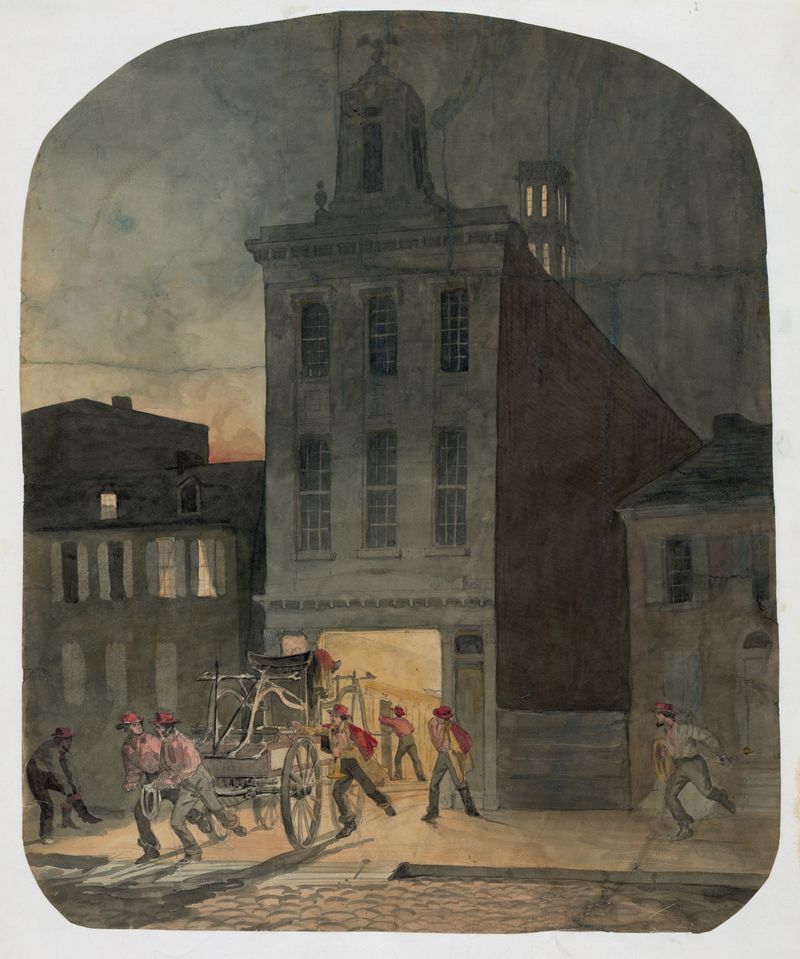
Firehouse scene in Philadelphia showing firemen from the Weccacoe Engine Company
James Fuller Queen
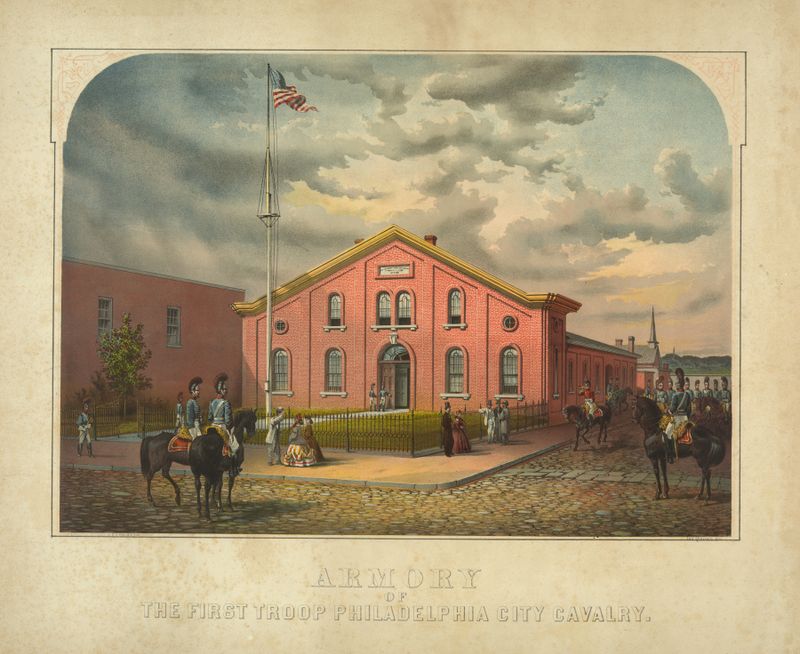
Armory of the First Troop Philadelphia City Cavalry
James Fuller Queen
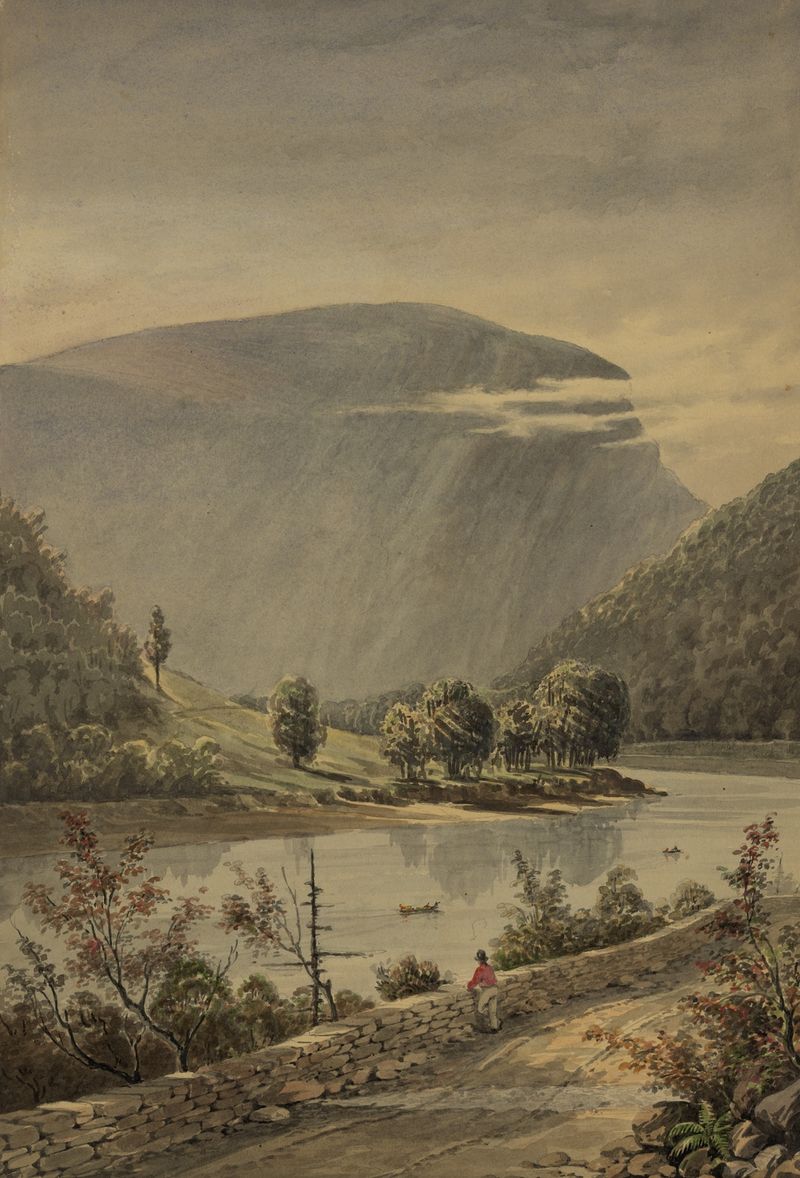
Delaware Water Gap
James Fuller Queen
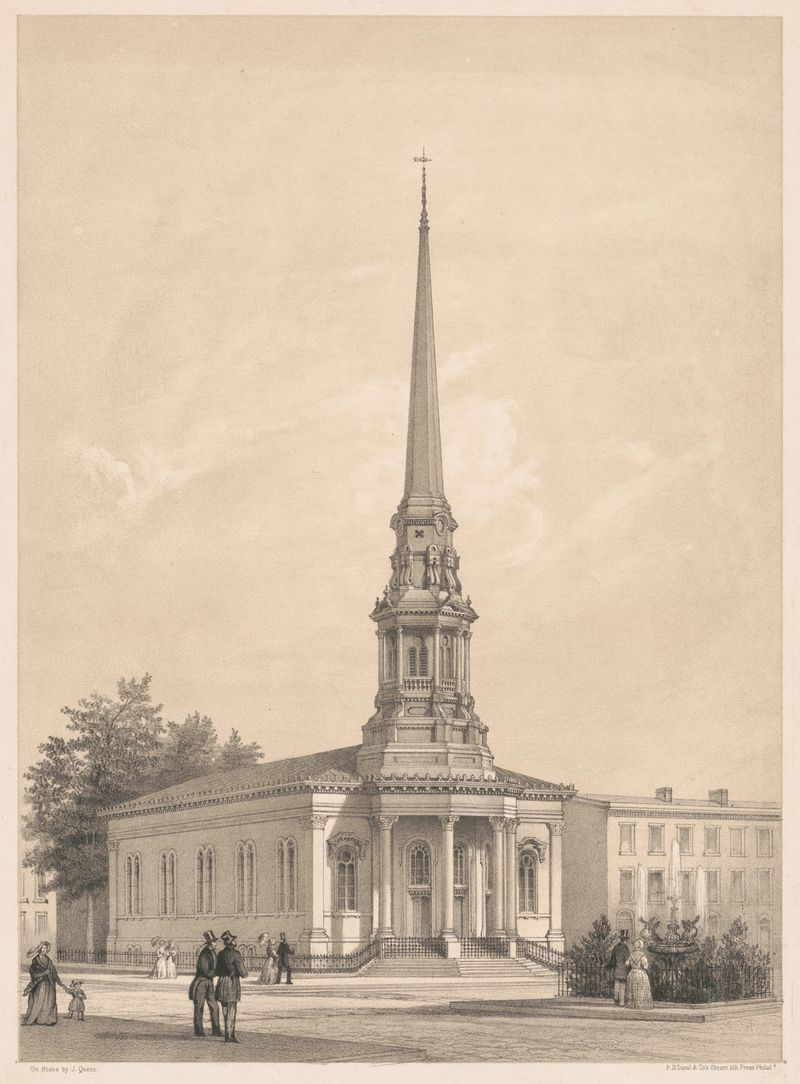
The Fourth Baptist Church, N.W. corner of Fifth & Buttonwood Streets, Philadelphia
James Fuller Queen
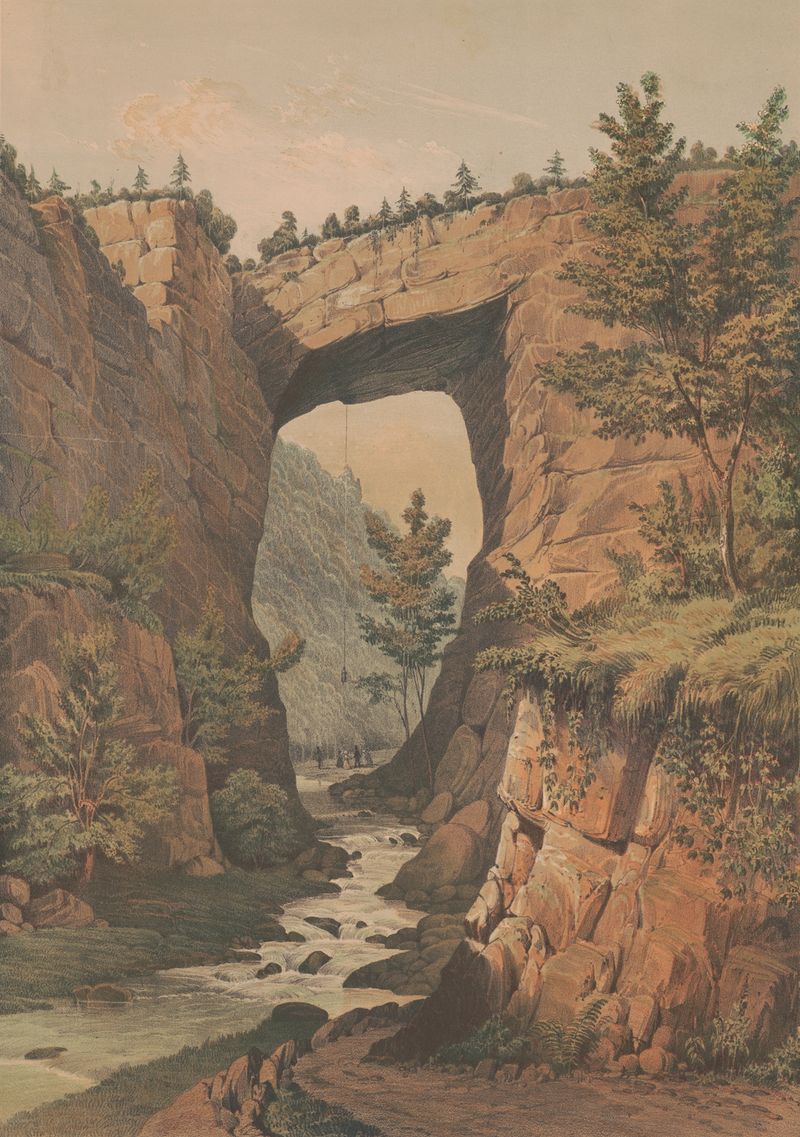
The natural bridge, Rockbridge County, Va. from a sketch by Maj. Ths. H. Williamson
James Fuller Queen
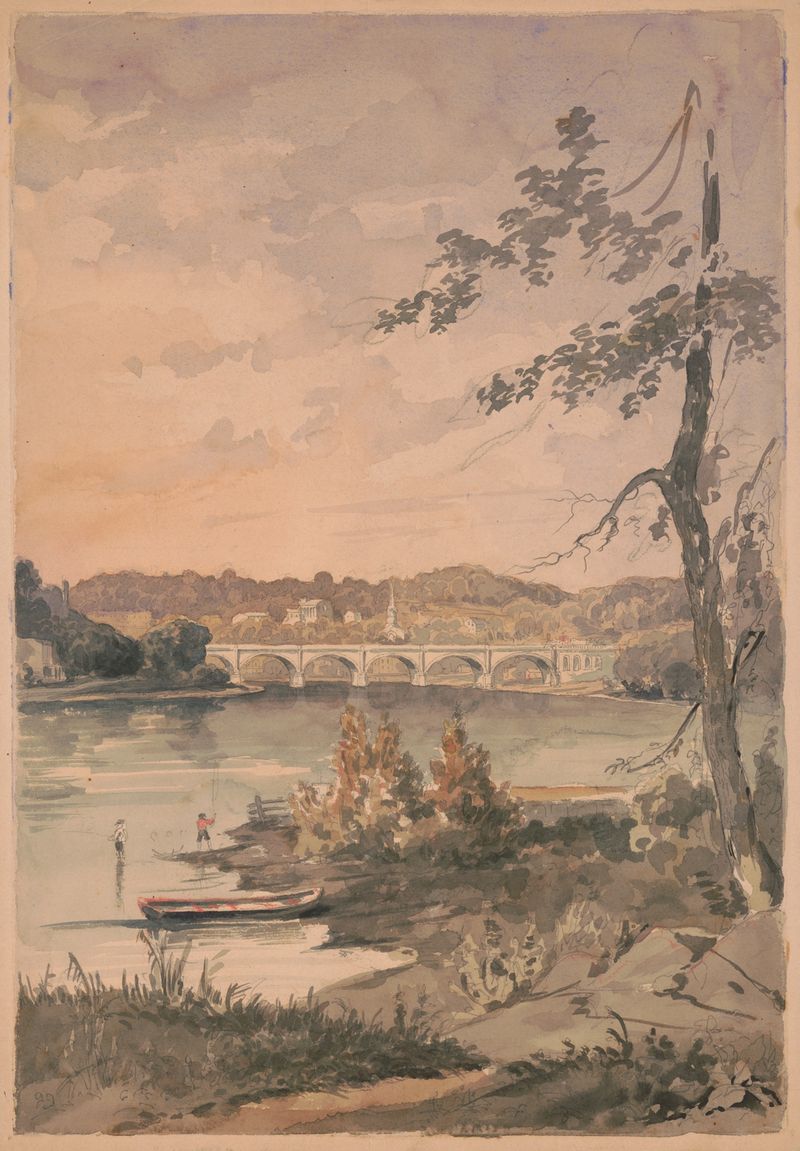
Boys fishing on the banks of the Schuylkill River in Philadelphia
James Fuller Queen

Schuylkill Arsenal at sunset, from across the Schuylkill River, looking west
James Fuller Queen

Explosion of the Alfred Thomas at Easton Pa. March 6th 1860
James Fuller Queen





