Early Autumn In The Village — History & Facts
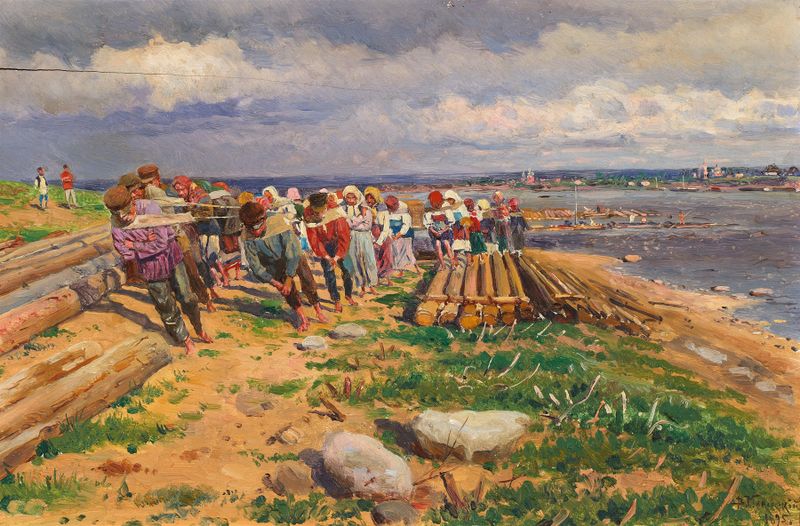
Where does light end, and longing begin? In a world where the ephemeral touch of autumn whispers through the air, the interplay of golden hues evokes both beauty and a bittersweet ache. Look closely at the vibrant colors that dominate the canvas; notice how the warm oranges and soft browns envelop the quaint village scene. The light seems to dance across the landscape, illuminating the thatched roofs and the rich foliage. Direct your gaze to the figures in the foreground—each one etched in delicate detail, their gestures a testament to the day's labor and leisure, contrasting with the crispness of the autumn chill that lingers just beyond their warmth. Delve deeper into the emotional landscape of the piece, where the tension between the vitality of life and the inevitability of change unfolds.
The villagers exhibit a sense of purpose, yet there is an underlying stillness, as if they are caught in a moment of reflection before the frost arrives. The juxtaposition of the energetic activity and the encroaching shadows of winter speaks to the fleeting nature of time, prompting viewers to ponder their own journeys and the seasons of their lives. In 1884, at the height of his career, the artist painted this piece during a period marked by a resurgence of interest in social realism in Russia. Living in a time when the country was awakening to modernity, Makovsky sought to capture the essence of everyday life, blending skillful technique with a deep empathy for his subjects.
This artwork reflects his ability to convey not just a scene, but the spirit of a changing world, challenging viewers to recognize the beauty in both the light and the longing that defines human experience.