
Edge Of The Wood — History & Facts
In the delicate interplay of shadows and light, we find ourselves drawn into an exploration of the unseen. Look to the left at the dense foliage, where deep greens and muted browns coalesce, creating an almost tangible depth. The sunlight filters through the branches, illuminating patches of the ground that invite serenity, while the darker areas, cloaked in shadow, evoke a sense of mystery. The chiaroscuro technique Vallotton employs masterfully enhances the tension between light and dark—each stroke carefully delineates the contours of the trees, inviting the viewer to linger and ponder the secrets they conceal. In this work, the quiet contrast between the vibrant colors and the enveloping shadows speaks to the duality of existence—the joy of discovery set against the apprehension of the unknown.
The solid trunks, standing resolute, may symbolize stability and permanence, while the elusive shadows suggest the transient nature of life and knowledge. The viewer is compelled to consider what lies just beyond the reach of light, where understanding may be obscured, and yet, where allure resides. In 1920, when this piece was created, Vallotton sought to distill the essence of nature's beauty through a modern lens. Living in Paris, he was engaged in a period marked by post-impressionist explorations and a growing interest in abstraction.
This context allowed him to inventively play with perception, challenging the viewer to confront the balance of reality and intrigue present in the natural world.
More Artworks by Félix Vallotton
Browse all →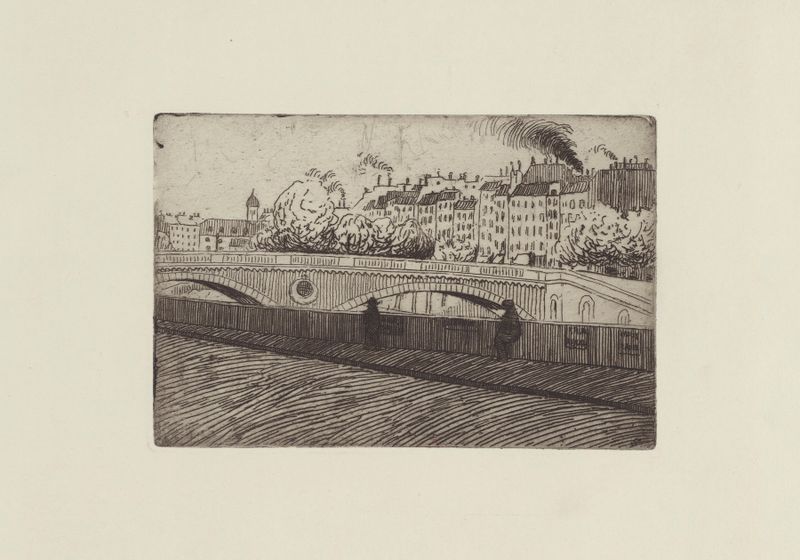
Le pont St Michel
Félix Vallotton
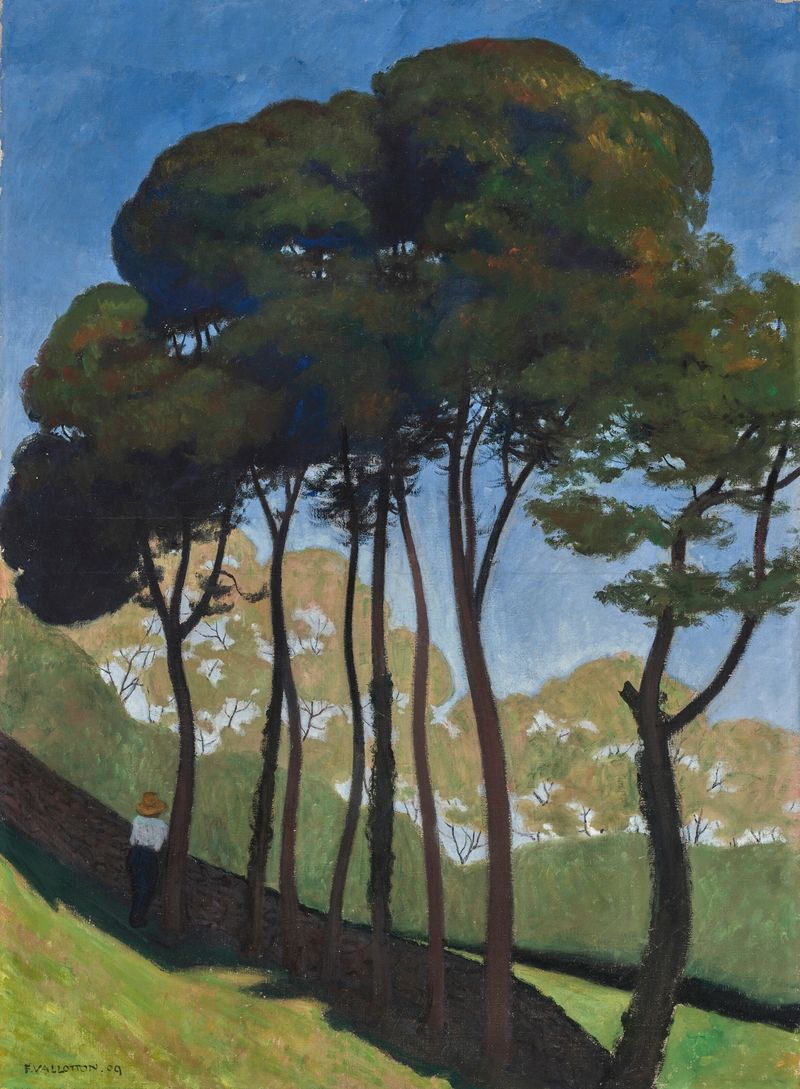
Les Grands Arbres, environs d’Honfleur
Félix Vallotton
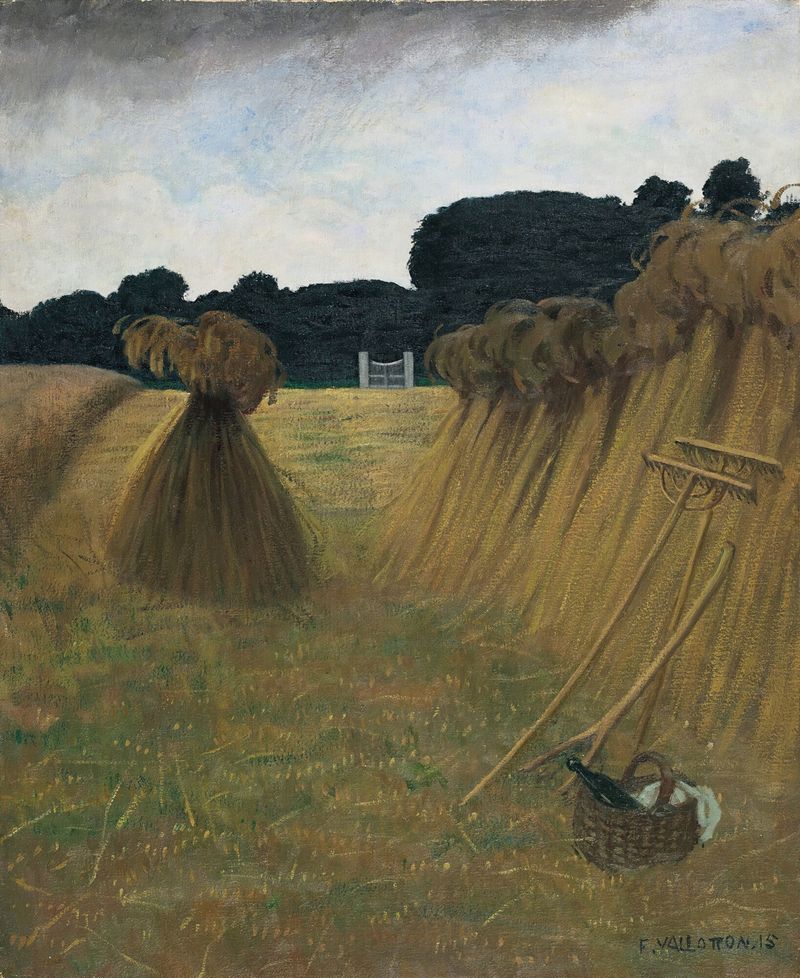
The Sheaves
Félix Vallotton
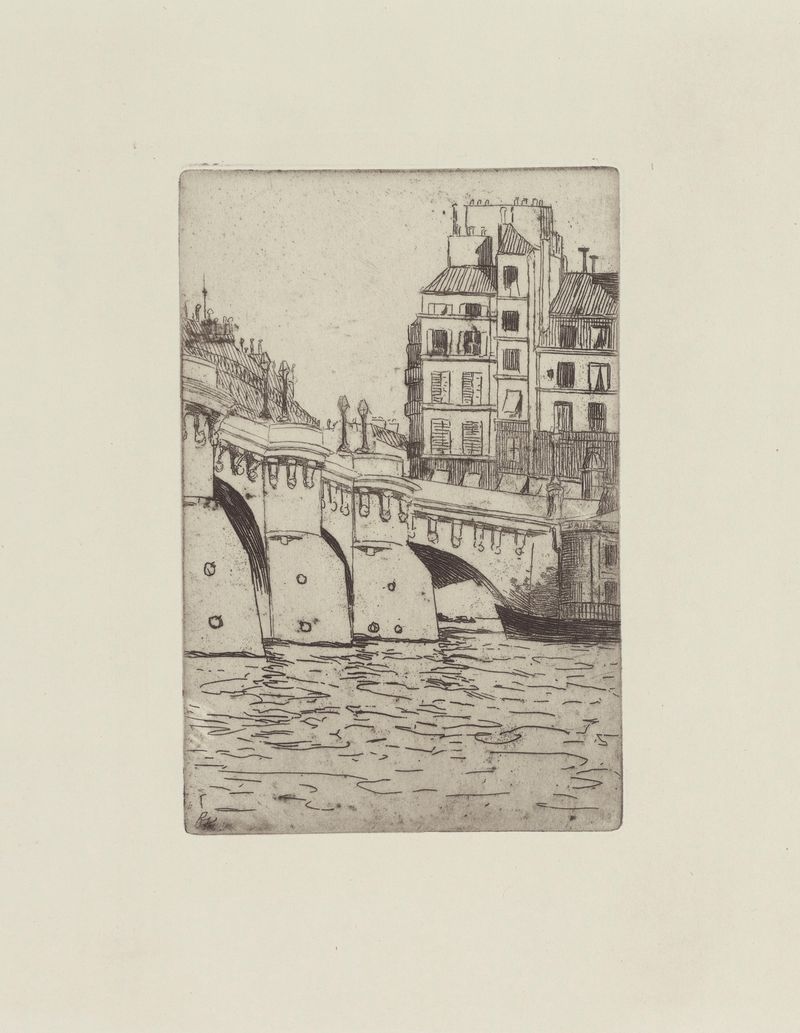
Les bains du Pont-Neuf
Félix Vallotton
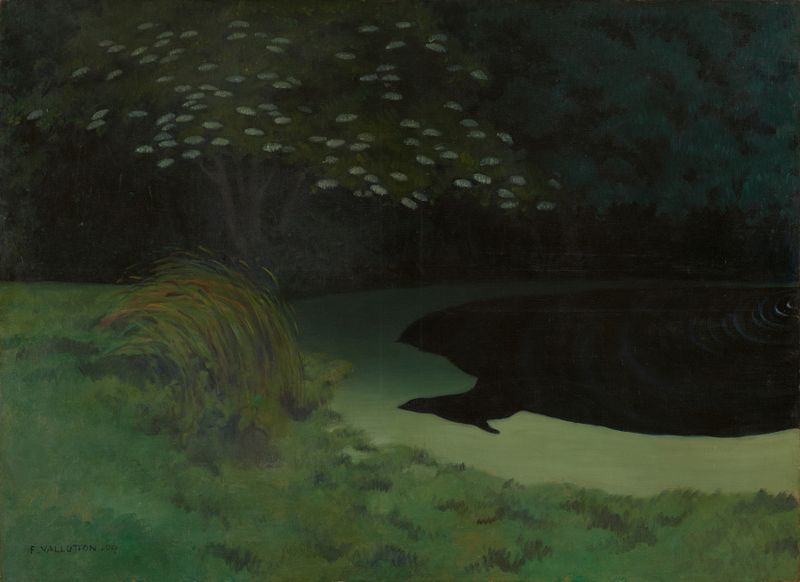
The Pond (Honfleur)
Félix Vallotton
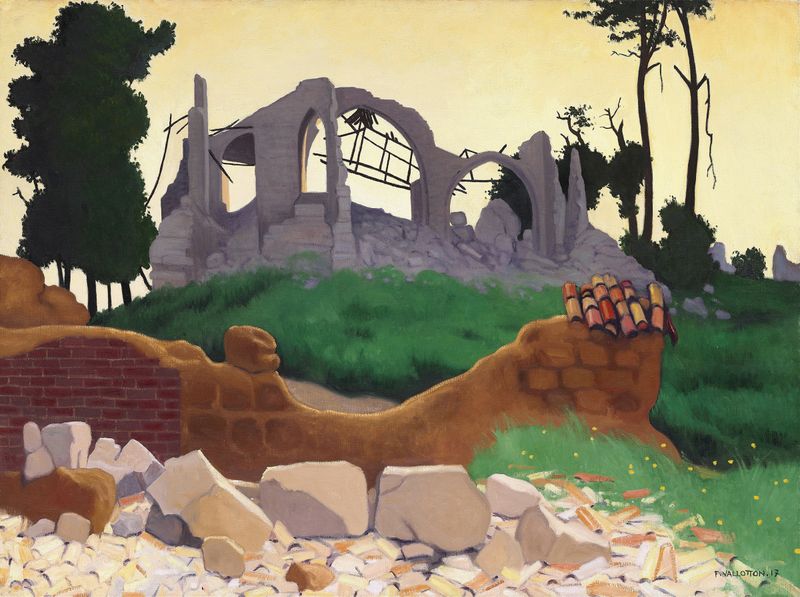
The Church of Souain
Félix Vallotton
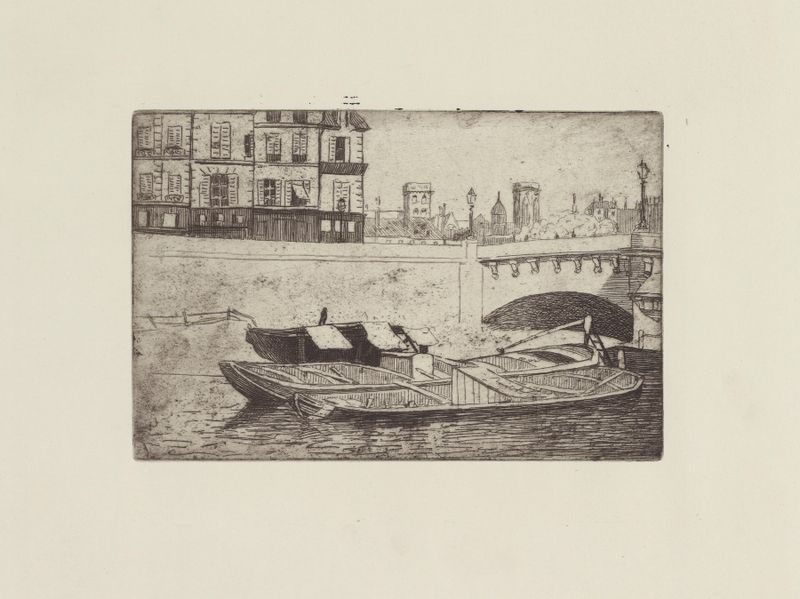
Péniches au Pont-Neuf
Félix Vallotton
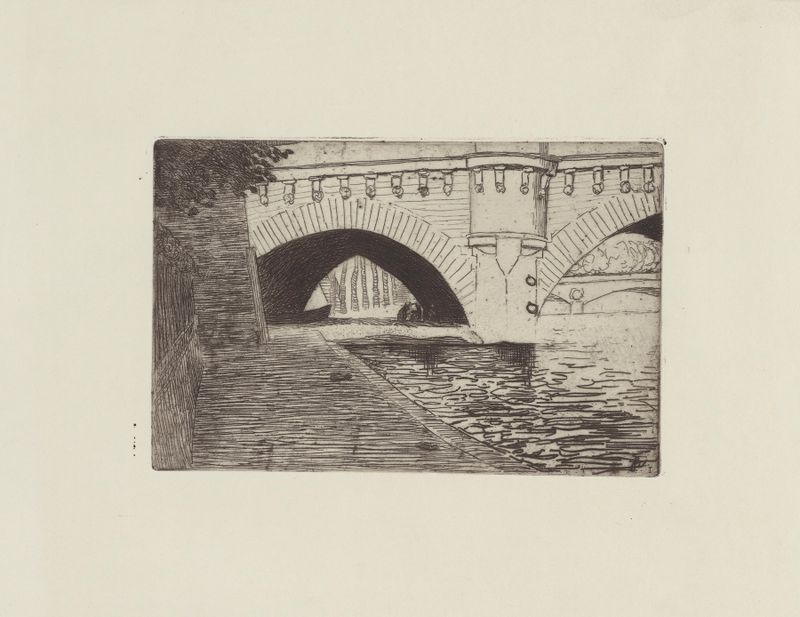
Le Pont-Neuf et le pont St Michel
Félix Vallotton
Corn Fields
Félix Vallotton
Le Vert-Galant
Félix Vallotton





