
Eglise En Normandie — History & Facts
What if silence could speak through light? In Eglise En Normandie, stillness pervades the scene, hinting at the unspoken stories woven into the fabric of the landscape. The light, infused with the soft hues of dawn or dusk, casts an ethereal glow over the church, inviting contemplation and reflection. Look to the left at the delicate play of shadow and light across the weathered stone of the building, intricately contrasting with the lush greenery surrounding it. The artist's brushwork creates a vibrant tapestry of color, where muted earth tones harmonize with bursts of emerald and gold.
Notice how the light falls upon the church's steeple, drawing your gaze upward, as if revealing a hidden truth obscured by the tranquility of the setting. Beneath the serene exterior, tension resides in the juxtaposition of nature and architecture. The church, a symbol of faith and sanctuary, stands resolute against the encroaching wildness of its environment, suggesting an underlying conflict between human aspirations and the whims of nature. This contrast evokes feelings of isolation and vulnerability, while the gentle glow hints at a sense of hope stifled by unrecognized betrayal. The painting emerged during a time of personal turmoil for the artist, who created this piece in the late 19th century, likely while in France.
Frank Myers Boggs was deeply influenced by the Impressionist movement, exploring light and atmosphere in his works. The world around him was undergoing rapid changes, as industrialization pushed against the natural landscapes he so cherished, reflecting both his inner struggles and the broader cultural shifts of the era.
More Artworks by Frank Myers Boggs
Browse all →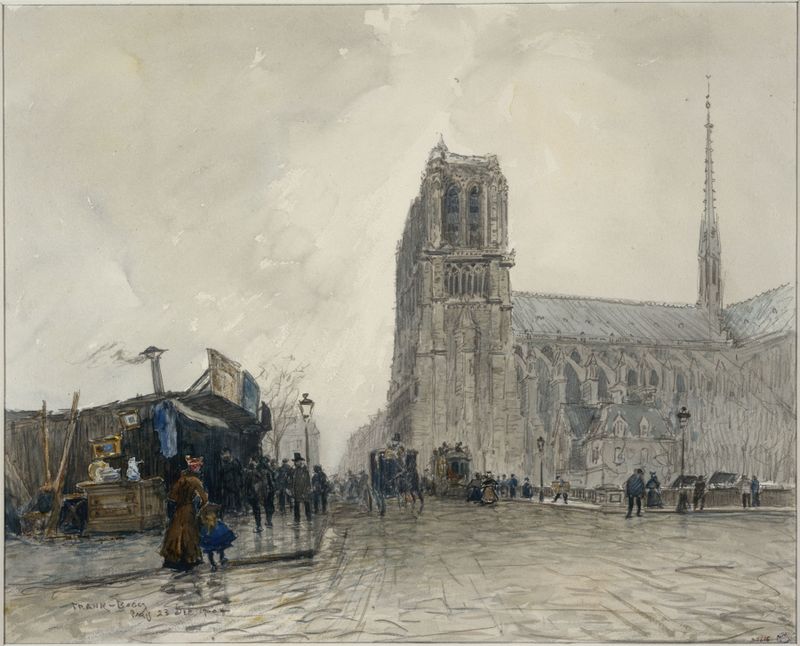
Notre-Dame vue du Pont au Double
Frank Myers Boggs
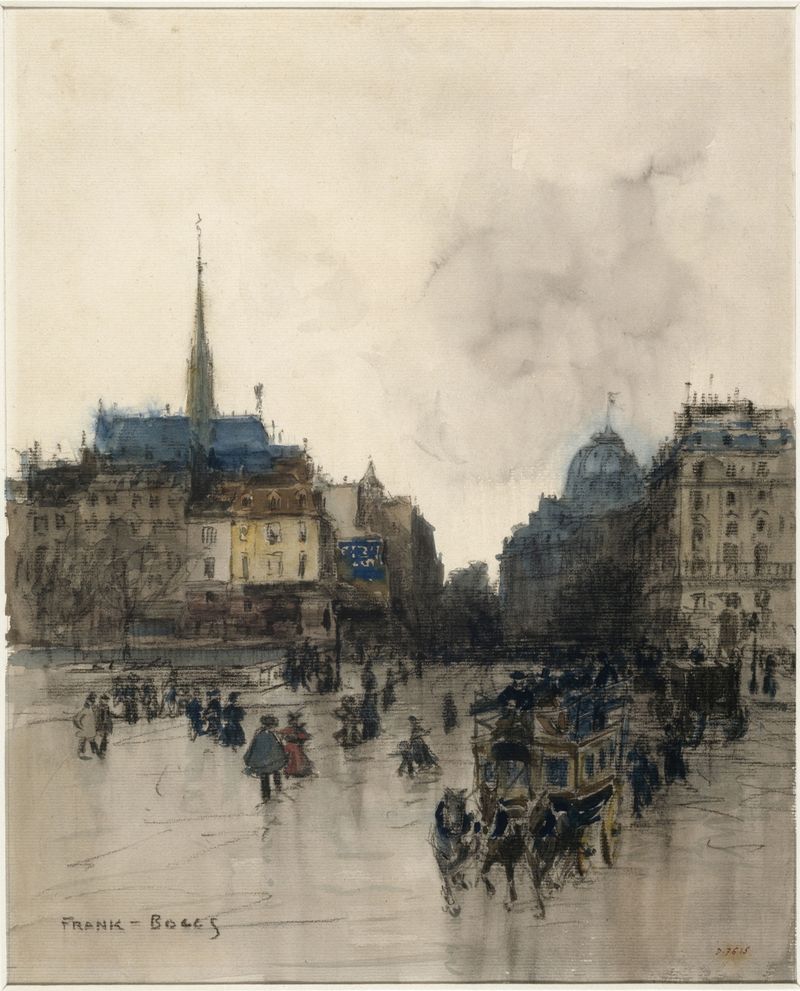
Le pont Saint-Michel
Frank Myers Boggs
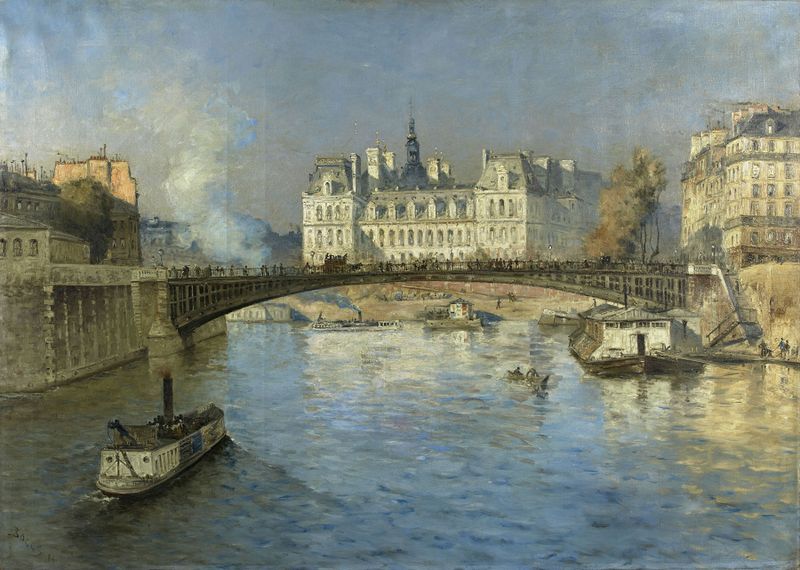
Paris, la Seine et l’Hôtel de Ville
Frank Myers Boggs
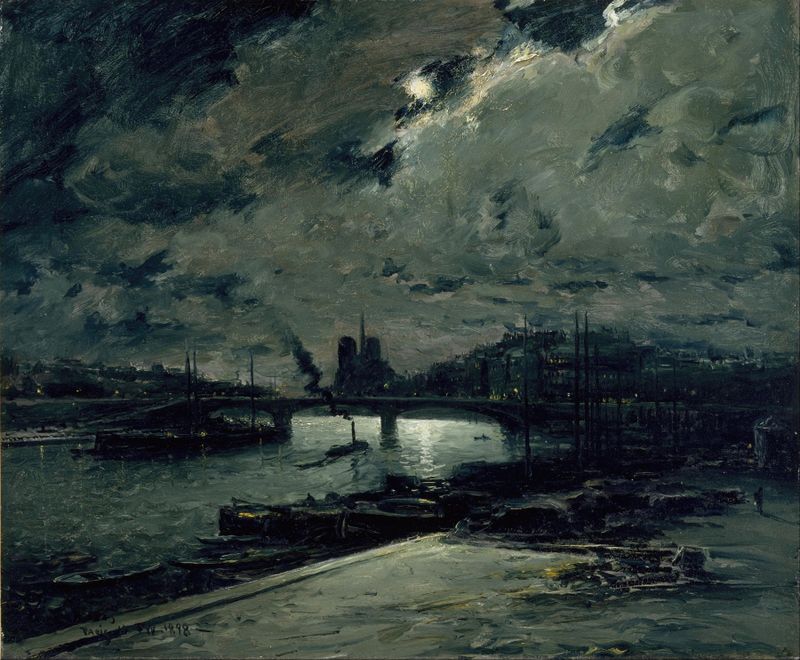
Quai de la Seine, Paris, au Clair de Lune
Frank Myers Boggs
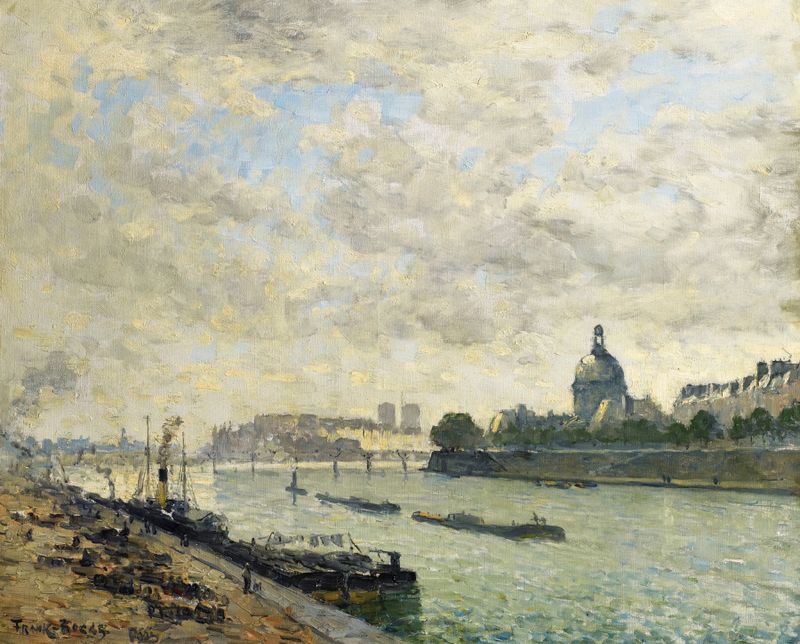
Les quais de Seine à Paris
Frank Myers Boggs
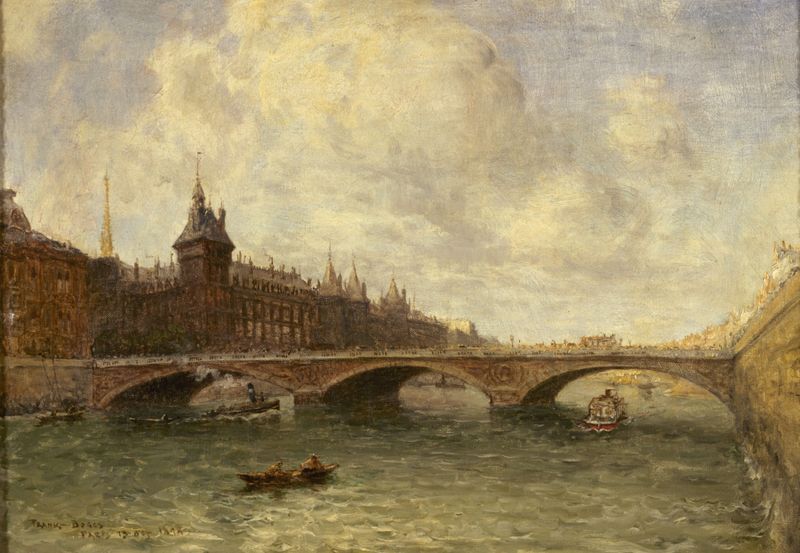
Le pont au change et le quai de l’horloge
Frank Myers Boggs
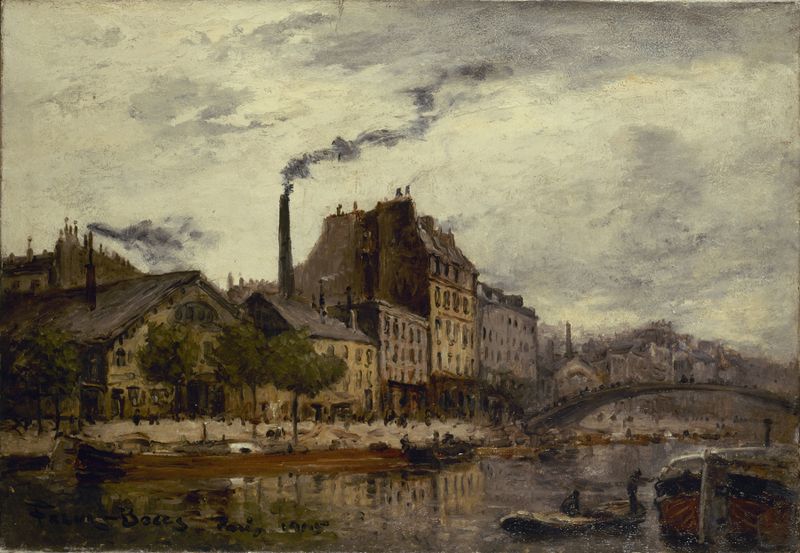
La démolition de l’ancien pont de la Tournelle
Frank Myers Boggs
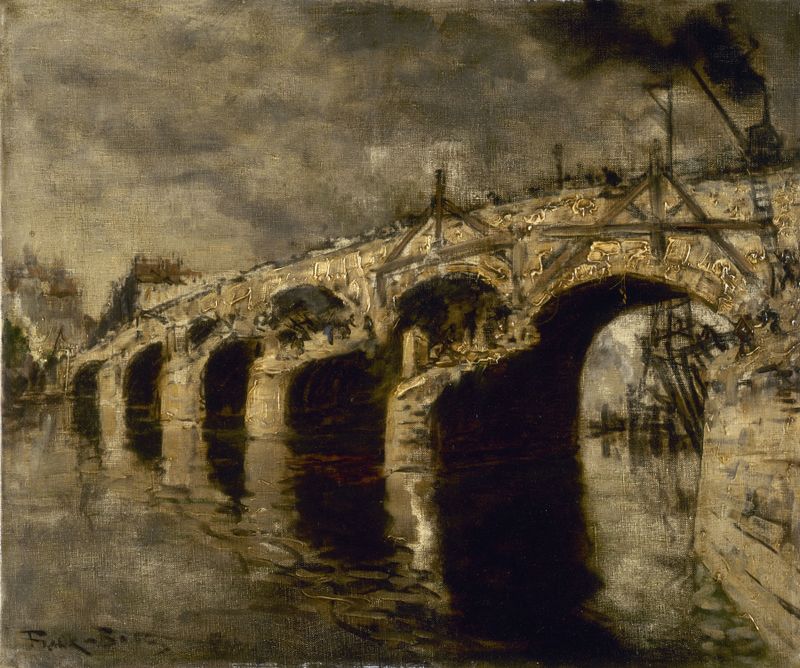
La démolition de l’ancien pont de la Tournelle
Frank Myers Boggs

La tour Saint-Jacques
Frank Myers Boggs
Le Moulin de la Galette
Frank Myers Boggs





