
Quai de la Seine, Paris, au Clair de Lune — History & Facts
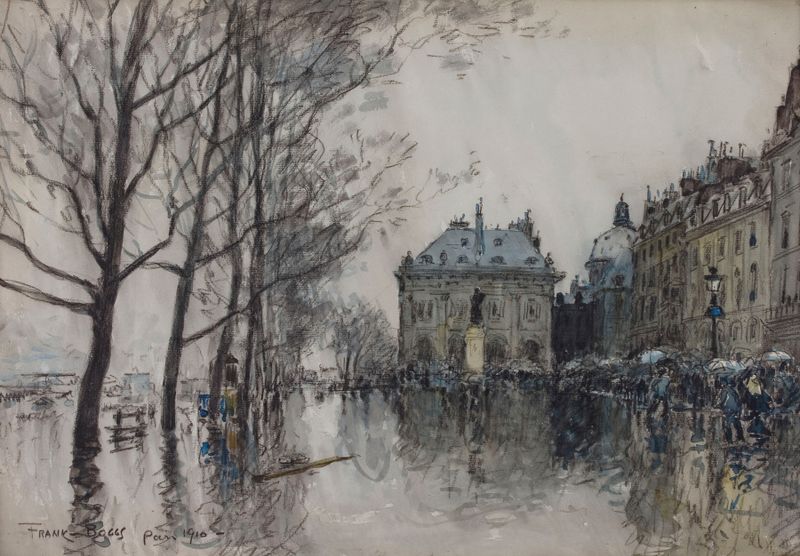
Could beauty survive in a century of chaos? This question lingers like a whisper, drawing us into the gentle embrace of a Parisian night captured in 1898. Look to the center of the canvas, where the soft glow of moonlight dances on the Seine, illuminating the water’s surface with shimmering silver hues. Notice how the artist masterfully blends blues and greens, creating a serene yet vibrant atmosphere. The silhouettes of trees frame the scene, while the distant outline of the city rises majestically against the darkening sky, inviting the viewer into a tranquil yet dynamic moment. Hidden within this peaceful façade lies a tension between nature and urban life.
The reflection in the water serves as a reminder of the fleeting nature of beauty, as if the moonlight is attempting to hold on to its brilliance amidst the inevitable march of modernity. There’s a palpable nostalgia in the brushstrokes, evoking a longing for a simpler time while hinting at the encroachment of the industrial age—a stark reminder that even in beauty, change lurks just around the corner. During this period, the artist was deeply influenced by the Impressionist movement, which sought to capture the ephemeral qualities of light and atmosphere. Working in France, amidst a bustling art scene, he was influenced by fellow artists as they explored new techniques.
This canvas reflects not only a personal exploration of beauty but also an era poised on the brink of transformation, embodying the delicate balance between nostalgia and the advancing tide of modern life.
More Artworks by Frank Myers Boggs
Browse all →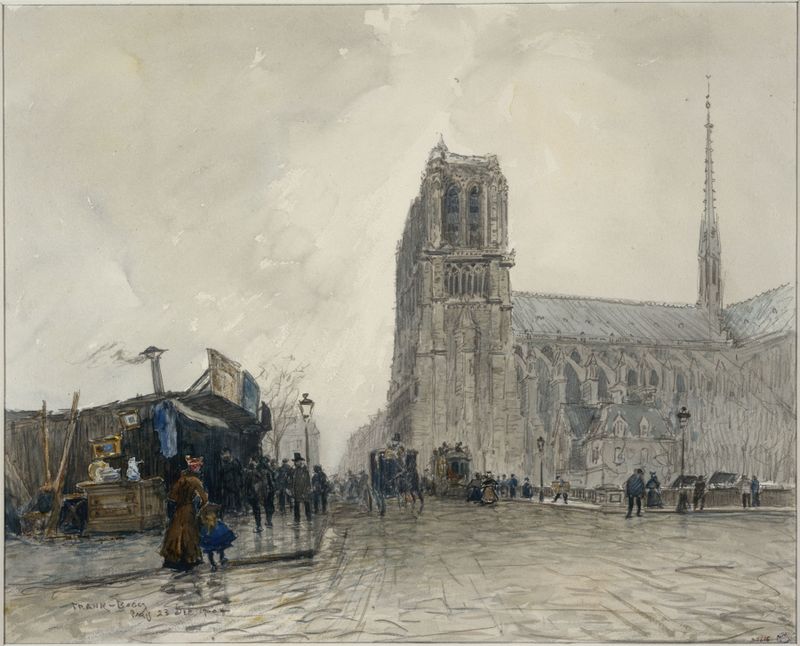
Notre-Dame vue du Pont au Double
Frank Myers Boggs
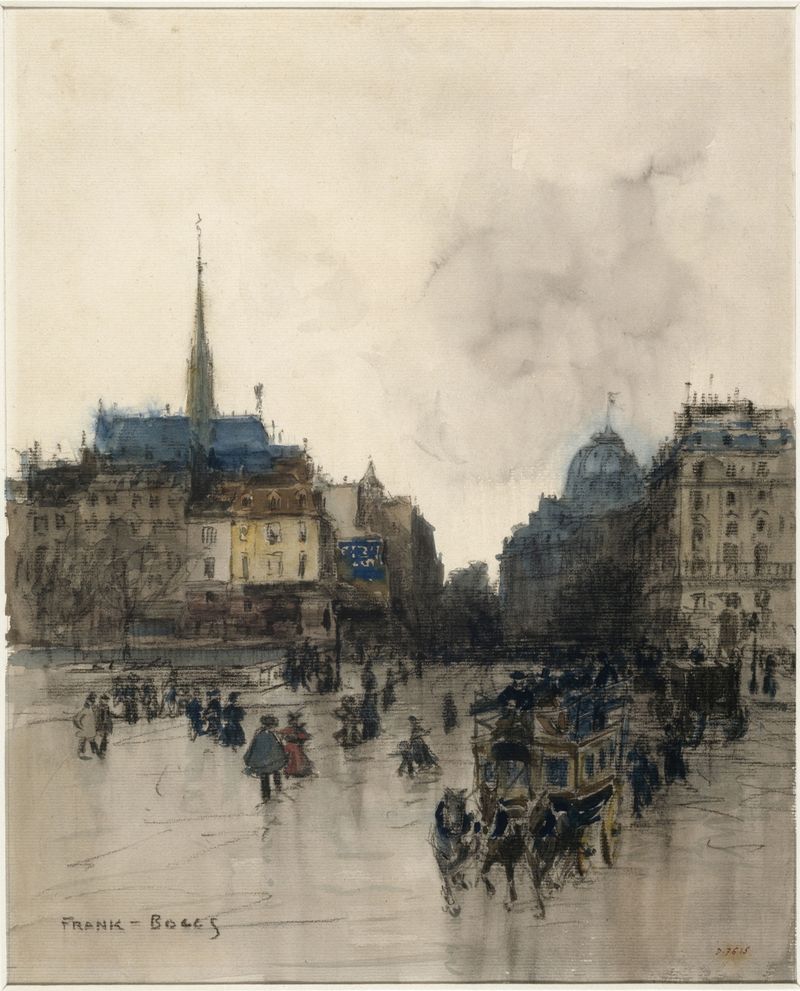
Le pont Saint-Michel
Frank Myers Boggs
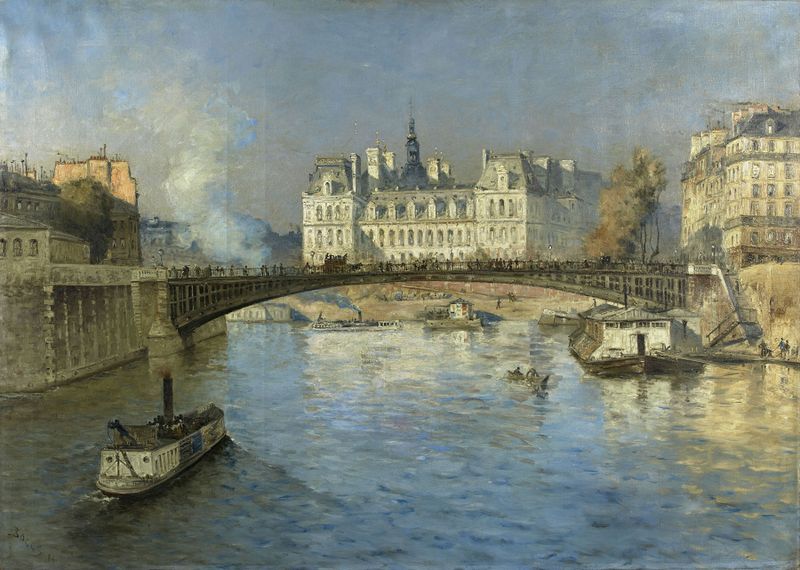
Paris, la Seine et l’Hôtel de Ville
Frank Myers Boggs
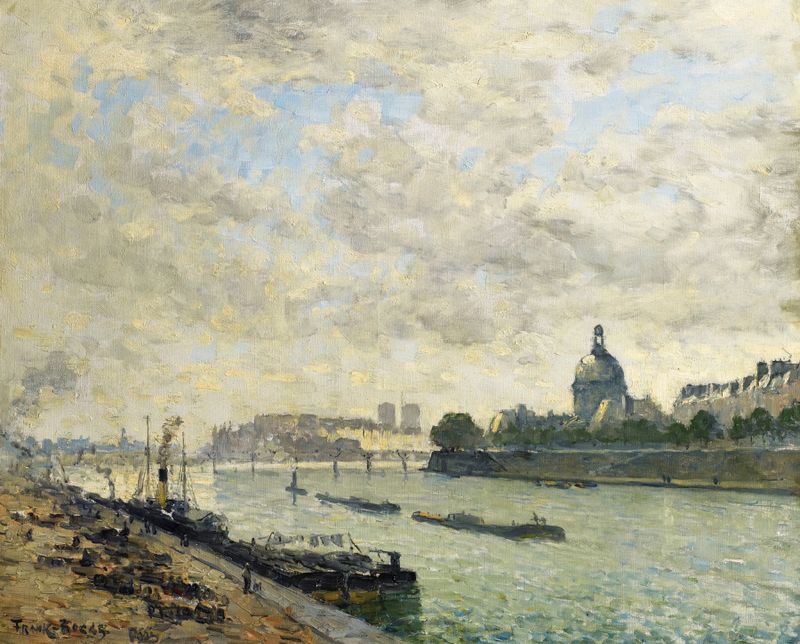
Les quais de Seine à Paris
Frank Myers Boggs
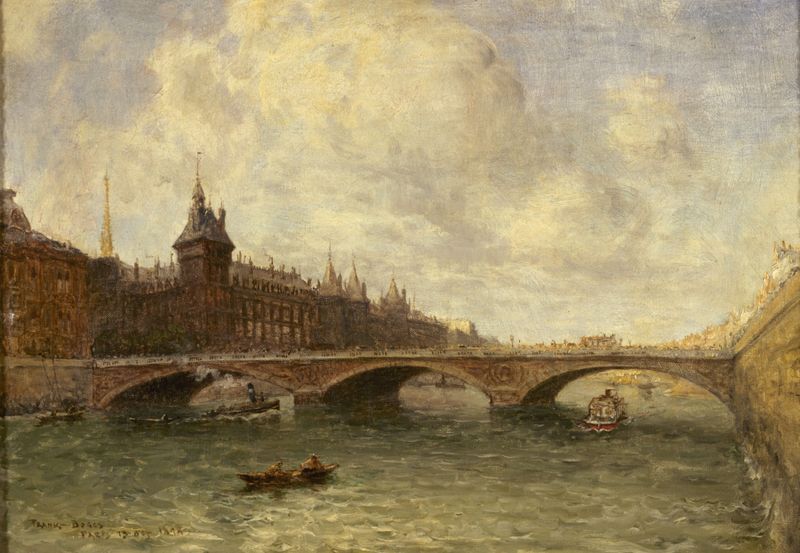
Le pont au change et le quai de l’horloge
Frank Myers Boggs
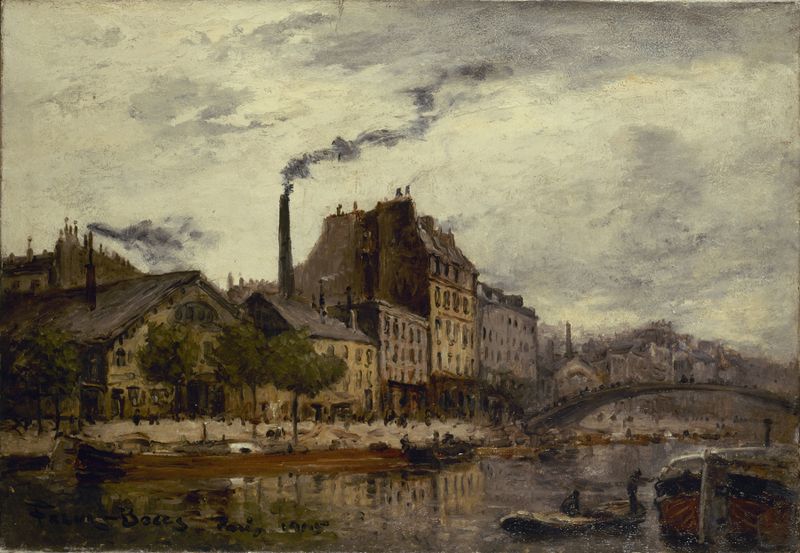
La démolition de l’ancien pont de la Tournelle
Frank Myers Boggs
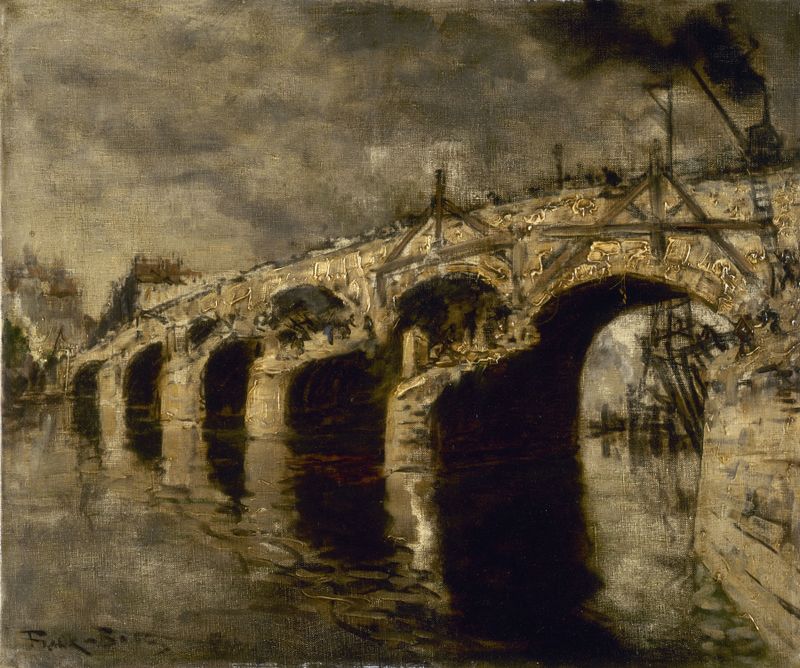
La démolition de l’ancien pont de la Tournelle
Frank Myers Boggs

La tour Saint-Jacques
Frank Myers Boggs
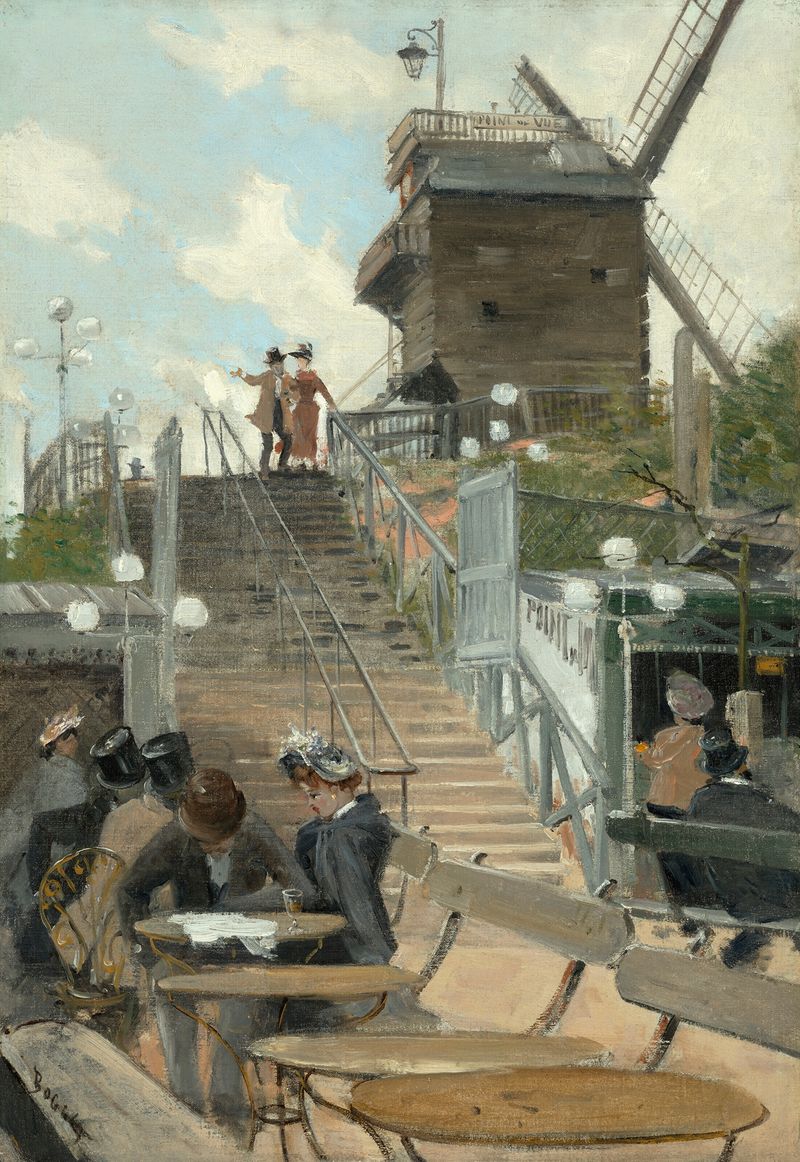
Le Moulin de la Galette
Frank Myers Boggs
Le quai Malaquais
Frank Myers Boggs





