
La tour Saint-Jacques — History & Facts
Can paint confess what words never could? In La tour Saint-Jacques, the yearning for connection springs forth in every brushstroke, inviting the viewer to delve into the depths of emotion captured within the Parisian scene. Look to the left at the imposing silhouette of the tower, its gothic architecture rising against the evening sky, bathed in a golden glow. Notice how the delicate hues of lavender and rose blend seamlessly, creating a dynamic backdrop that contrasts with the solid stone structure. The masterful application of light and shadow reveals not just a landmark, but a symbol of history and time itself, while the gentle ripple of water reflects the world above, inviting contemplation. Beneath the surface lies a poignant tension—between the permanence of the tower and the fleeting moments of the bustling city life that surrounds it.
The presence of the soft water and fleeting clouds hints at the passage of time and the ephemeral nature of human experiences. Together, these elements evoke a profound sense of longing, as if the tower silently witnesses the stories unfolding in its shadow, each tale laced with hope and nostalgia. Frank Myers Boggs painted La tour Saint-Jacques in 1901 during a period when he was deeply influenced by impressionism and the beauty of urban landscapes. Living in Paris, he sought to capture the interplay of light and atmosphere, reflecting the transformative energy of the city.
It was a time of artistic exploration and innovation, as artists began to break away from tradition to express the contemporary world around them.
More Artworks by Frank Myers Boggs
Browse all →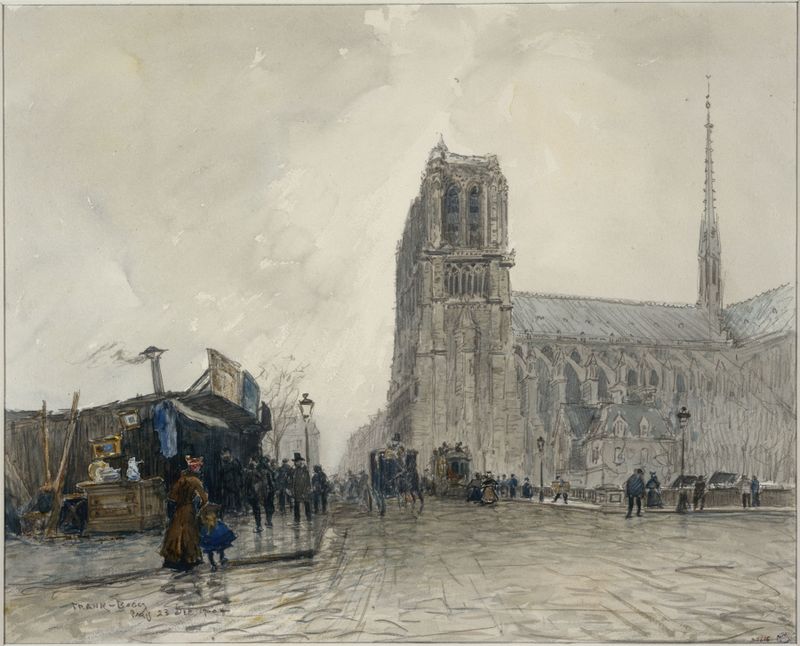
Notre-Dame vue du Pont au Double
Frank Myers Boggs
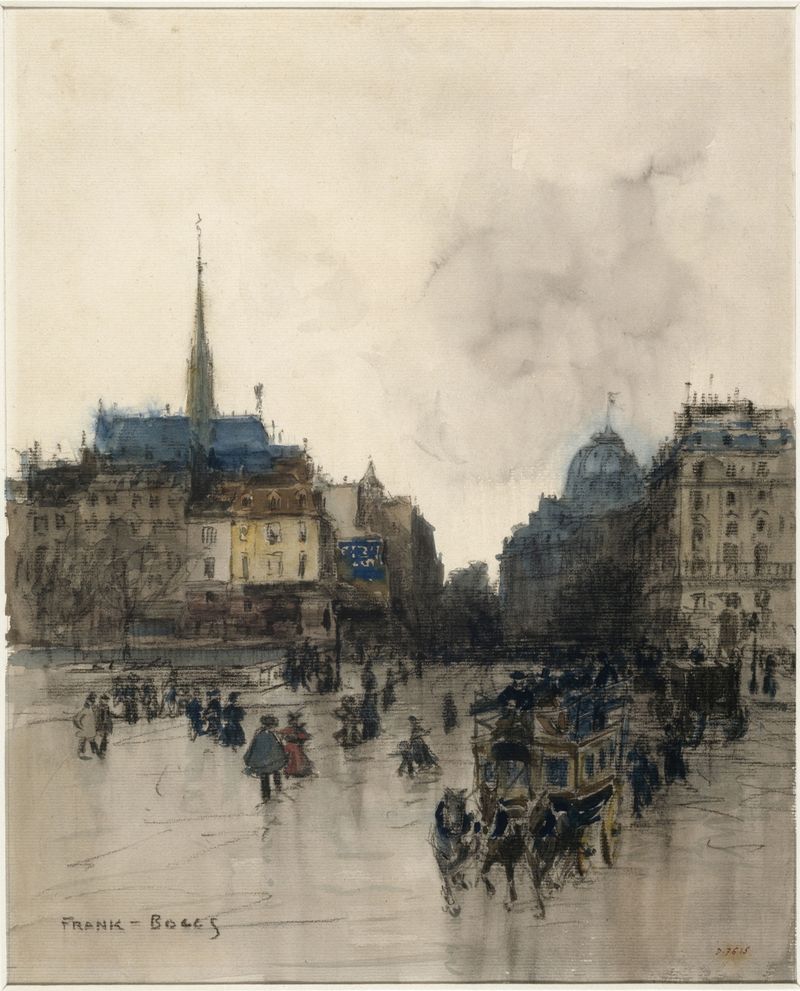
Le pont Saint-Michel
Frank Myers Boggs
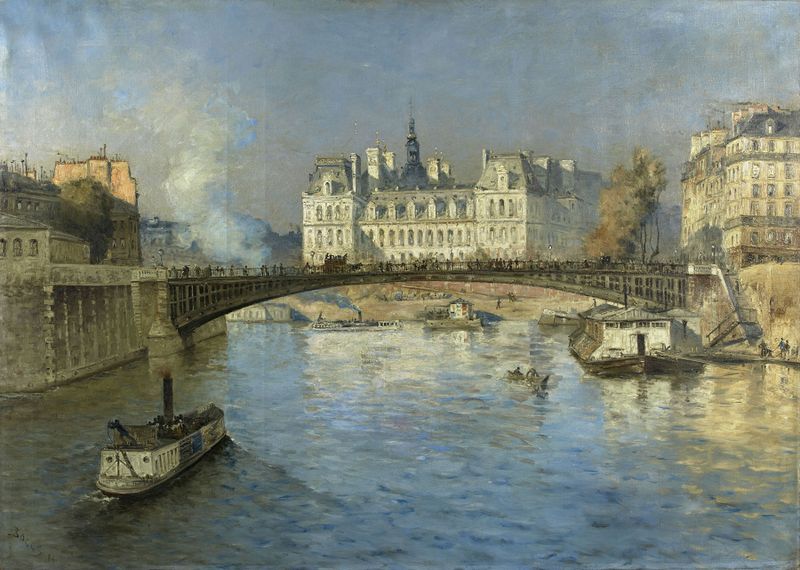
Paris, la Seine et l’Hôtel de Ville
Frank Myers Boggs
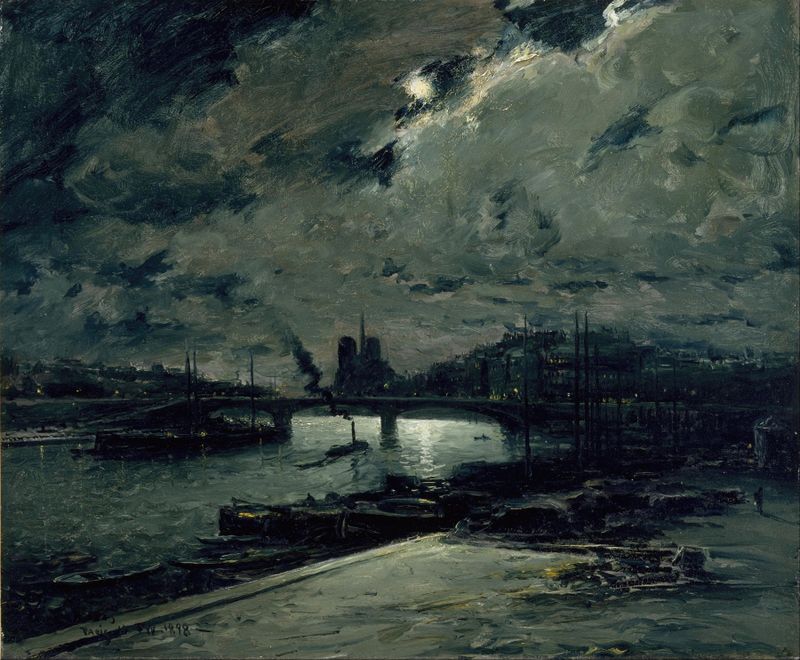
Quai de la Seine, Paris, au Clair de Lune
Frank Myers Boggs
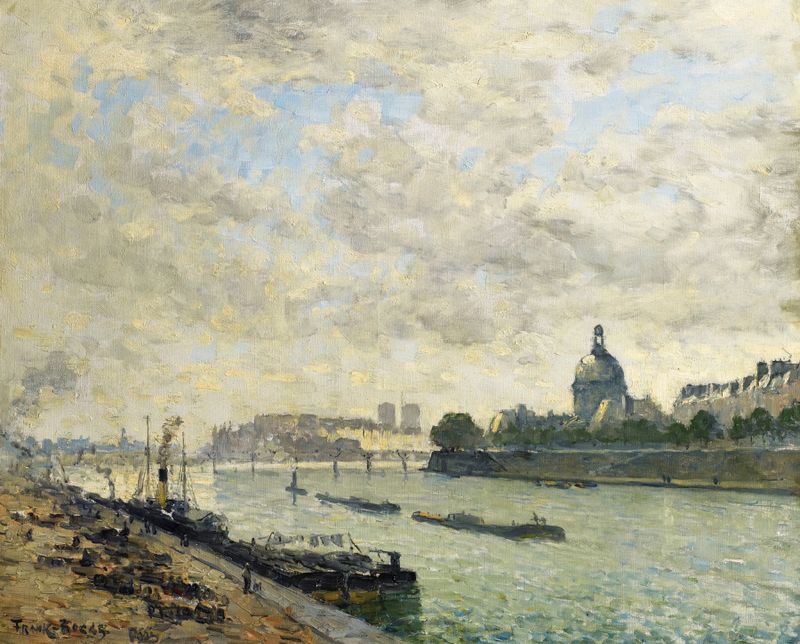
Les quais de Seine à Paris
Frank Myers Boggs
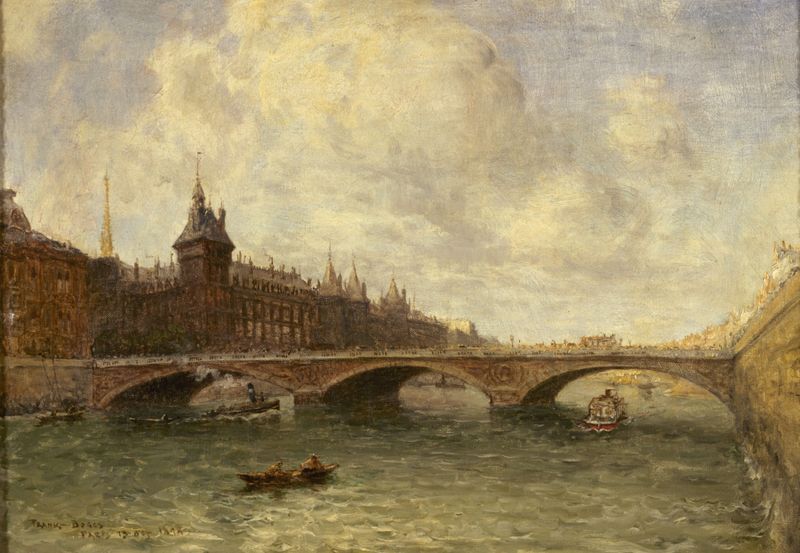
Le pont au change et le quai de l’horloge
Frank Myers Boggs
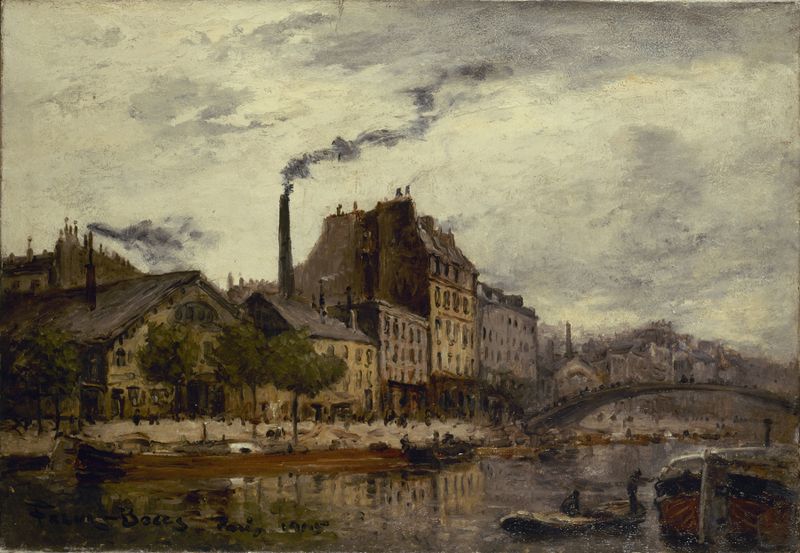
La démolition de l’ancien pont de la Tournelle
Frank Myers Boggs
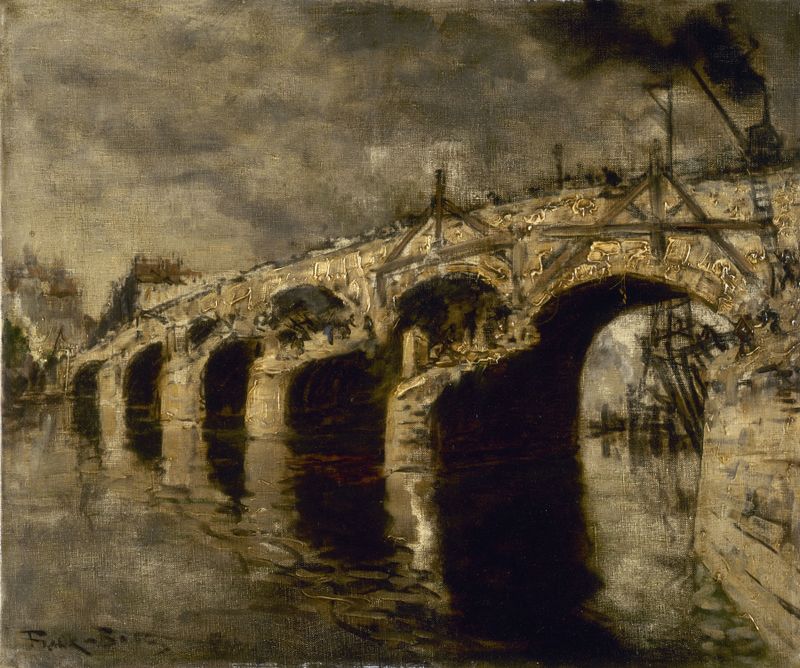
La démolition de l’ancien pont de la Tournelle
Frank Myers Boggs
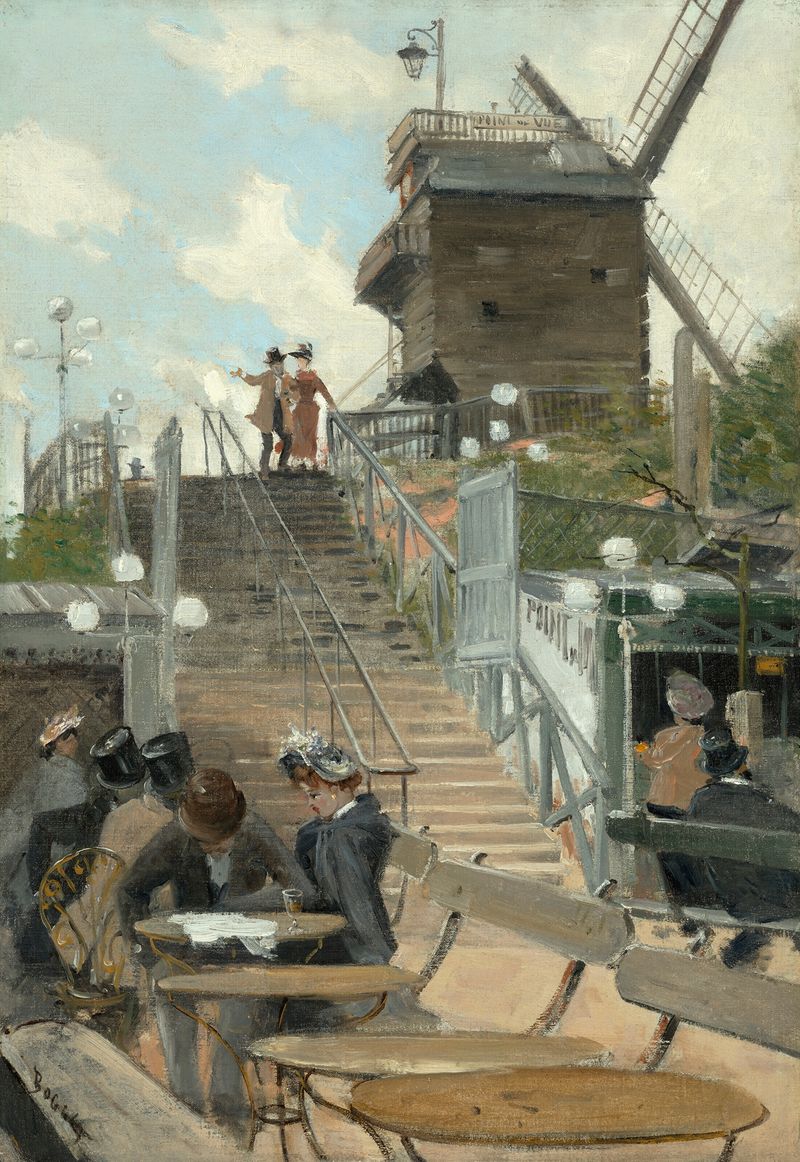
Le Moulin de la Galette
Frank Myers Boggs
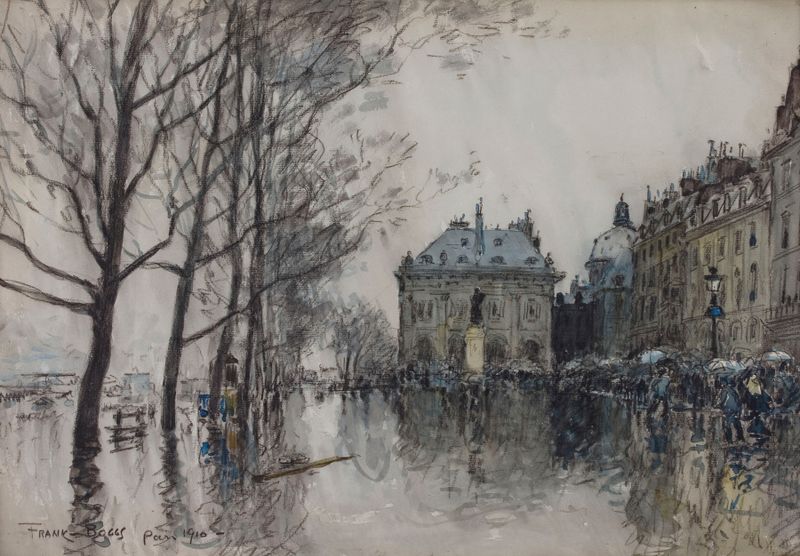
Le quai Malaquais
Frank Myers Boggs
More Architecture Art
Browse all →
The statue of Liberty
Frédéric Auguste Bartholdi

View of Houses in Delft, Known as ‘The Little Street’
Johannes Vermeer

View of Houses in Delft, Known as ‘The Little Street’
Johannes Vermeer

The Cathedral in Rouen. The portal, Grey Weather
Claude Monet

The yellow house
Vincent van Gogh

The Church in Auvers-sur-Oise, View from the Chevet
Vincent van Gogh