
Eisenhammer in Gutenstein — History & Facts
In the quiet introspection of the 19th century, a solitary dream unfolds upon the canvas, beckoning the viewer to step into a realm where reality and imagination intertwine. Look closely at the center of the composition, where the towering Eisenhammer stands proud against a backdrop of muted greens and grays. The forge’s stone and steel mesh seamlessly into the landscape, while wisps of smoke curl languidly towards a sky that seems both inviting and ominous. The light spills softly across the scene, illuminating the figures surrounding the anvil, their focused expressions conveying a sense of purpose and labor, capturing the essence of creation itself. Hidden within the details lies a poignant contrast between the industriousness of the workers and the dreamlike quality of their surroundings.
Notice how the figures, though engaged in diligent work, appear almost ethereal, suggesting that their toil transcends mere survival; it becomes a part of a larger narrative of aspiration and artistry. The interplay of shadow and light evokes a sense of time suspended, as if the act of creation is both a moment of struggle and a glimpse into the sublime. Matthias Rudolf Toma created this piece in 1832, during a time when industrialization was reshaping society and the art world was experiencing significant transformations. Working in the heart of Europe, Toma was influenced by Romanticism, emphasizing emotion and nature while reflecting on the rapidly changing human experience.
This painting captures not just a scene but the profound connection between man, machine, and the dreams that fuel both.
More Artworks by Matthias Rudolf Toma
Browse all →
Blick auf Wien vom Krapfenwaldl
Matthias Rudolf Toma
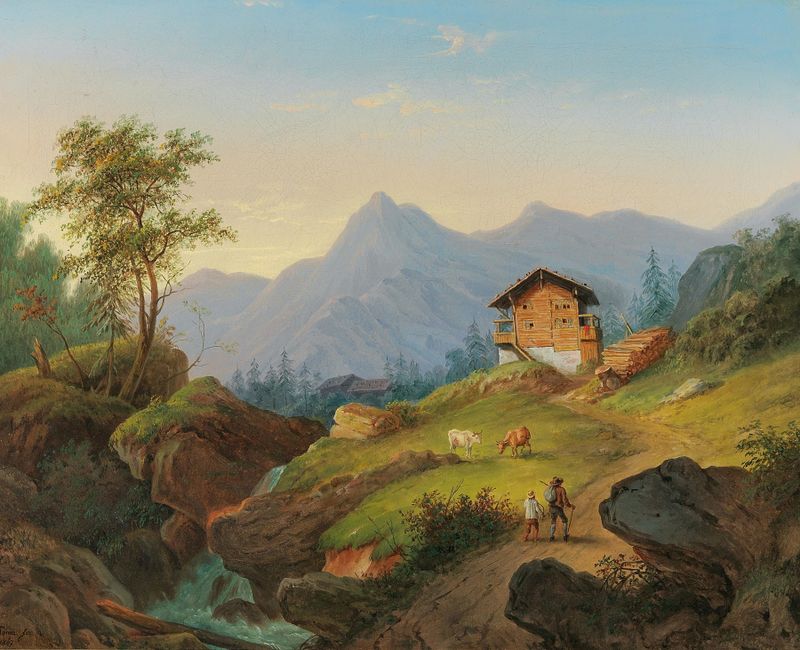
Gebirgslandschaft mit Wanderern
Matthias Rudolf Toma

Partie aus dem Prater mit fischenden Knaben
Matthias Rudolf Toma
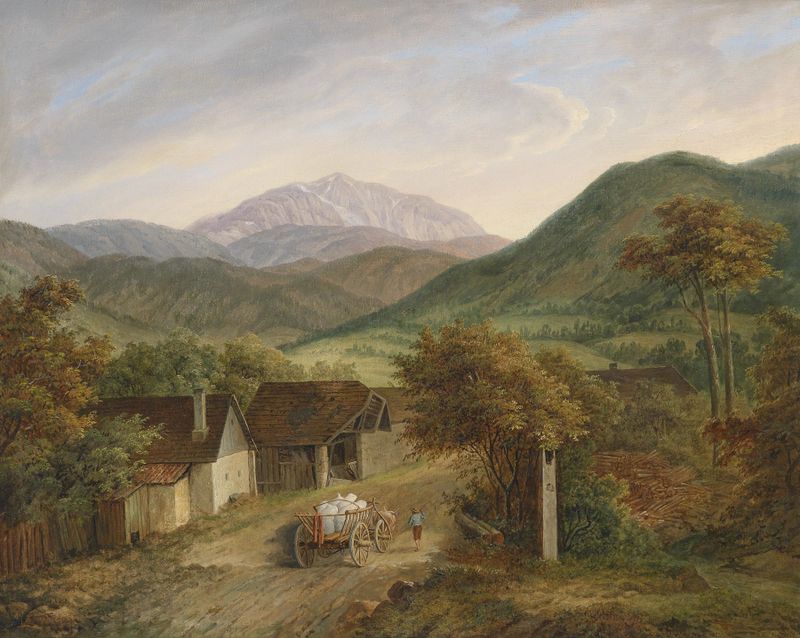
Blick auf den Schneeberg
Matthias Rudolf Toma

Mühle bei Schottwien
Matthias Rudolf Toma
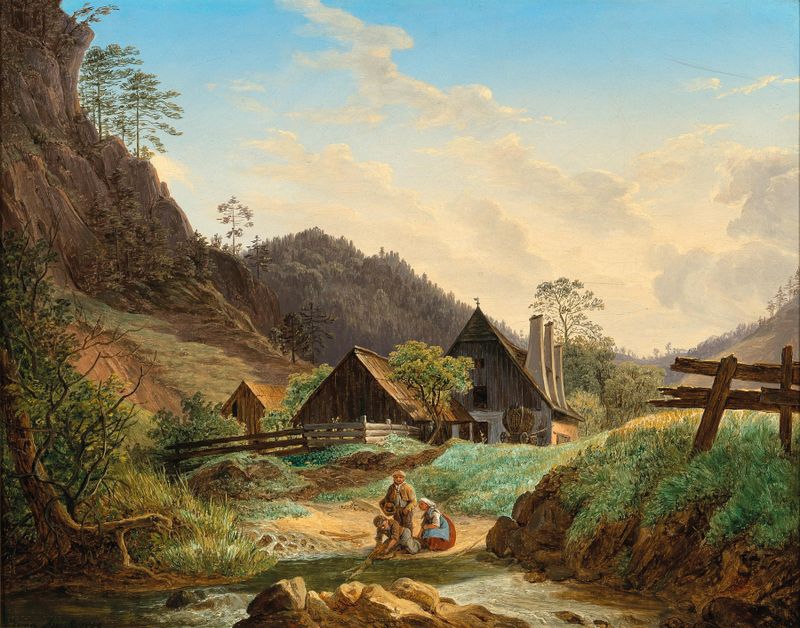
By a Mountain Creek
Matthias Rudolf Toma

Felsenpartie bei Schottwien
Matthias Rudolf Toma
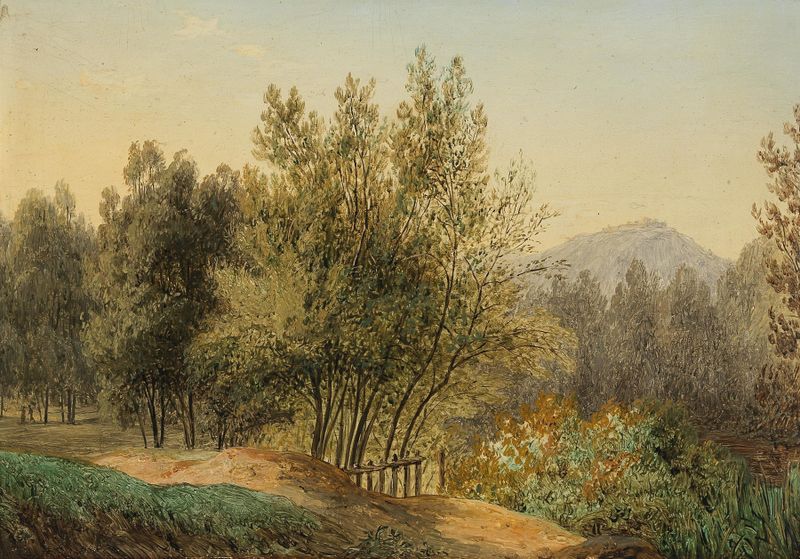
Landscape
Matthias Rudolf Toma
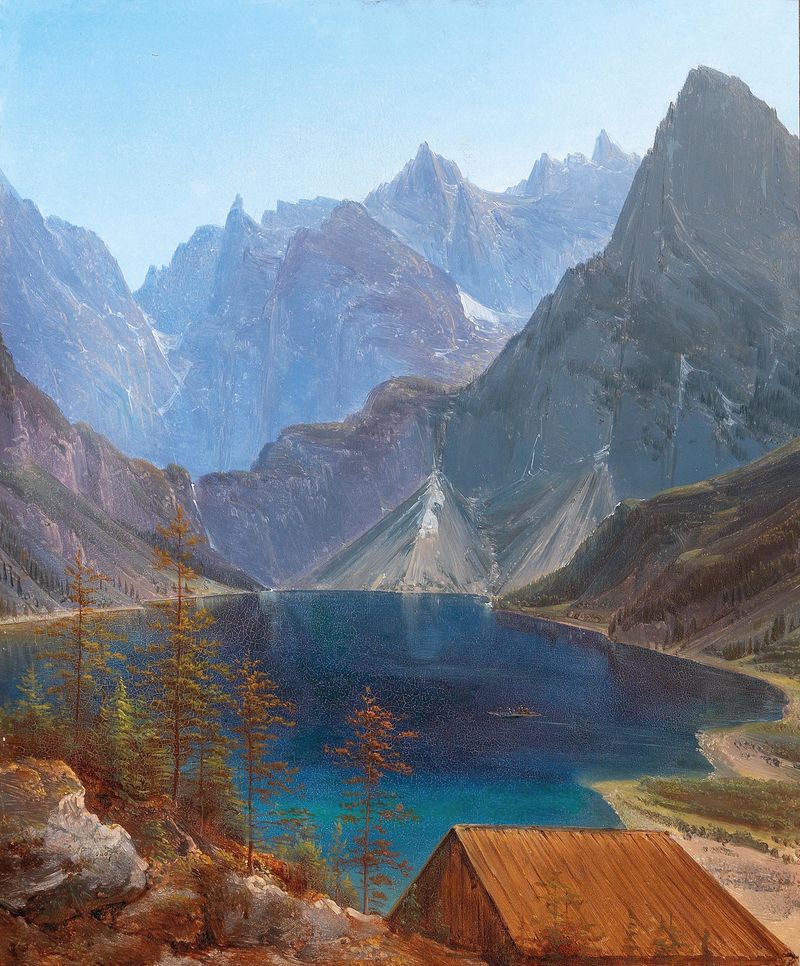
Mountain Lake
Matthias Rudolf Toma
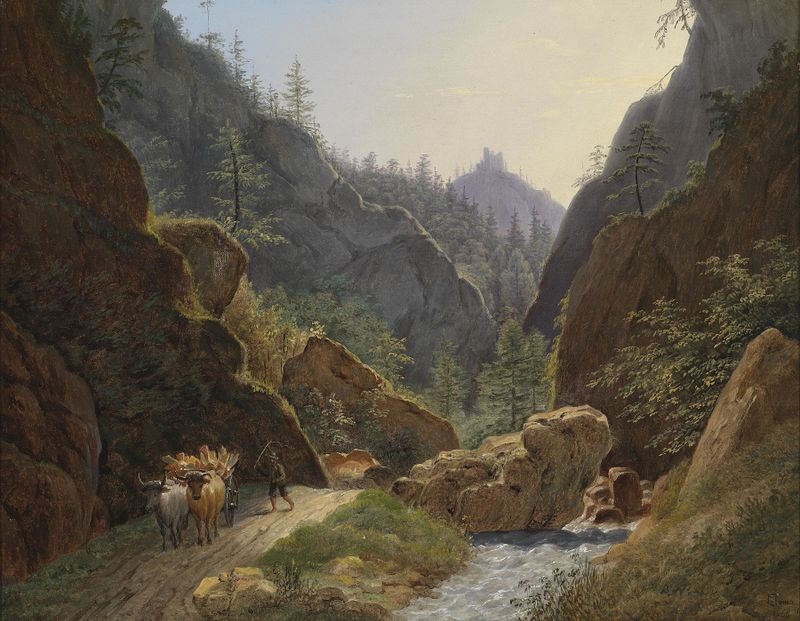
Bauer mit Ochsengespann bei Schottwien
Matthias Rudolf Toma





