
Ejiri — History & Facts
When did color learn to lie? In Utagawa Hiroshige's Ejiri, the vibrant hues speak of beauty while concealing the tumult of nature’s chaos, hinting at the madness beneath tranquility. Look to the foreground where a serene river winds its way through the landscape. The delicate strokes of blue and green create a shimmering reflection that invites the viewer into a world both alluring and deceptive. Notice how the vibrant colors of the sky transition from soft pastels to deeper blues, subtly suggesting the encroachment of storm clouds.
In the distance, the silhouette of Mount Fuji looms, dominating the horizon, its grandeur contrasting with the tranquil scene, as if nature itself is caught in a quiet battle between serenity and fury. As you explore the composition, consider the tension between the idyllic portrayal of the countryside and the underlying threat of impending weather. The juxtaposition of the tranquil riverbanks and the dramatic sky evokes a sense of foreboding. Each element, from the swaying trees to the distant peaks, plays a role in illustrating a delicate balance between peace and the madness of nature's unpredictable temperament. Hiroshige painted Ejiri between 1841 and 1842 during a period when landscape art was evolving in Japan.
The artist was part of the ukiyo-e movement, which sought to capture the beauty of the transient world. At this time, he was gaining recognition for his innovative use of color and composition, responding to both the natural world and the complexities of urban life in Edo, now Tokyo. This work exemplifies his mastery in conveying profound emotional depth through the seemingly simple beauty of nature.
More Artworks by Utagawa Hiroshige
Browse all →
Sudden Shower over Shin Ohashi Bridge and Atake (Ohashi Atake no yudachi), from the series "One Hundred Famous Views of Edo (Meisho Edo hyakkei)"
Utagawa Hiroshige
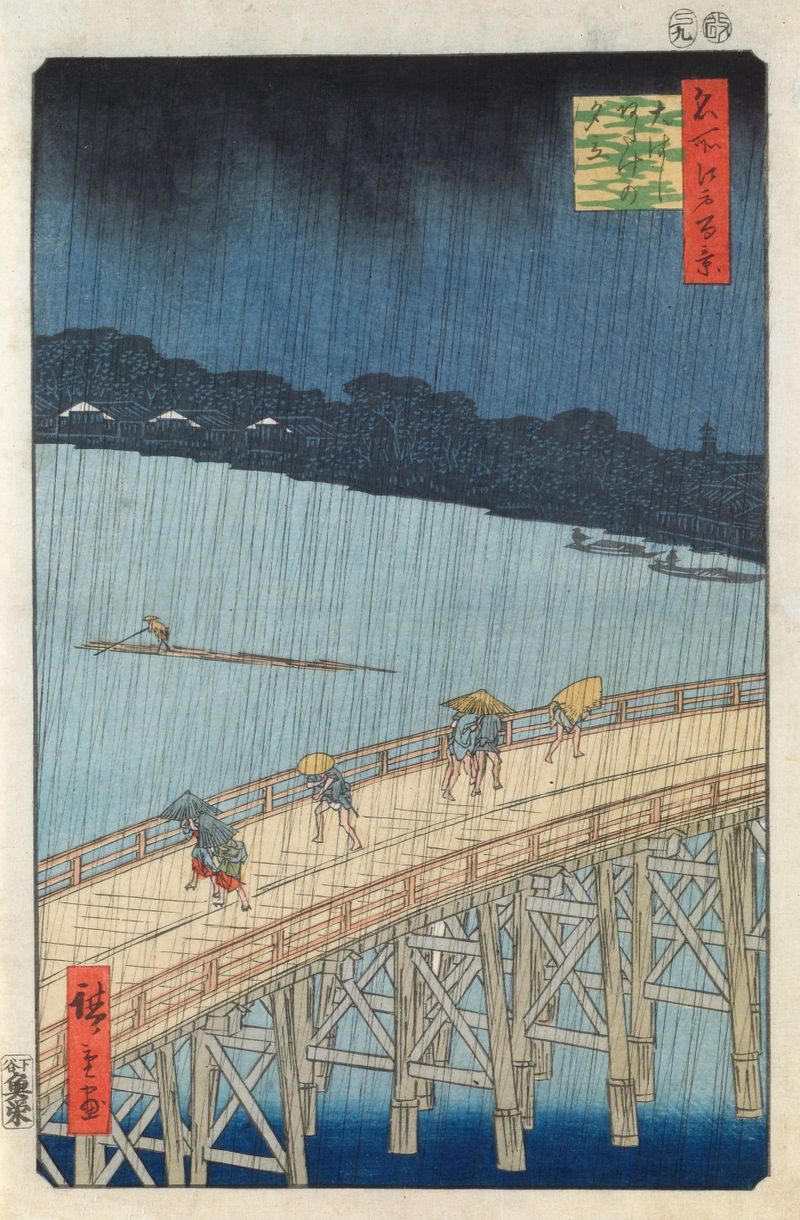
Sudden Shower Over Ohashi Bridge and Atake
Utagawa Hiroshige
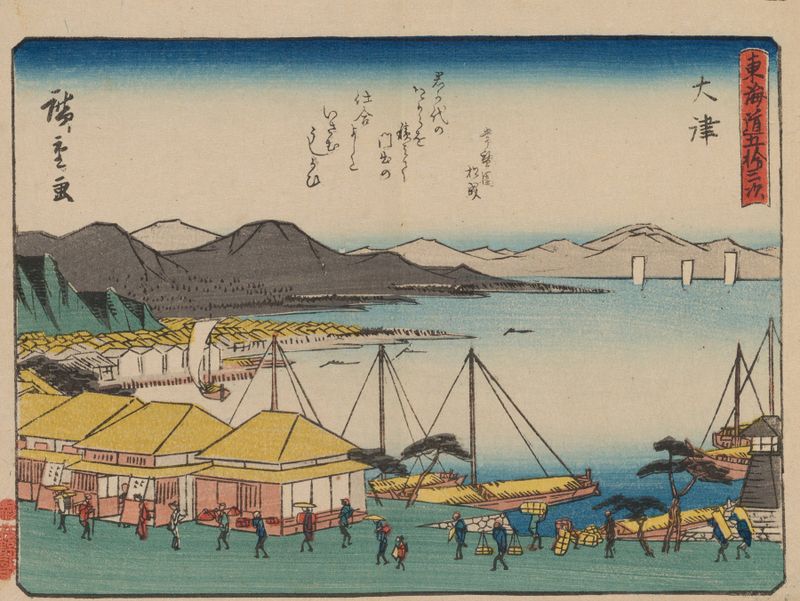
Tokaido gojusantsugi, Pl.54
Utagawa Hiroshige
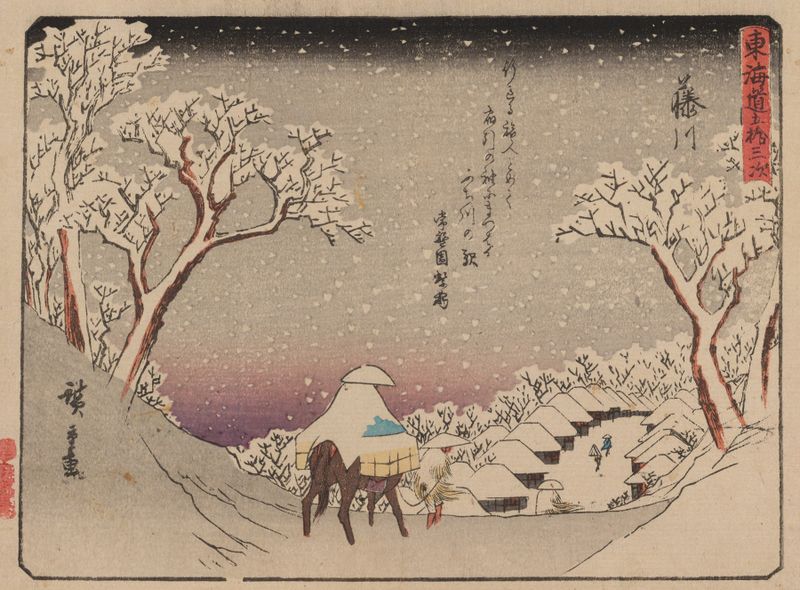
Tokaido gojusantsugi, Pl.38
Utagawa Hiroshige
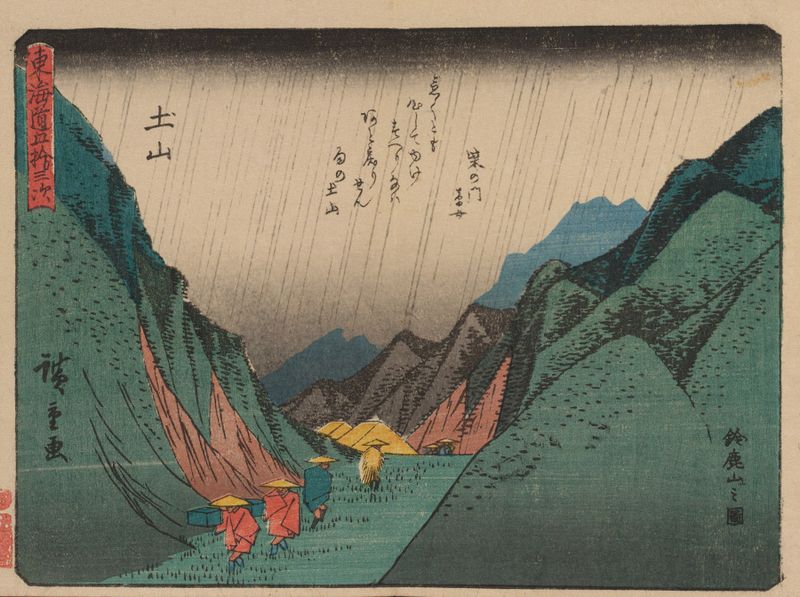
Tokaido gojusantsugi, Pl.50
Utagawa Hiroshige
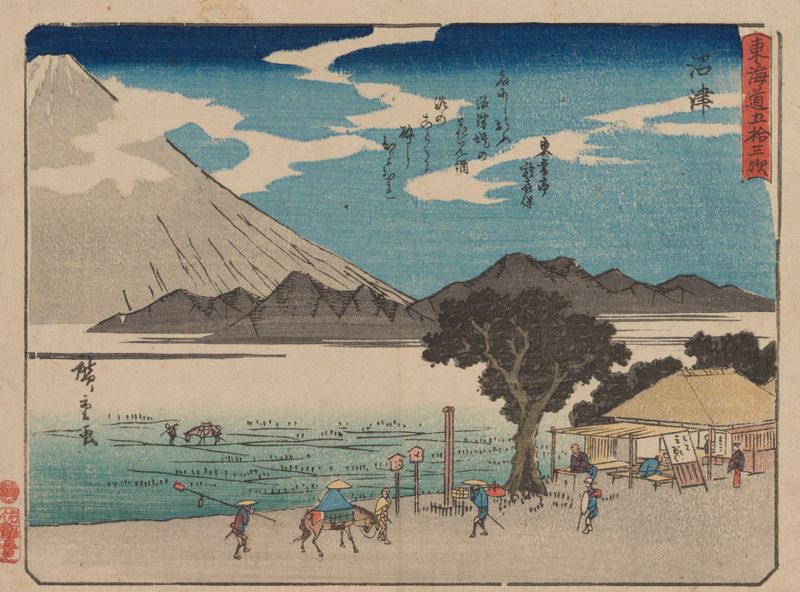
Tokaido gojusantsugi, Pl.13
Utagawa Hiroshige
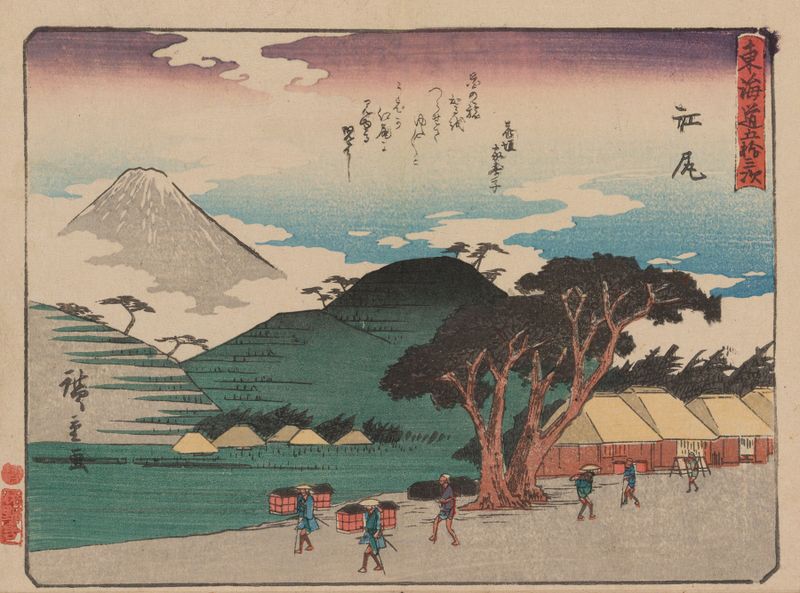
Tokaido gojusantsugi, Pl.19
Utagawa Hiroshige
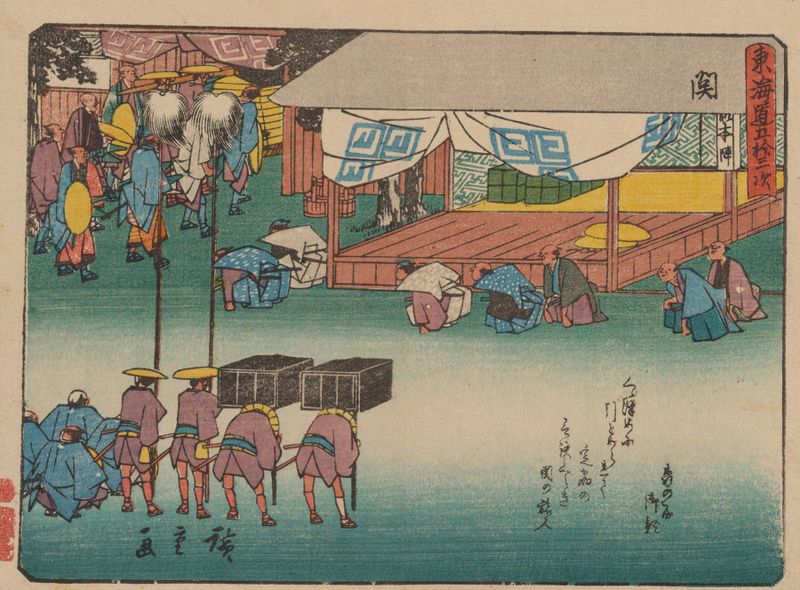
Tokaido gojusantsugi, Pl.48
Utagawa Hiroshige
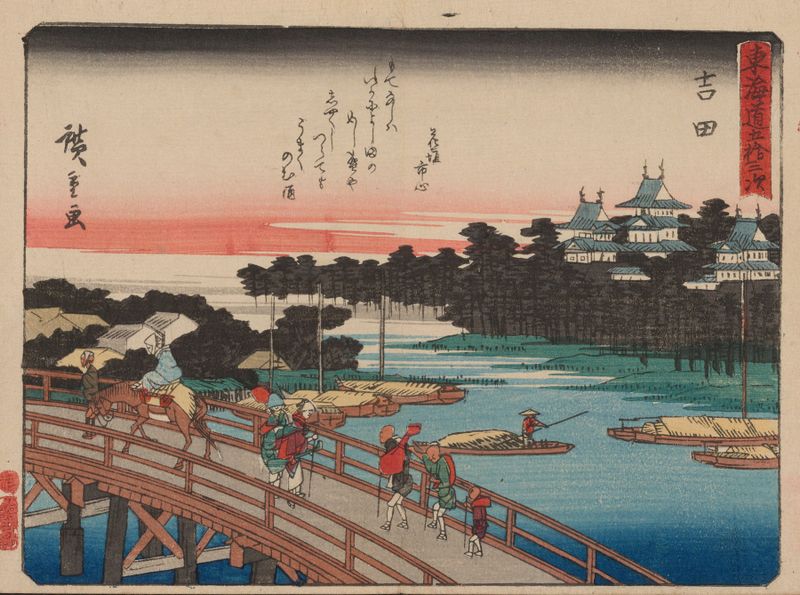
Tokaido gojusantsugi, Pl.35
Utagawa Hiroshige
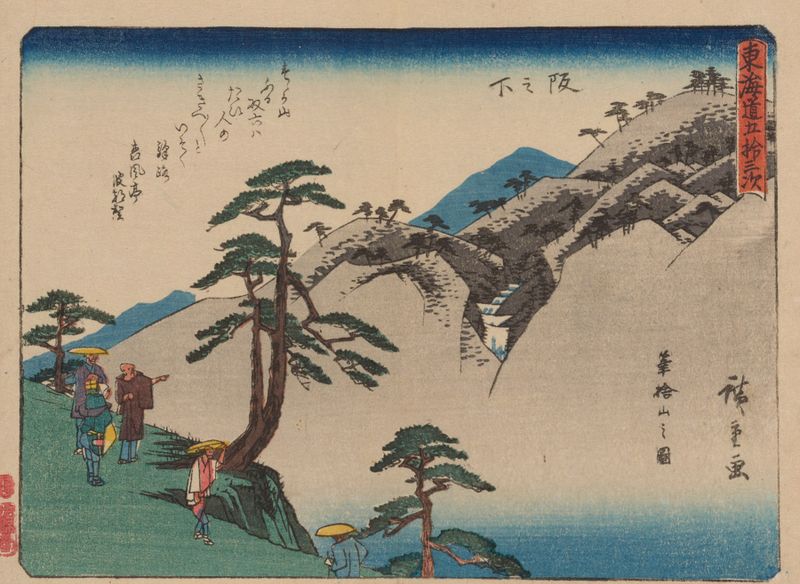
Tokaido gojusantsugi, Pl.49
Utagawa Hiroshige





