
Elaine or The Lily Maid of Astolat — History & Facts
What first seizes the eye here is the spell of stillness: a young woman, pale as ivory and crowned with a tumble of golden hair, lies atop a funereal barge, her hands folded around a lily. The boat’s carved prow, shaped like a dragon’s head, juts out toward the viewer, while a single oarsman bows his head in silent grief. The lush, dark woods press close around the water, their reflection broken only by the slow passage of the vessel.
Light falls gently on the woman’s luminous face and the gold-embroidered cloth that covers her, drawing the gaze again and again to the contrast between her lifeless calm and the world’s quiet abundance. The pink banner, faded and tattered, signals a story of lost nobility, while the lilies in her hand and the stillness of the water speak of ritual and farewell. Painted in 1870, Elaine or The Lily Maid of Astolat by Sophie Anderson belongs to a moment when Victorian artists were captivated by the legends of Arthurian romance and the melancholy beauty of tragic heroines. Such works, often commissioned for private homes or literary salons, offered their viewers a chance to linger over ideals of chivalry, doomed love, and the picturesque medieval past.
Anderson, known for her meticulous technique and rich color, here aligns herself with a broader nineteenth-century fascination for narrative painting—where every detail, from the embroidery to the oarsman’s posture, is chosen to deepen the emotional spell. History has kept few traces of this particular painting’s journey, but its presence in the Art Renewal Center’s collection today invites us to look again at the Victorian imagination, and to lose ourselves in the silent drama unfolding on the water.
More Artworks by Sophie Anderson

Elaine
Sophie Anderson
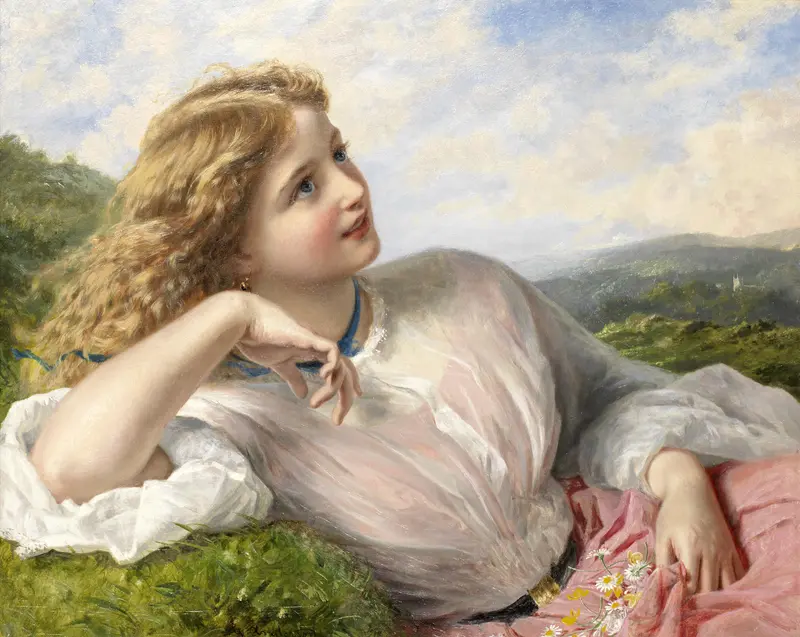
The song of the lark
Sophie Anderson
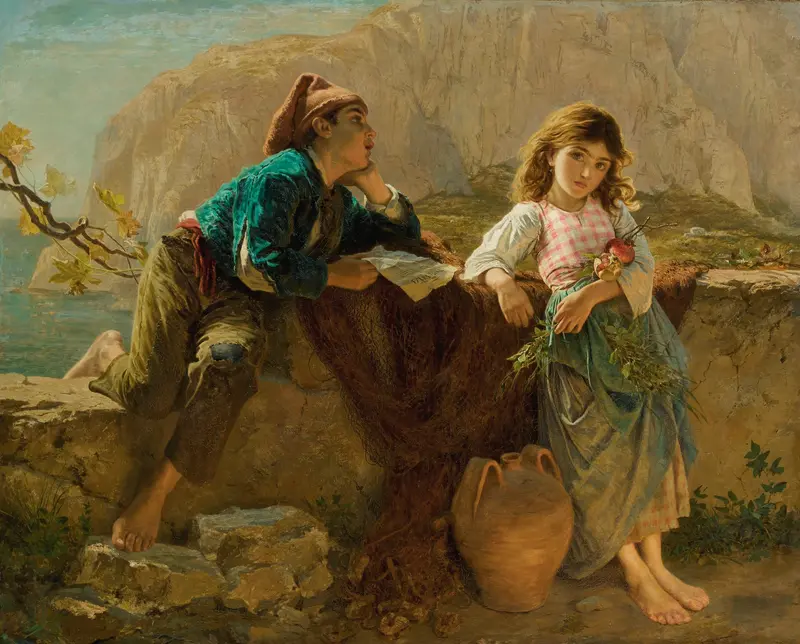
Fisherman’s children, Capri
Sophie Anderson
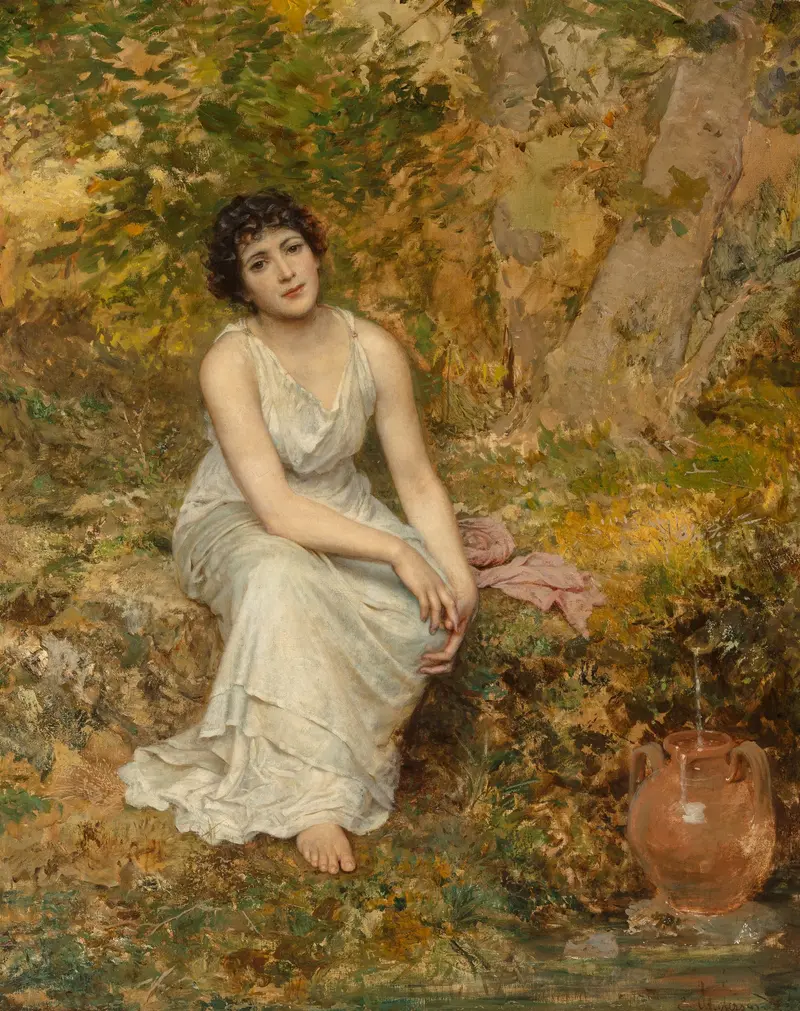
At the well
Sophie Anderson
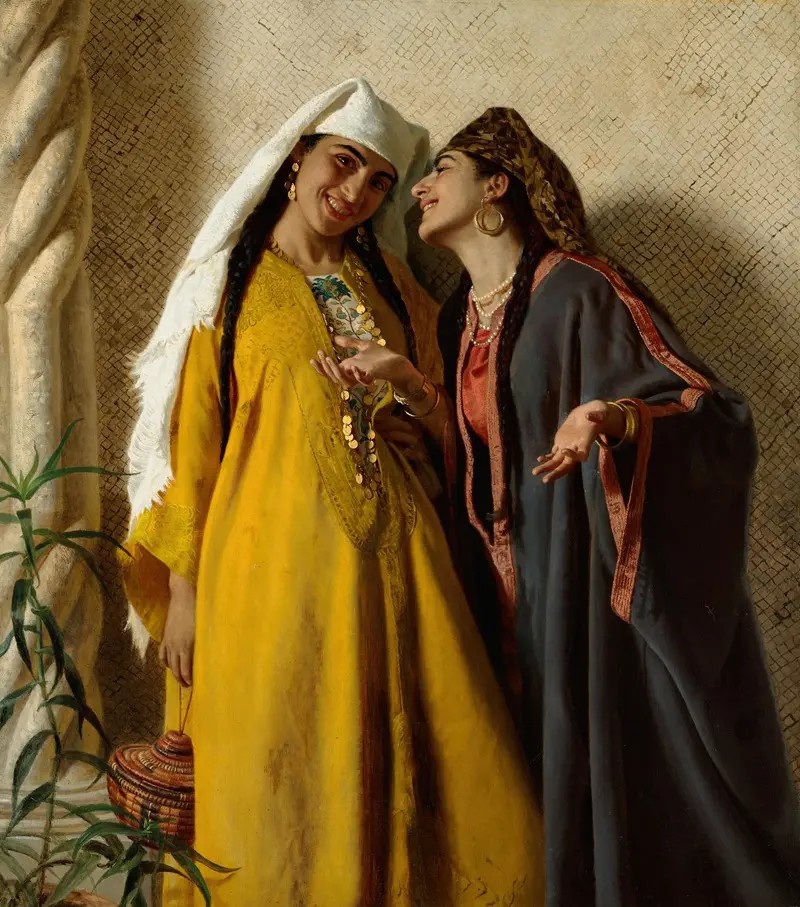
Scandal in the harem
Sophie Anderson
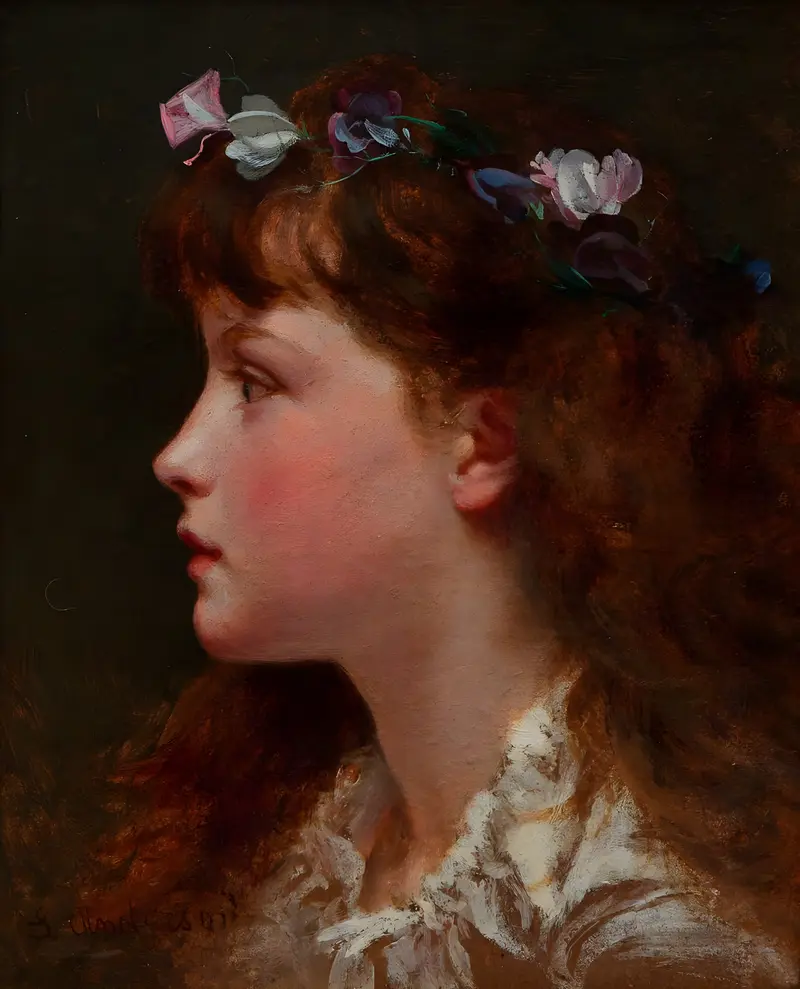
A young girl with a garland of flowers in her hair
Sophie Anderson
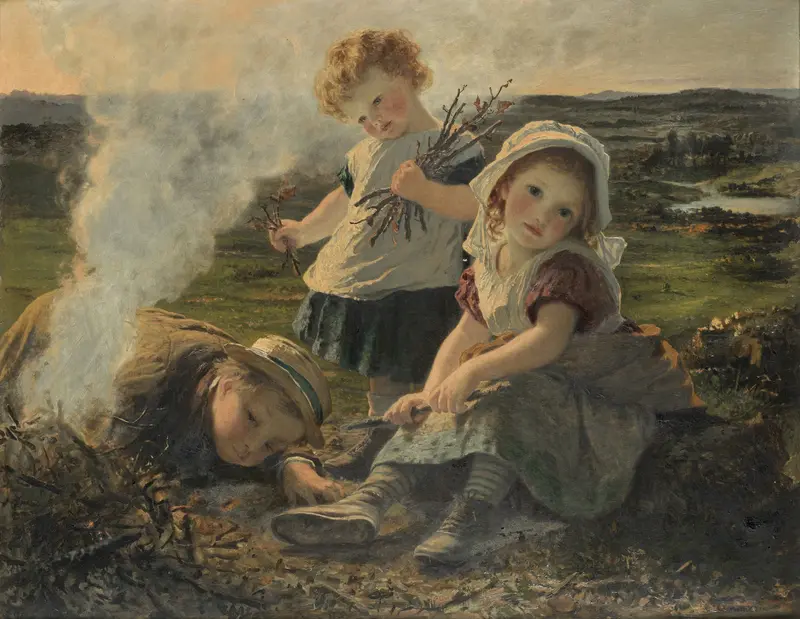
The Bonfire
Sophie Anderson
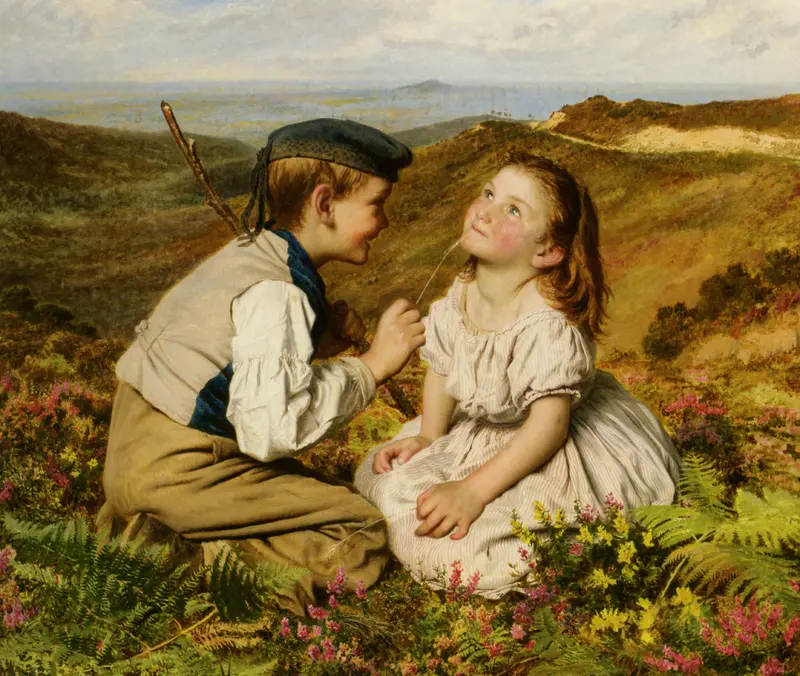
It’s Touch And Go, To Laugh Or No
Sophie Anderson
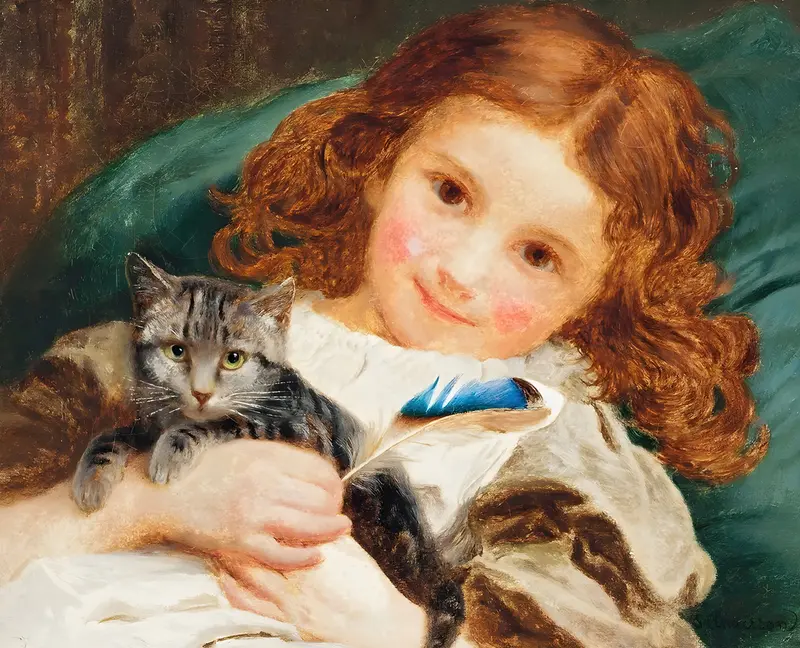
Best Friends
Sophie Anderson
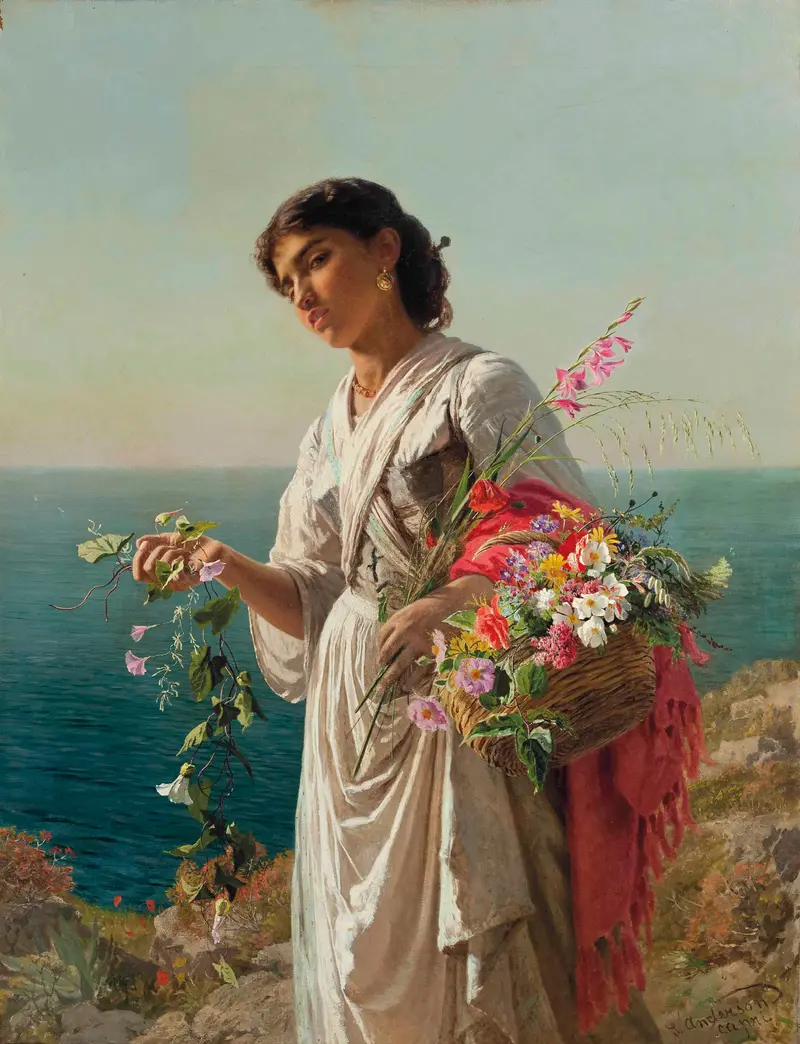
The Flower Girl, Capri
Sophie Anderson



