
Emonzaka — History & Facts
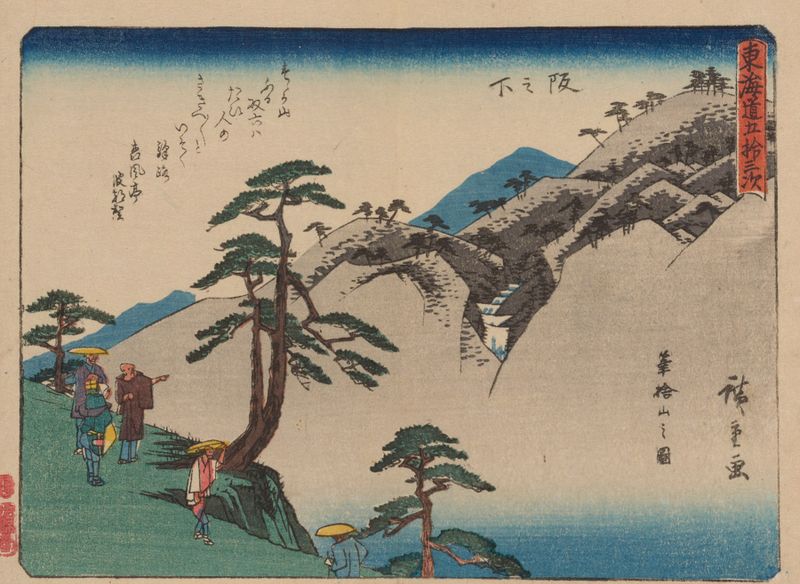
Did the painter know this moment would outlive them? In the haunting beauty of Emonzaka, silence speaks volumes, inviting contemplation on the nature of transience and emptiness. Focus on the serene landscape unfolding before you. Notice how the delicate lines draw your gaze to the undulating hills, where soft hues of blue and green create a tranquil harmony. The clouds hover gently above, their wispy forms allowing light to filter through, casting a dreamlike glow on the scene.
This subtle interplay of color and form elicits a sense of peace yet evokes a lingering feeling of solitude, as if time itself has paused to reflect. Delve deeper into the emotional tensions nestled within the artwork. The empty pathways winding through the hills seem to beckon yet simultaneously evoke a sense of isolation. The carefully rendered figures, seemingly lost in their own thoughts, amplify the theme of personal introspection against the vast landscape.
This tension between the bustling life of the human spirit and the vast desolation of nature speaks to the universal struggle for meaning amidst emptiness. In 1862, Utagawa Hiroshige painted this piece during the Edo period, a time when the world was rapidly changing yet still tethered to traditional aesthetics. Situated in Japan, he was at the height of his career, exploring the delicate balance between nature and humanity. This work reflects not just his mastery of woodblock printing but also a profound engagement with the philosophical inquiries of his time, capturing fleeting moments that resonate deeply with the essence of existence itself.
More Artworks by Utagawa Hiroshige
Browse all →
Sudden Shower over Shin Ohashi Bridge and Atake (Ohashi Atake no yudachi), from the series "One Hundred Famous Views of Edo (Meisho Edo hyakkei)"
Utagawa Hiroshige
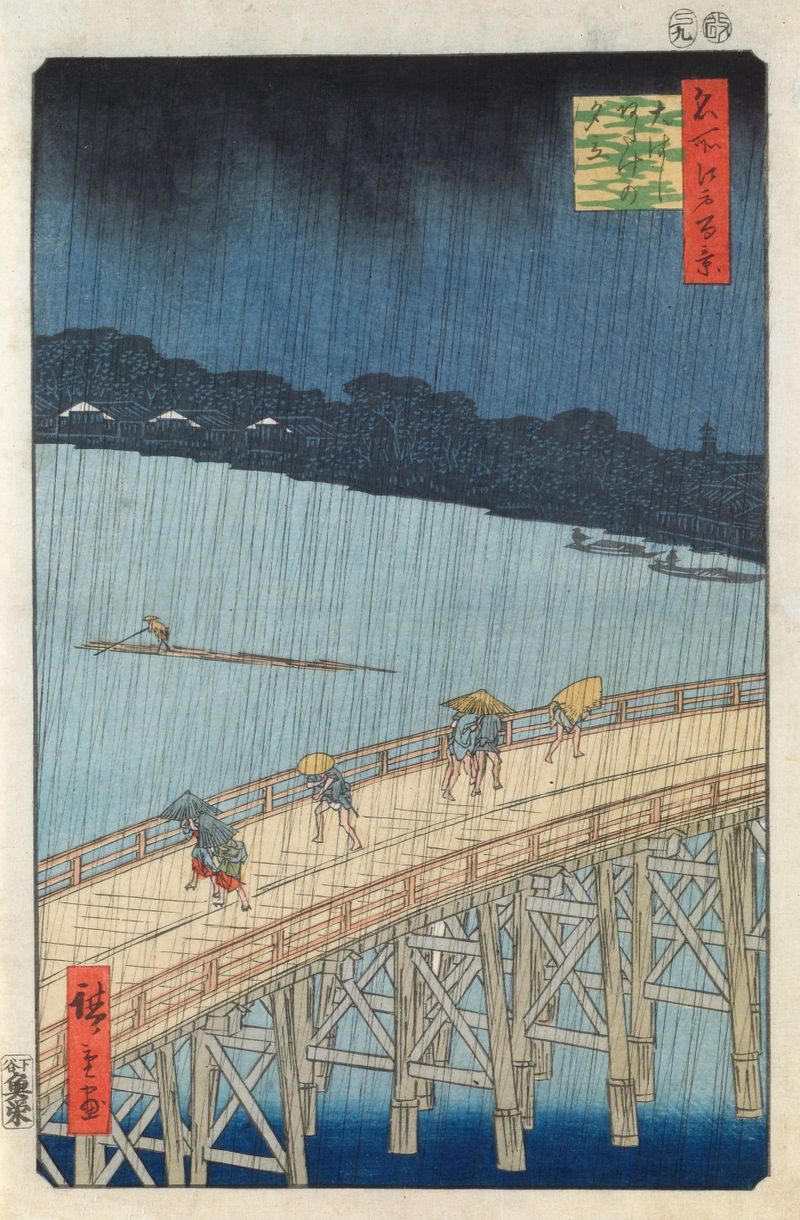
Sudden Shower Over Ohashi Bridge and Atake
Utagawa Hiroshige
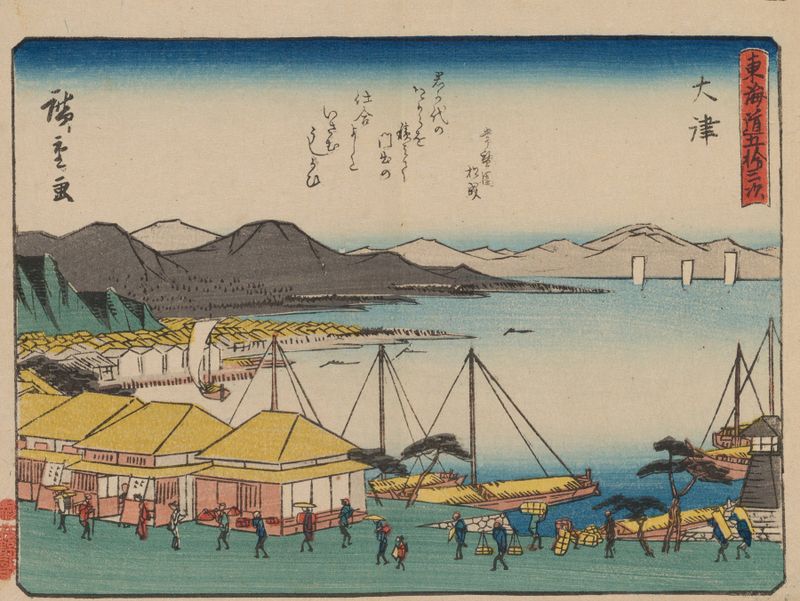
Tokaido gojusantsugi, Pl.54
Utagawa Hiroshige
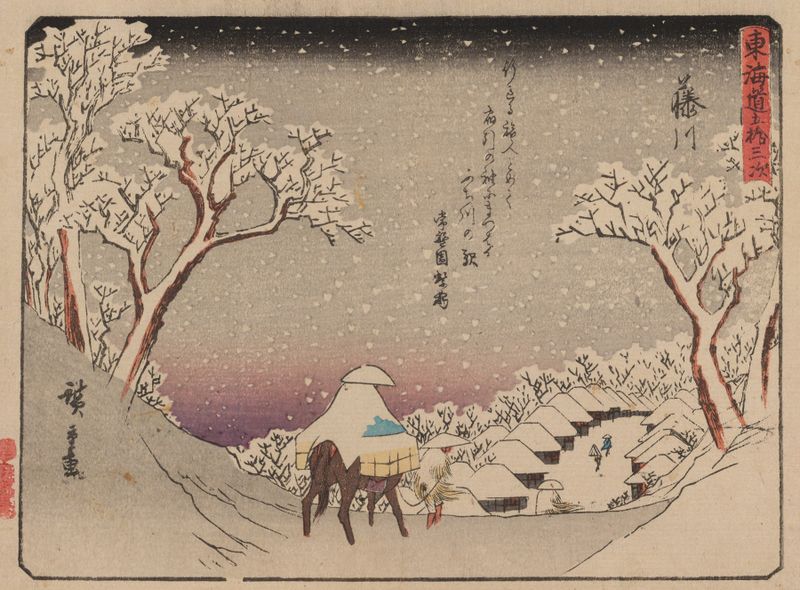
Tokaido gojusantsugi, Pl.38
Utagawa Hiroshige
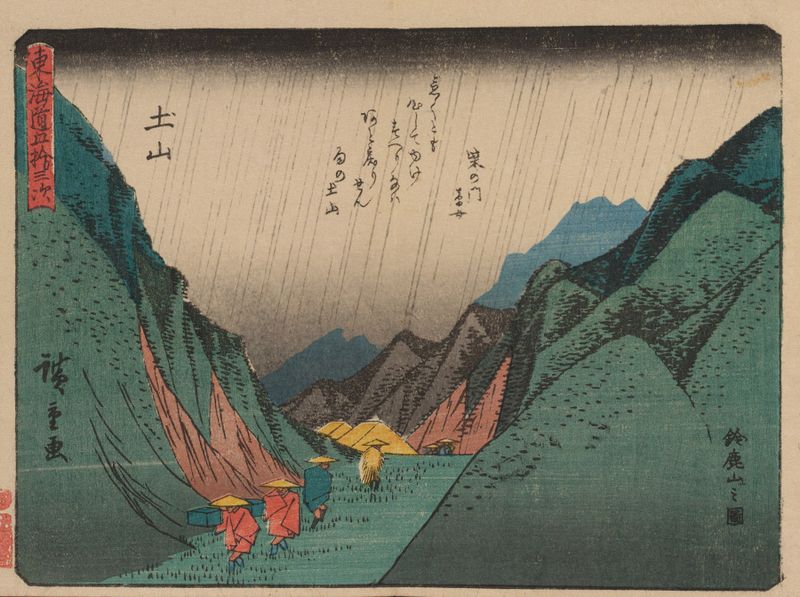
Tokaido gojusantsugi, Pl.50
Utagawa Hiroshige
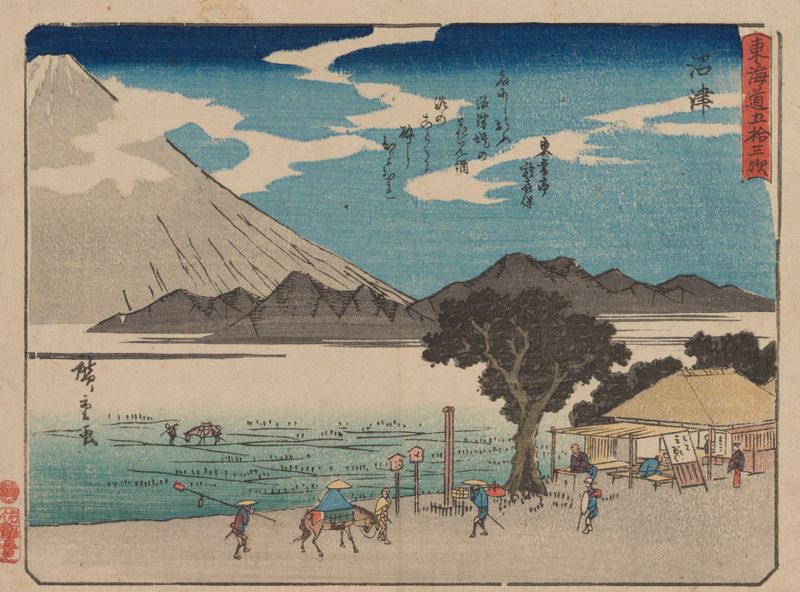
Tokaido gojusantsugi, Pl.13
Utagawa Hiroshige
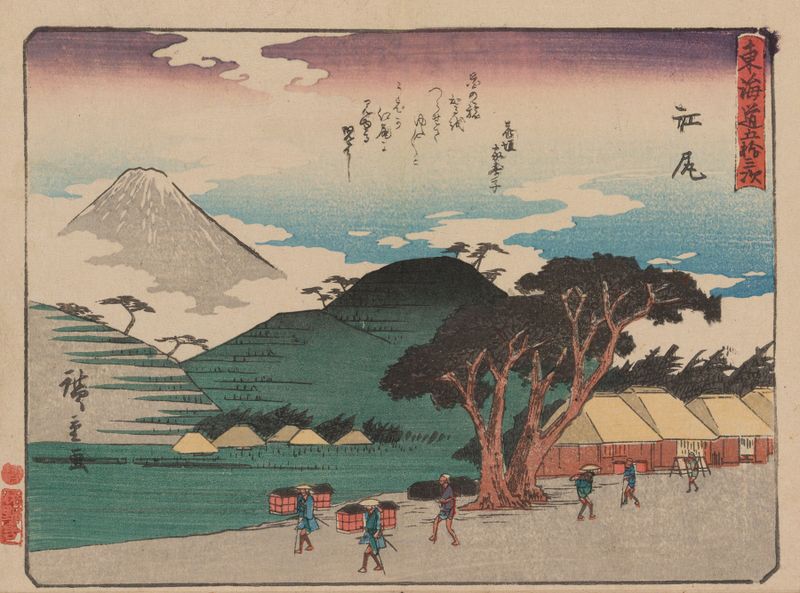
Tokaido gojusantsugi, Pl.19
Utagawa Hiroshige
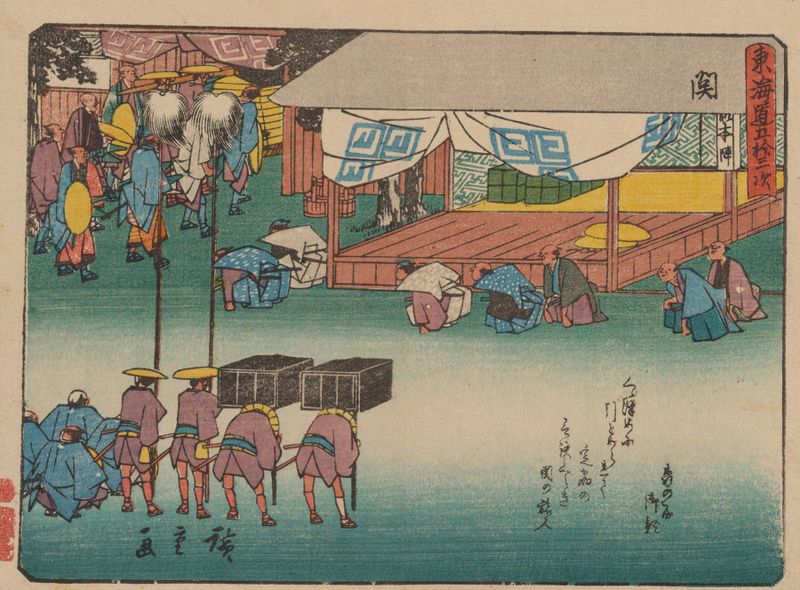
Tokaido gojusantsugi, Pl.48
Utagawa Hiroshige
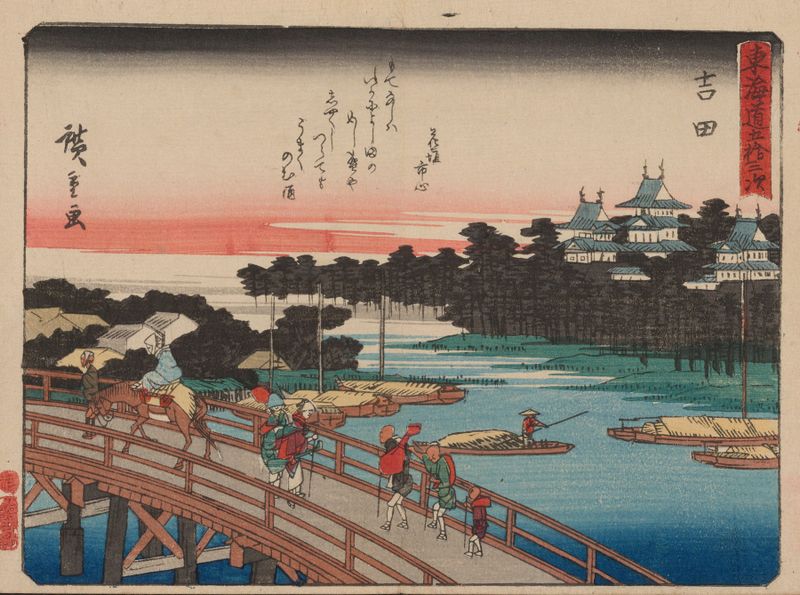
Tokaido gojusantsugi, Pl.35
Utagawa Hiroshige
Tokaido gojusantsugi, Pl.49
Utagawa Hiroshige





