
Empress Eugénie — History & Facts
In Empress Eugénie, Franz Xaver Winterhalter depicts the Empress in a lavish gown adorned with intricate details. The colors are rich, featuring deep reds and golds that reflect her royal status. The background is softly blurred, focusing attention on her elegant figure and poised expression.
Winterhalter's use of light highlights her features, creating a sense of depth and realism. This painting is an oil on canvas, measuring approximately 100 x 150 cm. The artist employs a detailed technique, capturing the textures of the fabric and the delicate features of the Empress. The composition is balanced, with Eugénie's figure centrally placed, drawing the viewer's gaze.
The brushwork is smooth, contributing to the overall polished appearance of the work. Franz Xaver Winterhalter was known for his portraits of royalty and high society in the 19th century. This particular work, painted around 1855, showcases his ability to convey elegance and status. An interesting fact about this painting is that it was commissioned by Eugénie herself, who was keen on promoting her image as a fashionable and powerful figure in France.
Winterhalter's portraits were highly sought after, making him one of the leading portraitists of his time.
More Artworks by Franz Xaver Winterhalter

Empress Eugenie
Franz Xaver Winterhalter
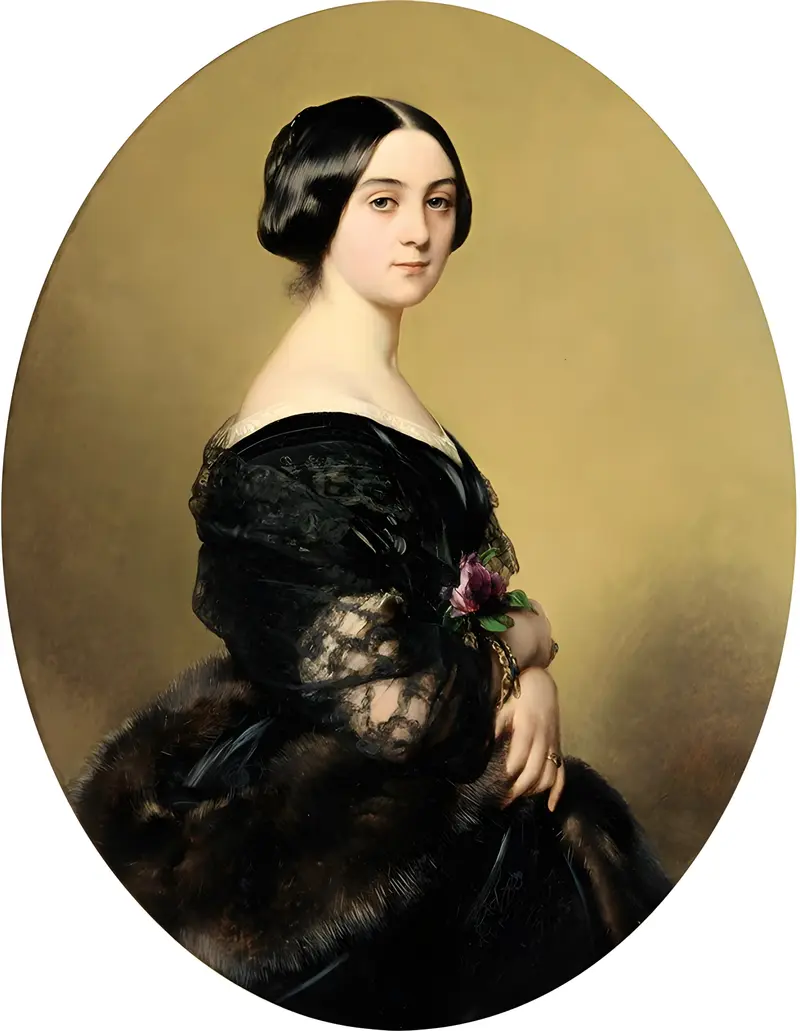
Portrait de la Baronne Henri Hottinguer, née Caroline Delessert
Franz Xaver Winterhalter
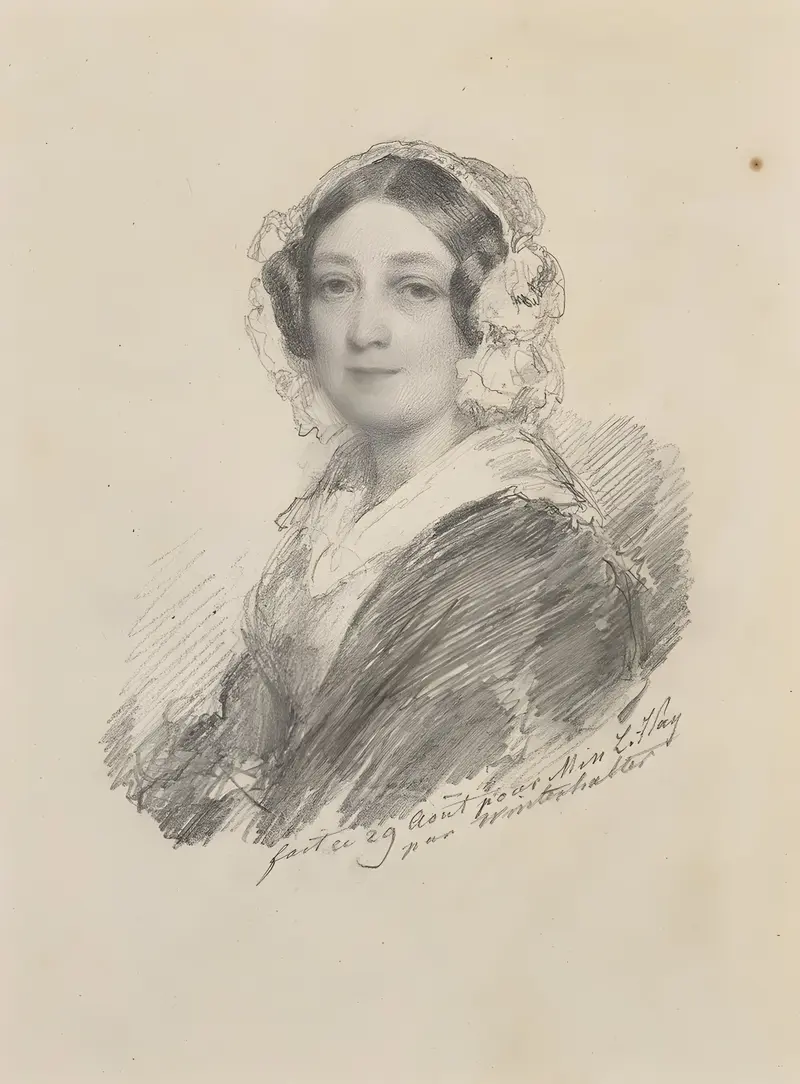
Portrait de Madame Louise Hay, Baronne Gudin
Franz Xaver Winterhalter
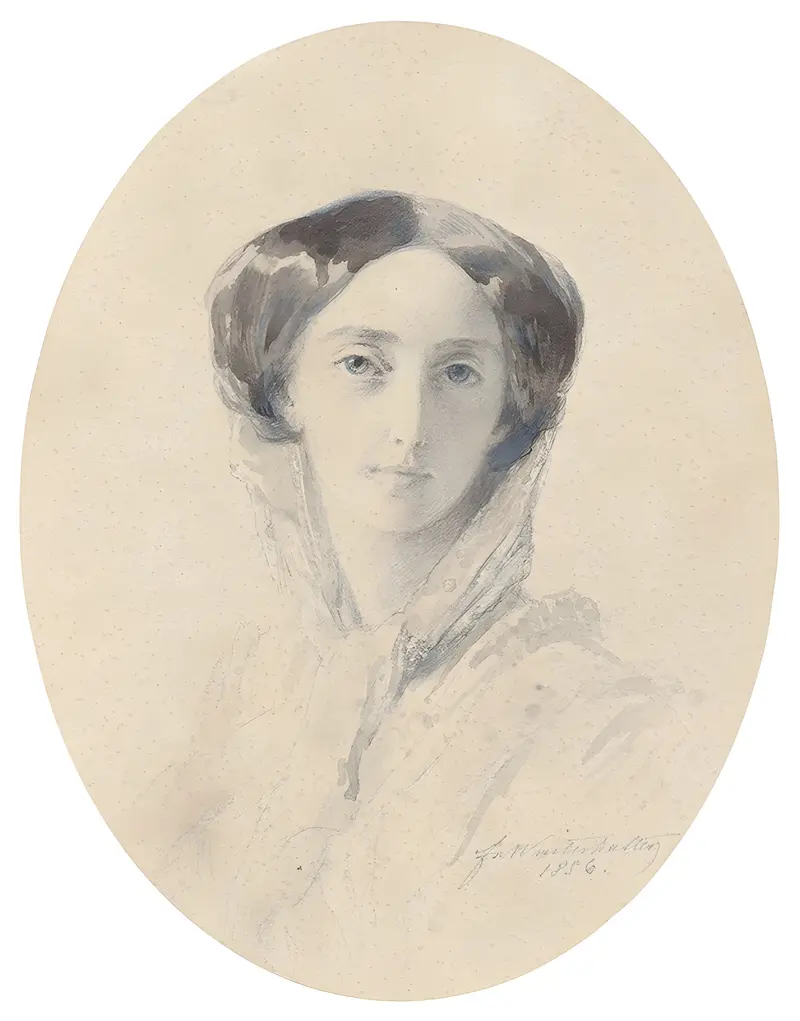
Portrait Of Grand Duchess Olga Nikolaevna, Later Queen Consort Of Württemberg
Franz Xaver Winterhalter
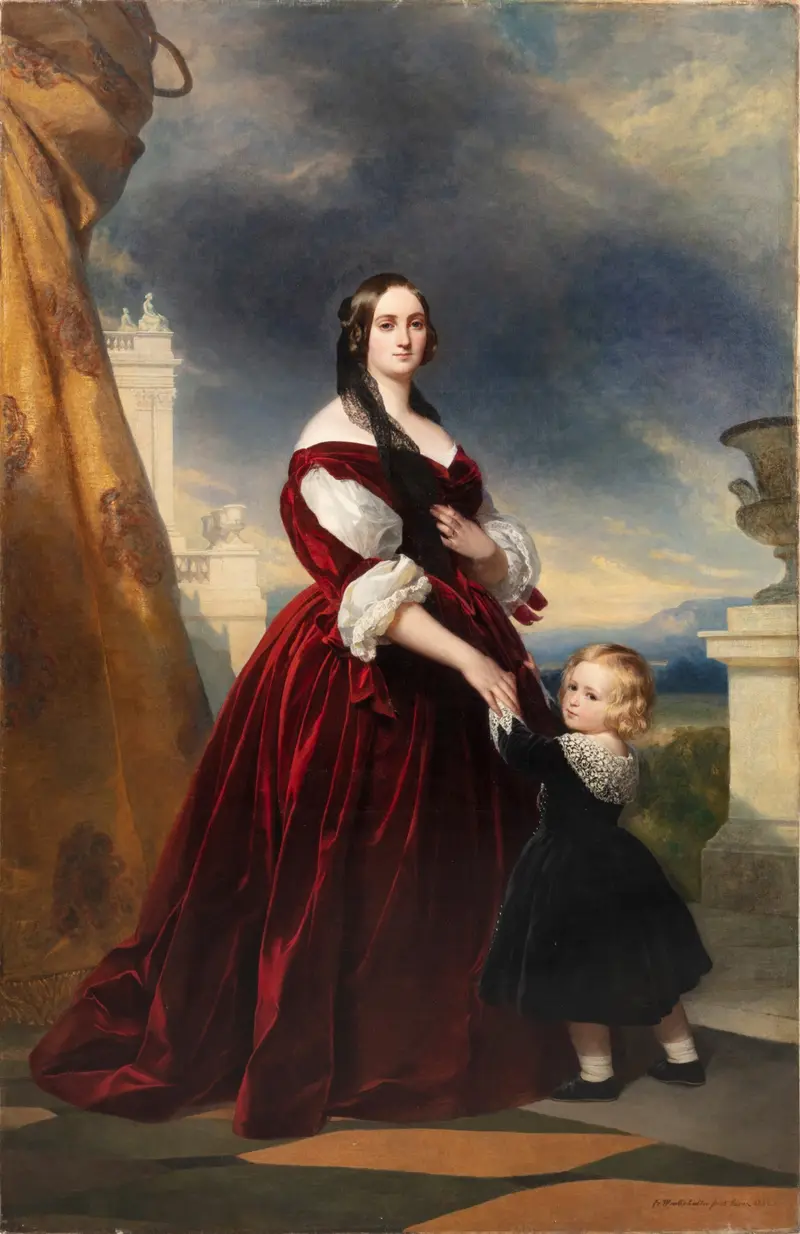
Portrait of the Countess Duchâtel (1817-1878) with her son, Vicomte Charles Tanneguy Duchâtel (1838-1891)
Franz Xaver Winterhalter
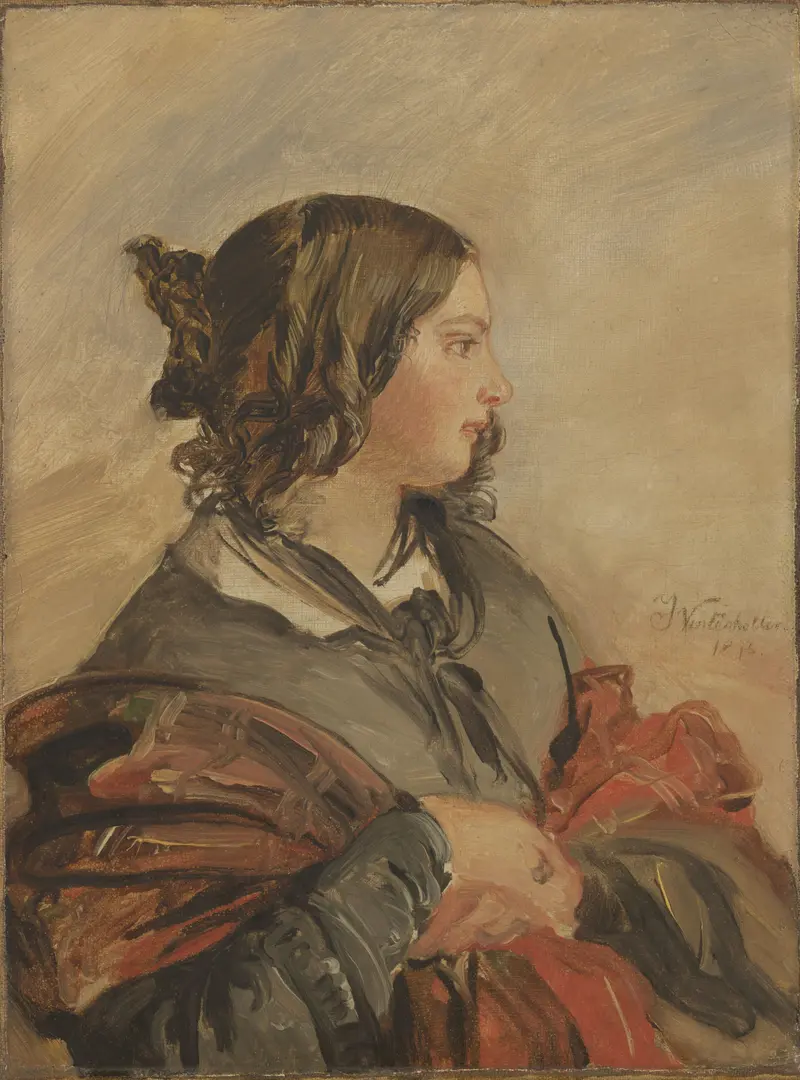
Portrait of the Young Queen Victoria
Franz Xaver Winterhalter
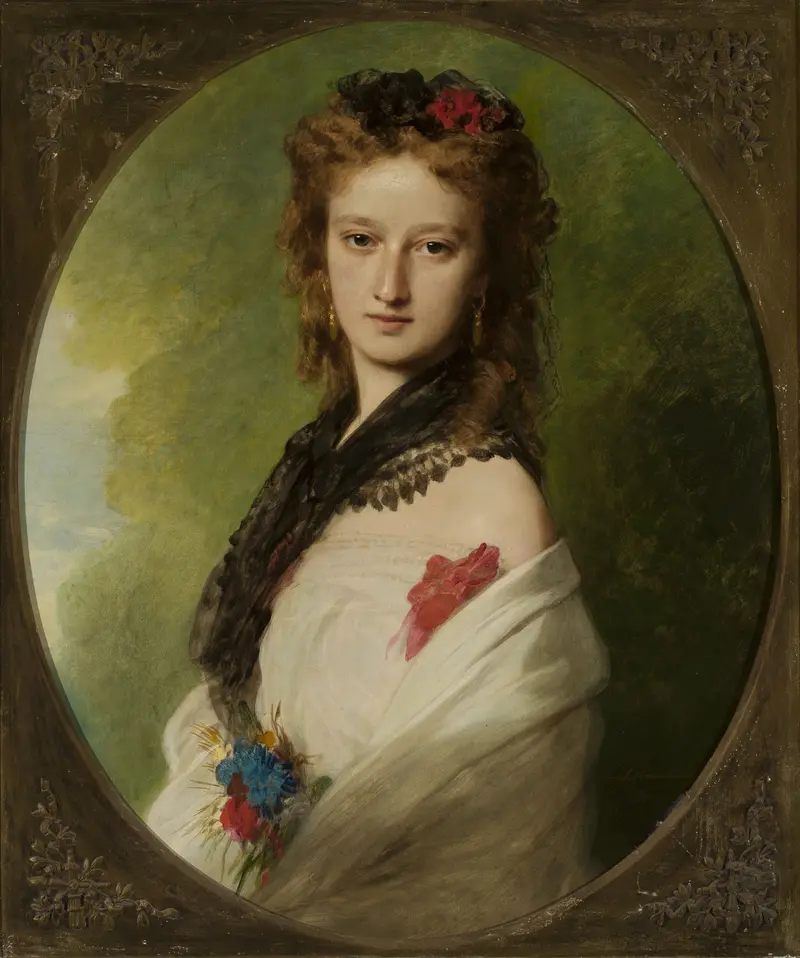
Portrait of Zofia Zamoyska née Potocka
Franz Xaver Winterhalter
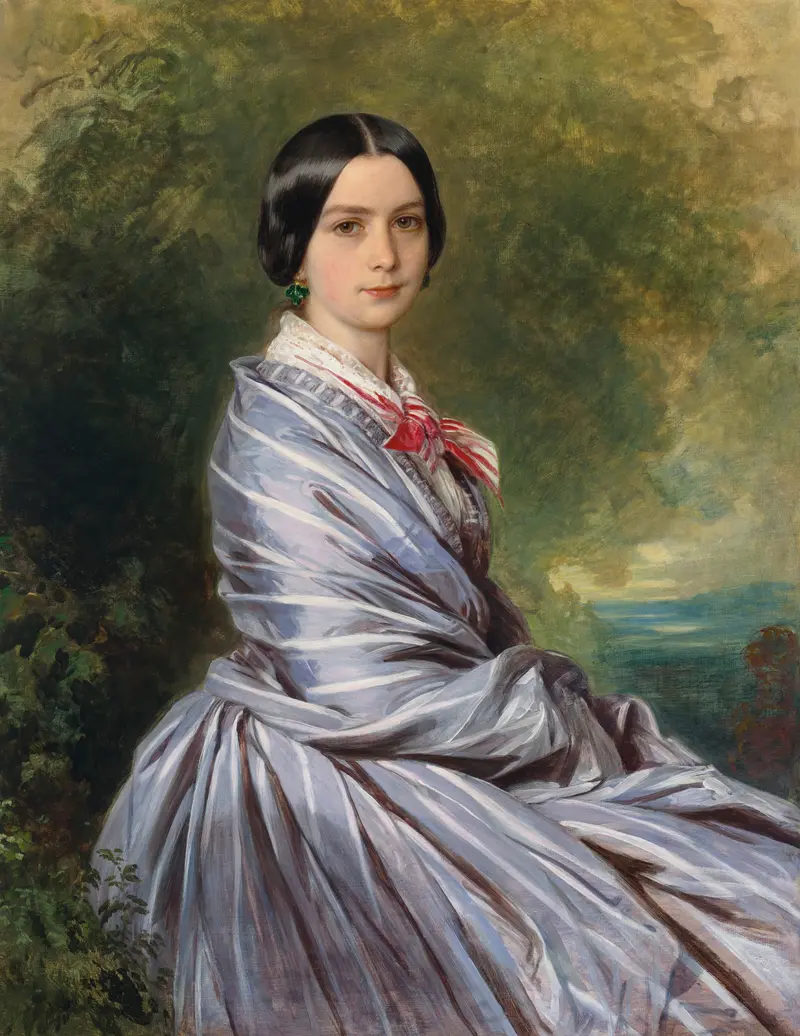
Portrait of Augusta Wichrow
Franz Xaver Winterhalter
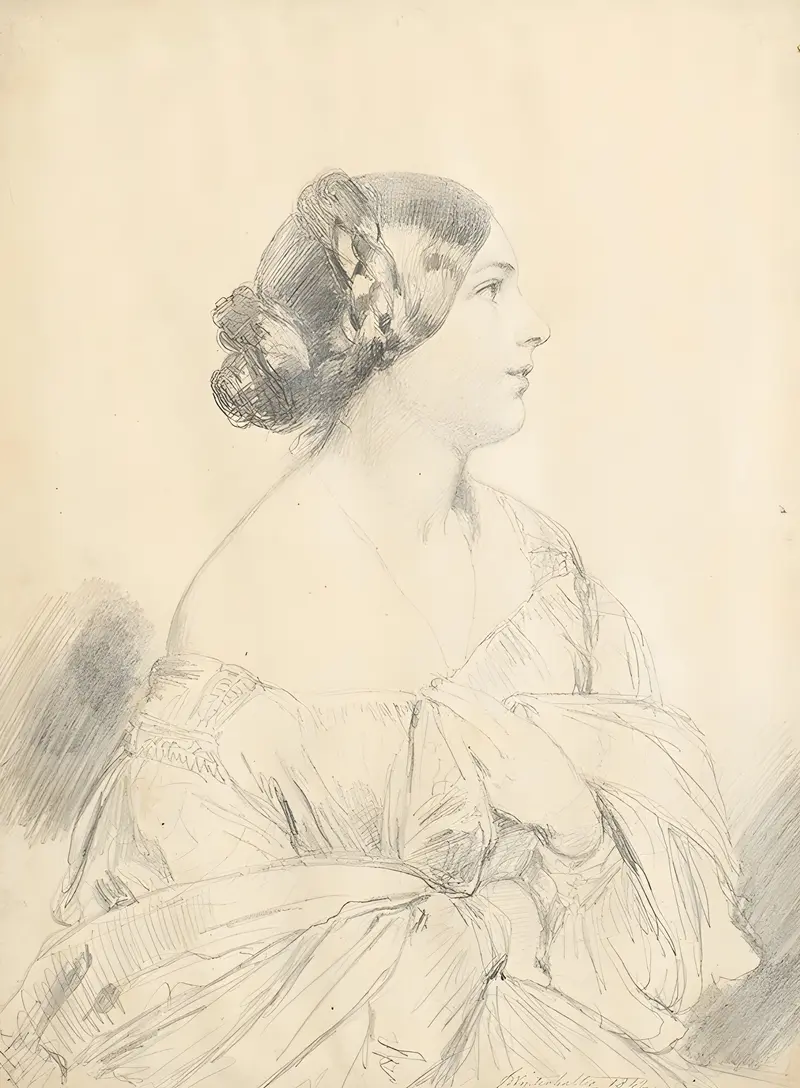
Portrait Of Louise Hay, Future Baronne Gudin
Franz Xaver Winterhalter

Römische Genreszene
Franz Xaver Winterhalter





