
Entrance to the castle — History & Facts
What if beauty was never meant to be finished? The haunting allure of decay intertwines with grandeur, whispering tales of time forgotten. Look to the left at the crumbling stone archway, a portal to a realm where nature's relentless embrace collides with the remnants of human ambition. The muted hues of earth and moss paint a narrative of neglect, contrasting sharply with the fading elegance of the castle's façade. Notice how the dappled sunlight filters through the overhanging branches, casting delicate shadows that dance upon the weathered ground, inviting the viewer to reflect on the passage of time. Beneath this surface lies a poignant commentary on mortality and loss.
The twisted vines creeping up the walls symbolize life’s inevitability, encroaching upon manmade beauty and demanding recognition of what was once vibrant. The silence of the scene resonates with an underlying tension, revealing the struggle between preservation and deterioration, a reminder that all that is created must also fade. Here, decay becomes a form of art, enriching the narrative with layers of meaning. Created between 1875 and 1885, this piece emerged during a transformative period for the artist, who was deeply influenced by the Romantic movement in Hungary.
Mednyánszky, grappling with his own identity and the shifting landscape of his homeland, focused on capturing the essence of place and memory. During this era, artists began to embrace emotional depth and personal expression, marking a departure from traditional forms, and this painting stands as a testament to that evolution.
More Artworks by Ladislav Mednyánszky
Browse all →
Winter Landscape
Ladislav Mednyánszky
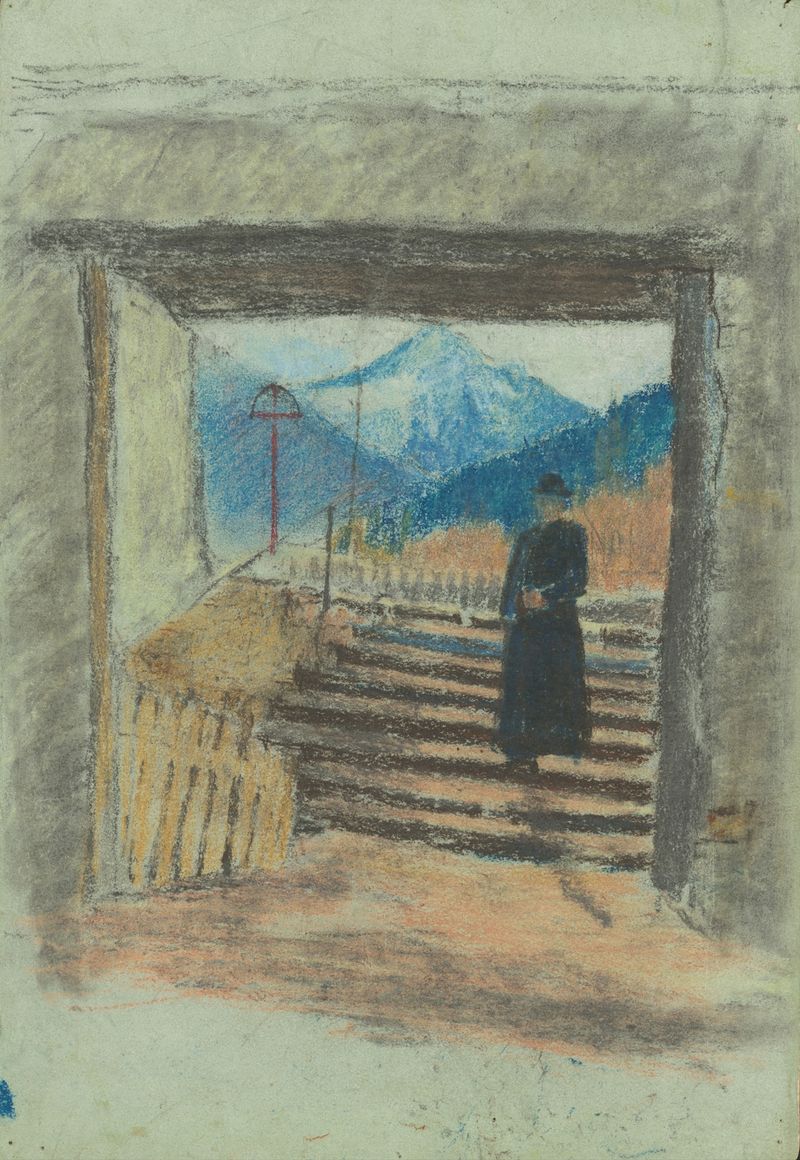
Out of Cemetery
Ladislav Mednyánszky

Lomnický Peak
Ladislav Mednyánszky

Nad riekou
Ladislav Mednyánszky
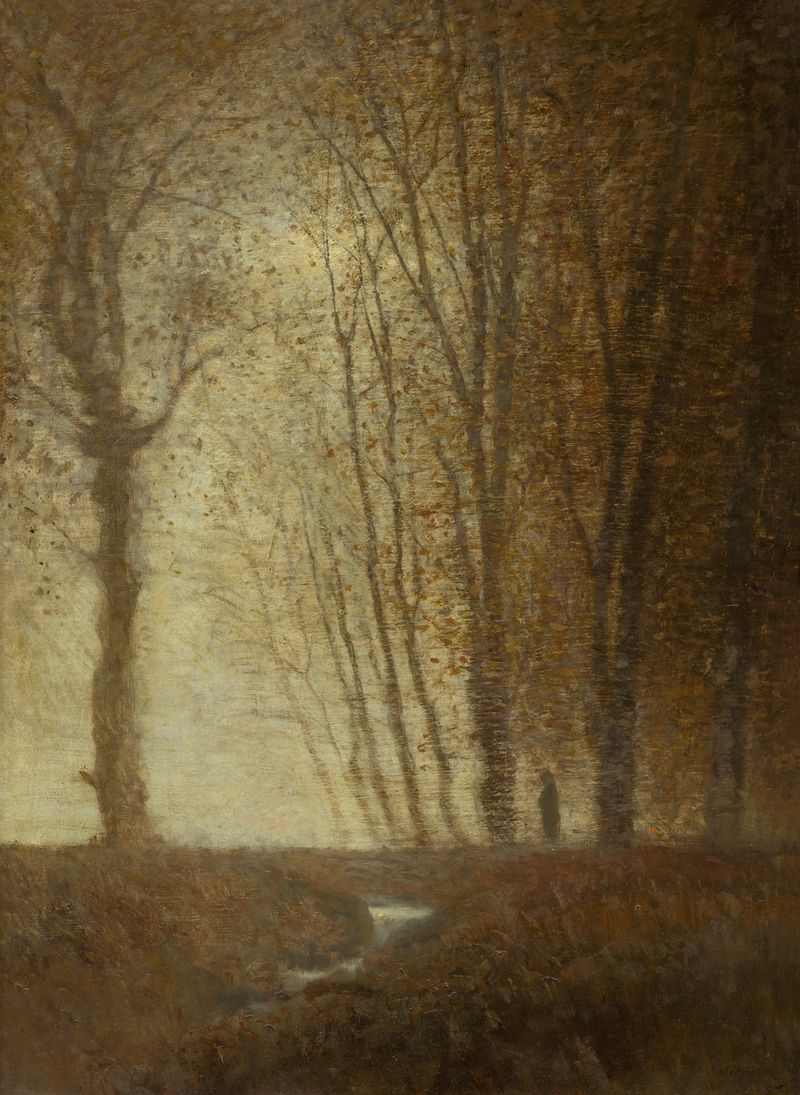
Edge of the Forest in the Moonlight
Ladislav Mednyánszky

View of the Ruins of Súľov
Ladislav Mednyánszky

Landscape with a Lake
Ladislav Mednyánszky
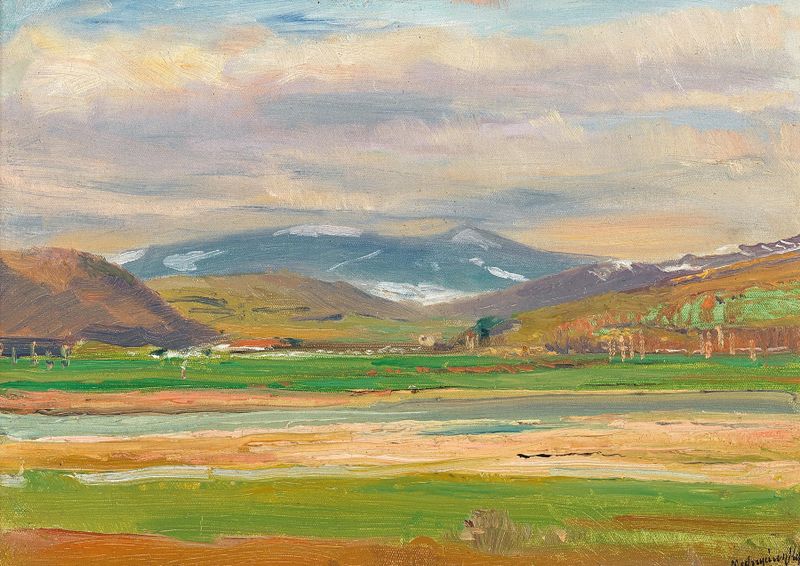
A Spring Landscape at the Foot of the Tatras
Ladislav Mednyánszky

A Wintry Forest
Ladislav Mednyánszky
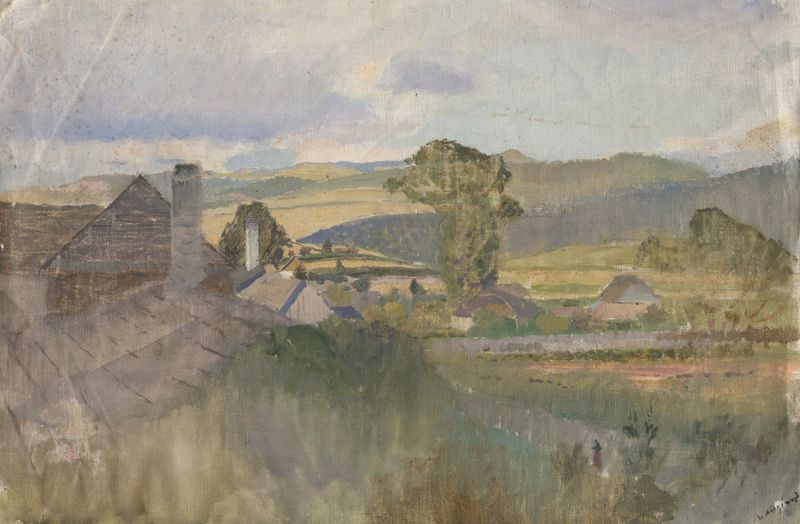
Village below the Tatras
Ladislav Mednyánszky





