
Entree Royalle de la Reyne Mere du Royenes-Christien dans la Ville de Londres — History & Facts
When did color learn to lie? In the hands of an artist, hues can deceive, presenting a reality far removed from the chaos that often underlies our lives. Look closely at the central figures, where the Queen Mother, resplendent in elaborate robes, commands attention amidst a swirling backdrop of activity. Notice how the vibrant reds and golds of her attire contrast starkly with the more muted tones of the crowd, emphasizing her royal stature. The careful placement of figures suggests movement and tension; some appear to bow in reverence while others gaze with curiosity, creating a palpable energy that crackles through the composition. Yet, there is a dissonance hidden within this grand spectacle.
The chaos of the bustling crowd is not merely celebratory; it hints at the underlying societal complexities and power dynamics at play. Each face tells a story—some are lit with joy, while others bear an expression of resentment or longing, revealing a spectrum of emotions in one moment. The artist's meticulous attention to detail draws the viewer into a deeper exploration of the tensions between authority and the common folk, creating an intricate narrative within the vibrant chaos. James Basire the younger created this work during a time when England was undergoing significant political and social changes.
The exact date remains uncertain, but it reflects an era where the monarchy was central to national identity amidst growing tensions that would eventually lead to upheaval. His detailed style captures not only the grandeur of royal events but also the complex fabric of society that surrounds them, providing insight into the world he inhabited.
More Historical Art
Browse all →
The Night Watch Militia Company of District II under the Command of Captain Frans Banninck Cocq
Rembrandt van Rijn
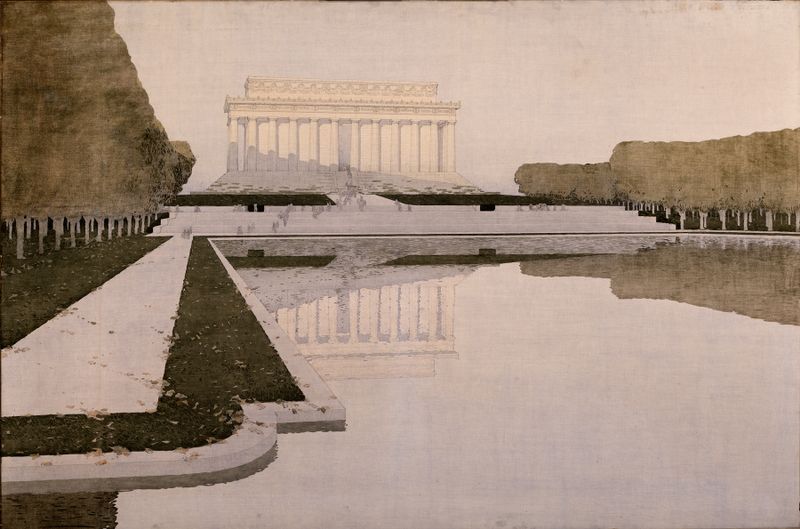
Lincoln Memorial
Henry Bacon
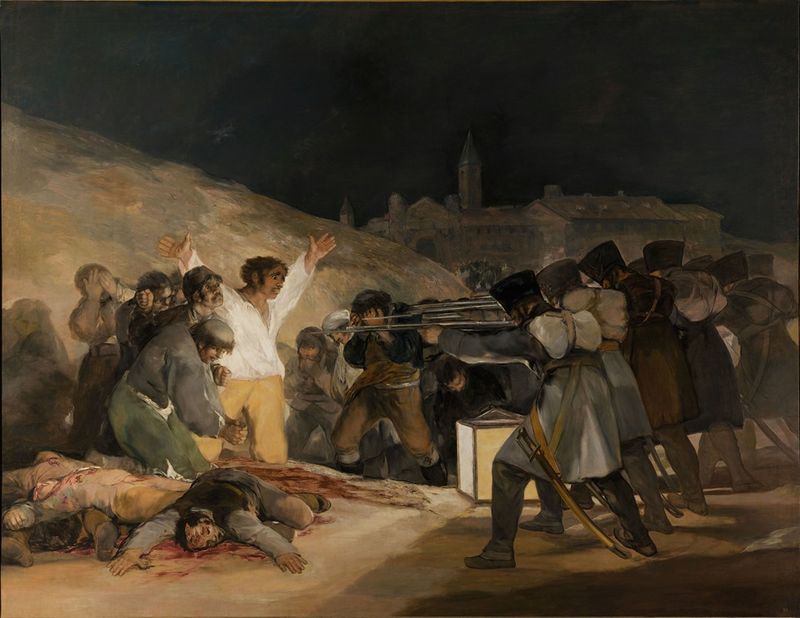
The Third of May 1808
Francisco de Goya

Isaac and Rebecca, Known as ‘The Jewish Bride’
Rembrandt van Rijn
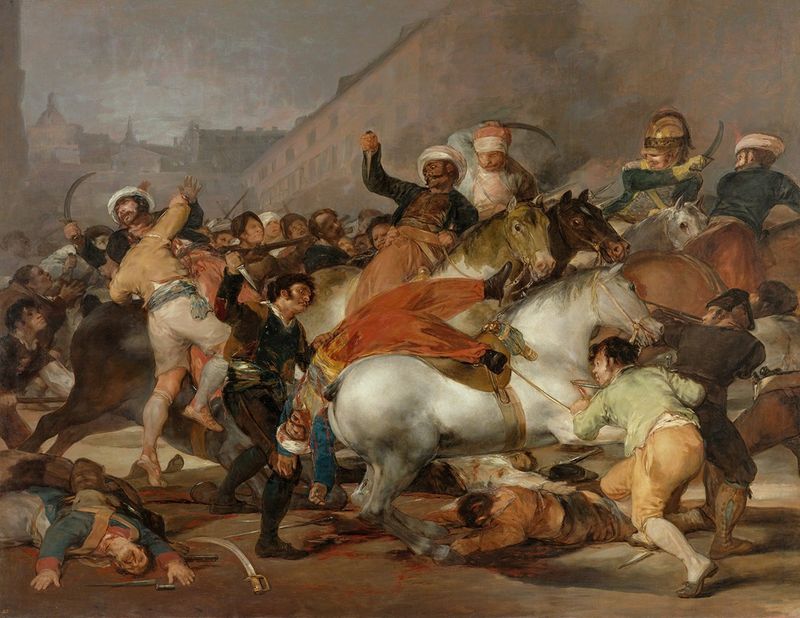
The Charge of the Mamelukes (1814)
Francisco de Goya

De vier ruiters van de apocalyps
Albrecht Dürer