
Et kik ned ad et stræde mod Viborg Domkirkes to tårne — History & Facts
In our quest for legacy, how often do we overlook the stories hidden behind landscapes? Look to the center of the canvas, where two spires of Viborg Cathedral rise resolutely against a backdrop of twilight. The artist's brush captures the florid hues of dusk, the deep blues and warm golds clashing in a dance that evokes both reverence and melancholy. Notice how the cobblestone path leads the eye upward, beckoning the viewer to follow, as shadows stretch and entwine with fading light, crafting a whisper of nostalgia and hope. Within the delicate interplay between light and shadow lies a deep emotional complexity.
The cathedral, a symbol of spiritual legacy, stands not only as a monument but also as a silent witness to the passage of time. The path, winding and uneven, suggests a journey—one that mirrors our own uncertainties and aspirations. Each cobblestone appears imbued with stories of those who have walked before, inviting reflection on the weight of history and the pursuit of meaning. Martinus Rørbye painted this work between 1829 and 1832, during a period marked by a growing interest in Romanticism across Europe.
Living in Denmark, he was immersed in a cultural environment that celebrated the beauty of natural and architectural landscapes, often infusing them with emotional depth. At this moment, Rørbye sought to explore the relationship between humanity and the enduring structures that define their existence, a theme that resonates through his body of work and remains relevant today.
More Artworks by Martinus Rørbye
Browse all →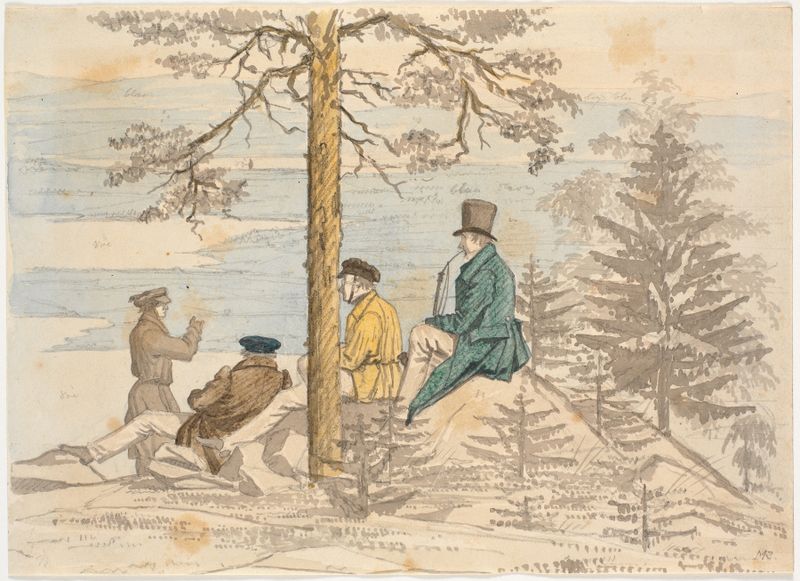
Fire mænd betragter udsigten fra Holmekollen
Martinus Rørbye
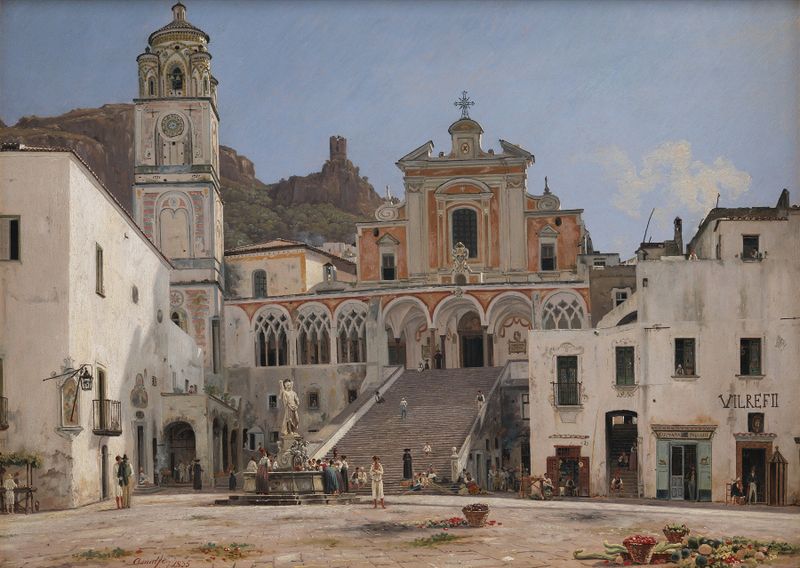
View of the Square in Amalfi
Martinus Rørbye
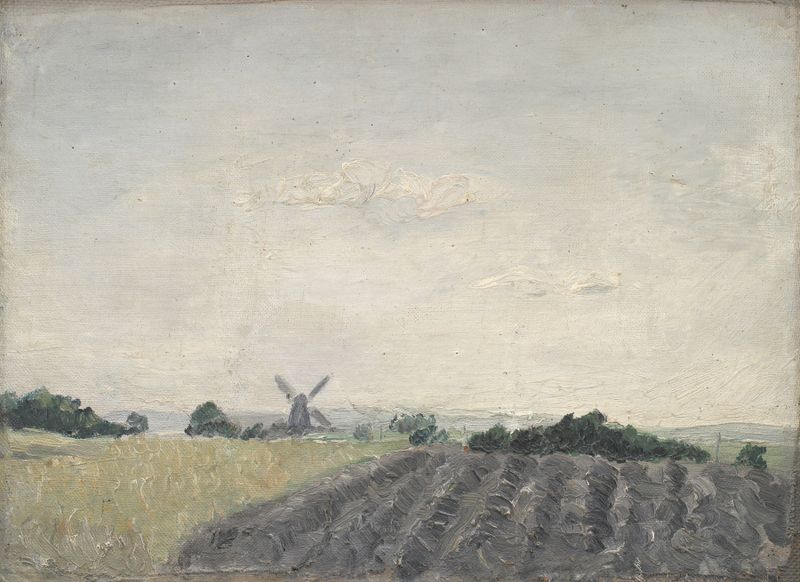
A Courtyard in Rome. Copy after Eckersberg
Martinus Rørbye
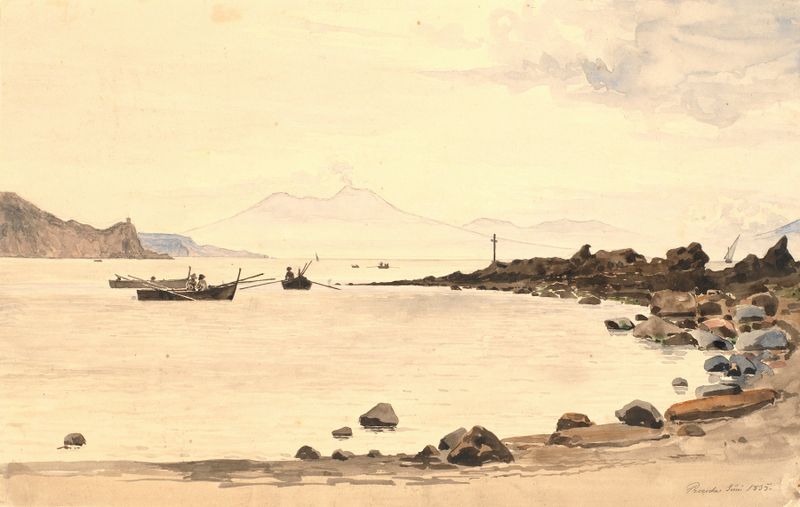
Udsigt mod Vesuv fra Procida
Martinus Rørbye
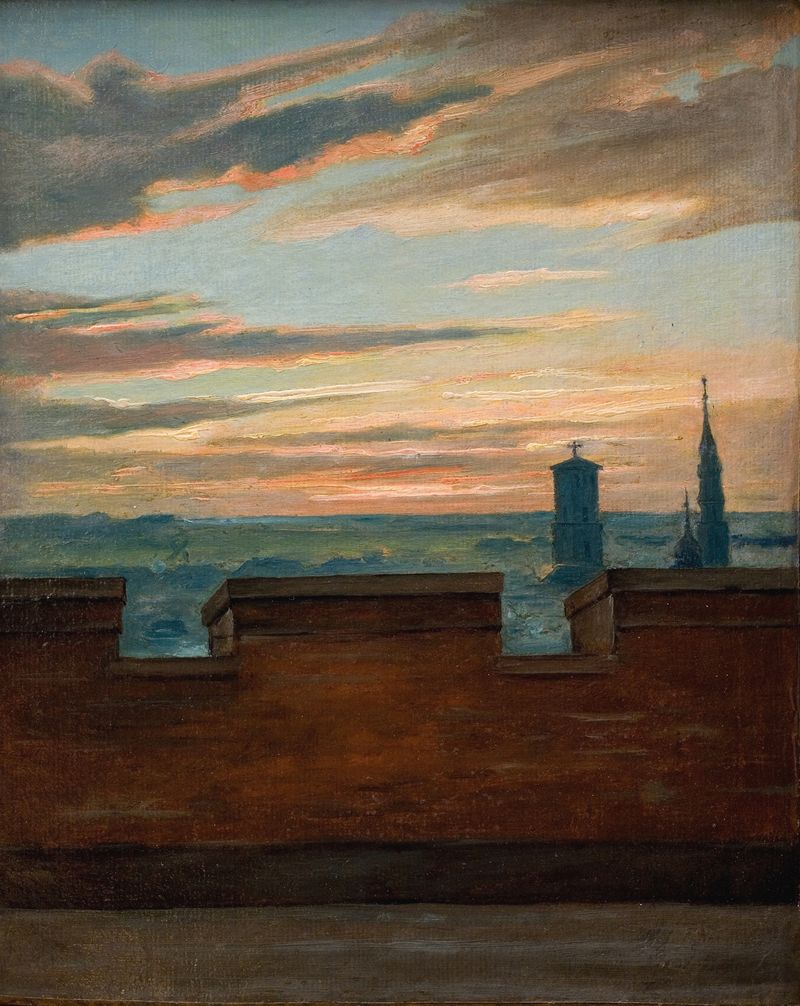
View of Copenhagen at Sunset
Martinus Rørbye
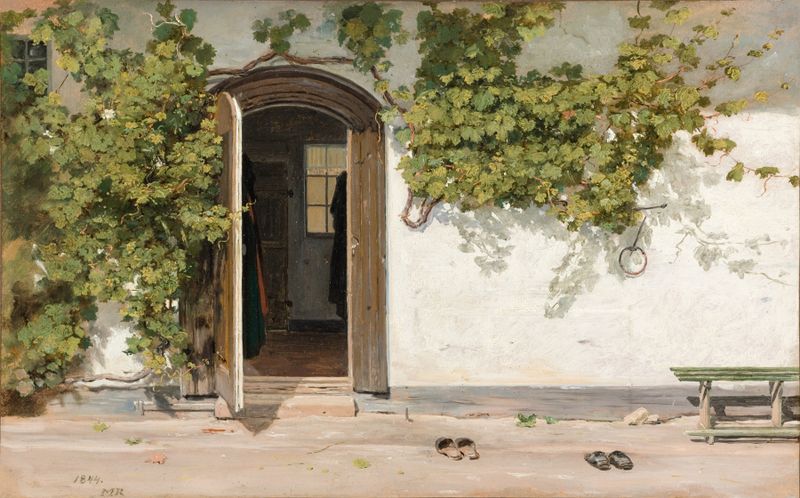
Entrance to an Inn in the Praestegarden at Hillested
Martinus Rørbye
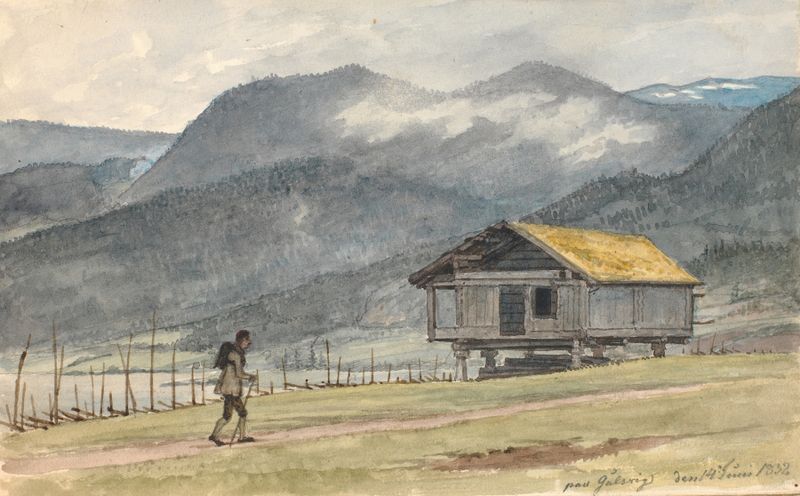
Fjeldlandskab med hytte og vandrer
Martinus Rørbye
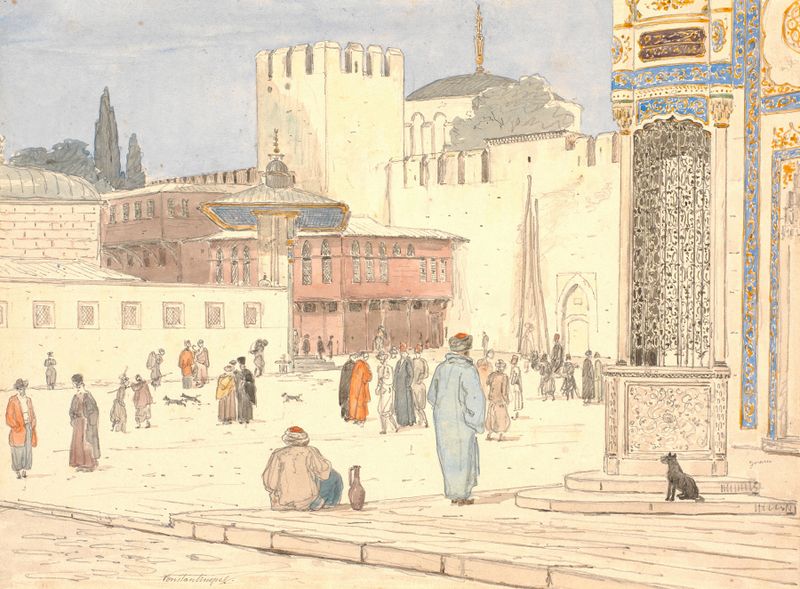
The Square in Front of Bab-i-Hümayan in Constantinople
Martinus Rørbye
Tree Trunk Leaning Against a Rock. Norway
Martinus Rørbye
Viborg Seen from Asmild Klosterhave near Søndersø
Martinus Rørbye





