Eton from the Brocas — History & Facts
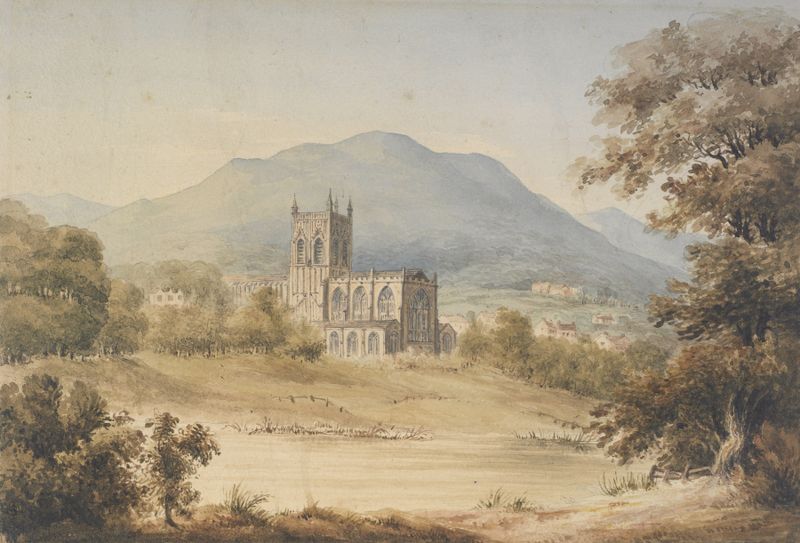
Can paint confess what words never could? In Eton from the Brocas, light becomes the unspoken language, whispering secrets of connection and nostalgia across the canvas. Look to the left at the gentle sweep of the river, its surface glistening as the sun casts a golden hue upon it. The meticulously rendered trees frame the scene, their leaves alive with vibrant greens, while the distant silhouette of Eton College rises majestically under a soft blue sky. Notice how the artist employs a delicate interplay of light and shadow, guiding your gaze through the lush landscape and inviting you to explore its tranquil depths. Within this serene composition lies a complexity of emotions.
The contrasting elements of nature and architecture evoke a sense of harmony and tension, suggesting the delicate relationship between humanity and its surroundings. The interplay between the shimmering water and the solid, ancient structures hints at the passage of time—how memories ebb and flow like the river, shaping our perceptions of place and belonging. The light, both illuminating and elusive, serves as a reminder of life's fleeting moments. James Bourne painted Eton from the Brocas in 1828 during a period where romantic landscapes flourished, reflecting the emerging interest in the natural world and its sublime beauty.
At this time, he was deeply engaged with the picturesque movement, seeking to convey not only beauty but also a sense of emotional resonance within his work. Bourne's connection to Eton and the surrounding landscape mirrored the larger cultural shifts in England, celebrating both an appreciation for nature and an enduring bond with tradition.