A scene in the woods at Bolton Abbey, Yorkshire — History & Facts
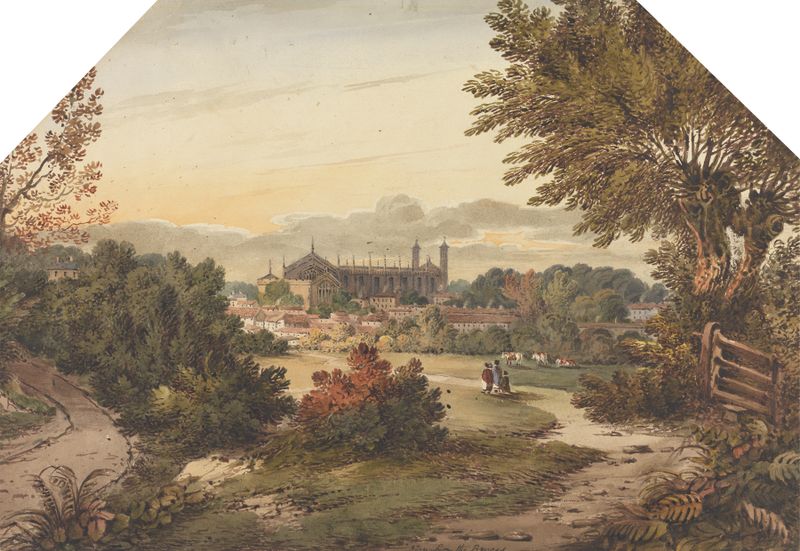
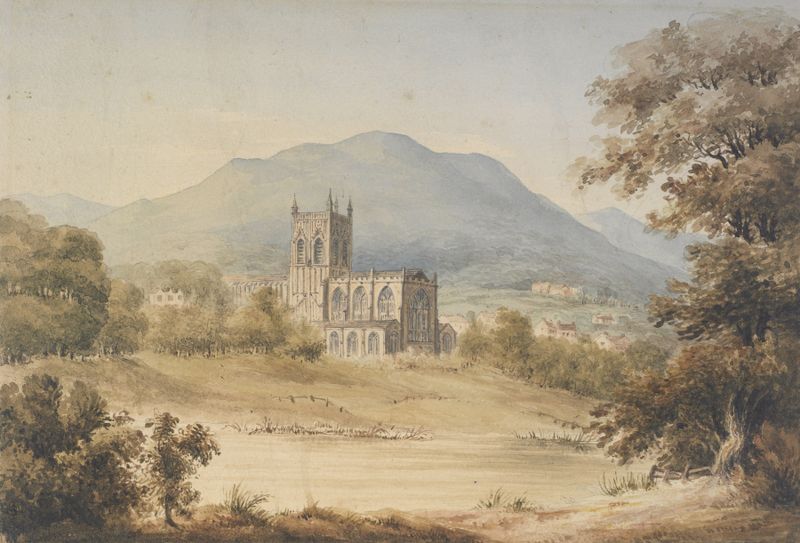
Can beauty exist without sorrow? In the quietude of nature, where leaves whisper secrets and shadows stretch like memories, the question lingers like the fleeting light of day. Look to the left at the delicate interplay of greens, where sun-dappled foliage breathes life into the canvas. The artist employs soft brushstrokes to capture the motions of the leaves swaying gently, inviting the viewer to step into the serene embrace of the woods. Notice how the light filters through the canopy, casting ethereal patterns on the forest floor, while hints of golden hues suggest the passage of time — a tender reminder of nature's fleeting beauty. Yet beneath this pastoral calm lies a deeper tension: the contrast of vibrant life against the inevitability of decay.
The artist subtly contrasts the lush foliage with the gnarled branches of an ancient tree, evoking a sense of nostalgia. Each element speaks to the transient nature of existence, provoking a reflection on moments that slip away unnoticed. This duality of beauty and sorrow creates a poignant resonance, a reminder that every bloom is shadowed by its eventual fade. During this period, the artist was immersed in the lush landscapes of Yorkshire, surrounded by the picturesque beauty of Bolton Abbey.
Working in the late 19th century, he navigated the burgeoning interest in capturing natural scenes with an Impressionist influence. This piece reflects his quest to immortalize fleeting moments, embodying the tension between the idyllic and the ephemeral in a world that was rapidly changing.