Malvern — History & Facts
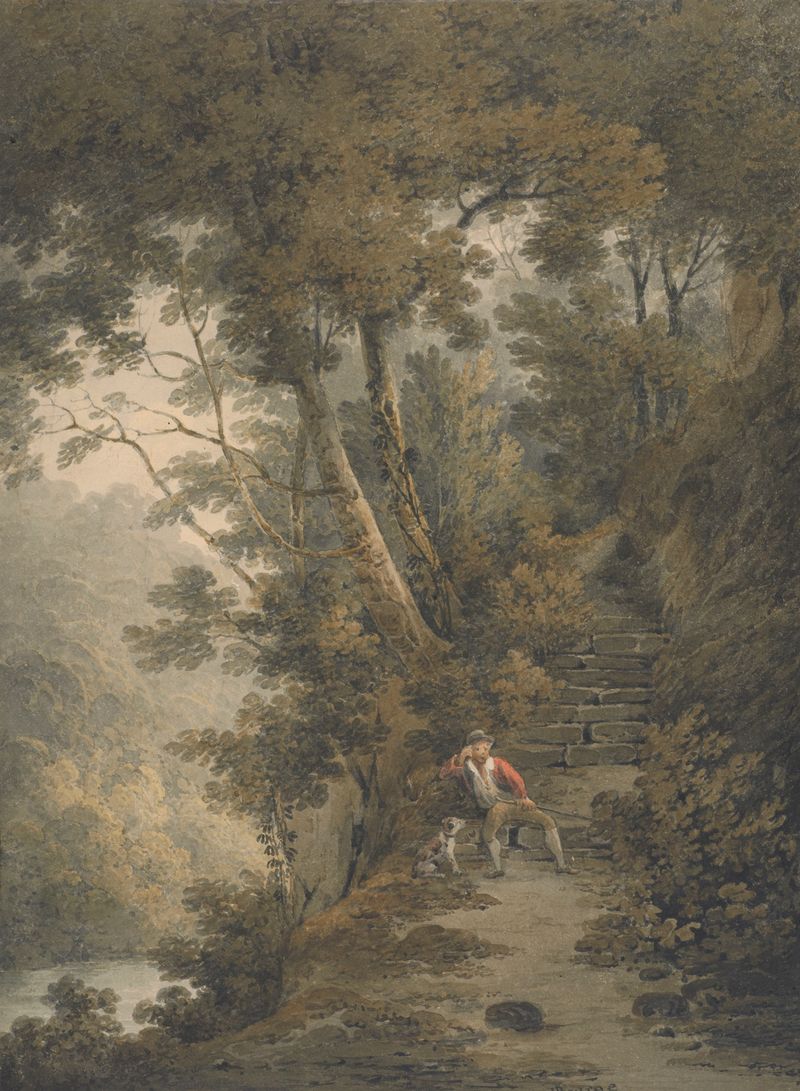
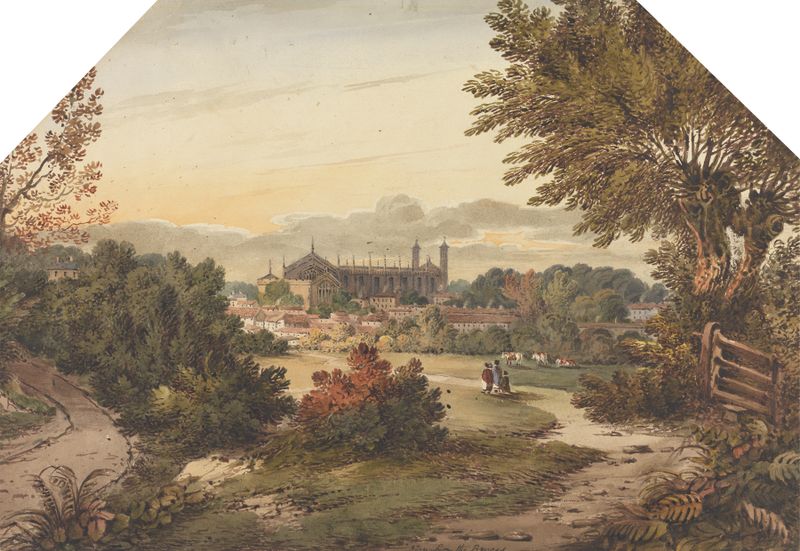
What if beauty was never meant to be finished? In the quietude of a landscape, Malvern whispers the secrets of a world caught in stasis, rich with potential yet cloaked in an air of unfulfilled promise. This painting, crafted in the early years of the 19th century, invites us to linger in the tension between aspiration and reality. Look closely at the rolling hills, where soft greens and muted browns embrace the horizon, beckoning our gaze outward and upward. Notice how the light dances delicately along the contours, illuminating patches of wildflowers that seem hesitant, as though frozen in time.
The gentle brushstrokes create a texture that breathes life into the scene, allowing shadows to deepen and pull us into the layers of earth where nature conceals its truths. Yet, beneath this serene beauty lies an undercurrent of betrayal, a reminder that not all is as idyllic as it seems. The stark division between the vibrant foreground and the shadowy distance suggests a rift, perhaps a lost connection between the idealized landscape and the heart of the viewer. The painting's quiet corners may echo feelings of abandonment, a longing for what once was, or a foreboding sense of change lurking just beyond the frame. In 1809, Bourne was immersed in the artistic currents of the Romantic movement, which sought to evoke emotion through the beauty of nature.
This period marked a shift in focus from classical ideals to the untamed and raw aspects of the world. As Bourne painted Malvern, he navigated personal upheavals and societal transformations that reflected the complexities of existence, capturing not just the landscape, but the essence of human vulnerability within it.