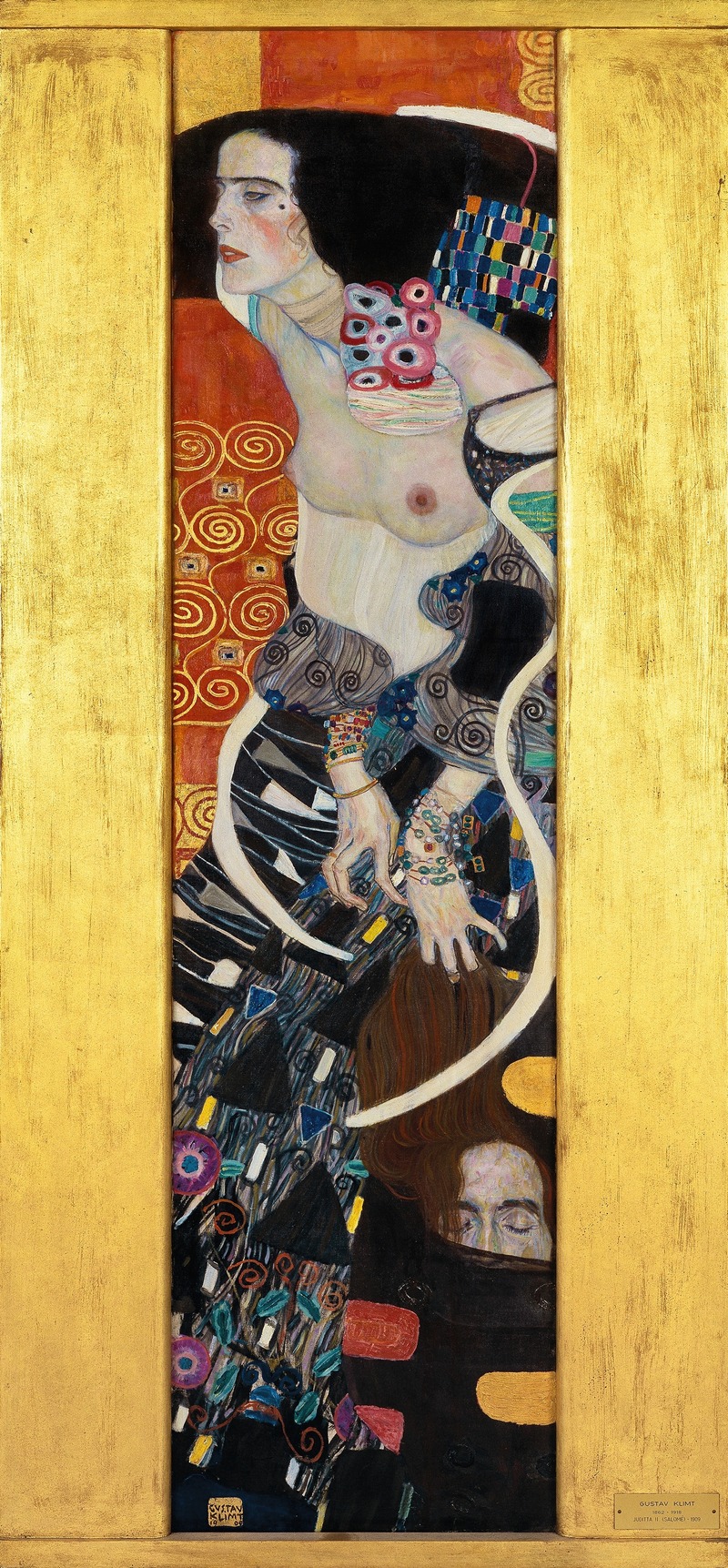
Discover insights about this artwork
Étude De Nu — History & Facts
In Étude De Nu, Pierre-Auguste Renoir presents a nude figure, characterized by soft, flowing lines and warm tones. The colors are predominantly flesh tones, with hints of blues and greens that suggest a natural setting. The figure is depicted reclining, exuding a sense of relaxation and grace.
The background is minimal, allowing the viewer to focus on the beauty of the human form. The painting is executed in oil on canvas, a medium that Renoir often used to create his vibrant works. The brushwork is loose and fluid, typical of the Impressionism style, allowing for a sense of movement and life. The dimensions are approximately 60 x 80 cm, making it a medium-sized work that invites closer inspection.
The use of light and shadow enhances the three-dimensional quality of the figure. Pierre-Auguste Renoir was a leading figure in the Impressionism movement, known for his focus on light and color. Étude De Nu is significant as it showcases his exploration of the human form, a recurring theme in his oeuvre. An interesting fact about this work is that it reflects Renoir's interest in capturing the beauty of the female body, which he often portrayed with tenderness and affection.
Today, this painting is housed in the Musee d'Orsay, a museum renowned for its collection of Impressionist works.
More Artworks by Pierre-Auguste Renoir
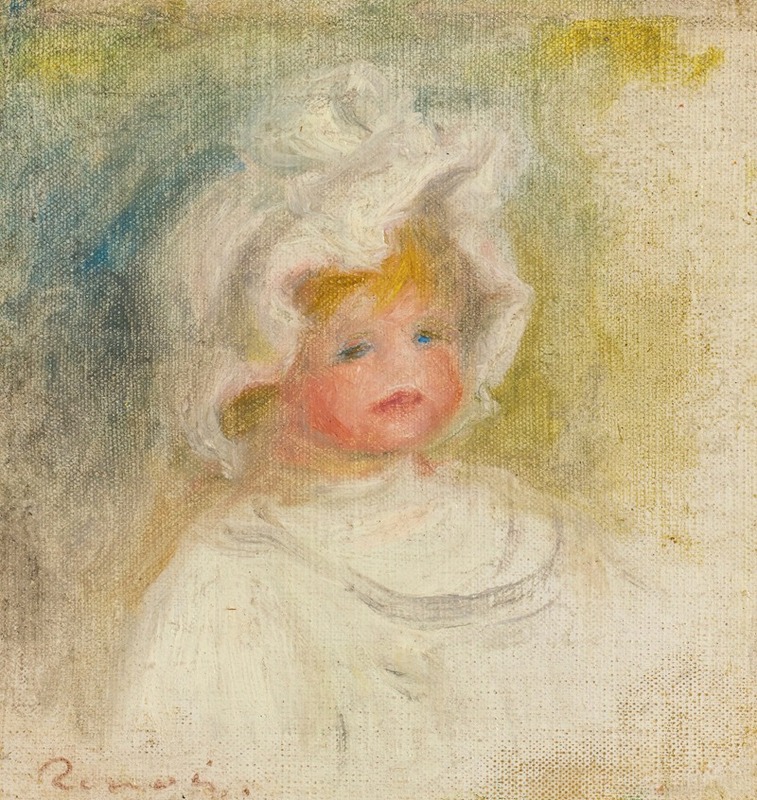
Portrait De Coco Renoir
Pierre-Auguste Renoir
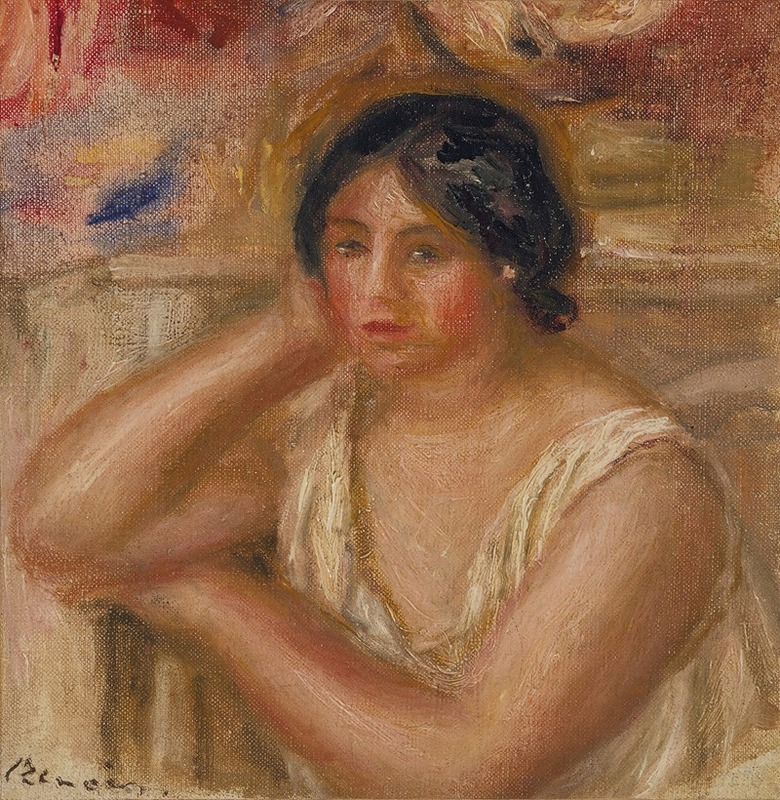
Portrait De Gabrielle
Pierre-Auguste Renoir
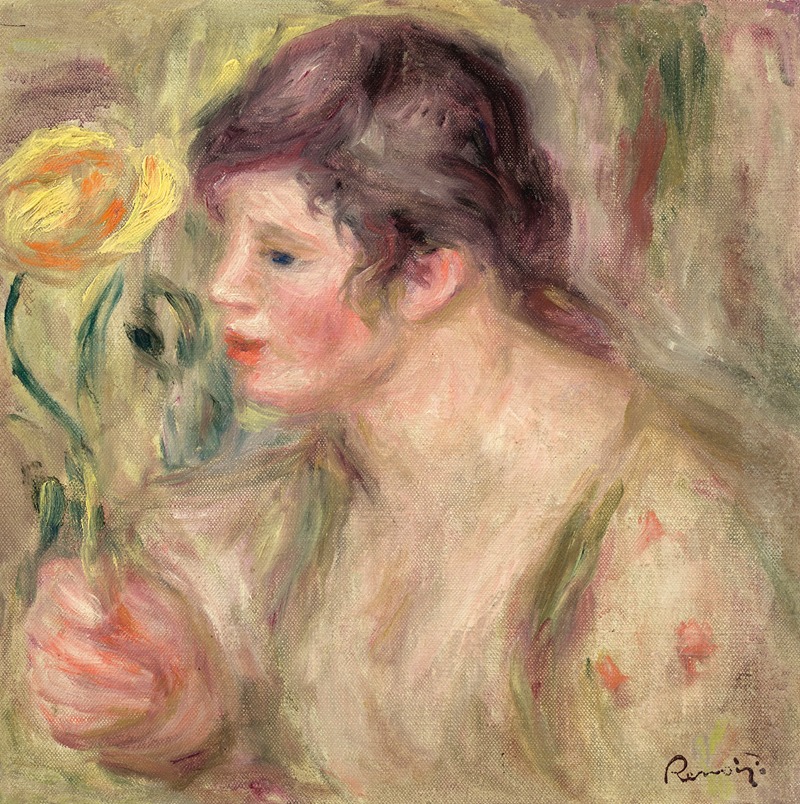
Femme à la rose
Pierre-Auguste Renoir
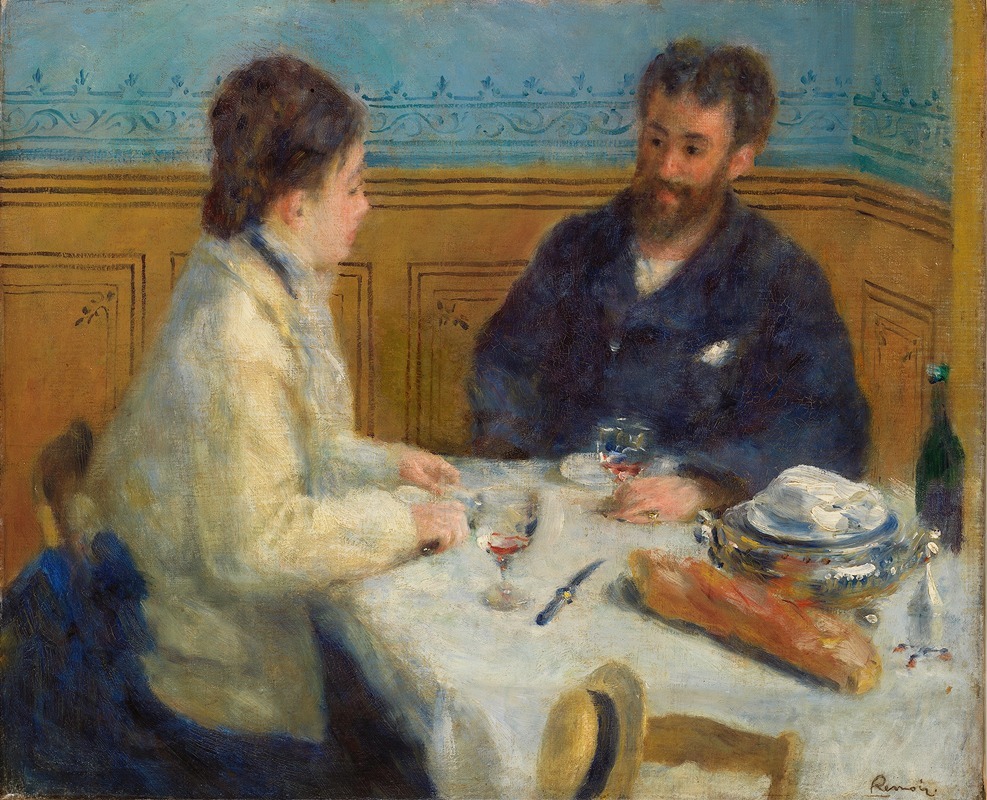
Luncheon (Le Déjeuner)
Pierre-Auguste Renoir
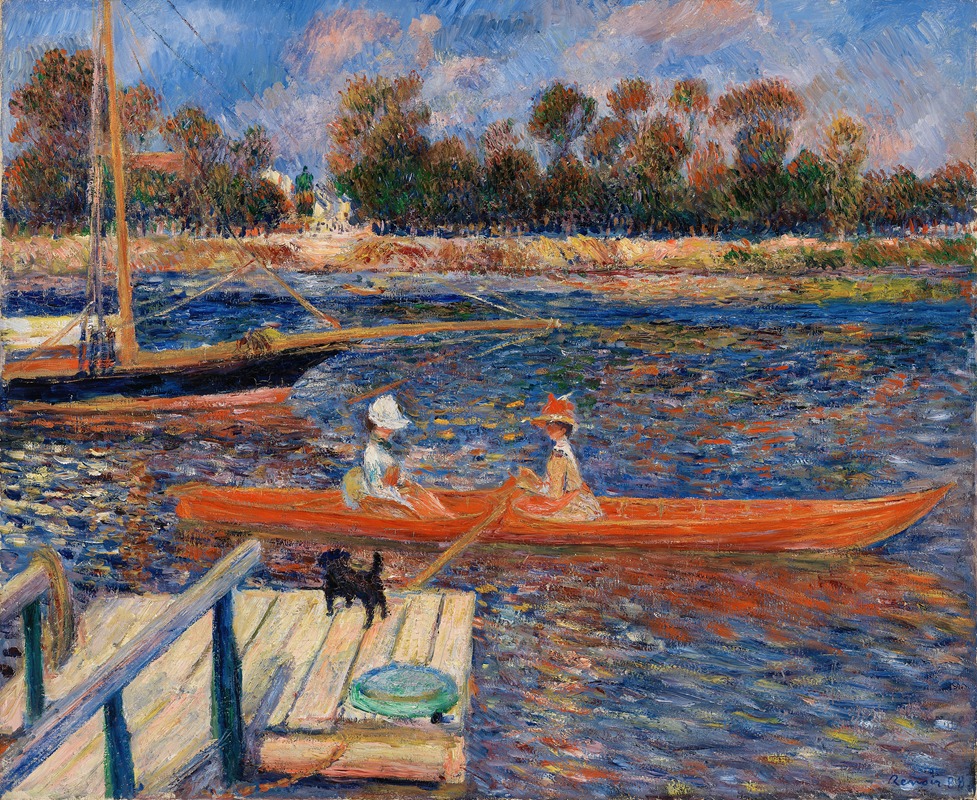
The Seine at Argenteuil (La Seine à Argenteuil)
Pierre-Auguste Renoir
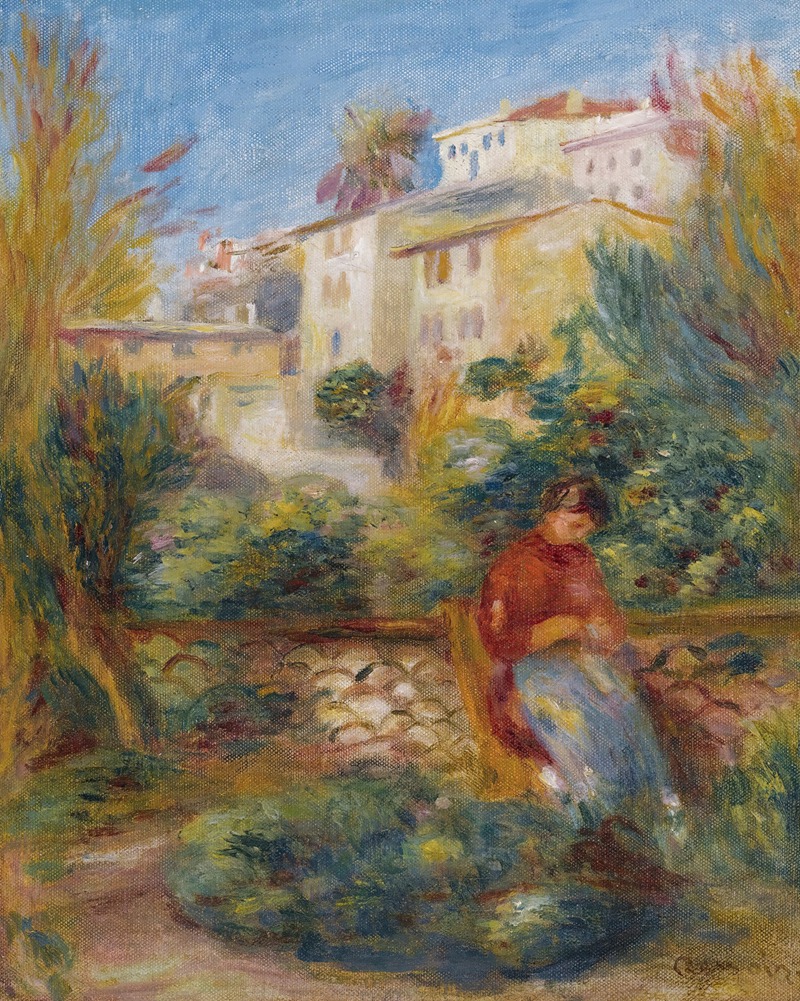
La Terrasse À Cagnes
Pierre-Auguste Renoir
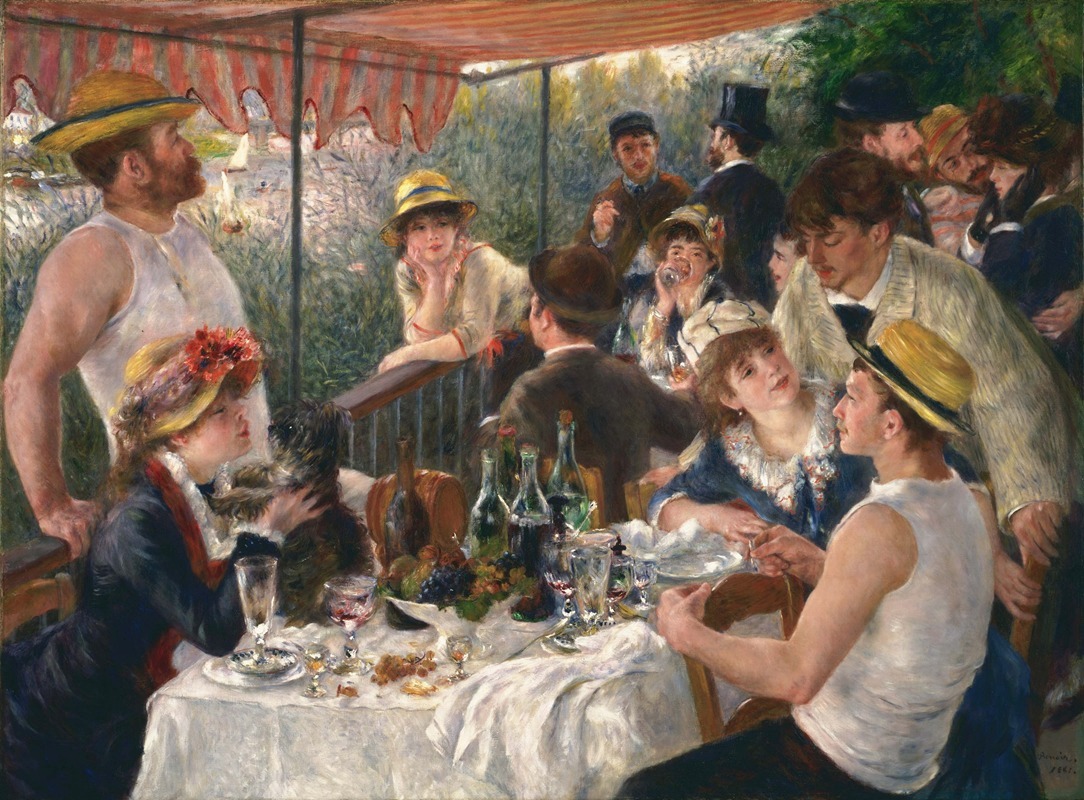
Luncheon of the Boating Party
Pierre-Auguste Renoir
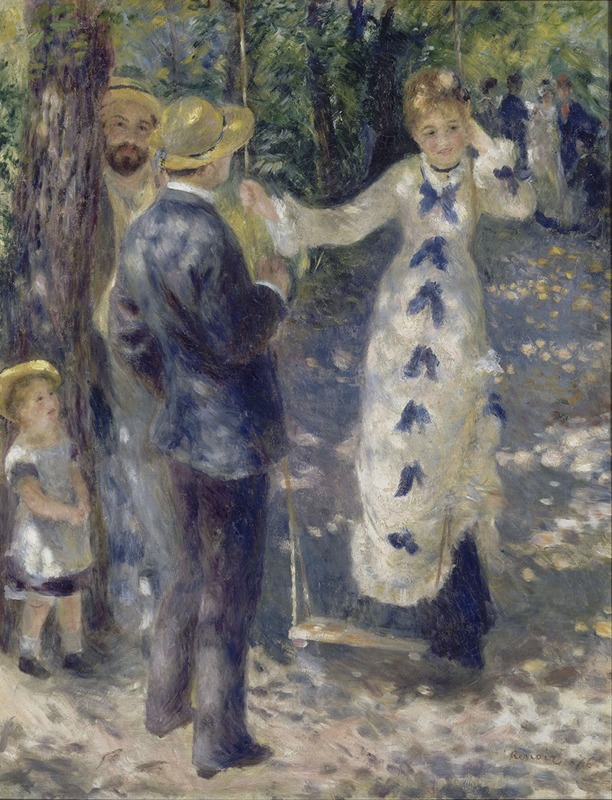
The Swing
Pierre-Auguste Renoir
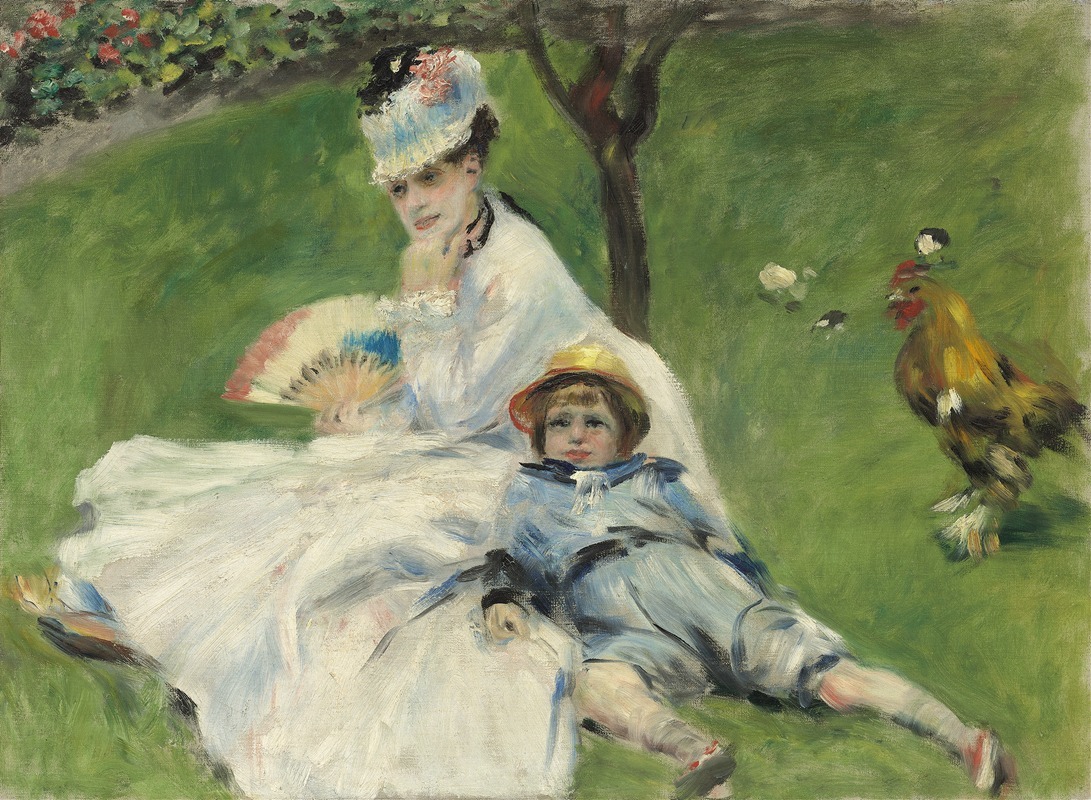
Madame Monet and Her Son
Pierre-Auguste Renoir
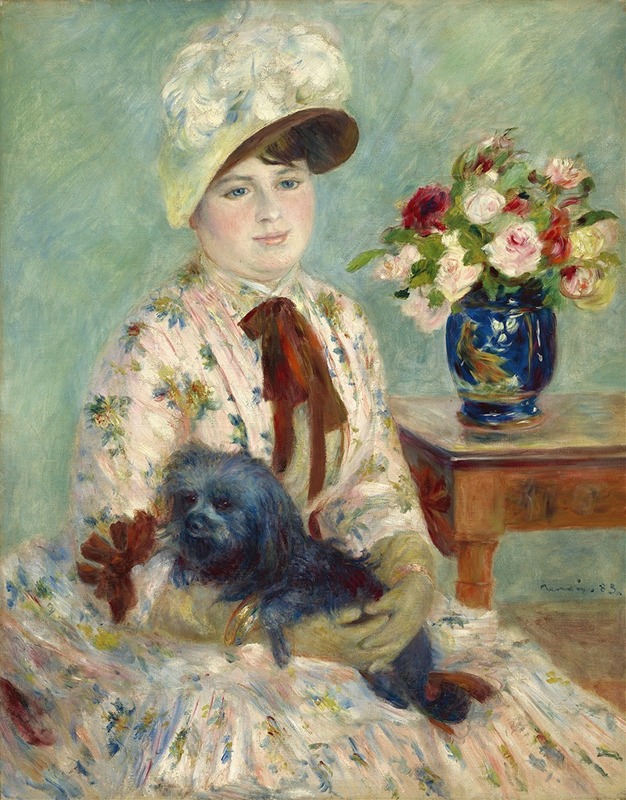
Mlle Charlotte Berthier
Pierre-Auguste Renoir