Eva met de slang — History & Facts
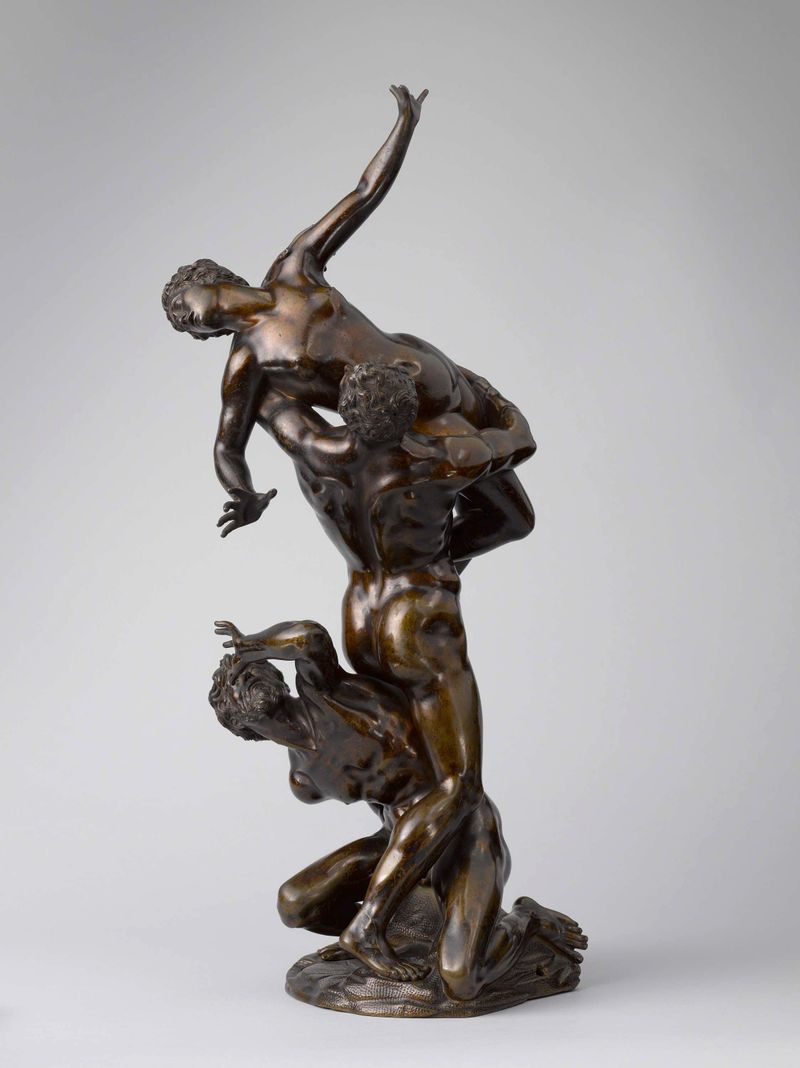
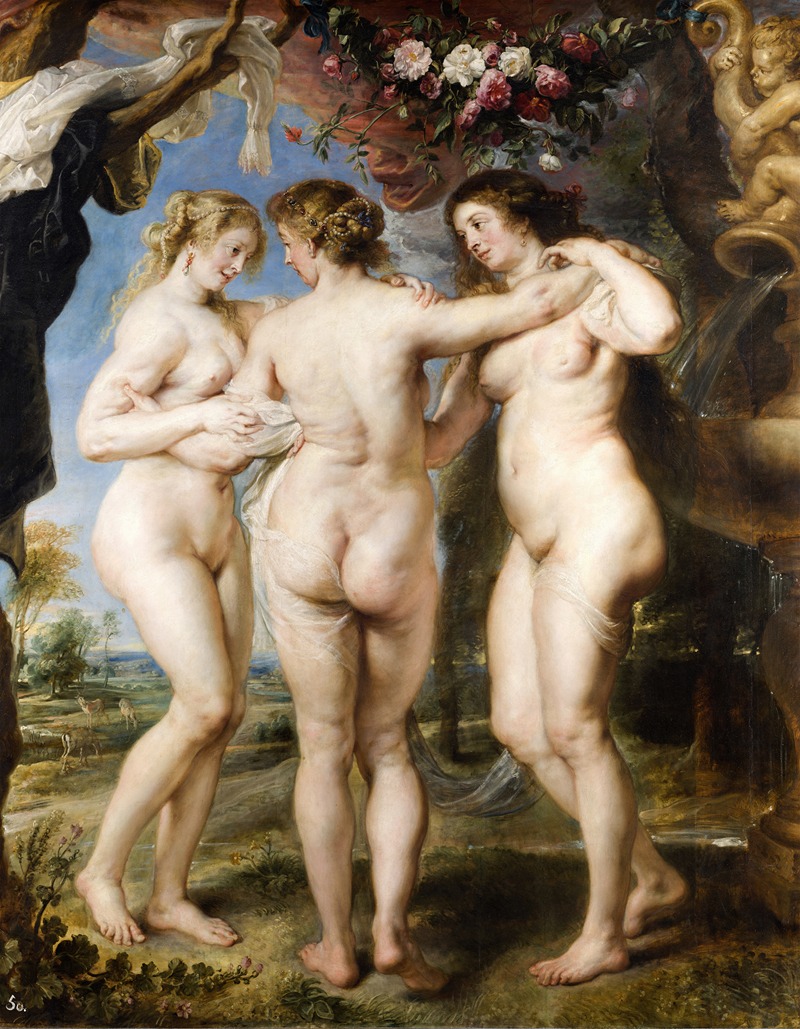
The act of reflection can transform our understanding of a moment, revealing hidden depths within a fleeting glance. In the enigmatic Eva met de slang, we find ourselves invited to explore the profound implications of choice, temptation, and innocence. Look to the left, where Eva stands poised, her figure draped in soft, flowing garments that echo the gentle curves of nature surrounding her. A serpent, with scales glinting like jewels, looms with an almost hypnotic allure.
The verdant backdrop pulses with life, rendered in rich greens and earthy tones that contrast with the pale skin of Eva, drawing our gaze inward toward the tension between her and the snake. Notice how the light cascades softly over her, illuminating her features while shadow deepens the serpent's menacing form, suggesting a delicate dance of light and dark. This work encapsulates the profound conflict between innocence and temptation. The serpent's inviting posture juxtaposes Eva’s wide-eyed curiosity, creating a moment pregnant with unspoken choices.
Subtle details, like the delicate flowers at Eva's feet, symbolize purity on the verge of corruption, hinting at the inevitability of change. Together, these elements invite an introspective journey into the internal emotions that govern human experience. Created between 1525 and 1530, this painting reflects the cultural preoccupations of the Northern Renaissance, where artists explored themes of morality and human emotion. Although the identity of the artist remains unknown, the work resonates with the philosophical inquiries of the time, echoing the tension between the spiritual and corporeal that permeated the era's art scene.
More Artworks by Unknown Artist
Browse all →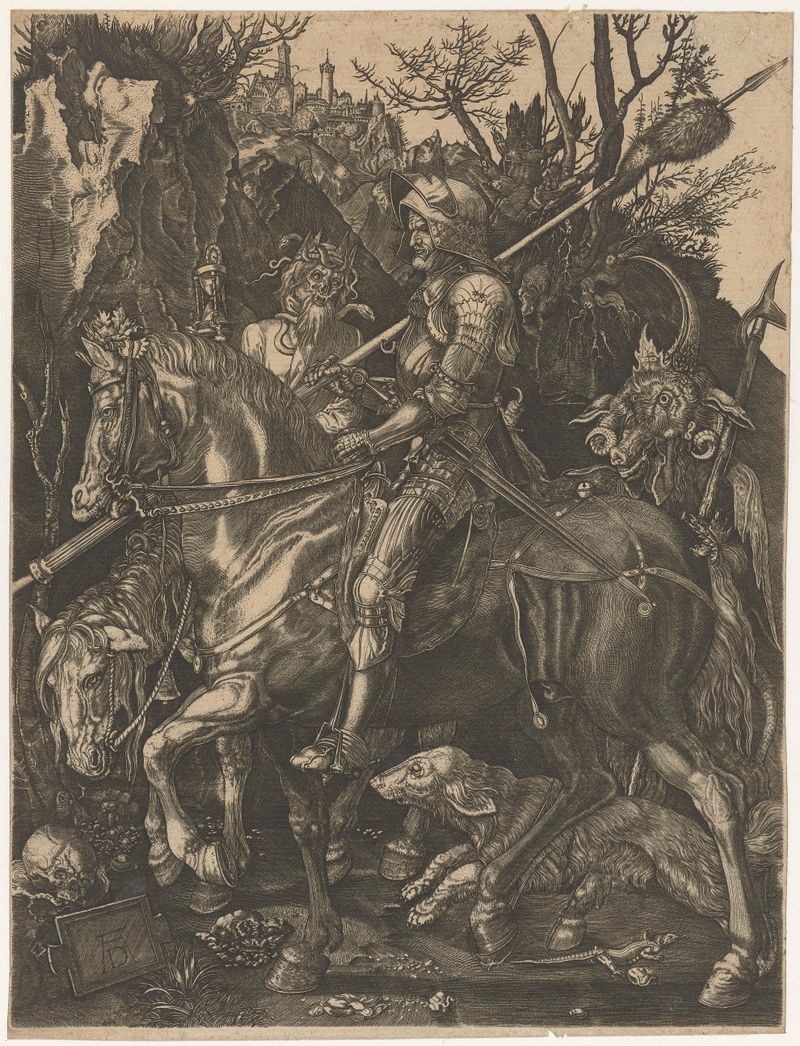
Ridder, Dood en Duivel
Unknown Artist
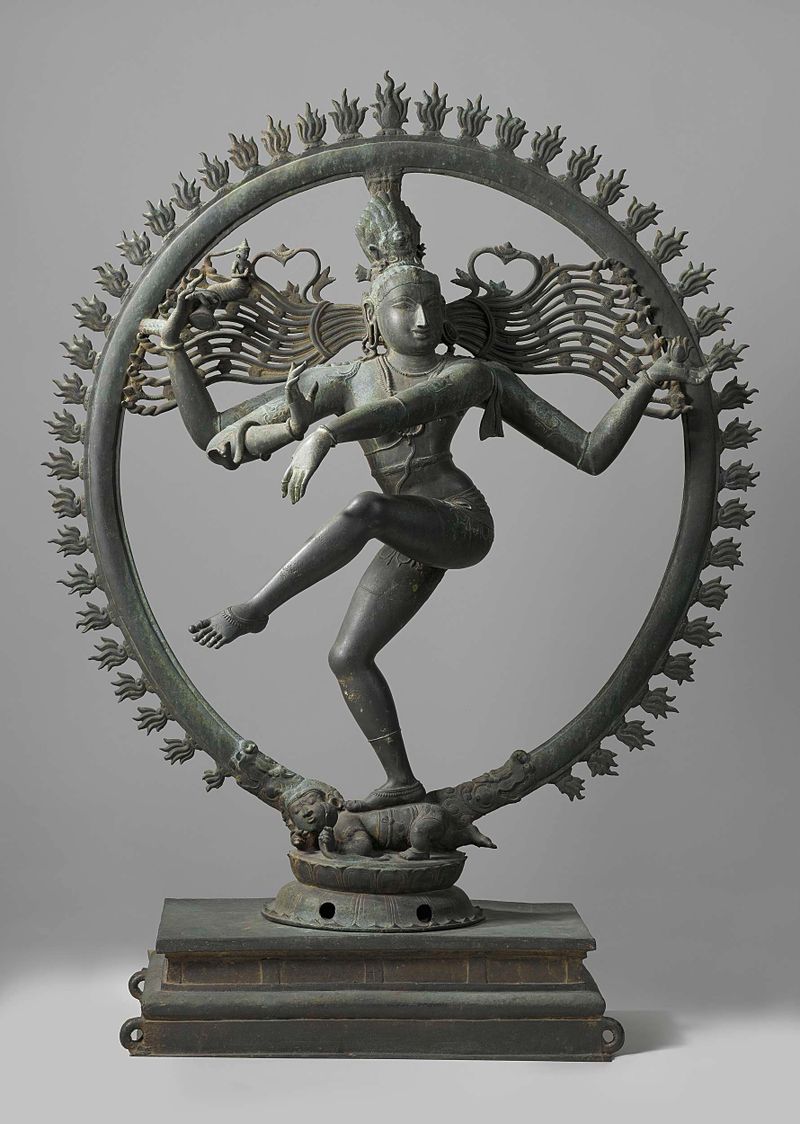
Shiva Nataraja
Unknown Artist
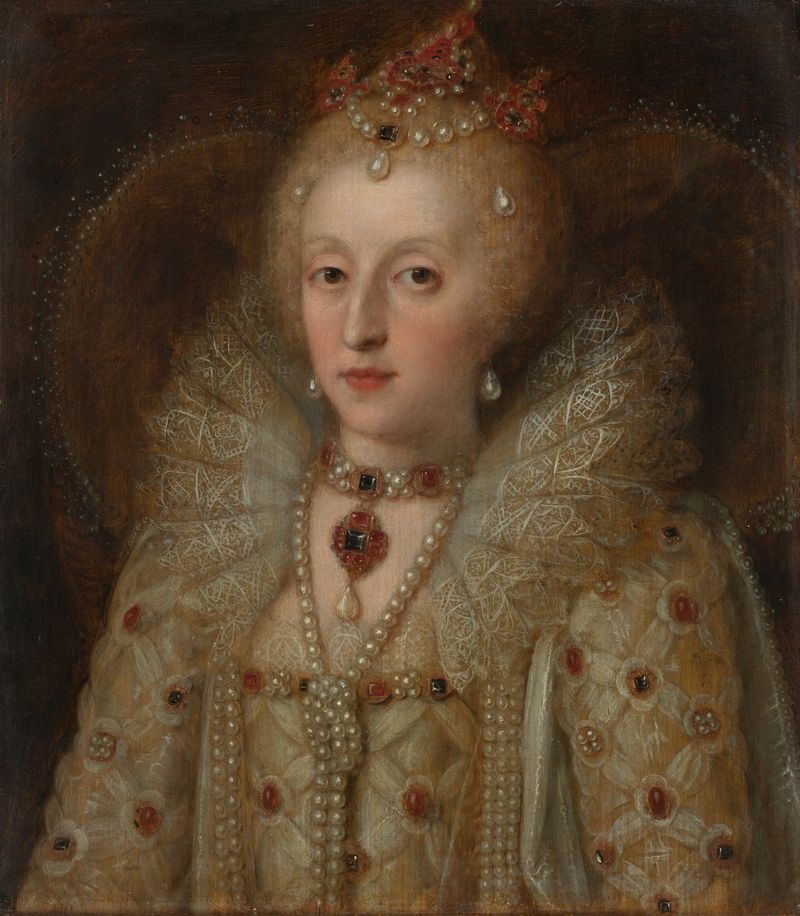
Portrait of Elizabeth I, Queen of England
Unknown Artist
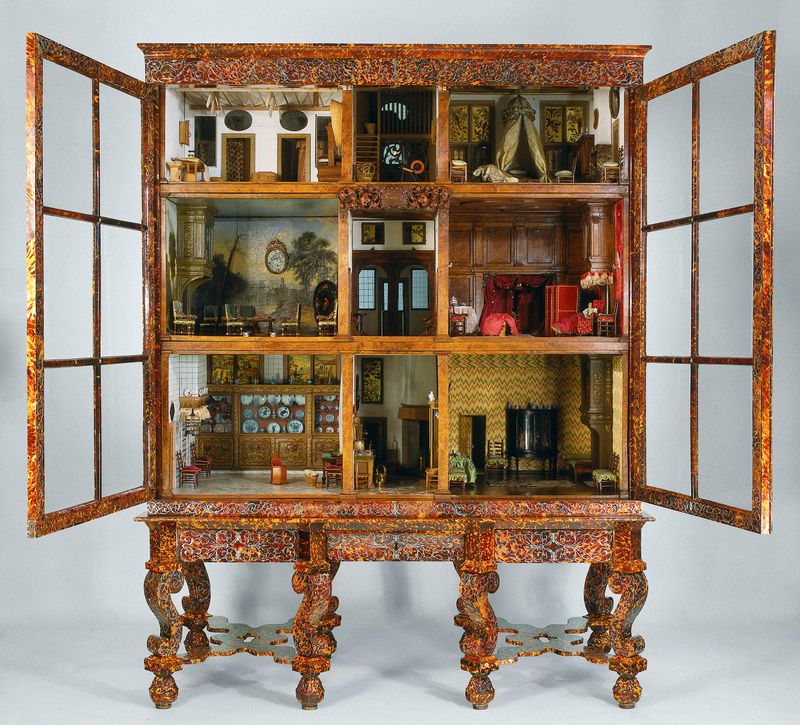
Dolls’ house of Petronella Oortman
Unknown Artist
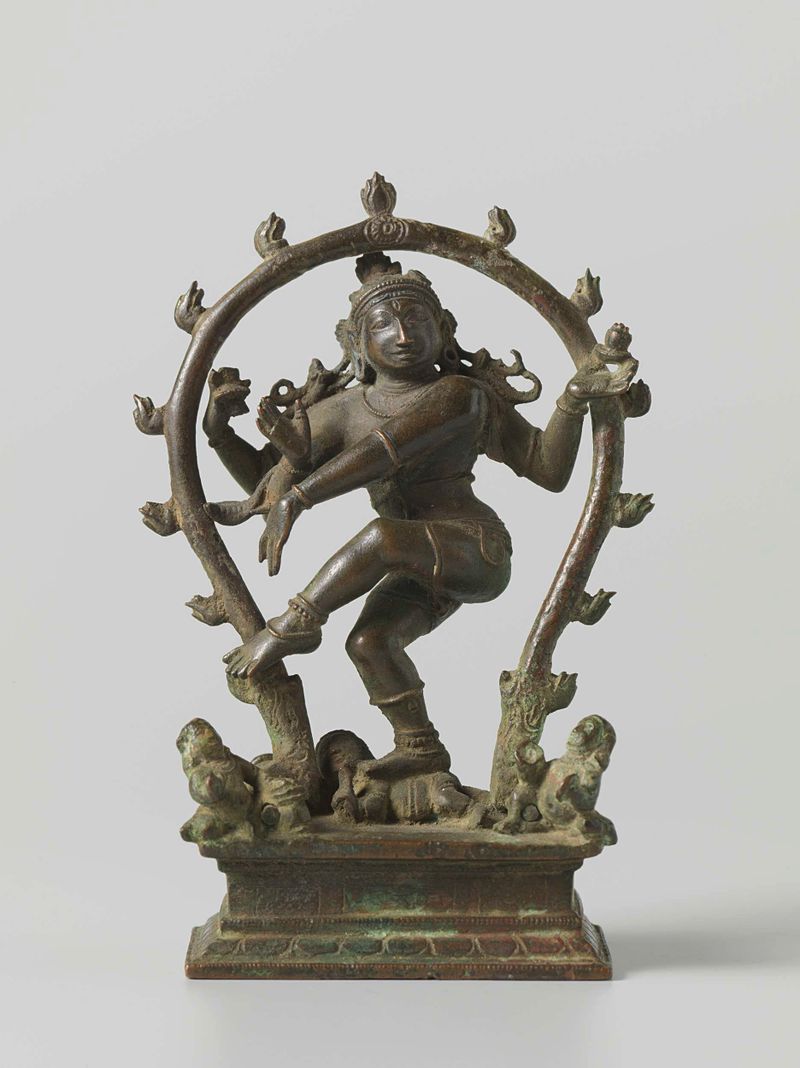
Shiva Nataraja
Unknown Artist

The Tale of Genji
Unknown Artist

The Tale of Genji
Unknown Artist
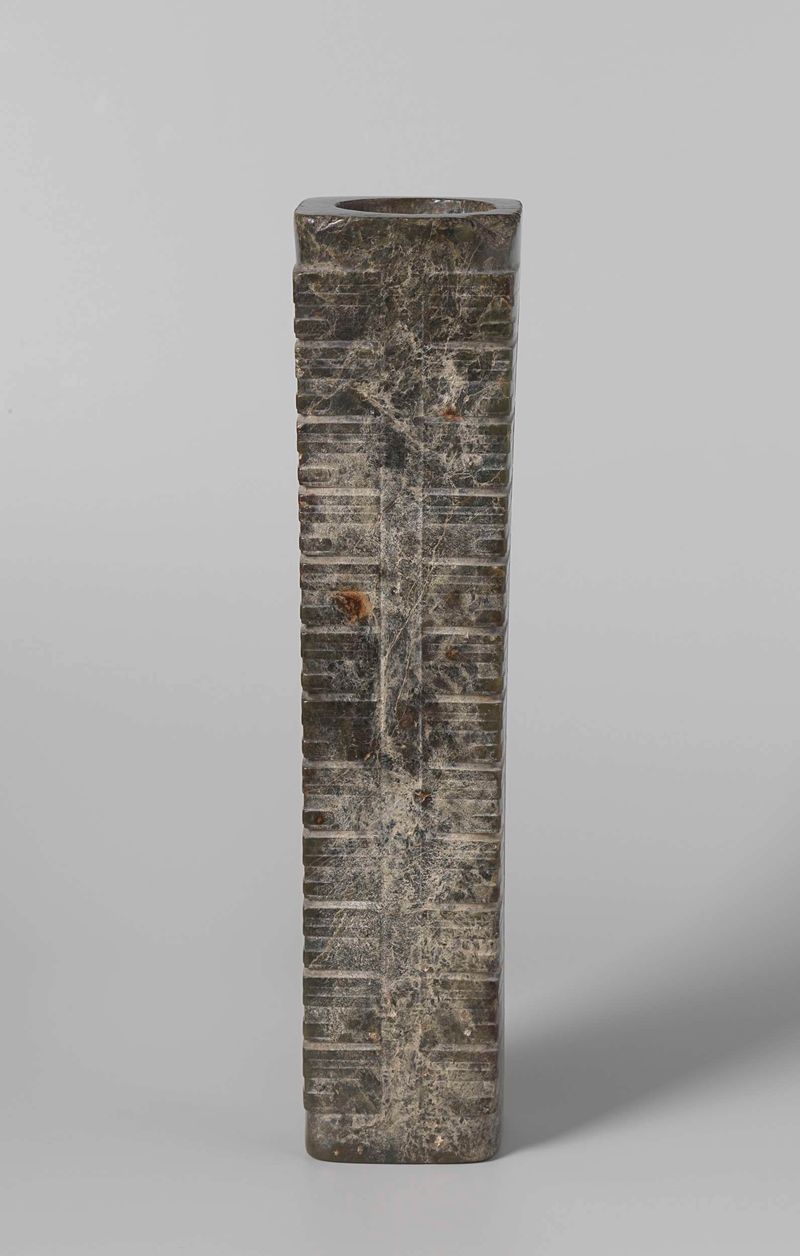
Cong
Unknown Artist
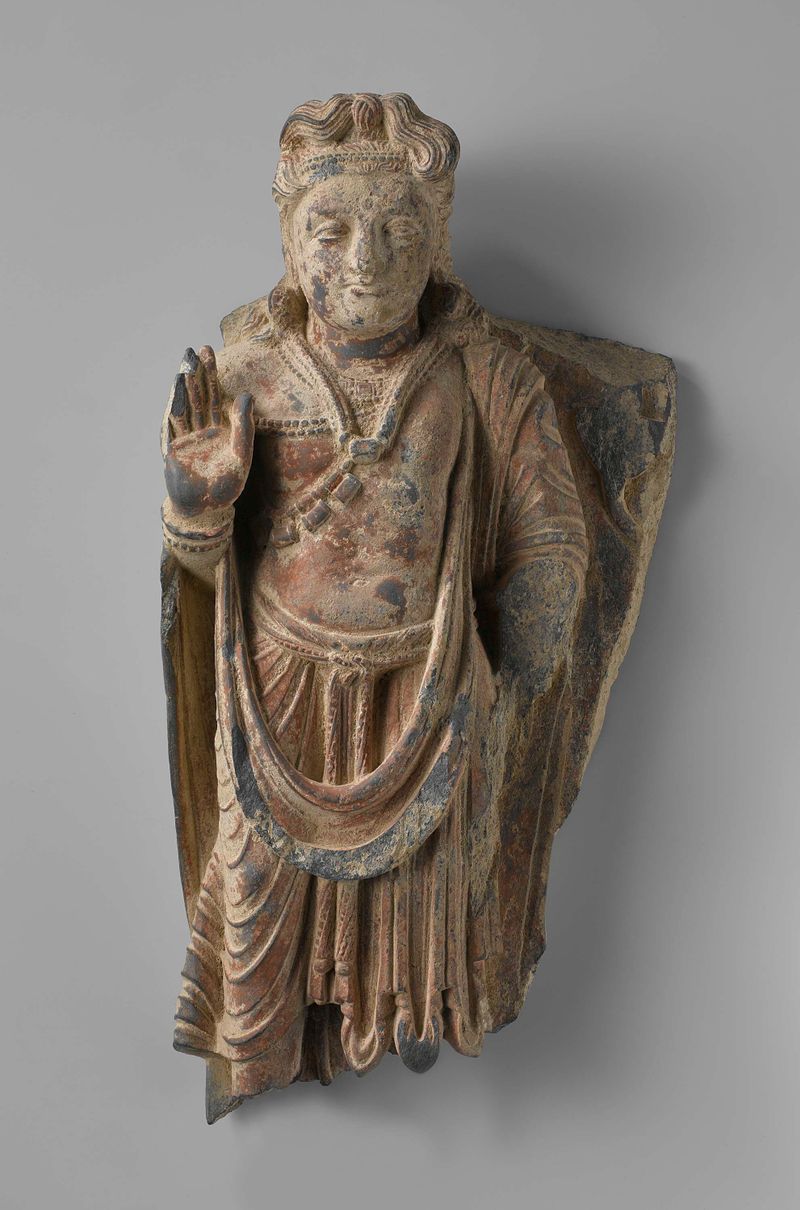
The bodhisattva Maitreya
Unknown Artist
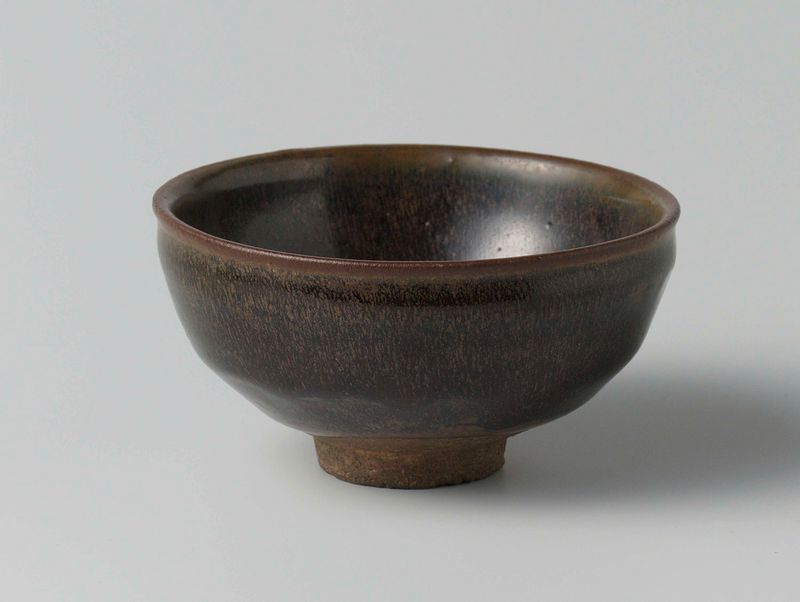
Teabowl with a 'hare's fur' glaze
Unknown Artist