
Eva zittend op boomstronk met een appel in haar hand — History & Facts
Who listens when art speaks of silence? In Eva zittend op boomstronk met een appel in haar hand, a quiet moment unfolds, drawing us into an intimate exchange between the viewer and the subject. This 16th-century piece invites contemplation, a window into the depths of faith and the human condition, rendered in the simple yet profound act of holding an apple. Look closely at the delicate contours of the figure, especially the way her fingers wrap around the fruit, a gesture that captures both innocence and temptation. The soft play of light illuminates her features, creating a warm glow that contrasts with the muted earth tones surrounding her.
The composition is intimate, drawing the eye to the delicate balance between the woman and the natural world, where the subtle textures of the tree stump provide grounding against her ethereal presence. Beyond the surface, the apple serves as a potent symbol of choice and consequence, evoking the familiar biblical narrative of temptation. The slight tilt of her head suggests a moment of reflection, as if she stands on the precipice of a decision weighing heavily on her conscience. The calm yet pensive expression invites viewers to question their own beliefs and the nature of faith, capturing the tension between desire and morality. Created during a period of profound religious upheaval in Europe, this artwork emerged in 1519, as the Reformation began to reshape spiritual landscapes.
Hans Sebald Beham, associated with the Northern Renaissance, navigated this complex environment through his art, revealing both the beauty and the moral dilemmas of existence. This painting reflects not just his technical prowess but a deep engagement with the themes of faith and humanity that resonate throughout his work.
More Artworks by Hans Sebald Beham
Browse all →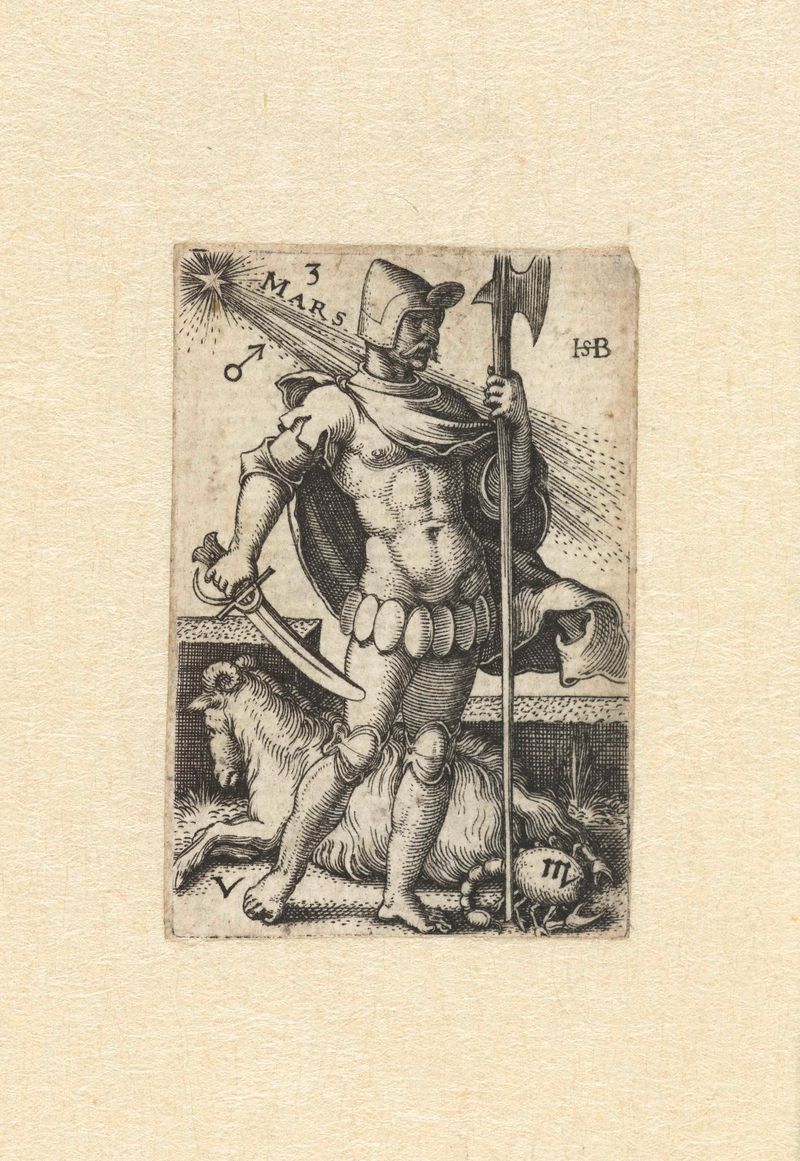
Mars met sterrenbeelden Ram en Schorpioen
Hans Sebald Beham

Achilles in gevecht met Hector
Hans Sebald Beham
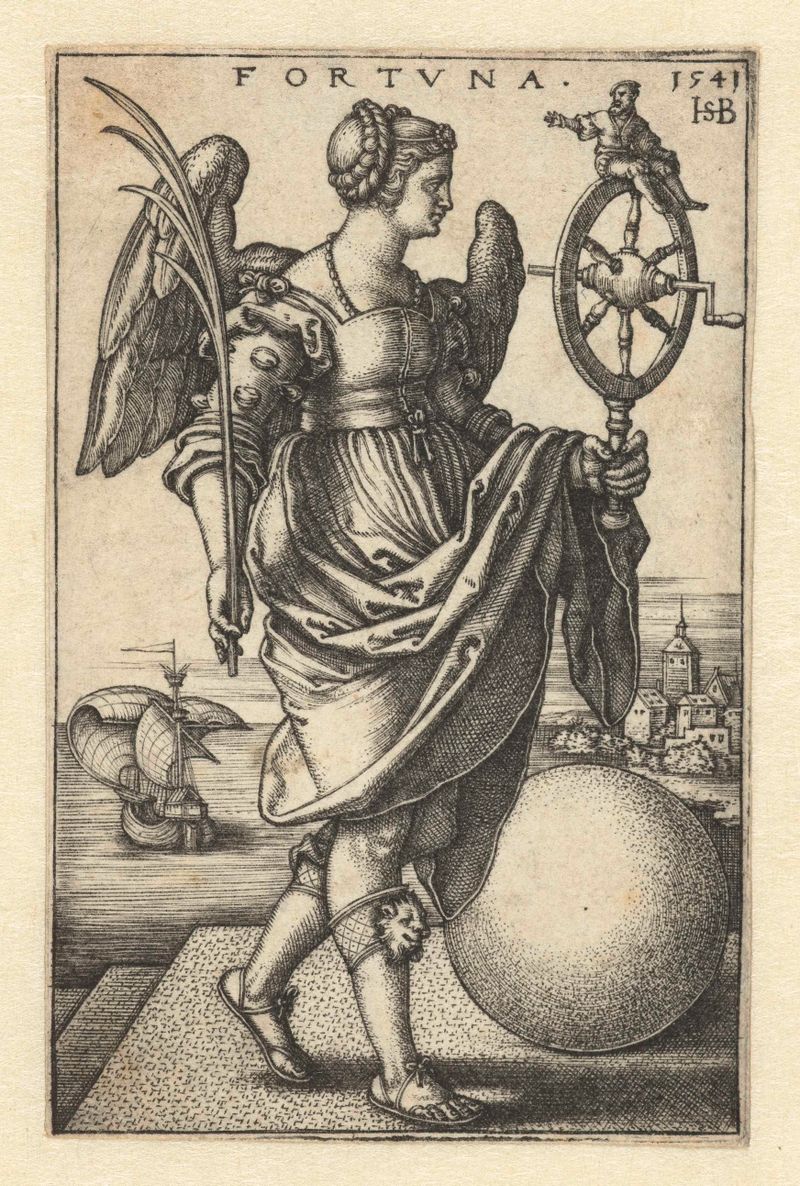
Fortuna
Hans Sebald Beham

Hercules worstelt met Antaeus
Hans Sebald Beham

Twee muzikanten met schalmey en doedelzak
Hans Sebald Beham

Voorzichtigheid (Prudentia)
Hans Sebald Beham

Hercules in gevecht met de Trojanen
Hans Sebald Beham
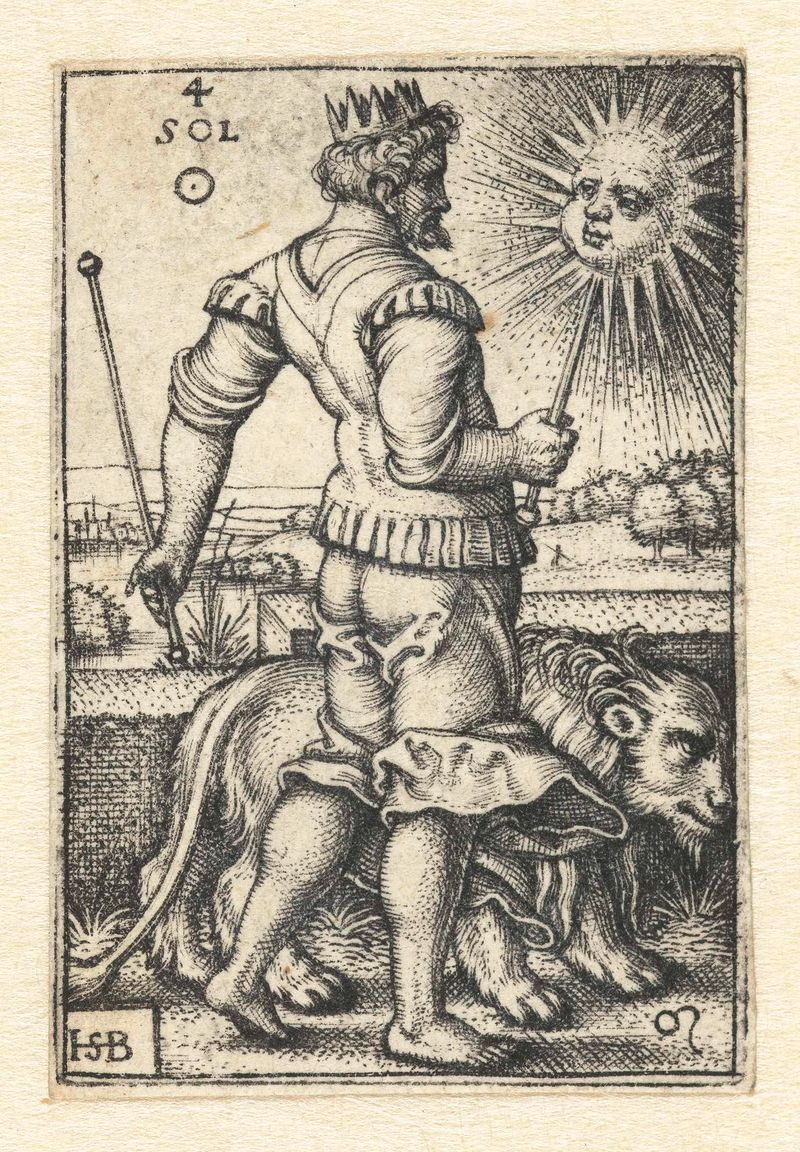
Apollo (Sol) met sterrenbeeld Leeuw
Hans Sebald Beham
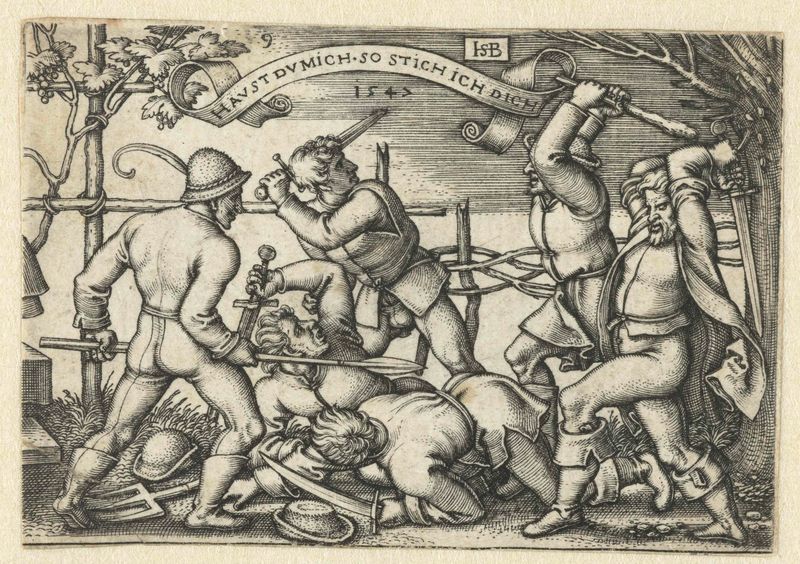
Vechtende boeren met zwaarden
Hans Sebald Beham
Hercules in gevecht met centaurs
Hans Sebald Beham





