
Evening Landscape — History & Facts
In the delicate twilight of a fading day, the universe reveals its paradoxes—where ecstasy and melancholy intertwine in a dance of light and shadow. Look closely at the horizon, where the sun sinks beneath distant hills, casting a warm, golden glow that blankets the landscape in a soft embrace. The foreground presents a tranquil field, its muted greens and browns juxtaposed against the vibrant oranges and pinks of the sunset. Notice how the brushstrokes flow like gentle waves, creating a sense of movement that draws the eye across the canvas, inviting the viewer to wander through this serene yet charged atmosphere. Amidst the beauty of the landscape lies an undercurrent of emotional tension—a reminder of the fleeting nature of such moments.
The deepening shadows hint at the oncoming night, representing the inevitability of change and the bittersweet nature of memory. The juxtaposition of light and dark evokes feelings of both tranquility and longing, suggesting that existing in this ephemeral beauty is a poignant experience that cannot last. In 1892, Mednyánszky created this piece during a period of introspection, reflecting his personal struggles with identity and place in the art world. Living in Hungary, he was deeply influenced by the Symbolist movement and the emerging modernist trends, yet he remained rooted in the Romantic ideals of landscape painting.
This tension between the familiar and the evolving is palpable in Evening Landscape, elucidating both the artist’s inner turmoil and his profound connection to the natural world.
More Artworks by Ladislav Mednyánszky
Browse all →
Winter Landscape
Ladislav Mednyánszky
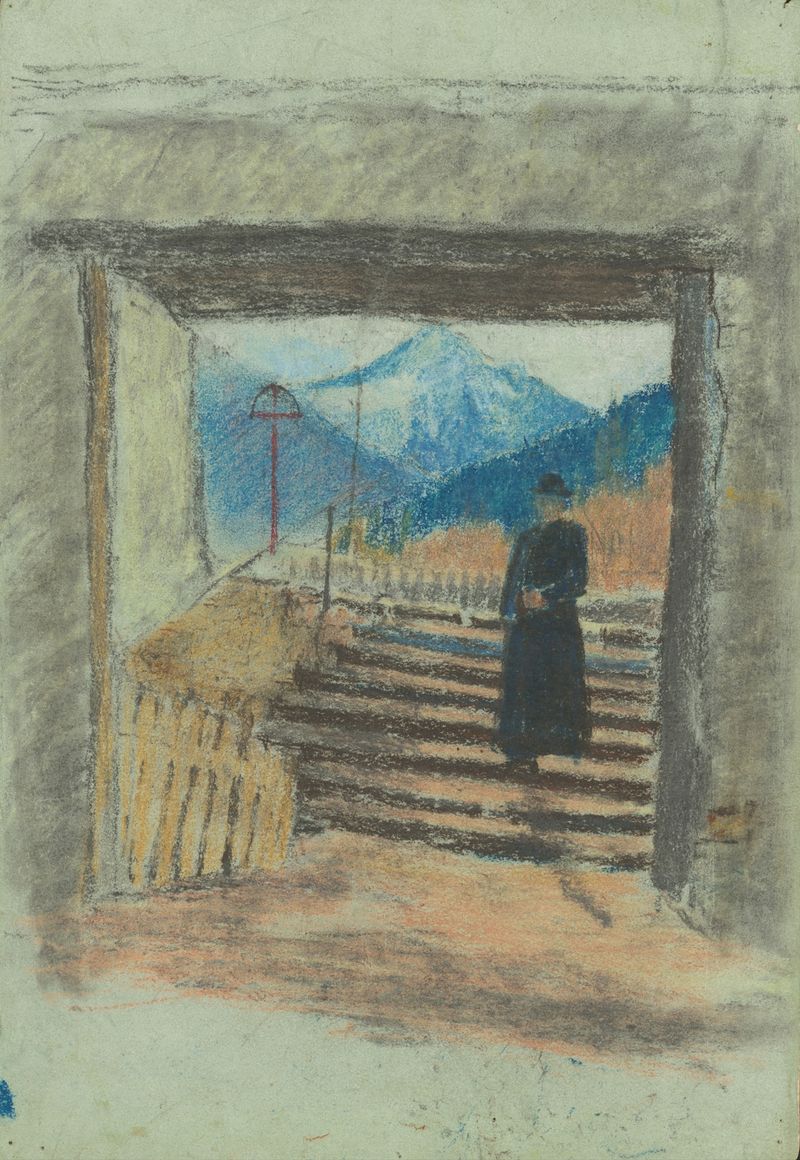
Out of Cemetery
Ladislav Mednyánszky

Lomnický Peak
Ladislav Mednyánszky

Nad riekou
Ladislav Mednyánszky
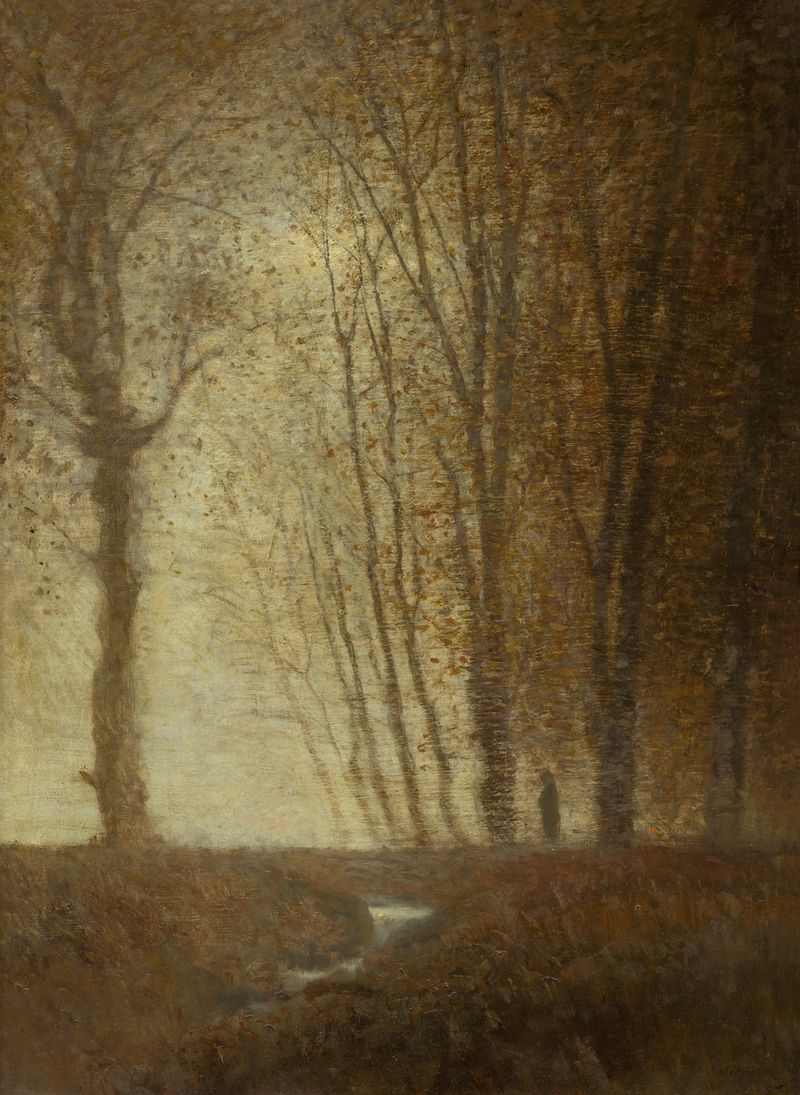
Edge of the Forest in the Moonlight
Ladislav Mednyánszky

View of the Ruins of Súľov
Ladislav Mednyánszky

Landscape with a Lake
Ladislav Mednyánszky
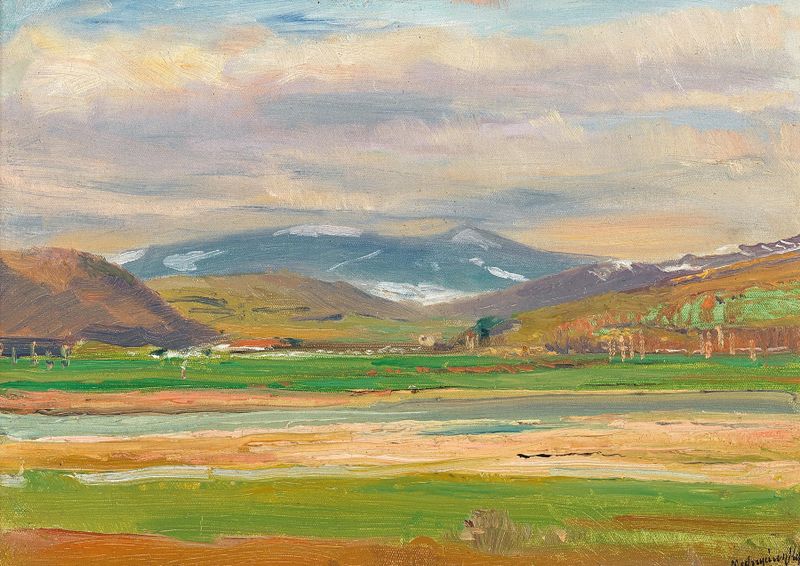
A Spring Landscape at the Foot of the Tatras
Ladislav Mednyánszky

A Wintry Forest
Ladislav Mednyánszky
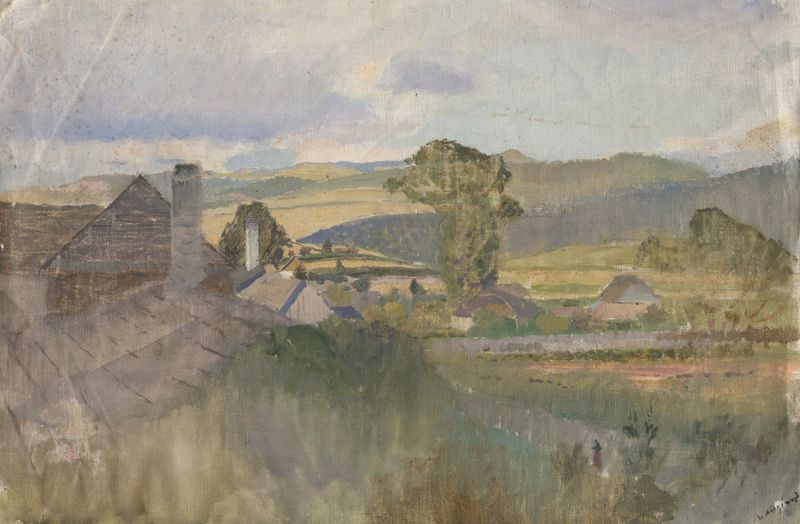
Village below the Tatras
Ladislav Mednyánszky





