
Evening Light — History & Facts
In a world awash with noise, the quiet moments of transformation often speak the loudest. Look to the left, where a delicate interplay of soft blues and warm golds captures the essence of twilight. The gentle brushstrokes suggest the fading light of day, illuminating the landscape in a tender embrace. As your gaze travels across the canvas, the ethereal quality of the colors becomes evident, with each hue blending seamlessly into the next, inviting a sense of calm and introspection. Upon closer inspection, hidden contrasts reveal themselves; the vibrant warmth of the sky juxtaposes with the coolness of the shadows below, symbolizing the perpetual cycle of endings and beginnings.
This duality evokes a profound emotional tension, as the viewer is reminded of their own transformations — both subtle and monumental. The sparse composition allows for contemplation, encouraging one to seek refuge in the spaces where color meets silence. During the period MacLaughlan created this piece, he was immersed in the Impressionist movement, primarily active in the early 20th century. Living in California, he was influenced by the rich landscapes and changing light of the region.
This era marked a shift in artistic expression, moving away from realism towards a more emotive, sensory experience. In this context, Evening Light emerges as a testament to the power of transformation, both in nature and within the artist’s evolving style.
More Artworks by Donald Shaw MacLaughlan
Browse all →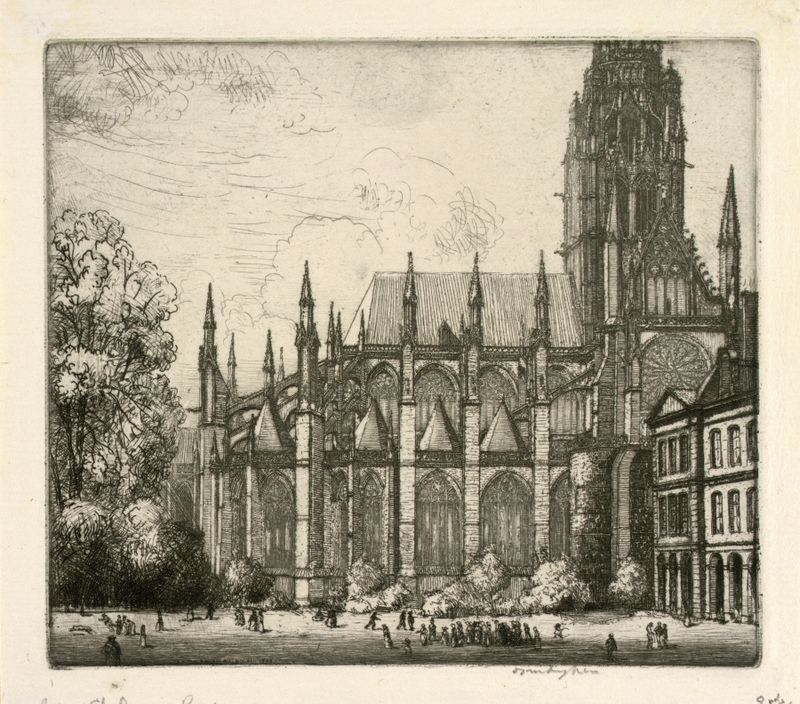
Saint-Ouen, Rouen
Donald Shaw MacLaughlan

Ruelle des Pigeons, Rouen
Donald Shaw MacLaughlan
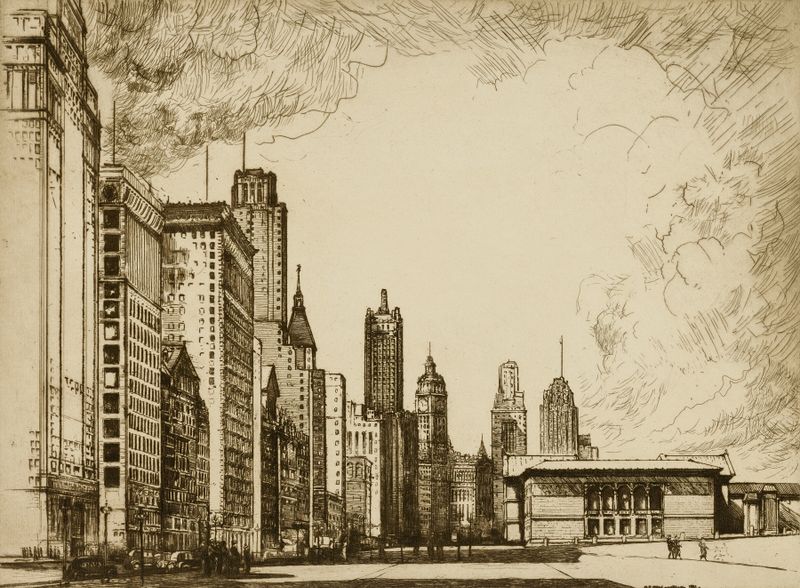
Chicago, Michigan Avenue no. 2
Donald Shaw MacLaughlan
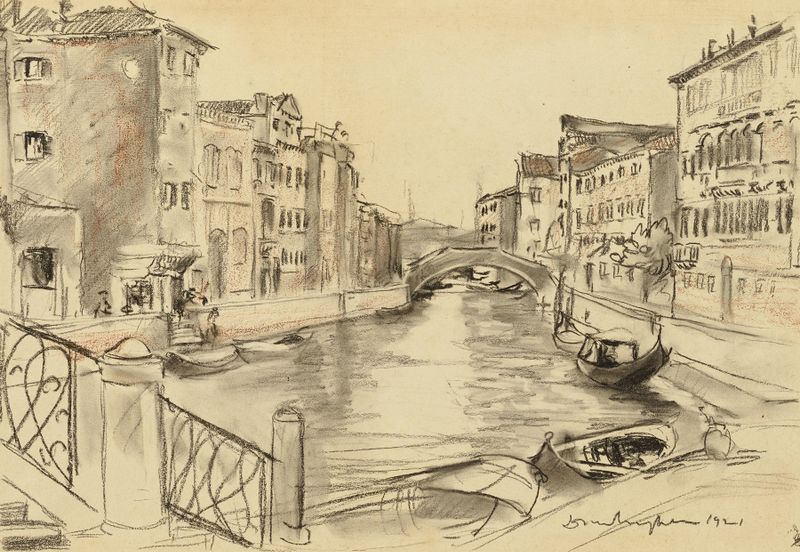
A Canal at Venice
Donald Shaw MacLaughlan
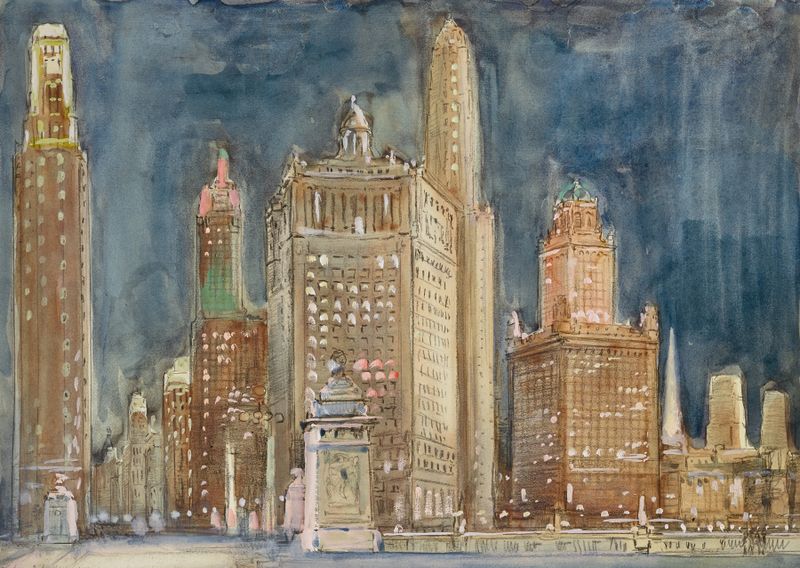
Chicago, London Guaranty Building
Donald Shaw MacLaughlan
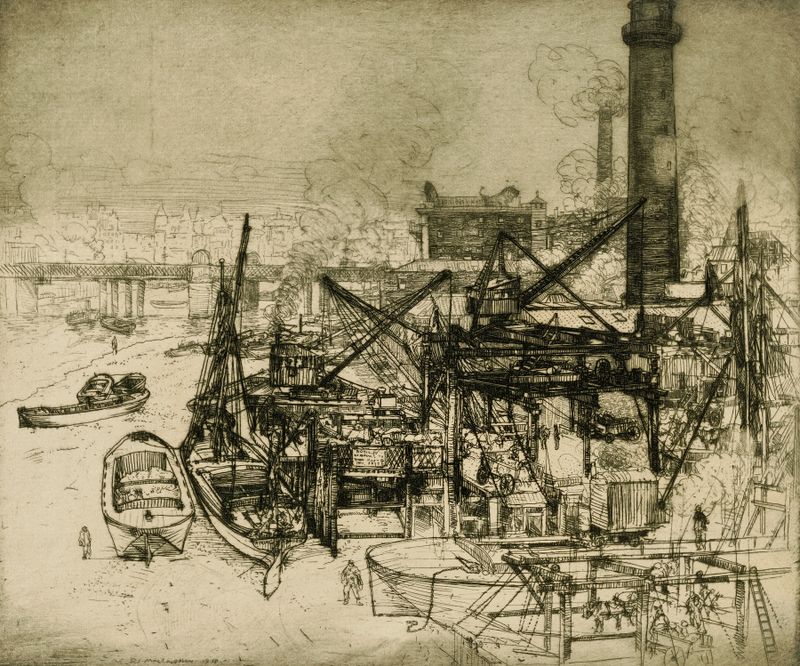
Chimneys and Cranes on the Thames
Donald Shaw MacLaughlan

London on the Thames
Donald Shaw MacLaughlan
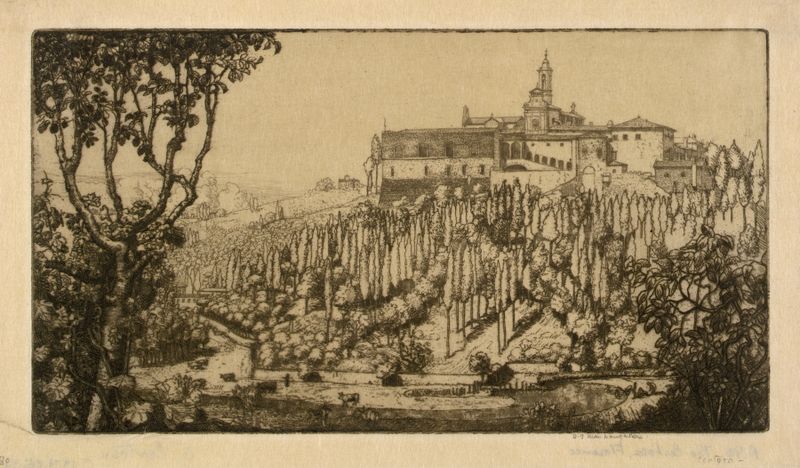
The Certosa, Florence
Donald Shaw MacLaughlan
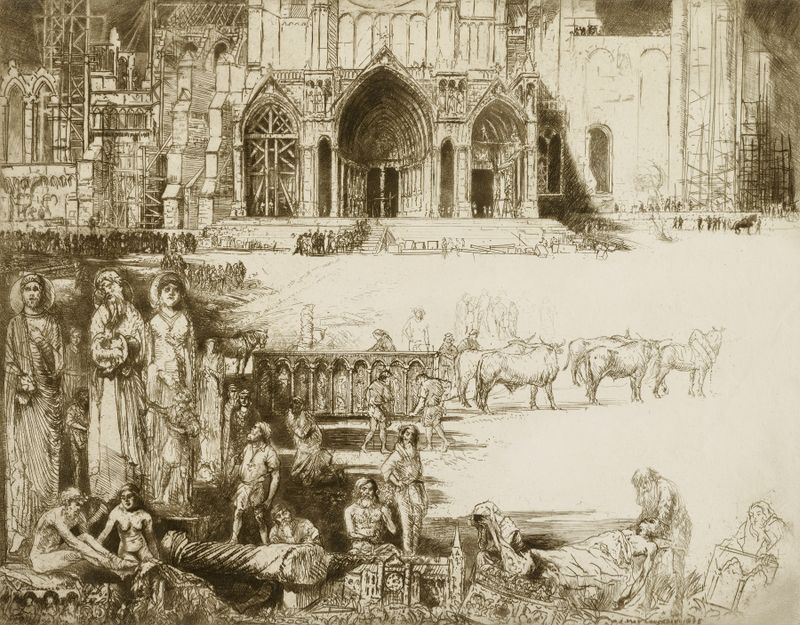
The Builders of Chartres Cathedral
Donald Shaw MacLaughlan

The Canal Life, Venice
Donald Shaw MacLaughlan





