
Execution of Mary Stuart — History & Facts
In Execution of Mary Stuart, George Romney depicts a dramatic scene filled with tension. The painting features Mary Stuart, dressed in white, as she stands resolute before her execution. Dark, moody colors dominate the background, contrasting with her pale attire.
Surrounding figures express a range of emotions, from sorrow to indifference. Romney employs oil on canvas to create this historical narrative. The brushwork is detailed, capturing the expressions and emotions of the figures involved. The composition is carefully arranged, drawing the viewer's eye to Mary Stuart at the center.
The use of light and shadow enhances the dramatic effect of the scene. George Romney was known for his portraits and historical scenes, and this work reflects his interest in dramatic storytelling. Painted in the late 18th century, it captures a significant moment in British history. Interestingly, Romney's portrayal of Mary Stuart emphasizes her dignity in the face of death.
This painting remains a notable example of Romanticism in historical art.
More Artworks by George Romney

Lady Hamilton as Tragedy
George Romney
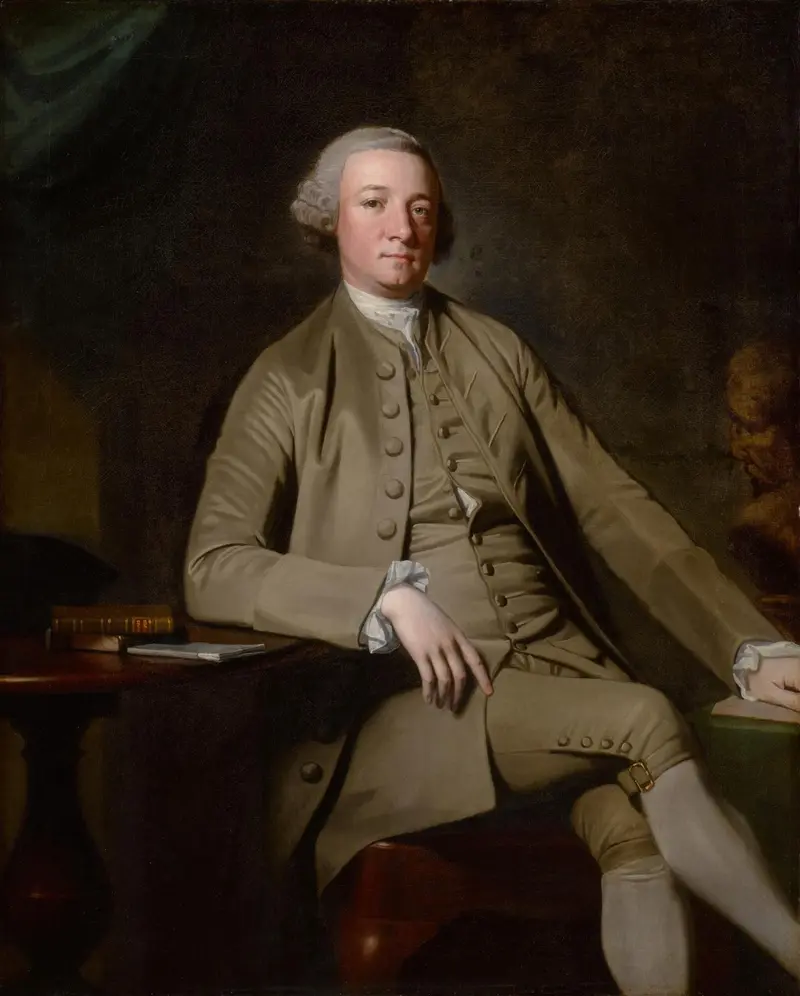
Portrait of a Gentleman, seated, probably William Suddel of Lancaster
George Romney
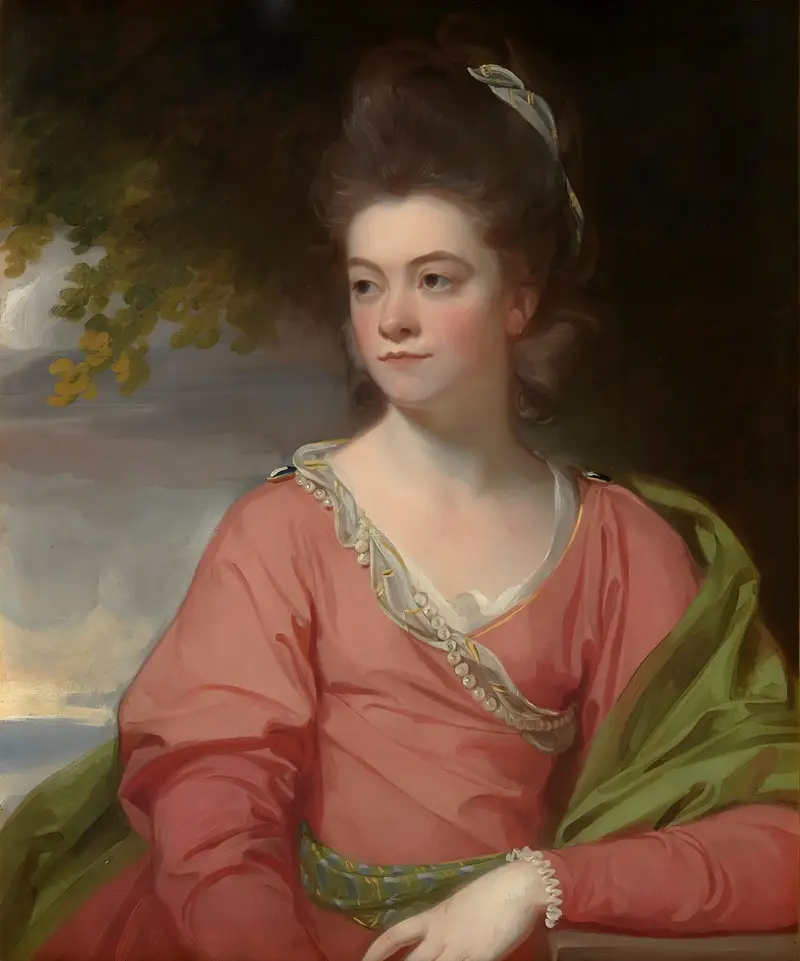
Portrait of a lady, traditionally identified as Miss Inchbold
George Romney
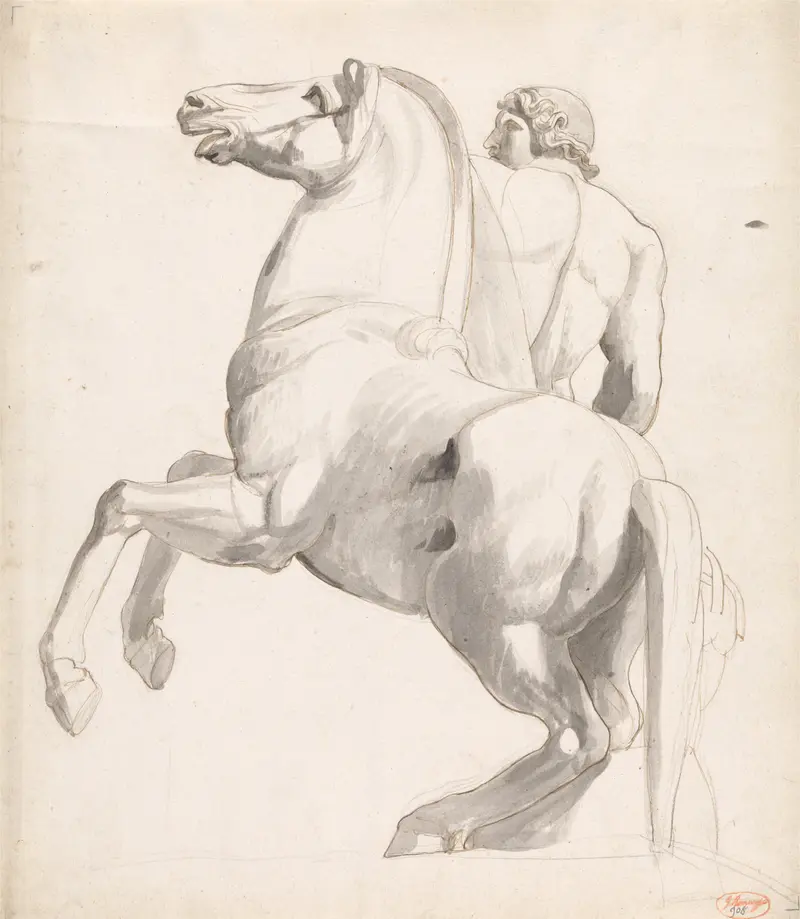
Horseman of Montecavallo
George Romney
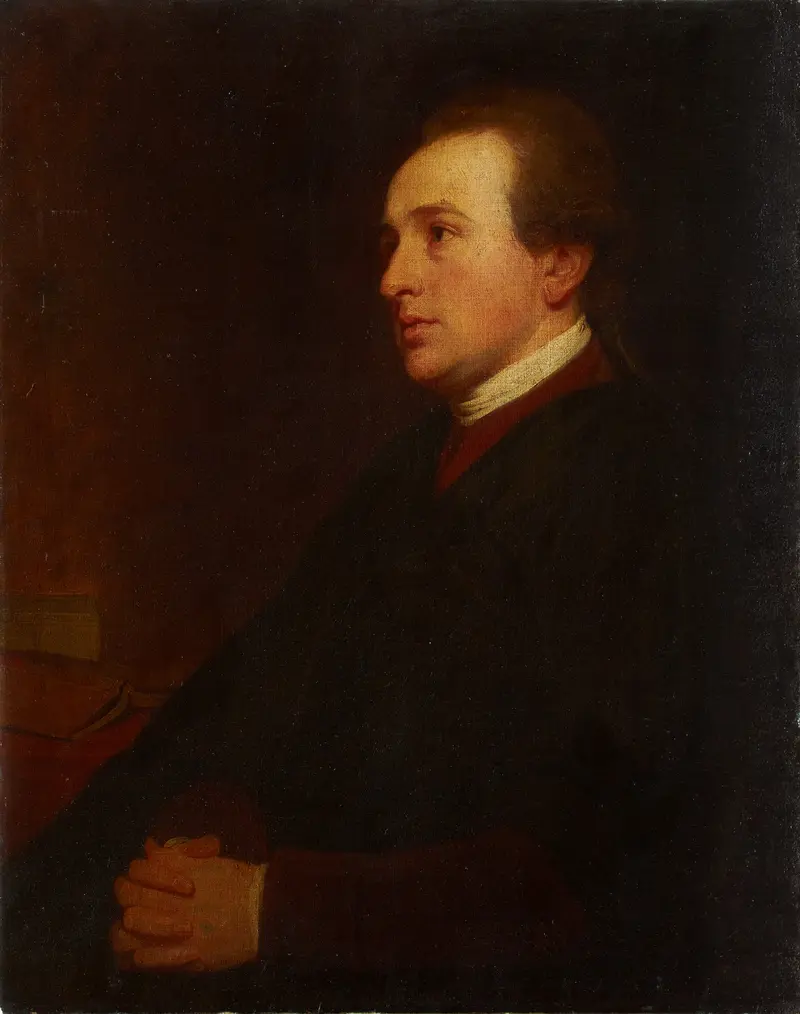
Portrait of a Young Man at his Desk
George Romney
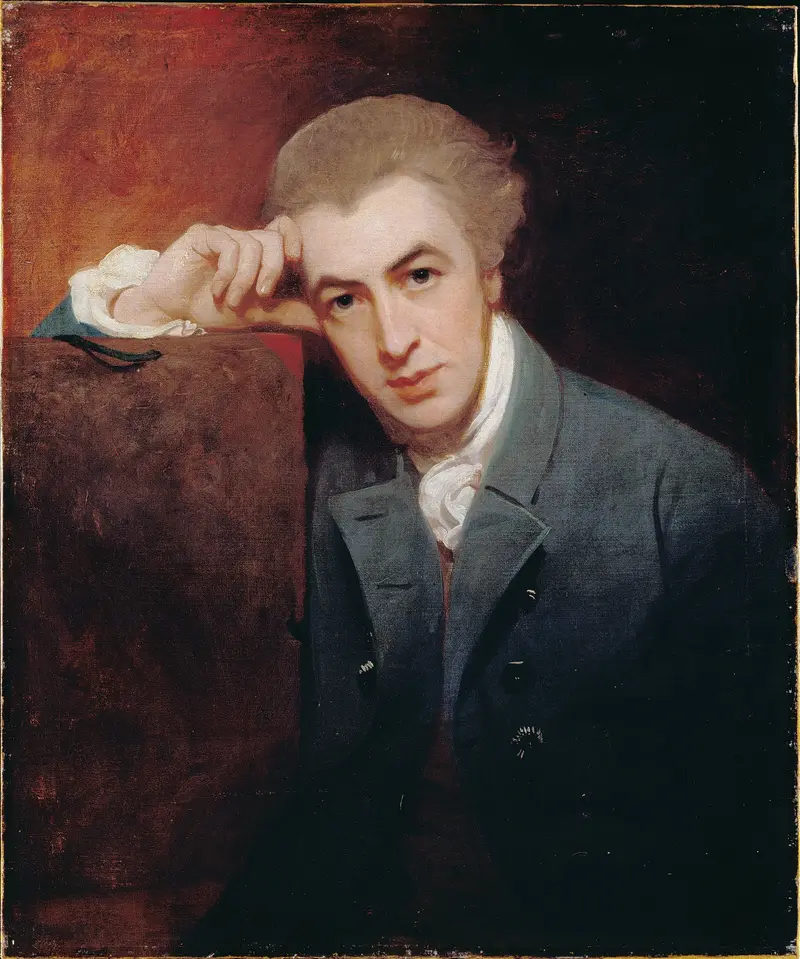
William Hayley
George Romney
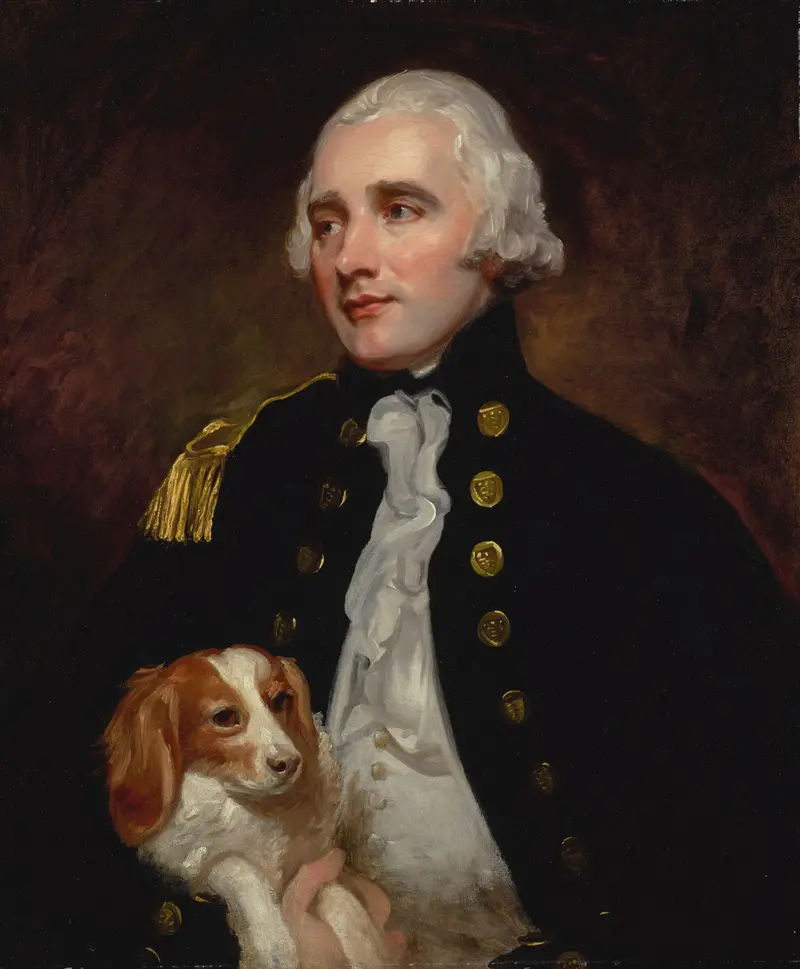
Portrait Of An Officer Of The Corps Of Engineers, Half-Length, Formerly Identified As Sir George Grey
George Romney
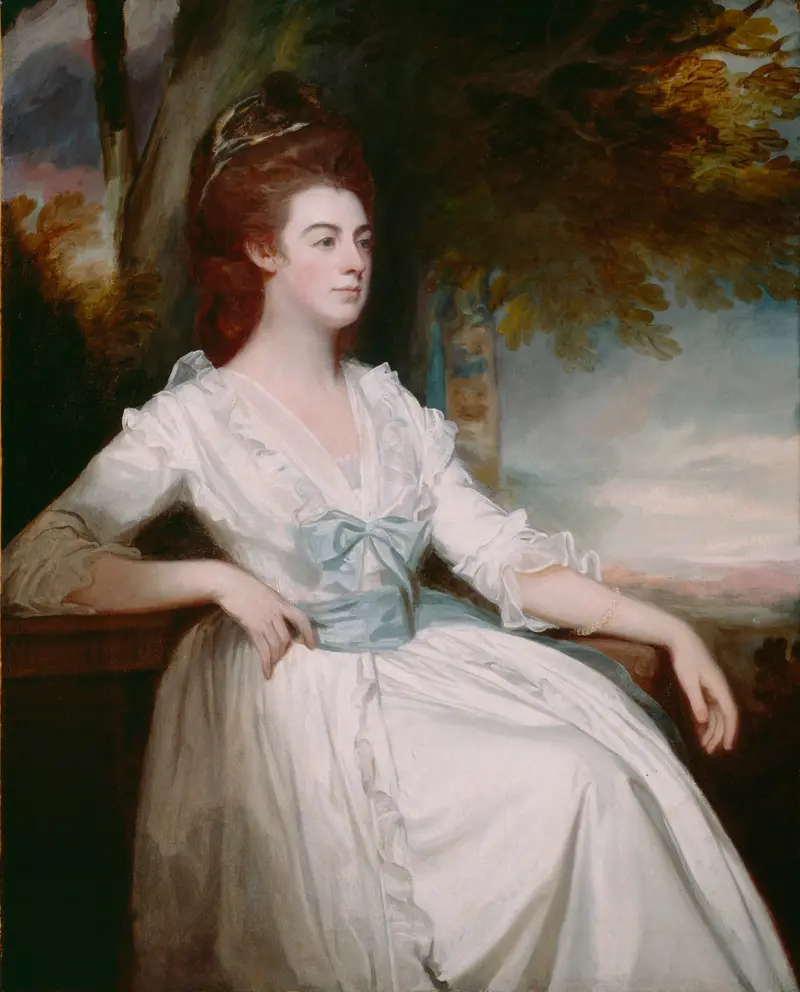
Miss Clavering
George Romney
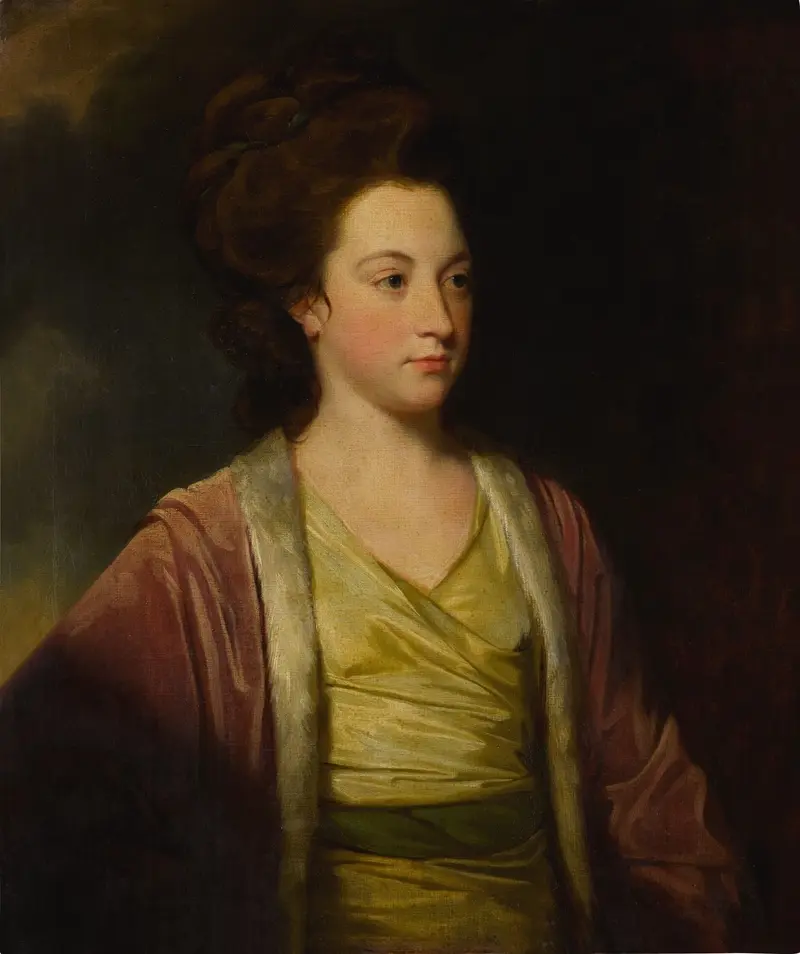
Portrait of Frances Alicia Bennet (b. 1749)
George Romney
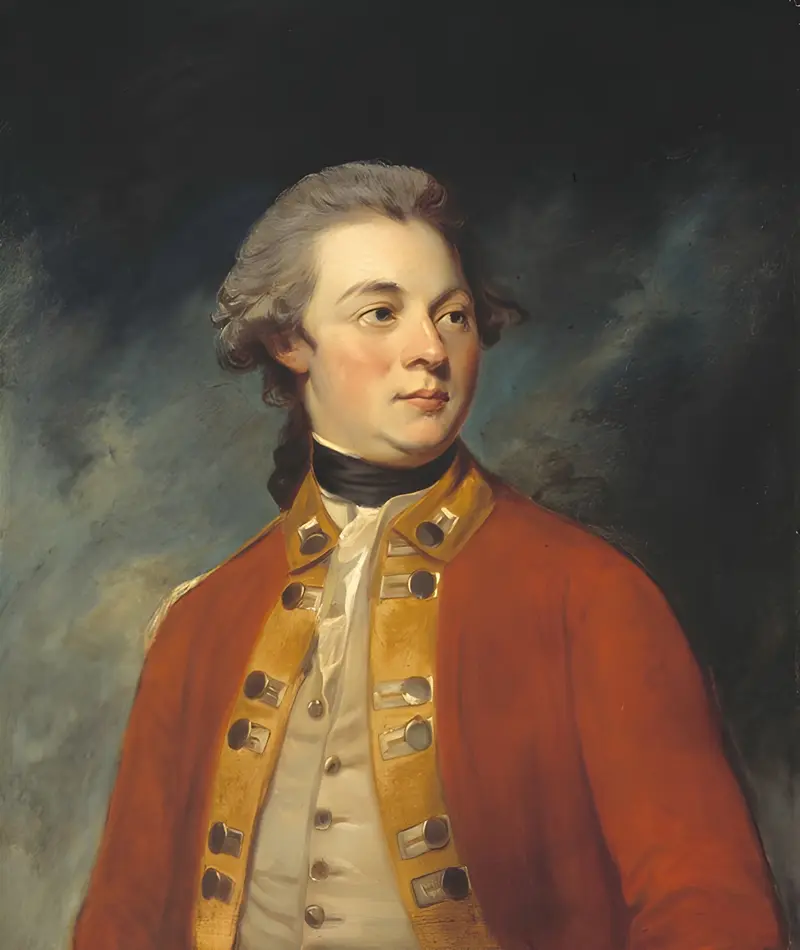
Portrait of Francis North, 4th Earl of Guilford (1761-1817)
George Romney





