
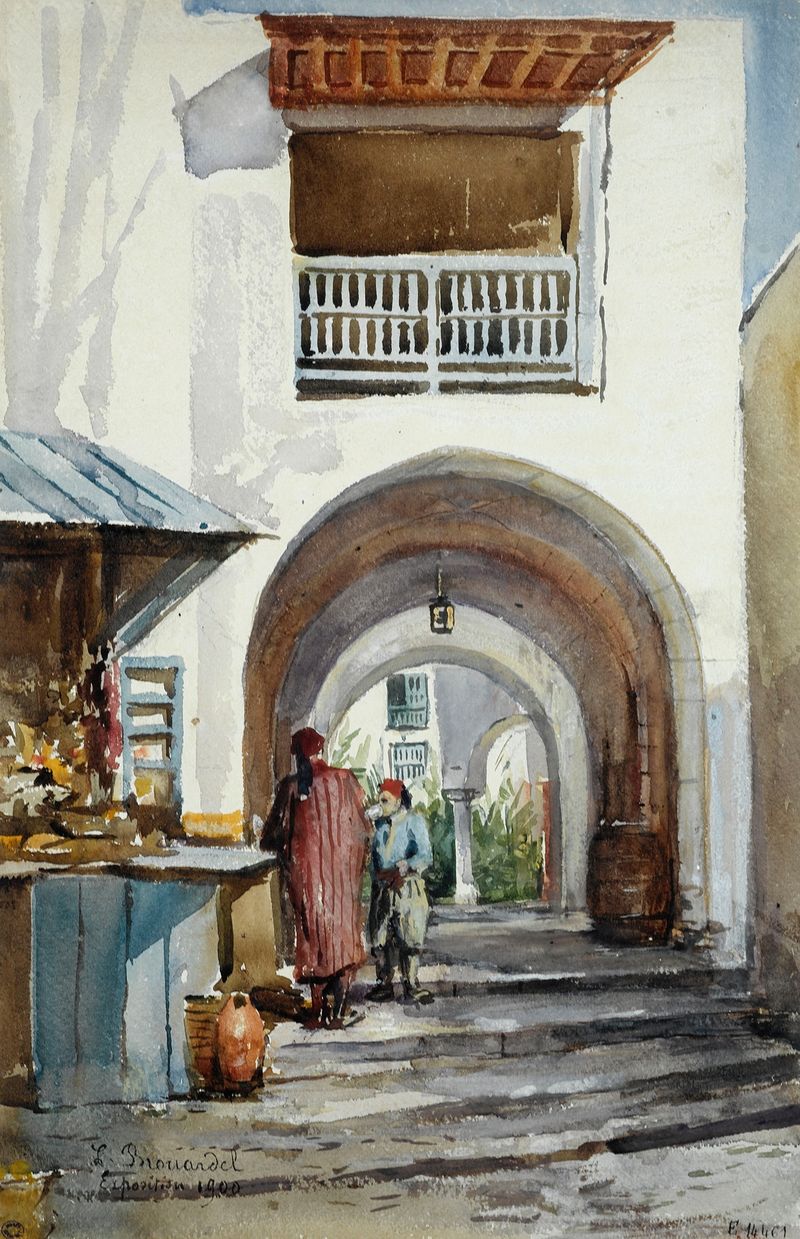
Exposition de 1900, pavillon de la Tunisie — History & Facts
In a world where moments swiftly fade, the act of capturing a scene becomes an act of defiance against mortality. Look to the center of the canvas, where an ornate pavilion rises, its intricate architecture drawing the eye. The vibrant hues of blue and gold envelop the structure, reflecting the sunlight that dances across its surfaces. Notice how the artists’ brushstrokes linger delicately around the fluted columns, invoking a sense of grandeur and fragility.
The juxtaposition of the rich colors against the muted background serves to emphasize the pavilion's significance, inviting contemplation on what it represents. As you delve deeper, subtle details emerge, whispering tales of cultural exchange and human connection. The figures gathered beneath the pavilion are rendered with a sense of intimacy, their postures revealing curiosity and awe. Yet, the looming shadows hint at a transient nature, suggesting that even as cultures intersect in celebration, they are also bound to fade—just like the pavilion itself.
This interplay between permanence and ephemerality evokes an emotional tension that resonates long after the viewer departs. In 1900, Laure Brouardel painted this scene during a time of great cultural celebration, showcasing Tunisia’s heritage at the Exposition Universelle in Paris. As the world was captivated by the allure of globalization, Brouardel found herself at the intersection of artistic innovation and historical significance, capturing a moment that would soon become a memory.
More Artworks by Laure Brouardel
Browse all →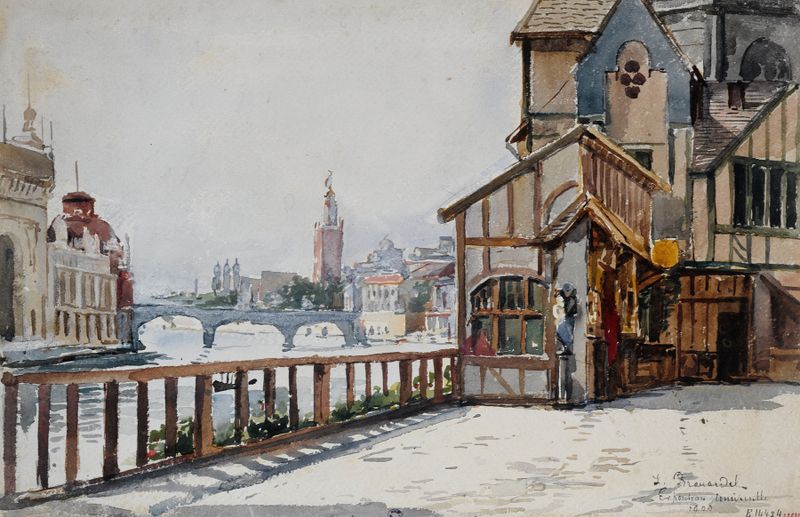
Exposition de 1900, entrée du Vieux Paris
Laure Brouardel
Exposition de 1900, pavillon de la Tunisie
Laure Brouardel
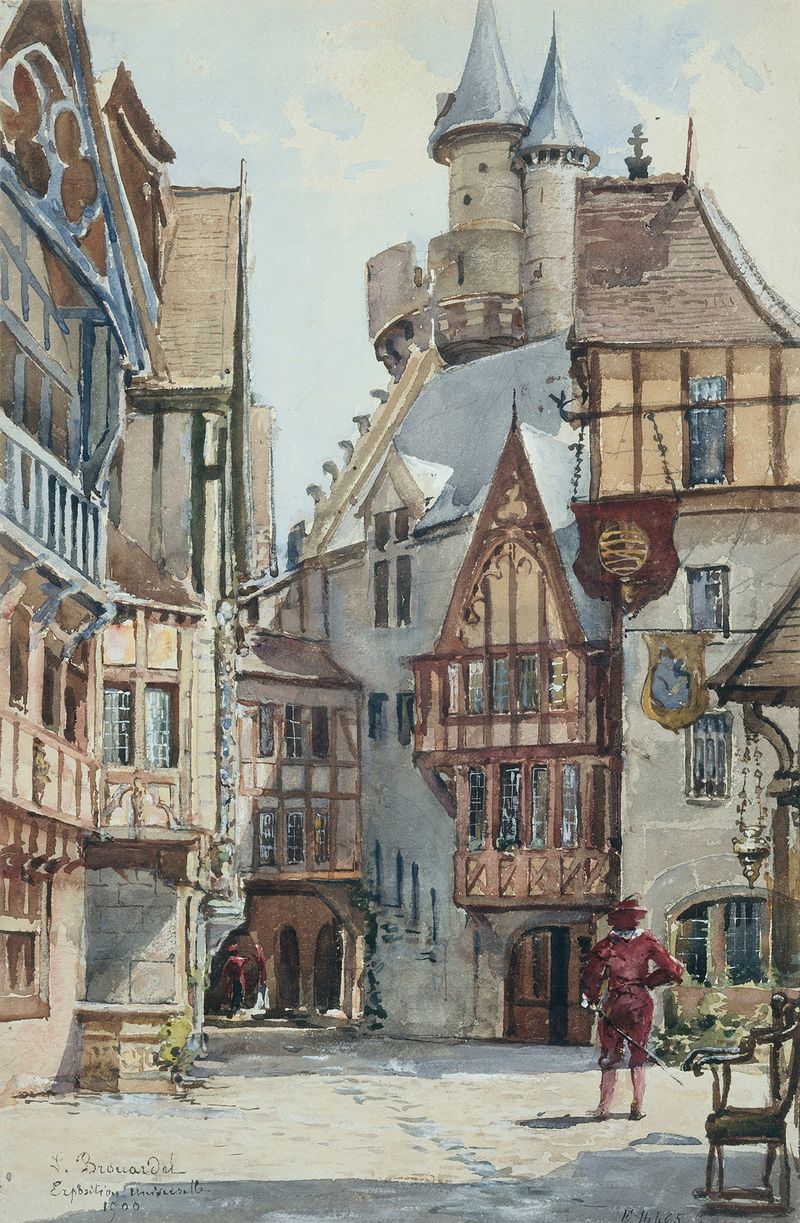
Exposition de 1900, le Vieux Paris
Laure Brouardel
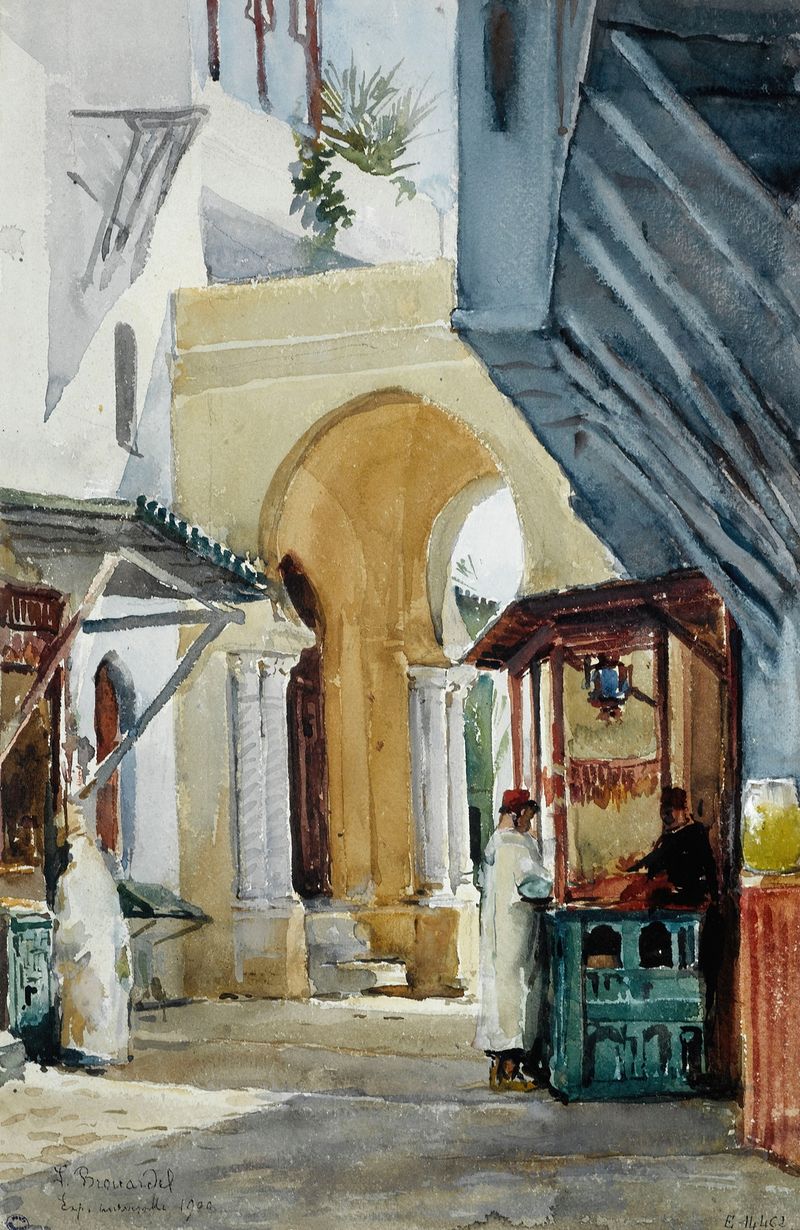
Exposition de 1900, pavillon de l’Algérie
Laure Brouardel
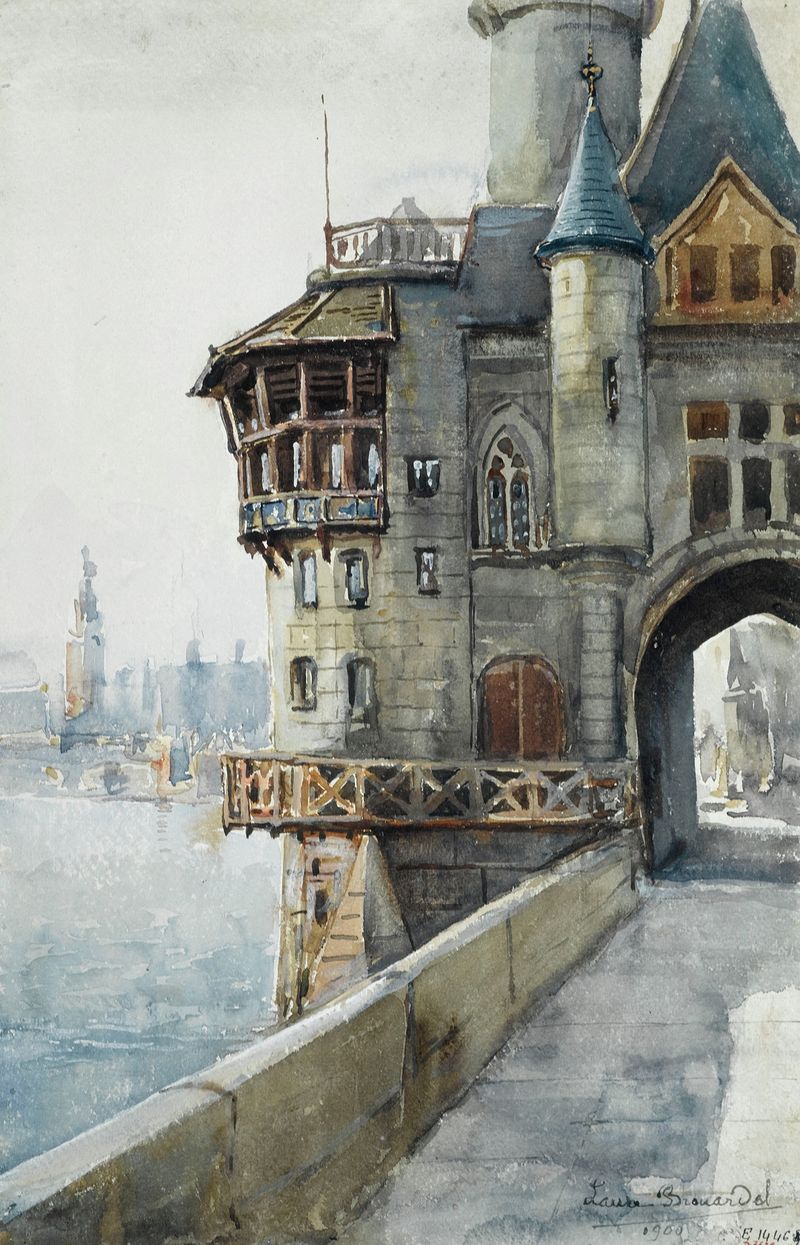
Exposition de 1900, le Vieux Paris
Laure Brouardel
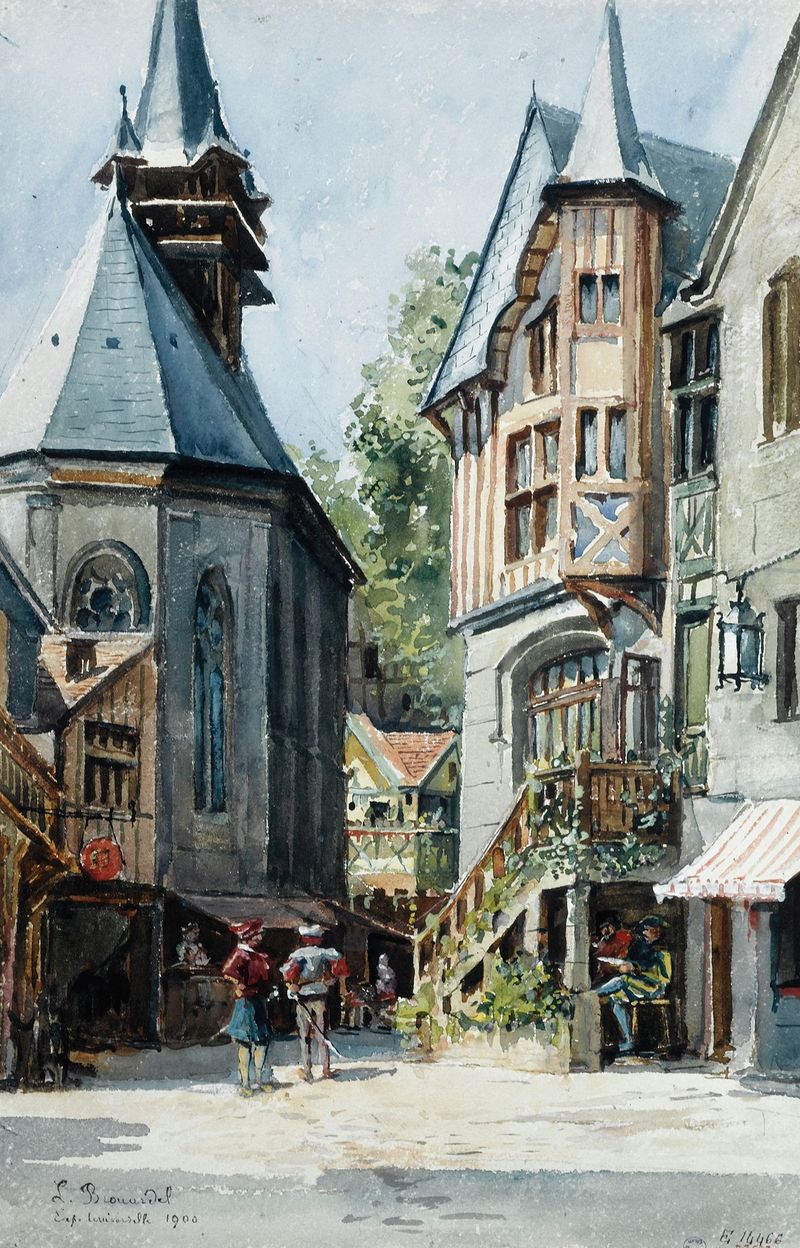
Exposition de 1900, le Vieux Paris
Laure Brouardel
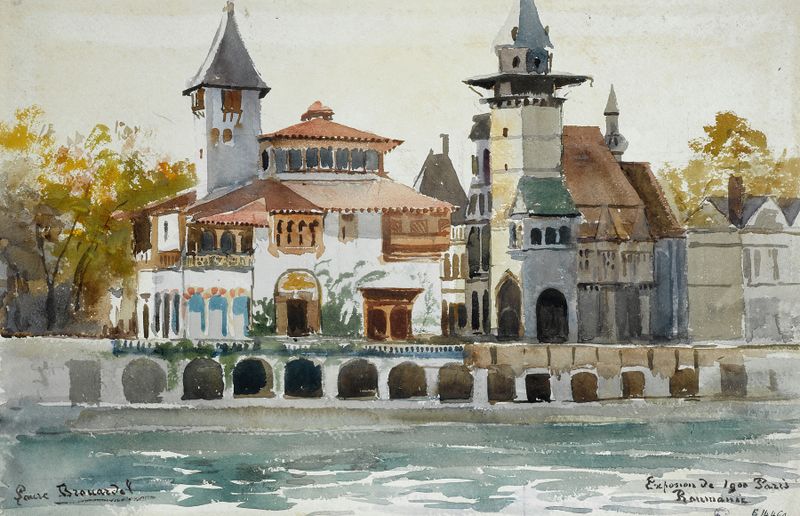
Exposition de 1900, le pavillon de la Roumanie
Laure Brouardel
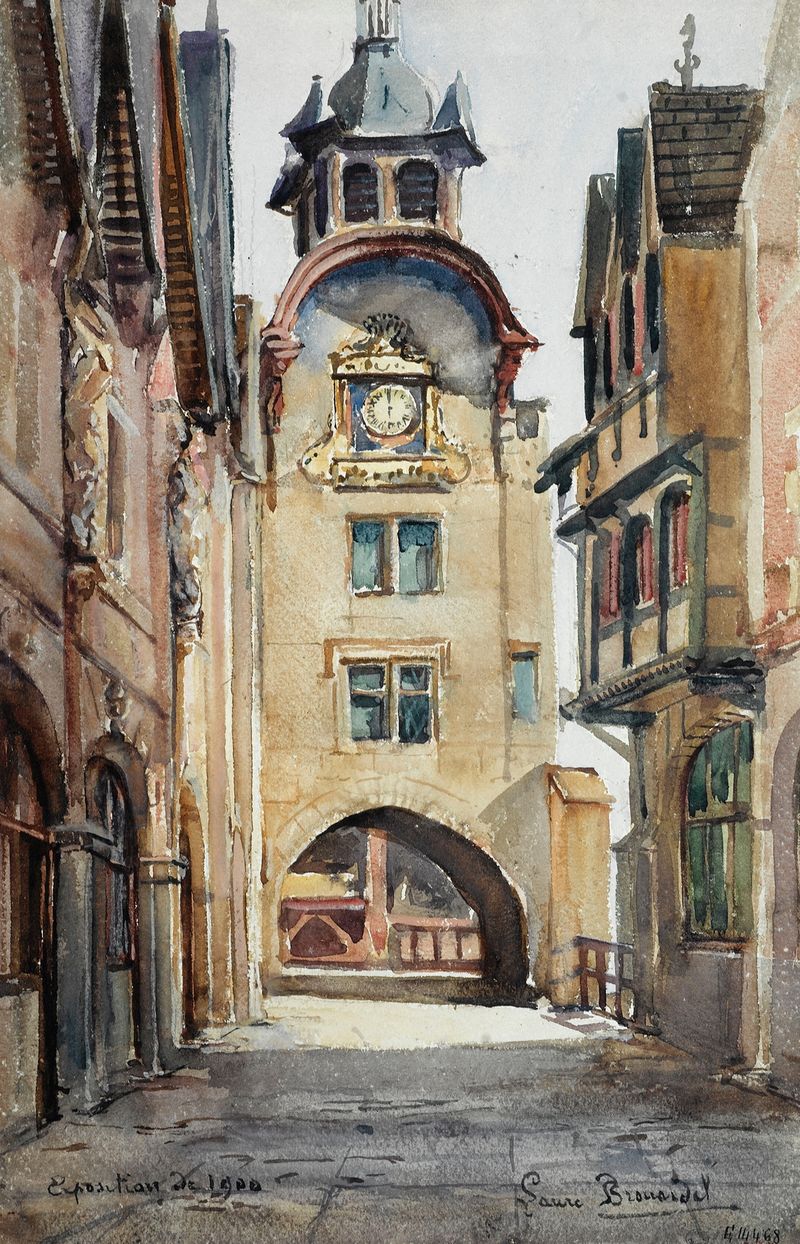
Exposition de 1900, le Vieux Paris
Laure Brouardel
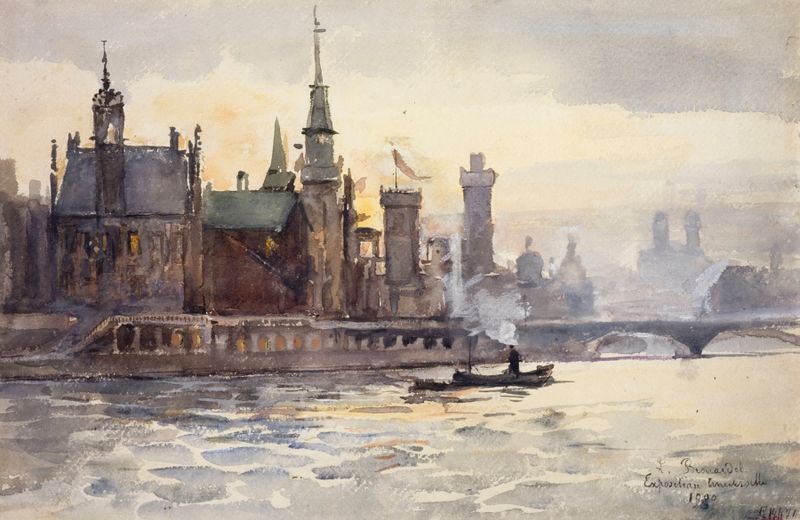
Exposition de 1900, pavillons étrangers
Laure Brouardel
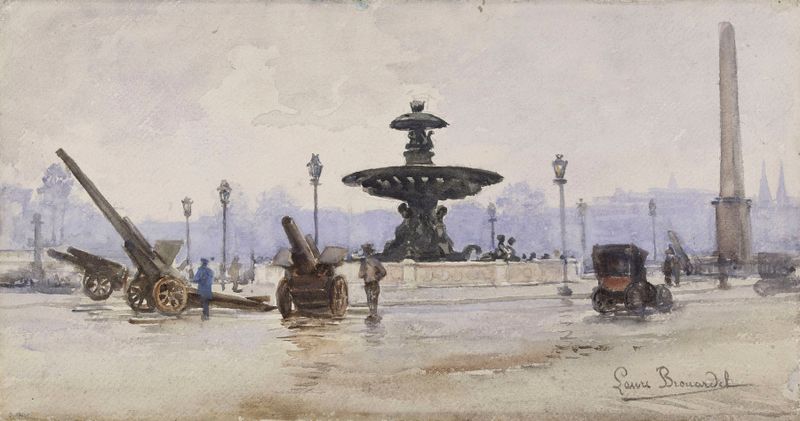
La place de la Concorde pendant la Grande Guerre.
Laure Brouardel
More Architecture Art
Browse all →
The statue of Liberty
Frédéric Auguste Bartholdi

View of Houses in Delft, Known as ‘The Little Street’
Johannes Vermeer

View of Houses in Delft, Known as ‘The Little Street’
Johannes Vermeer

The Cathedral in Rouen. The portal, Grey Weather
Claude Monet

The yellow house
Vincent van Gogh

The Church in Auvers-sur-Oise, View from the Chevet
Vincent van Gogh