Extensive Landscape with Valley and Mountains (The Susquehanna Valley) — History & Facts
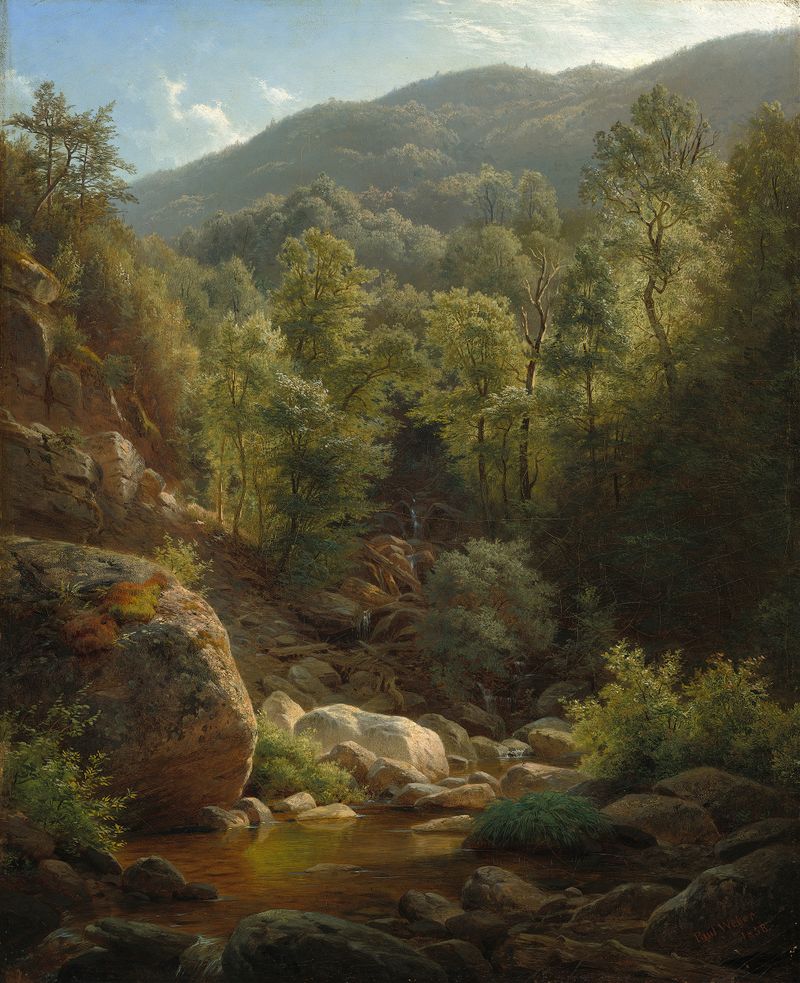
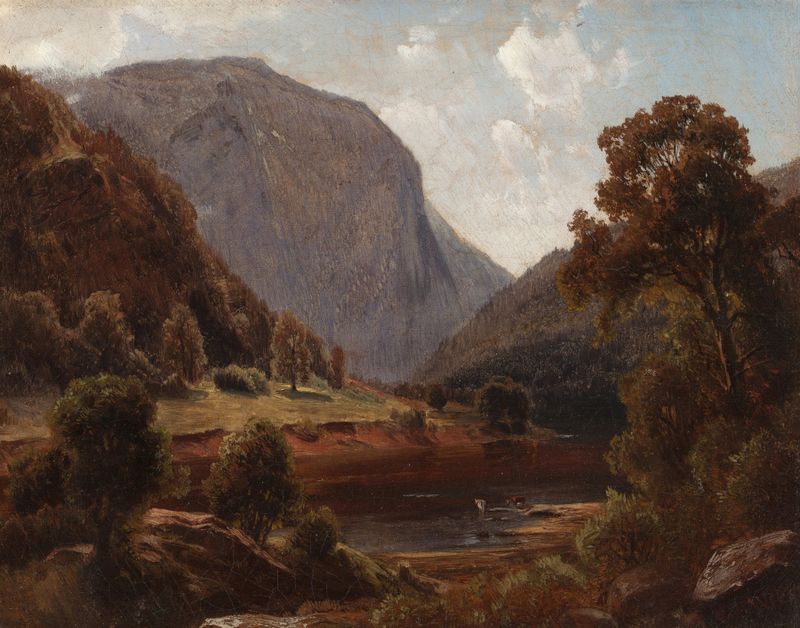
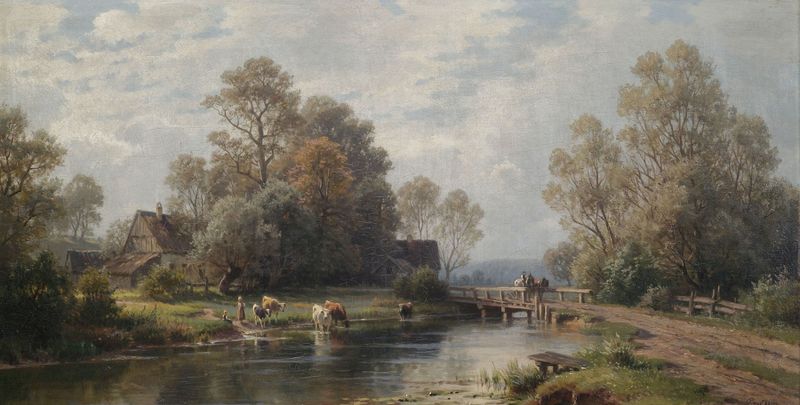
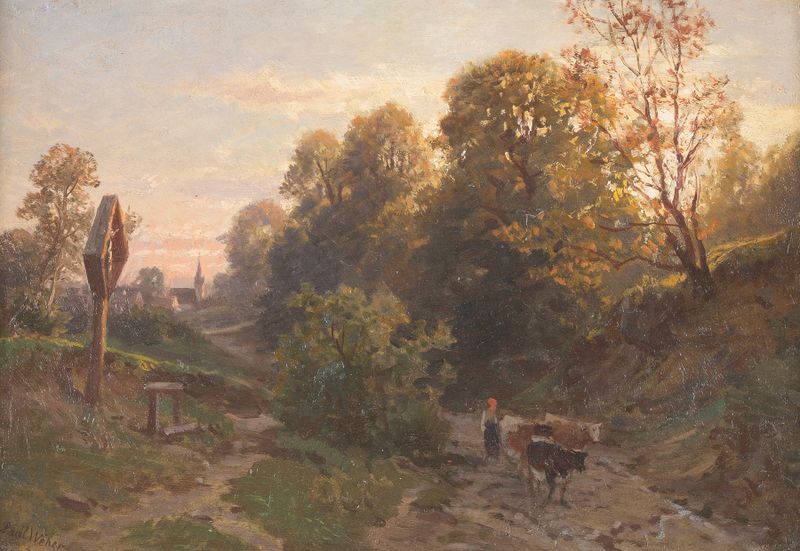
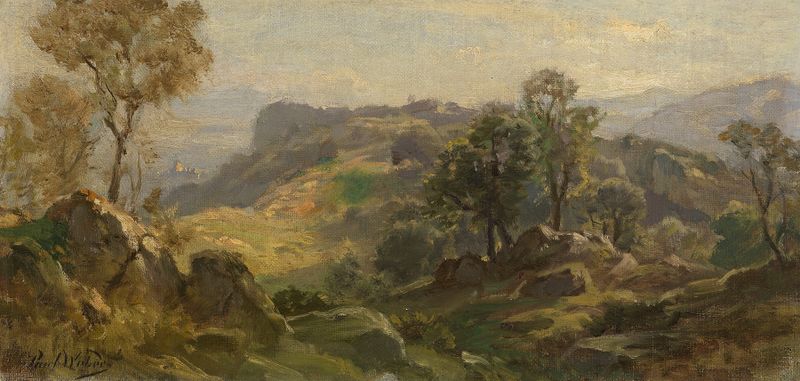
What secret hides in the quiet of the canvas? In the solitude of nature, vast mysteries unfold, inviting us to listen to the whisper of the breeze and the soft rustle of leaves. Look to the left, where the undulating hills cradle the horizon, their delicate contours painted in rich greens and browns. Notice how the sunlight bathes the valley in a golden hue, casting gentle shadows that dance across the landscape. The intricate brushwork captures both the serenity and grandeur of the scene, drawing the viewer’s eye toward the distant mountains that stand sentinel against the sky.
A winding river snakes through the valley, its reflecting surface shimmering with hints of blue and silver, beckoning one to walk its banks. Within this expansive vista lies a profound sense of calm, yet it pulses with an undercurrent of life. The interplay of light and shadow suggests the passage of time, while the solitary tree standing proudly in the foreground serves as a metaphor for resilience amidst nature’s vastness. In every brushstroke, there’s a reminder of both the beauty and transience of existence, inviting contemplation about our place within this grand landscape. In 1858, Paul Weber painted this piece during a period when the Hudson River School was gaining prominence in American art.
Living in the United States, the artist was influenced by the romantic ideals of nature that characterized this movement. His work reflects a deep appreciation for the American wilderness and a desire to immortalize the ever-changing beauty of the natural world as it faced the encroaching industrialization of the era.