
Falaise — History & Facts
Where does light end, and longing begin? In Falaise, the boundary between the two seems impossibly blurred, drawing viewers into a world rich with yearning and the promise of something just out of reach. Look to the horizon where the vibrant blues of the sky cascade down into the gentle ochres and greens of the landscape. The brushstrokes are bold yet tender, each stroke capturing the play of sunlight as it dances across the rocky cliffs and the undulating sea below. Notice how the light falls upon the craggy edges of the cliffs, emphasizing their ruggedness while simultaneously inviting a sense of serenity.
The contrast of warm earth tones against cool blues invites a depth of feeling, evoking both the beauty and isolation of this coastal scene. In the foreground, the rough texture of the cliffs juxtaposes with the smoothness of the water, a visual metaphor for the tumultuous emotions hidden beneath calm exteriors. The interplay of light and shadow suggests the fleeting nature of time and longing, as if the landscape itself yearns for connection. Each element in the painting whispers of stories untold, and the viewer is left with a poignant sense of nostalgia, as if they stand on the precipice of a memory that has yet to unfold. Emile Othon Friesz painted Falaise between 1904 and 1905 during his time in the coastal regions of France.
This period was marked by his experimentation with color and form, influenced by his encounters with the Fauvist movement. As he sought to bridge the gap between representation and abstraction, Friesz was navigating his own artistic identity amidst a rapidly changing art world, one that embraced the emotional power of color to convey deeper truths.
More Artworks by Emile Othon Friesz
Browse all →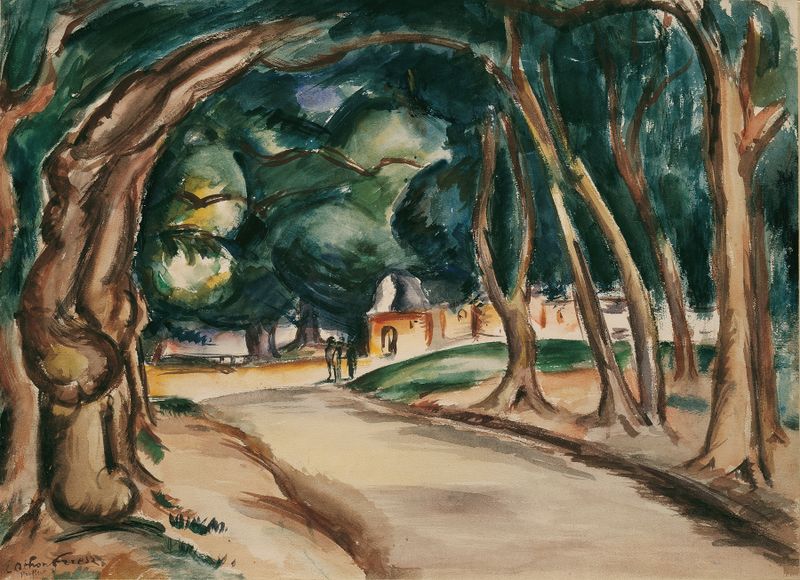
Allee
Emile Othon Friesz
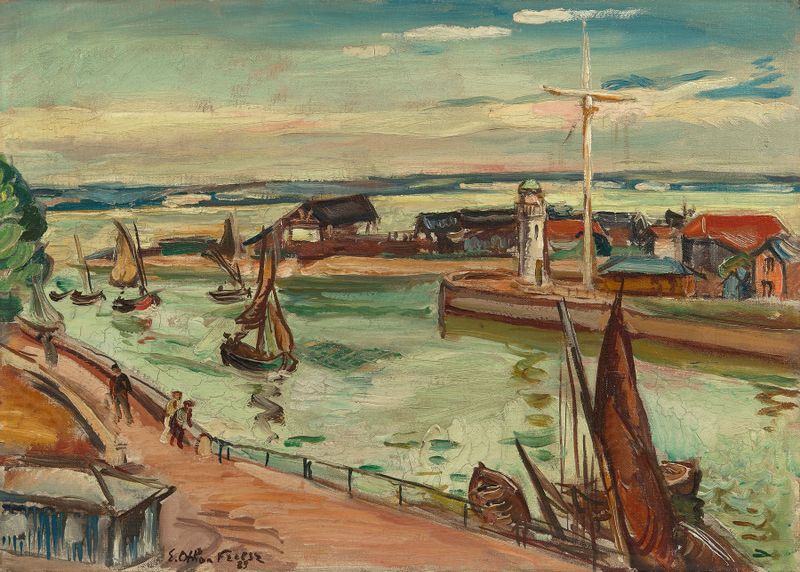
Sortie de port à Honfleur
Emile Othon Friesz
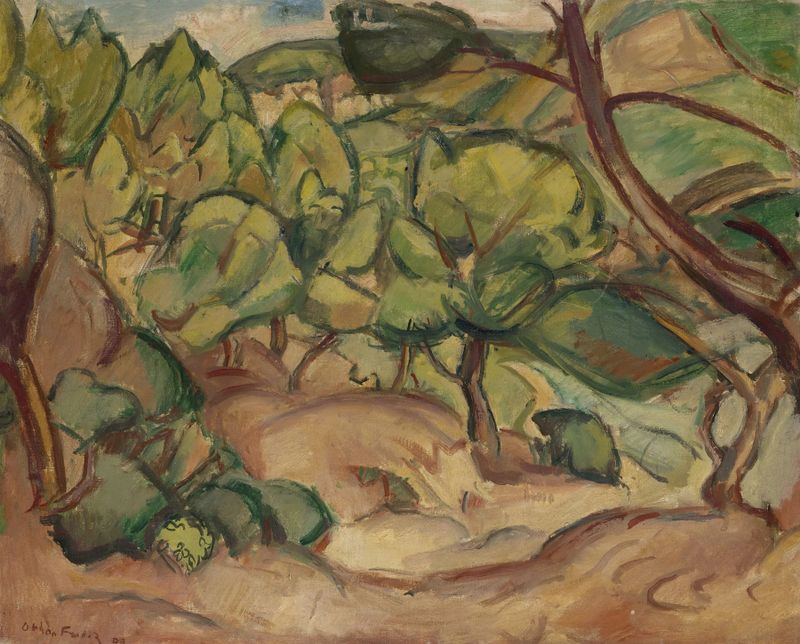
Dans les pins
Emile Othon Friesz
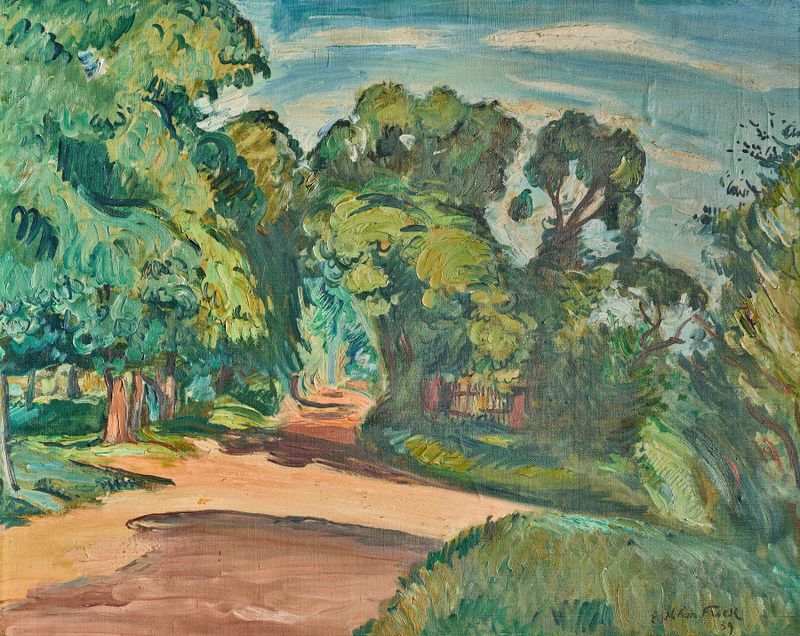
La croisée des chemins
Emile Othon Friesz
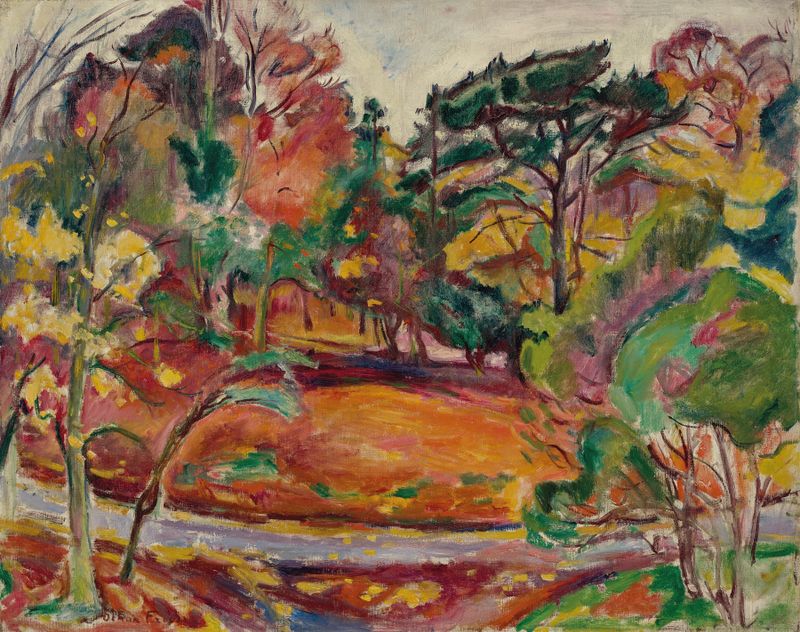
Automne à Honfleur, la Côte de Grâce
Emile Othon Friesz
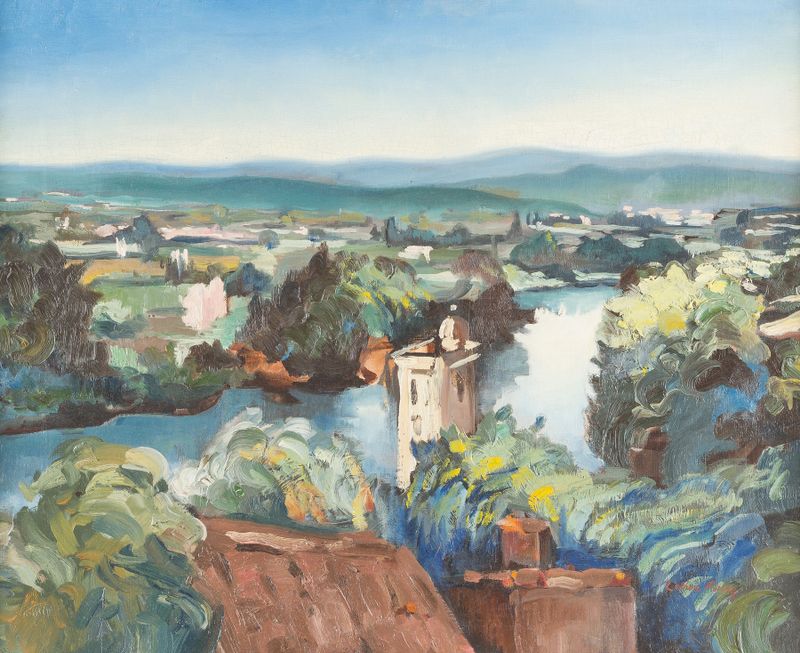
View to the horizon
Emile Othon Friesz
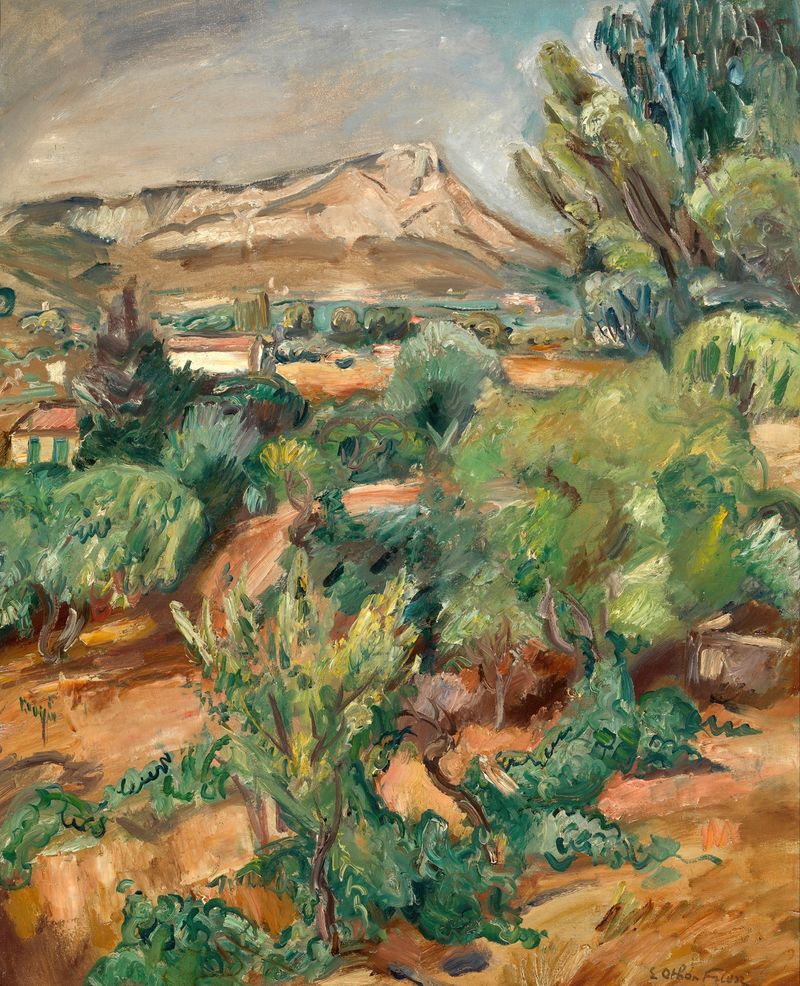
The Mountain Coudon Seen from Cap Brun
Emile Othon Friesz
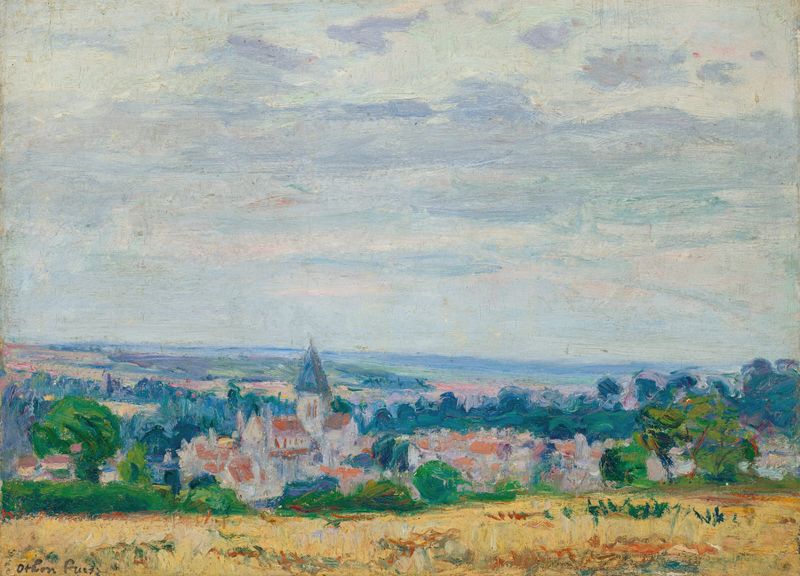
Falaise
Emile Othon Friesz
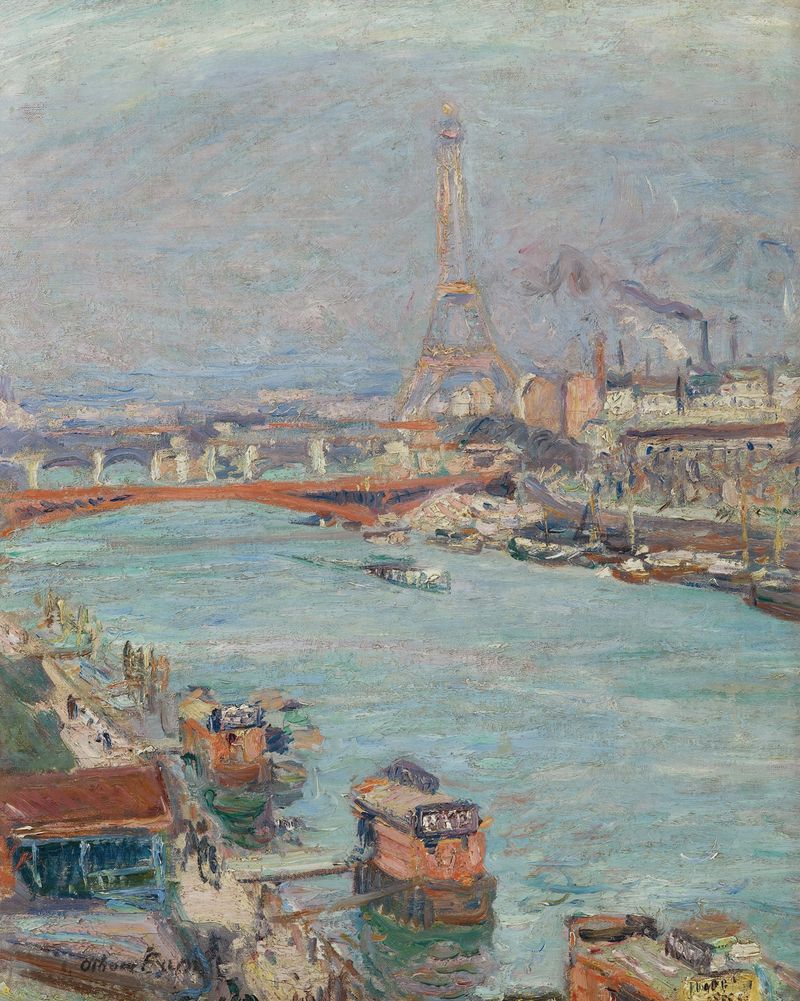
La Seine À Paris, La Tour Eiffel, Le Jour
Emile Othon Friesz
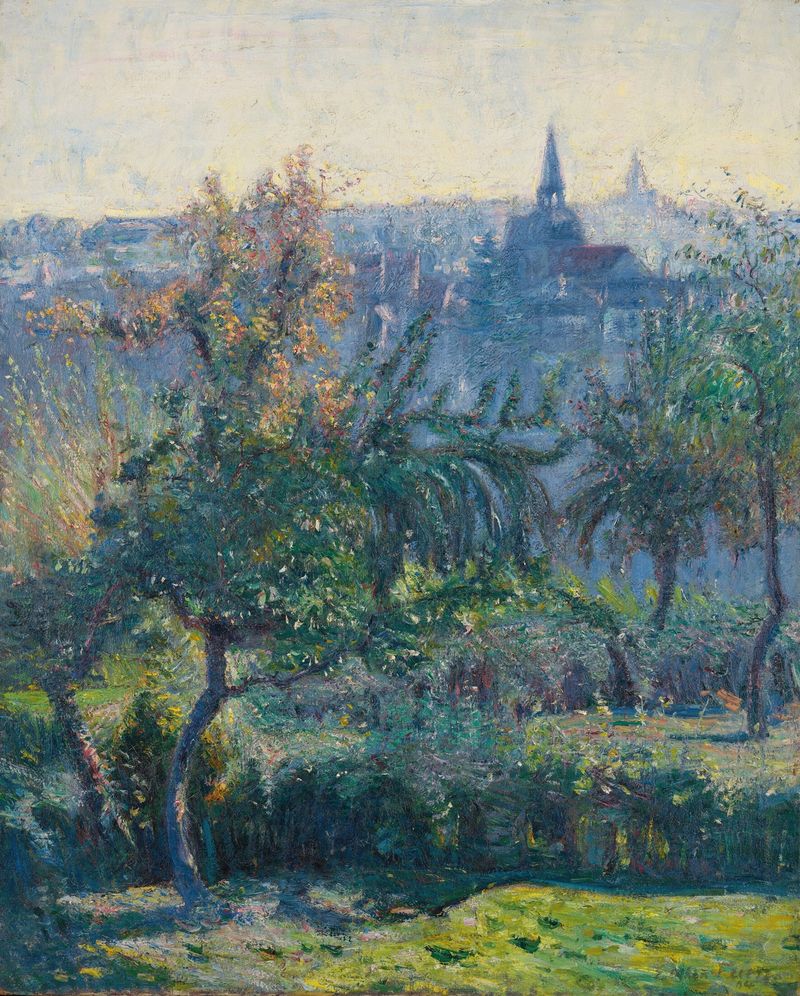
Falaise
Emile Othon Friesz





