
Falaises — History & Facts
When did color learn to lie? In the interplay of hues and shadows, Gustave Loiseau captures a world where light dances and truth bends delicately on the edge of perception. Look to the left at the bold strokes of green and ochre merging into one another, a vibrant celebration of nature’s raw beauty. Notice how the cliffs rise majestically against the sky, their textures rendered with a rich, thick application of paint that draws you in. The subtle shift from warm to cool tones in the shadows creates an almost ethereal quality, inviting contemplation on the hidden depths of the landscape. Delve deeper into the contrasts presented — the vibrant light of the sun illuminating the cliffs and the shadows lurking beneath, hinting at mysteries yet to be uncovered.
This duality reflects the tension between the visible and the concealed, prompting questions about what lies beyond the canvas. Each brushstroke becomes a whisper, suggesting stories trapped between light and dark, joy and melancholy. Created between 1904 and 1905, this work emerged during a transformative period for the artist, who was deeply influenced by the Impressionist movement. Loiseau, residing in France, was exploring the interplay of color and light, navigating between realism and abstraction.
The world around him was embracing new artistic freedoms, as artists began to question long-standing conventions, allowing for a greater expression of individual experience through paint.
More Artworks by Gustave Loiseau
Browse all →
Rue de village en Normandie
Gustave Loiseau
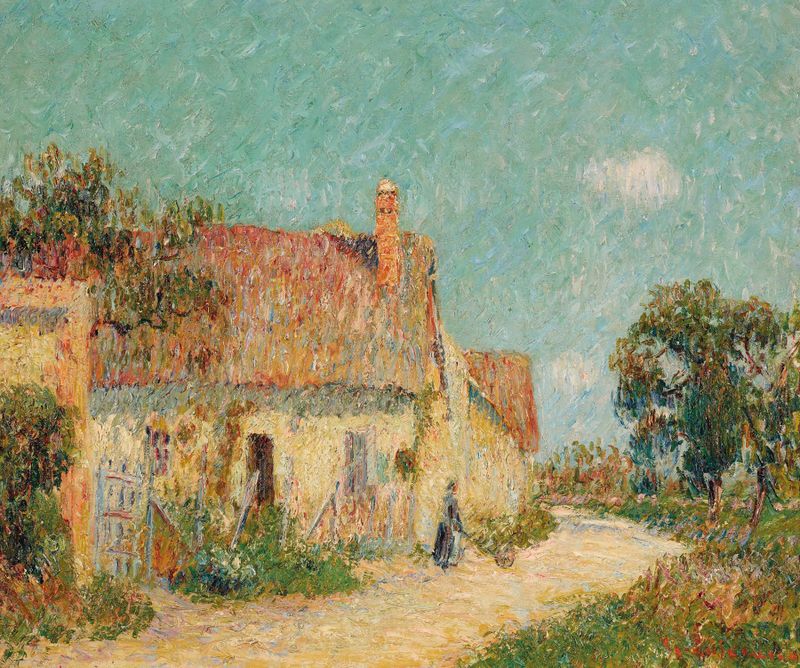
Chaumière en Normandie
Gustave Loiseau

Paysage d’Hiver à Chaponval
Gustave Loiseau
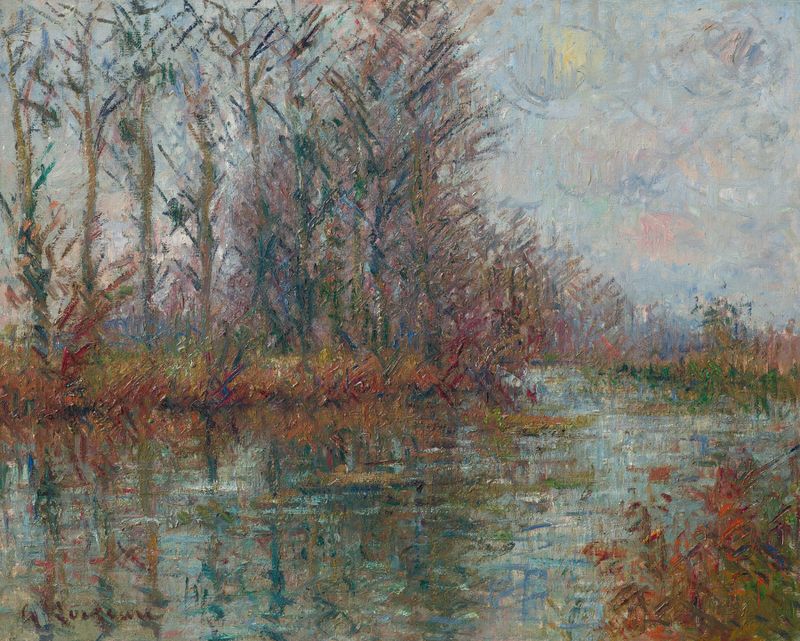
Tournant de rivière, L’Eure
Gustave Loiseau

Pont Marie, Paris
Gustave Loiseau

Le Bras De Mer
Gustave Loiseau

Le Pont Suspendu À Triel
Gustave Loiseau

Bord de la rivière
Gustave Loiseau
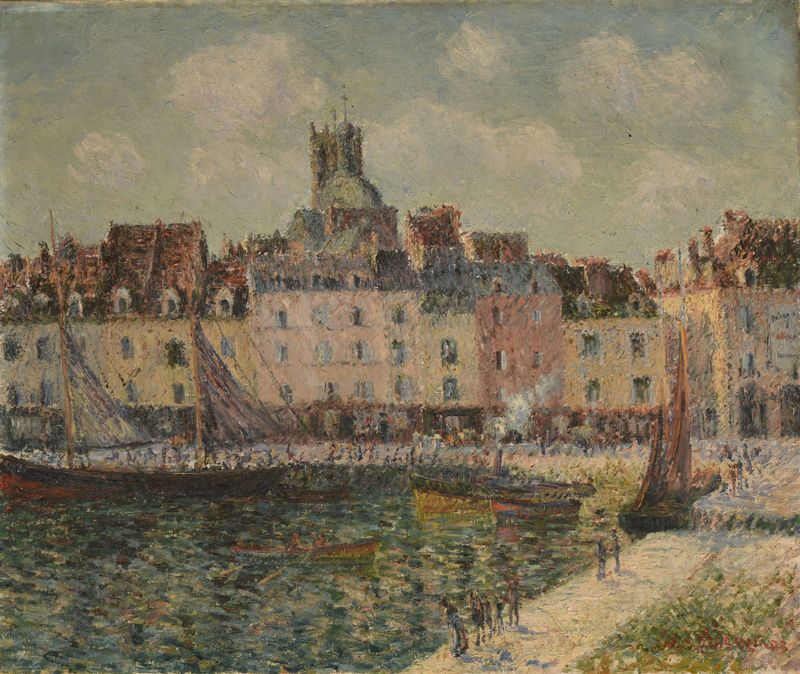
Le Quai Duquesne à Dieppe
Gustave Loiseau

Rocher la Teignouse, Cap Fréhel
Gustave Loiseau





