
Falls of St. Anthony on the Mississippi — History & Facts
In moments of reverie and nature’s embrace, we find ourselves confronted with the ecstatic beauty of existence. Look closely at the cascading waters, where the powerful rush of the falls draws your gaze. Notice how the vibrant greens of the trees punctuate the rocky cliffs, creating a striking contrast against the warm browns of the earth. The play of light over the water reflects a shimmering dance, revealing both the ferocity of the current and the delicate balance of tranquility that surrounds it.
This juxtaposition beckons the viewer to a state of contemplation. The painting captures a moment of harmony between chaos and serenity, where nature’s raw power is rendered with both awe and grace. The positioning of the figures on the shore hints at human vulnerability against the forces of nature, embodying the twin themes of ecstasy and fear. The foreground, teeming with intricate details, invites us to ponder our own relationship with nature and the sublime. Joshua Shaw created this work between 1819 and 1821, inspired by the landscapes of the American frontier.
During this period, America was in the throes of westward expansion, grappling with its identity and the sublime experiences that vast landscapes offered. Shaw’s dedication to capturing the essence of nature in its most magnificent forms marked him as a significant figure in early American landscape painting, reflecting both personal and collective aspirations of the time.
More Artworks by Joshua Shaw
Browse all →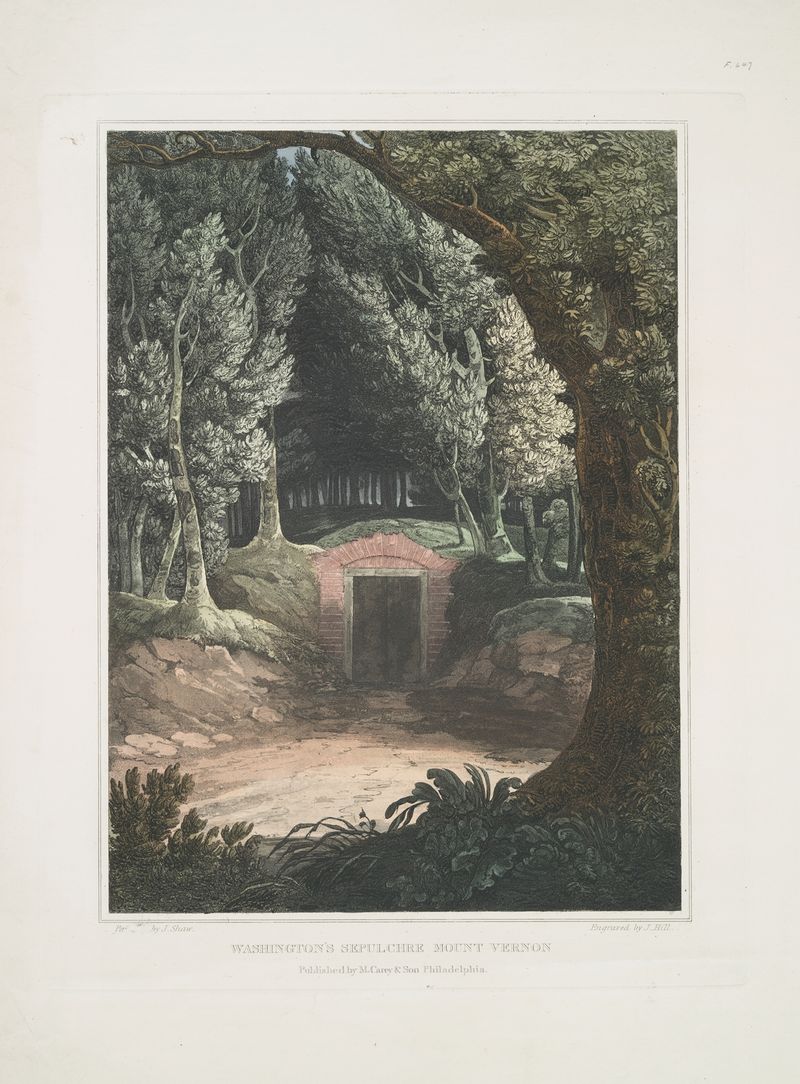
Washington’s sepulchre, Mount Vernon
Joshua Shaw
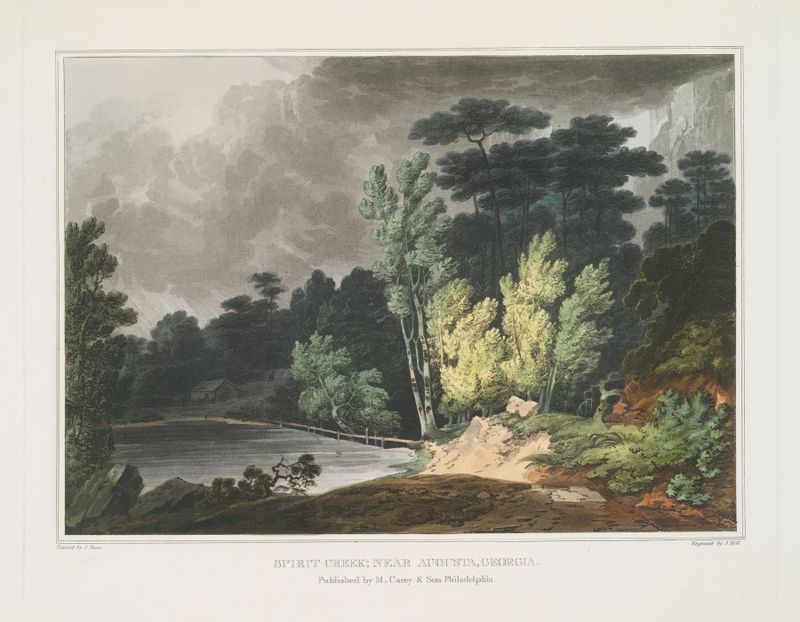
Spirit Creek, near Augusta, Georgia
Joshua Shaw
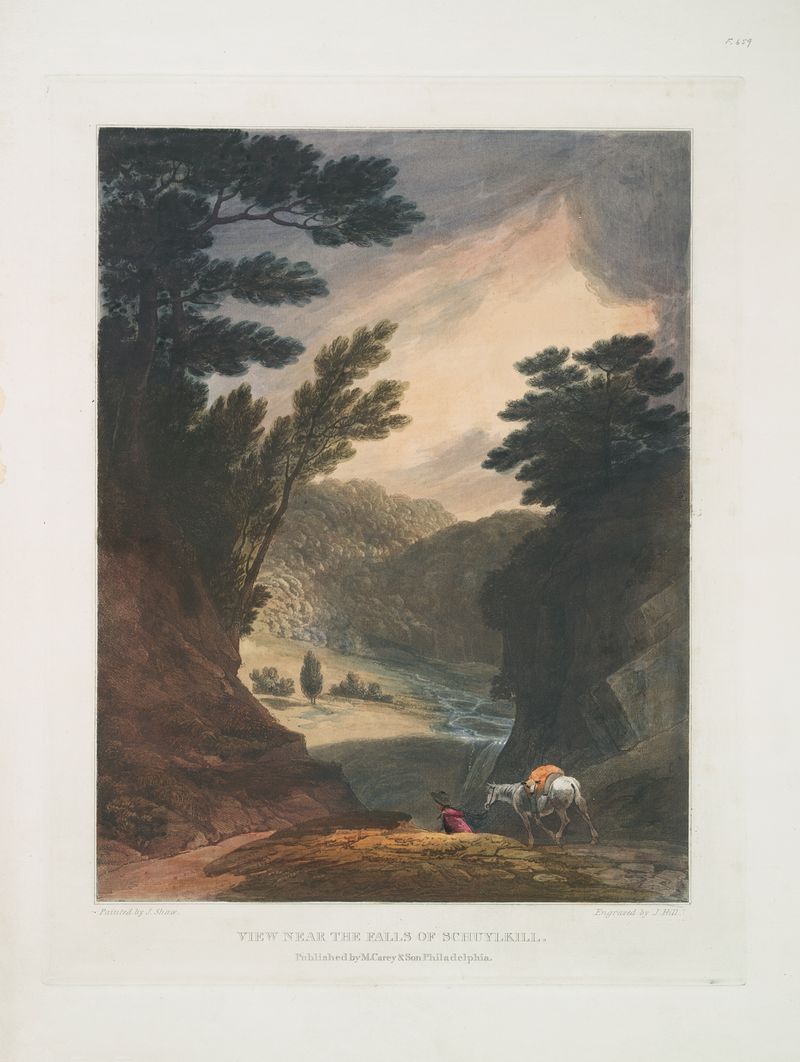
View near the Falls of Schuylkill
Joshua Shaw
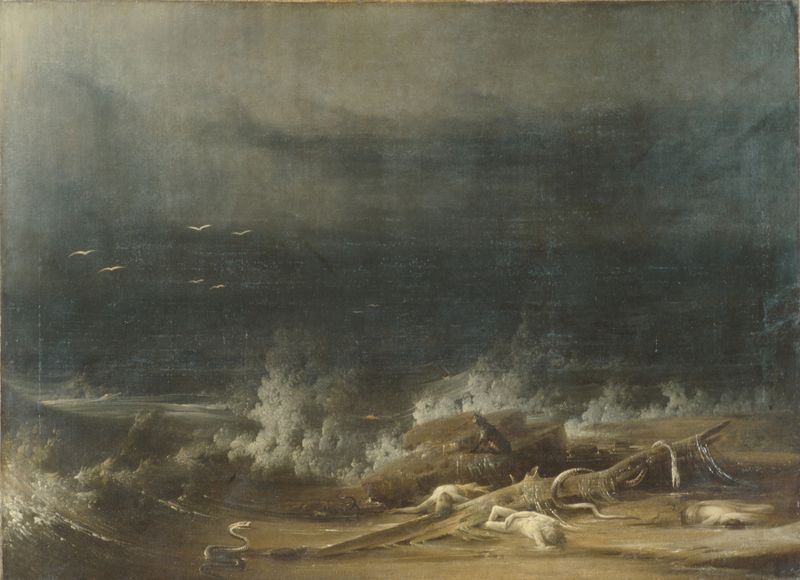
The Deluge towards Its Close
Joshua Shaw
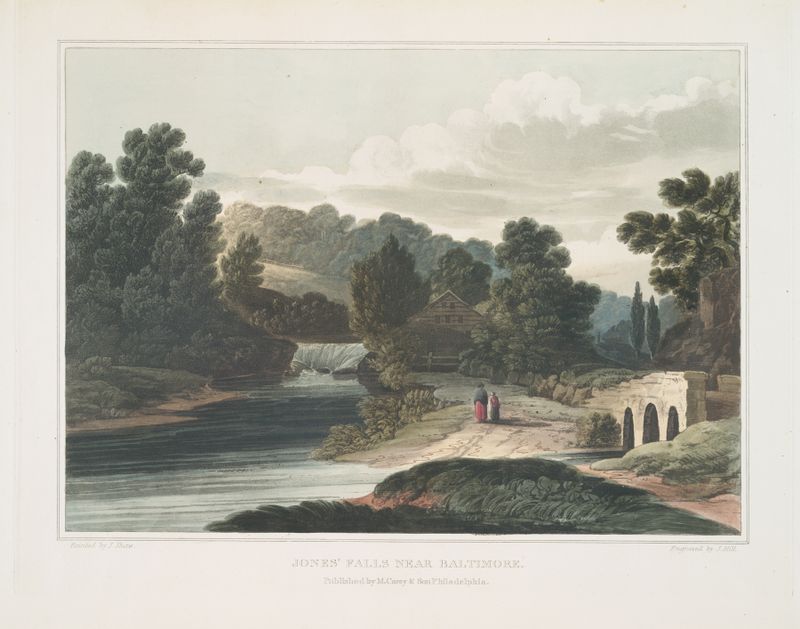
Jones’ Falls near Baltimore
Joshua Shaw
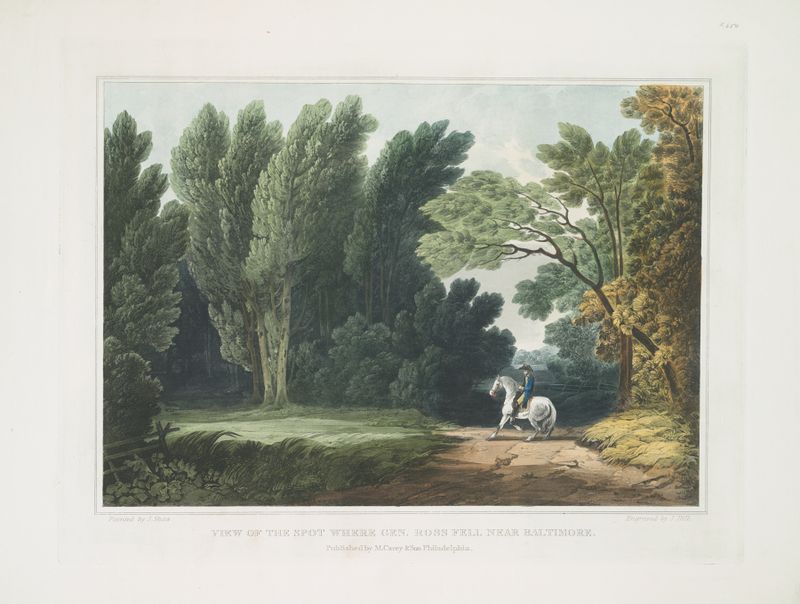
View of the spot where Gen. Ross fell near Baltimore
Joshua Shaw
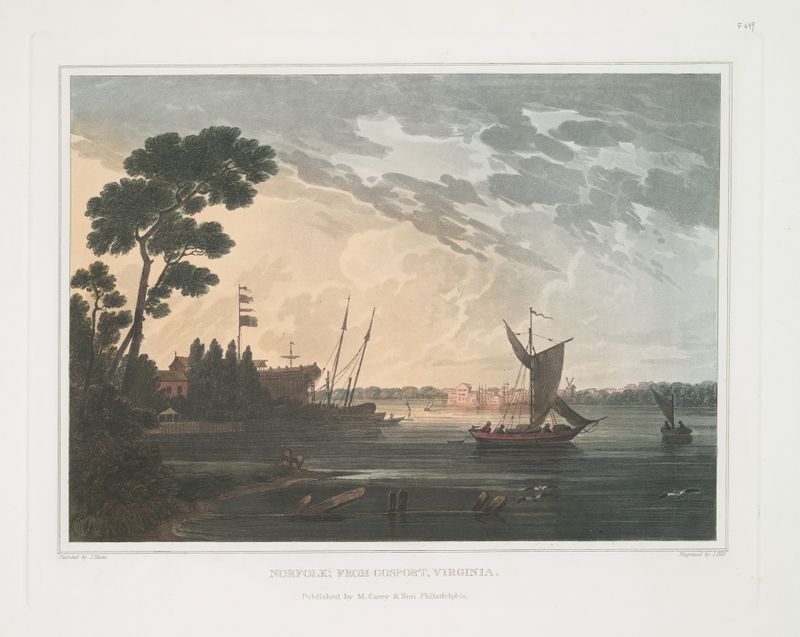
Norfolk, from Gosport, Virginia
Joshua Shaw
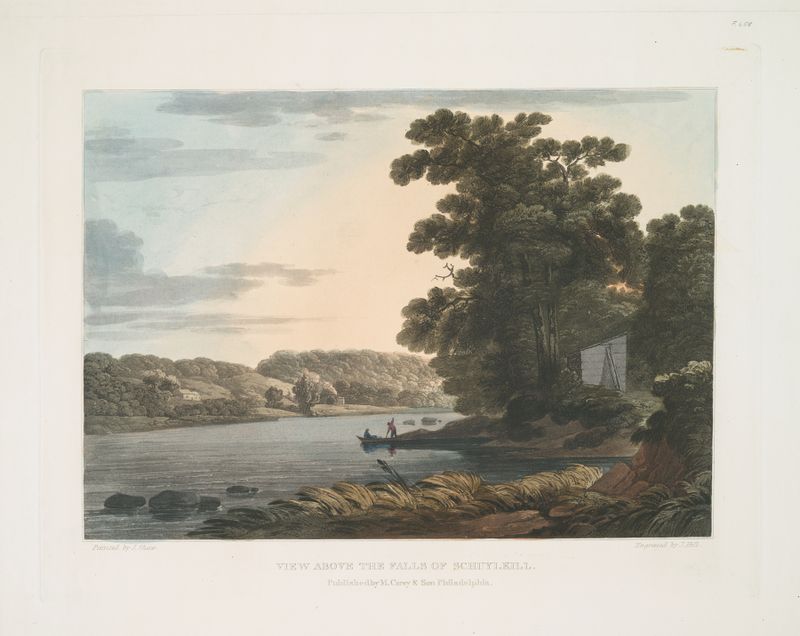
View above the Falls of Schuylkill
Joshua Shaw
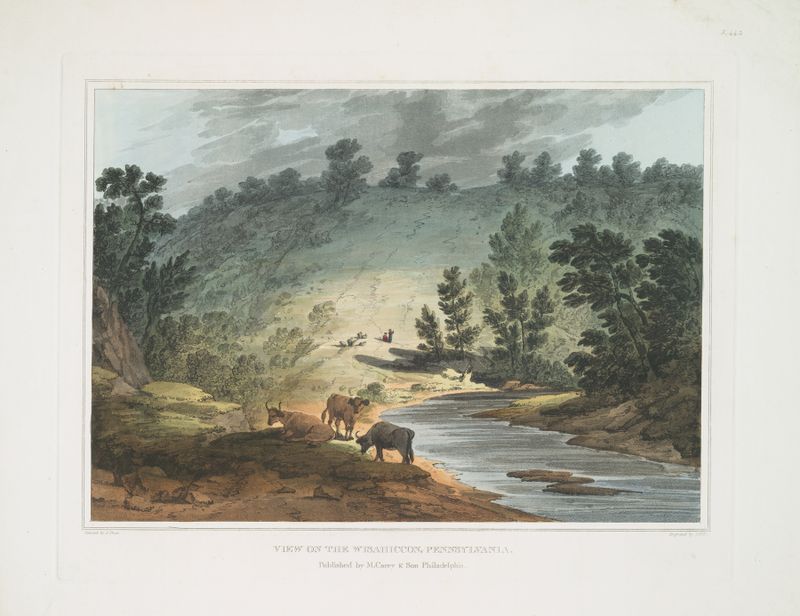
View on the Wisahiccon, Pennsylvania
Joshua Shaw
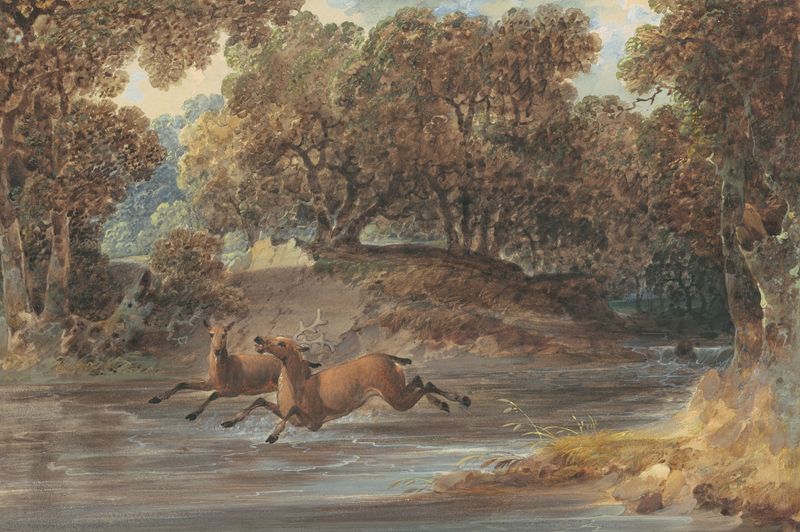
Landscape with Deer,North Carolina
Joshua Shaw





