Fantastical ruins with a pastoral scene — History & Facts
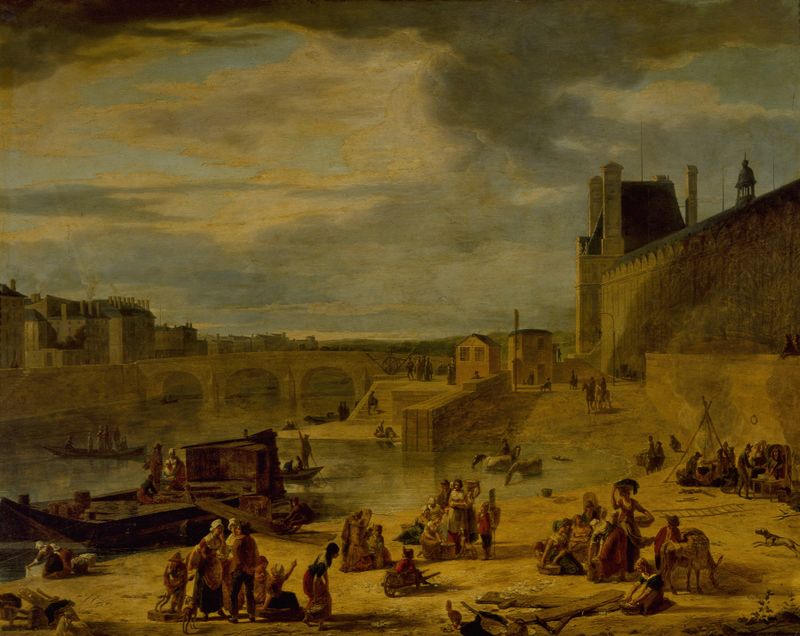
This sentiment resonates deeply in the context of a world grappling with loss and renewal. Grief permeates the very fabric of existence, manifesting in the intricate layers of paint that tell silent stories. Look to the left at the crumbling columns, their fractured bases hinting at a once-magnificent structure. Each stroke speaks of decay and age, yet vibrant greens and soft pastels breathe life into the foreground.
The gentle interplay of light illuminates the landscape, creating a striking contrast between the desolation of the ruins and the serene pastoral scene that thrives around them. This juxtaposition pulls the viewer in, inviting a contemplative exploration of harmony amidst chaos. Beneath the surface, a narrative unfolds that intertwines fragility with resilience. The juxtaposition of shattered architecture with flourishing nature serves as a poignant reminder that beauty often emerges from sorrow.
Tiny figures dot the landscape, embodying the endurance of life, even in spaces touched by grief. The scene whispers of nostalgia, prompting reflections on what was lost and the possibility of rebirth. Jean-François Depelchin painted this work around 1800, during a time when Romanticism was burgeoning in Europe. He sought to capture emotional depth through landscape, reflecting the turbulent energies of the era—wars still echoing, revolutions redefining nations, and artists pushing boundaries.
In this milieu, his exploration of fantastical ruins served not just as an artistic endeavor, but as a personal meditation on longing and the passage of time.