Faria Bagh near Ahmednagar — History & Facts
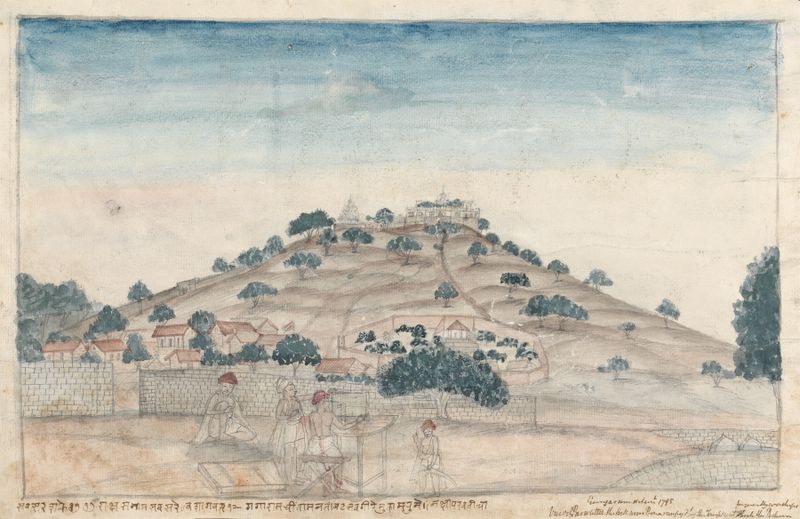
Can paint confess what words never could? In this exquisite work, light and shadow dance in a delicate balance, revealing the silent stories hidden beneath the vibrant surface. Look to the center of the composition, where the lush greenery of Faria Bagh bursts forth in an array of warm greens and earthy browns. Notice how the artist skillfully contrasts the vivid foliage with the gentle shadows that cradle the paths, inviting your eyes to wander deeper into this serene landscape. The composition is masterfully structured, drawing attention to the tranquil water reflecting the soft blues of the sky, while subtle hints of human presence pulse quietly in the background. Beneath its serene exterior lies a rich tapestry of meanings — the harmony of nature juxtaposed with the quiet imprint of humanity.
The careful interplay of light and shadow suggests a duality; the vibrancy of life coexists with moments of stillness and reflection. Each darkened corner hints at secrets yet to be unveiled, framing a sense of nostalgia and contemplation that permeates the entire scene. Between 1790 and 1796, Tambat created this piece during a time when India was navigating the complexities of colonial influence. Working in Ahmednagar, he was among a burgeoning group of artists responding to both traditional Mughal aesthetics and the new demands for European style.
This blending of influences in his work not only captures the essence of the landscape but also reflects the shifting identities within the art world of that era.