Farm at Dusk — History & Facts
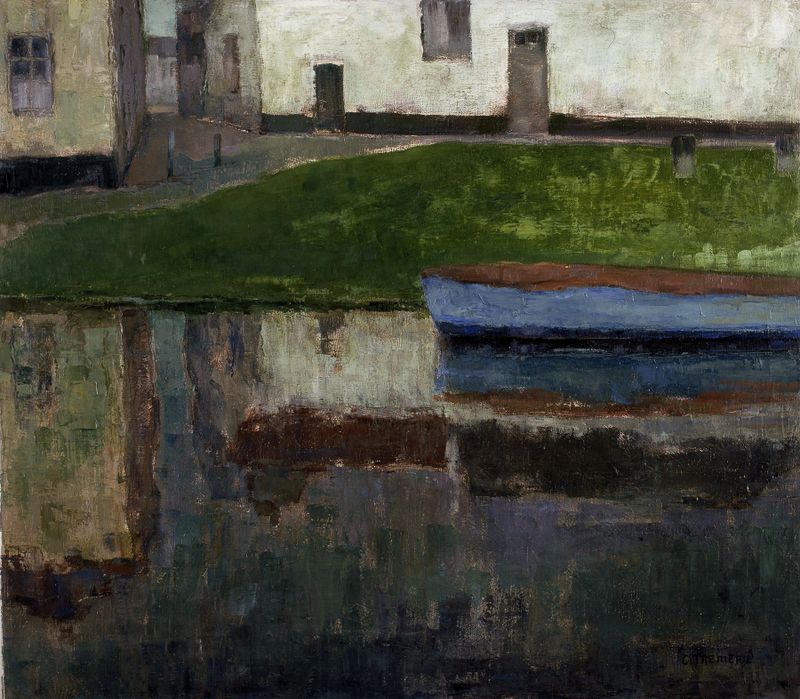
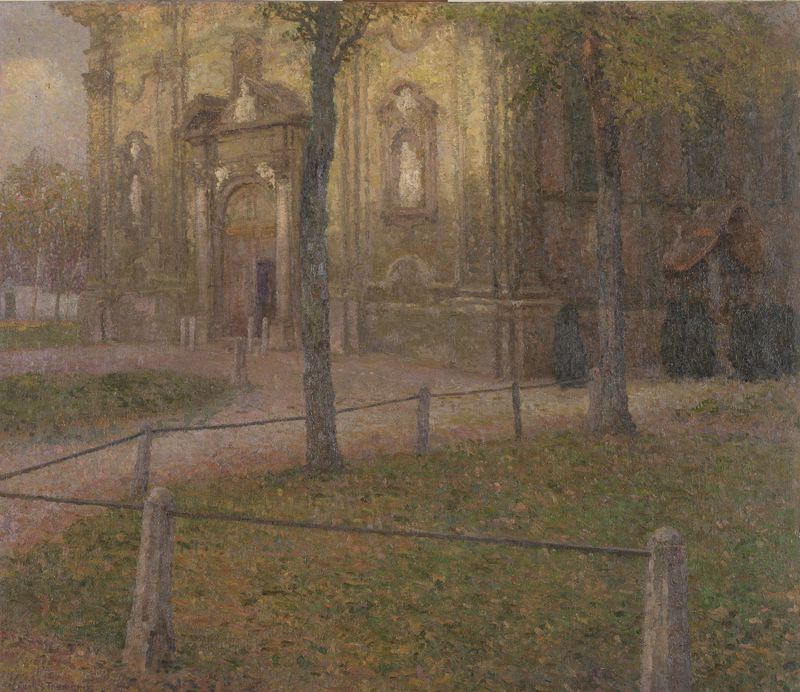
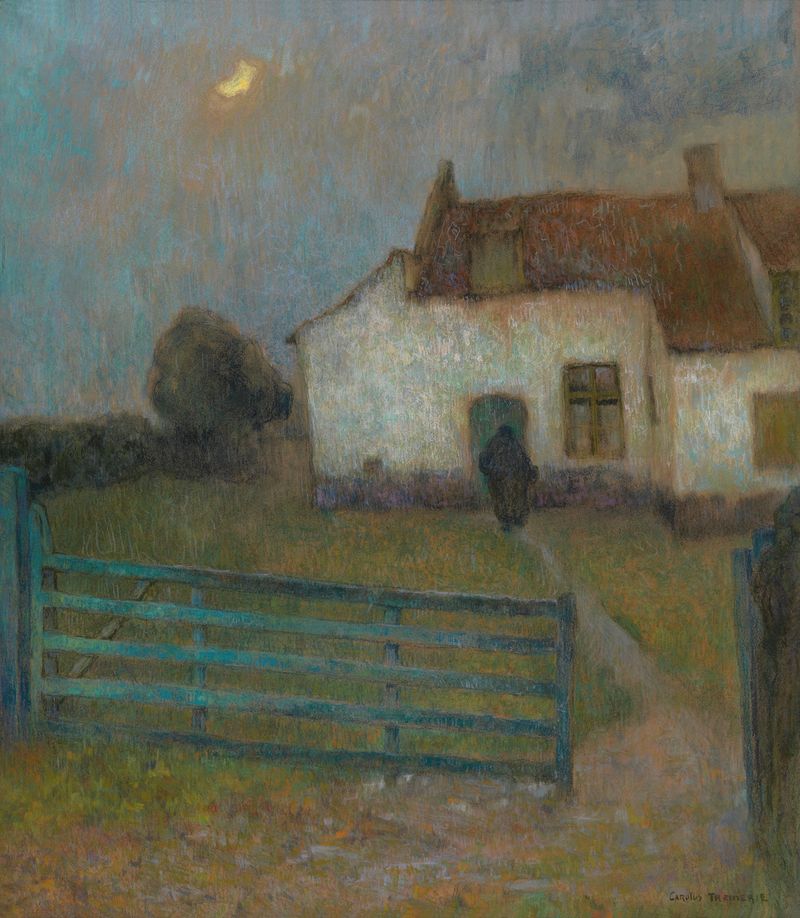
In the stillness of twilight, unspoken truths linger in the air, as shadows stretch across the earth, poised to reveal hidden betrayals. Look to the foreground, where the silhouettes of farm structures emerge against the dusky sky. The muted palette of blues and purples blends seamlessly, evoking a sense of tranquility tinged with foreboding. Notice how the subtle brushwork captures the essence of the fading day, with dappled light filtering through the trees, casting intricate patterns on the ground.
The composition invites the viewer to contemplate the quiet tension that permeates the scene, with every element harmoniously interwoven, yet hinting at an undercurrent of unease. As the day surrenders to night, the landscape transforms into a tapestry of complexities. The rustic beauty belies the weight of isolation, creating a juxtaposition between the serene environment and the emotional turmoil that may simmer beneath the surface. The absence of figures reinforces this sense of loneliness, suggesting a quiet betrayal that echoes through the fields, where each blade of grass sways in silent testimony to secrets left unspoken. Created in the 19th century, this work reflects Tremerie’s careful observation of rural life against a backdrop of emerging Romantic ideals.
At this time, the artist experienced an artistic awakening, inspired by the interplay of nature and emotion. He captured a moment that transcends time, portraying not just a sunset, but the bittersweet complexity of human experience interwoven with the natural world.