Evening Peace — History & Facts
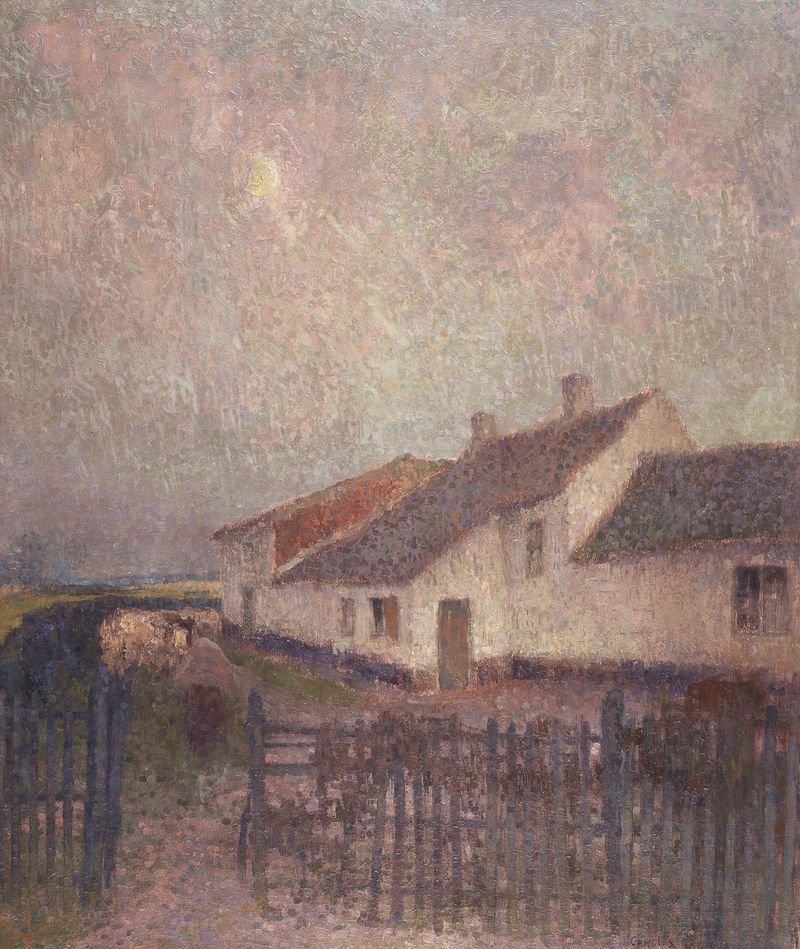
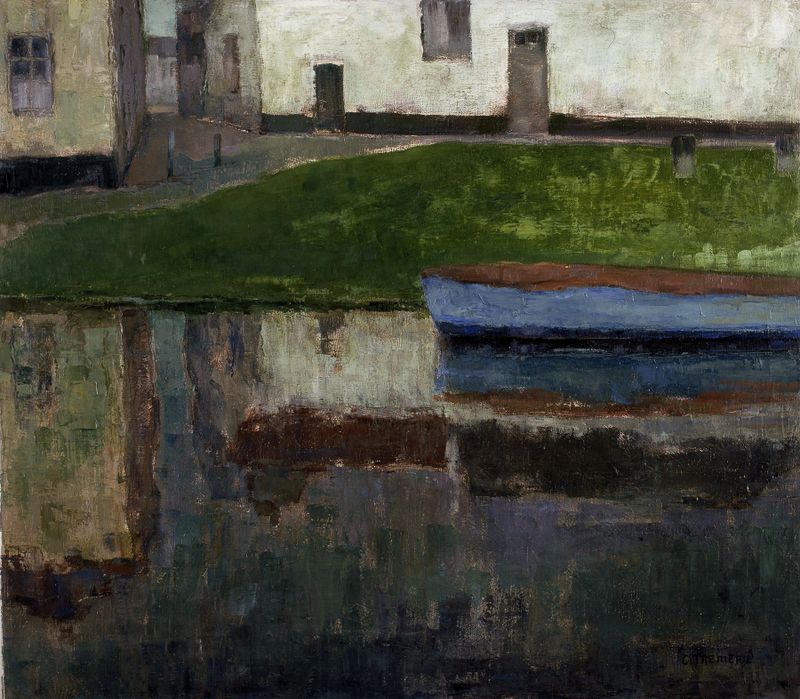
In a realm where every brushstroke holds the weight of moments suspended, Evening Peace captures the essence of rebirth amidst the urgency of life's transience. Look closely at the gentle horizon, where soft hues of lavender and gold intertwine, creating a gradient that whispers of twilight. The central figure, a serene silhouette, draws your gaze as it stands at the water's edge, reflected in rippling waves — a dance of shadows and light. Notice the delicate strokes that bring the outlines of trees to life, their branches reaching outward as if yearning for connection with the fading sky.
Each element is harmoniously balanced, inviting the viewer to bask in the tranquility of dusk. Delve deeper, and you’ll find a subtle tension between stillness and the inevitable march of time. The contrast between the calm surface of the water and the vibrant colors of the sky evokes a sense of hope — a reminder that even as day gives way to night, renewal awaits. The solitary figure embodies solitude, yet the gentle embrace of nature suggests that rebirth is always possible, echoing the eternal cycle of life. Created during an unspecified time, the artist found solace in painting Evening Peace amidst the broader shifts occurring in the world of art.
This period was marked by a growing interest in capturing the fleeting moments of beauty found in nature, reflecting the changing perspectives on life and existence. It was a time when artists began to explore themes of introspection and renewal, echoing the longing for peace in their work.