
Farm in Rahier — History & Facts
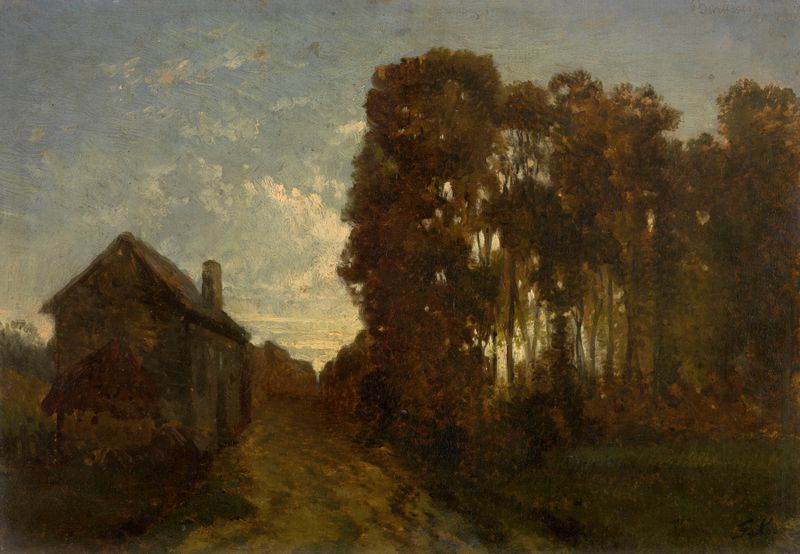
Could a single brushstroke hold eternity? In Farm in Rahier, the essence of rural tranquility is distilled into a harmonious interplay of color and form, an invitation to pause and reflect on the balance of nature and labor. Look to the center of the composition, where the farmhouse stands sturdy against the expansive sky. The warm ochres and soft greens create a soothing palette that speaks of fertile fields, while the gentle brushwork infuses life into every blade of grass. Notice how the light cascades from the upper left, casting delicate shadows that sculpt the landscape, highlighting the steadfastness of the home and the laborers that inhabit it. Yet, amid this pastoral calm, there exists a subtle tension.
The boundary between cultivated land and wild nature is blurred, suggesting a delicate relationship between human endeavor and the untamed world. The distant mountains loom, their presence a reminder of nature’s power, while the winding path leads us toward an ambiguous horizon — a symbol of potential and uncertainty in the rural existence. Each element seems to balance delicately, inviting contemplation on the coexistence of beauty and toil. In 1864, Jean Pierre François Lamorinière painted this piece during a time of significant change in the art world, amidst a burgeoning interest in realism.
Based in Belgium, Lamorinière was deeply engaged with capturing the essence of everyday life, and Farm in Rahier reflects his commitment to authenticity in depicting not just landscapes, but the quiet dignity found within them.
More Artworks by Jean Pierre François Lamorinière
Browse all →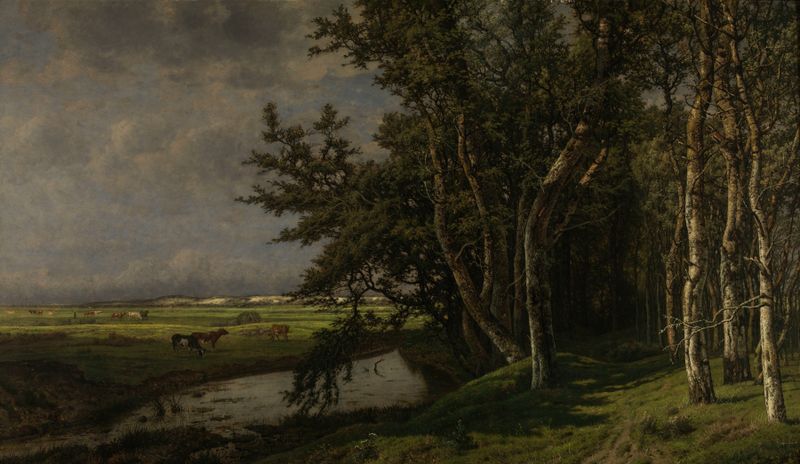
Prinsenvijver on the Isle of Walcheren
Jean Pierre François Lamorinière

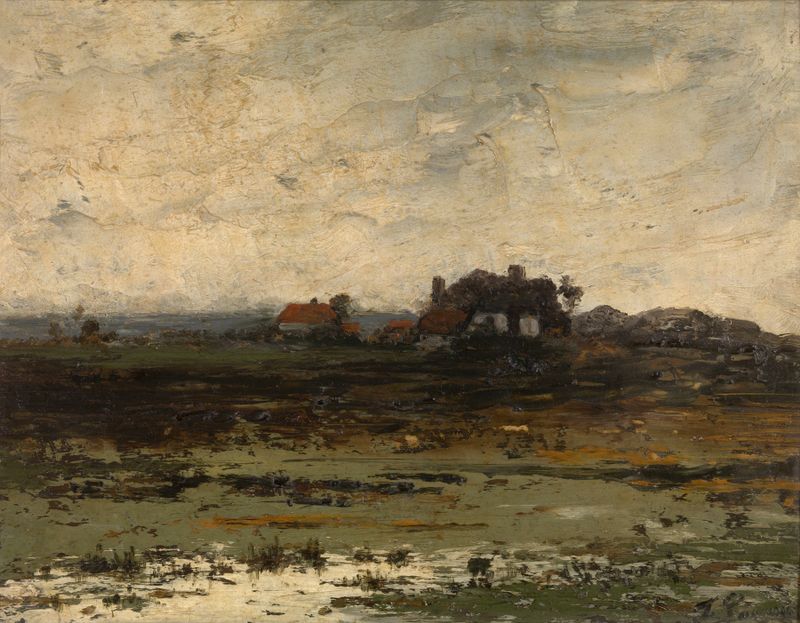
A Forester Cottage in Putte
Jean Pierre François Lamorinière
Farms at Sunset
Jean Pierre François Lamorinière
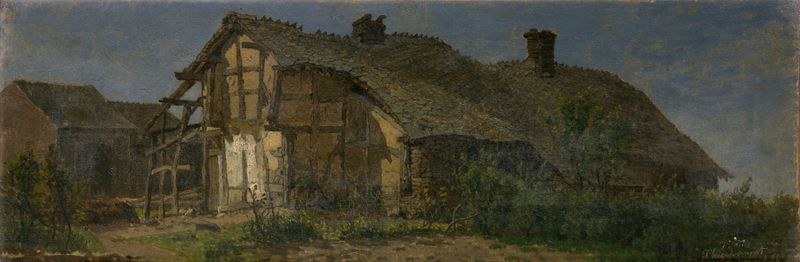
An Old Farm in Xhierformont
Jean Pierre François Lamorinière

Landscape with Herons at Sunset
Jean Pierre François Lamorinière

Marsh near Putte
Jean Pierre François Lamorinière
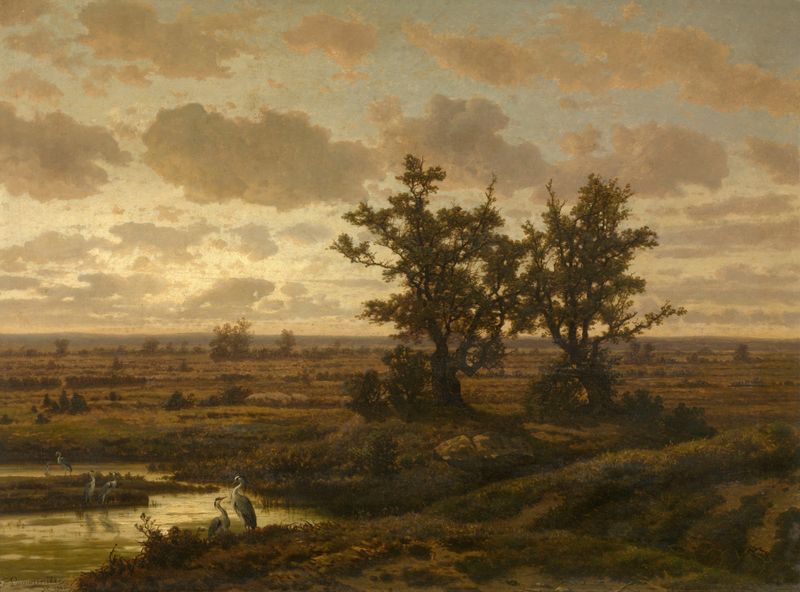
Fen in the Kempen
Jean Pierre François Lamorinière

Loneliness. Landscape in the Surroundings of Schilde
Jean Pierre François Lamorinière
Barbizon at Dusk
Jean Pierre François Lamorinière

A View of Putte
Jean Pierre François Lamorinière





