Felsenschlucht im Uttewalder Grund in der Sächsischen Schweiz — History & Facts
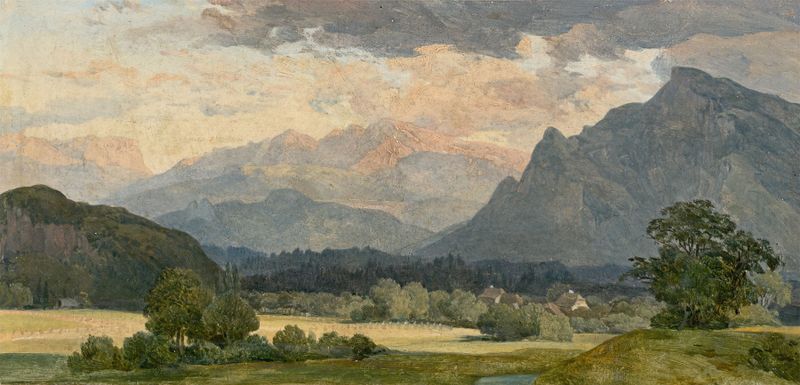
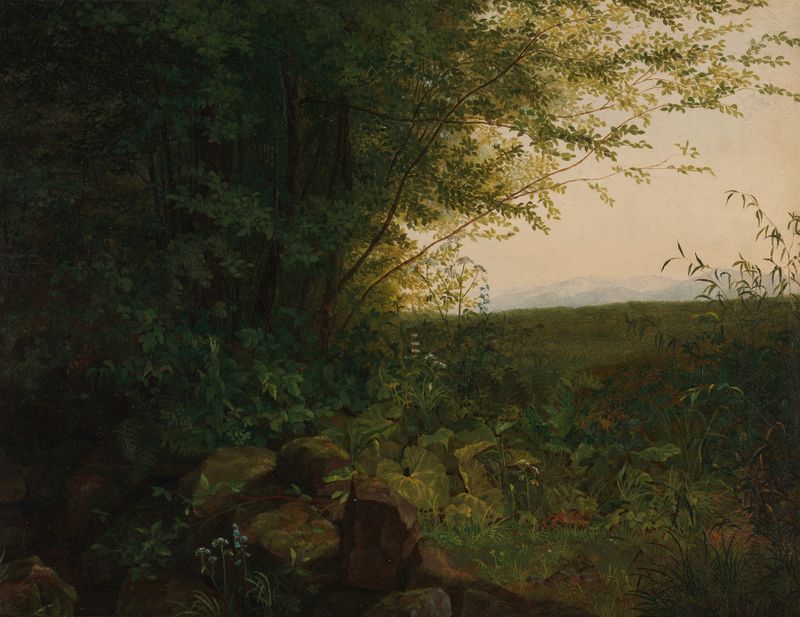
In the stillness of nature, the echoes of movement linger, capturing an essence that transcends time and space. It invites us to explore the interplay of shadows and light, where every detail teems with life. Look to the left at the towering cliffs, their rough textures meticulously rendered, standing sentinel over the serene valley below. Notice how the sunlight dances across the foliage, illuminating the varied greens that intertwine with the rugged browns of the stones.
The composition draws the eye down the winding path leading into the heart of the landscape, suggesting an invitation to adventure and exploration. Beneath the tranquil surface, there exists a tension between stability and transience. The juxtaposition of the solid rock formations and the gentle sway of the trees evokes a sense of balance between permanence and the ephemeral nature of life. The distant, hazy outline of more cliffs hints at a world beyond, one that remains just out of reach, yet tantalizingly close.
This duality stirs a yearning for movement, capturing the viewer's imagination and urging them deeper into the scene. August Heinrich painted this landscape in 1820 while residing in Saxony, a period marked by burgeoning Romantic ideals in art. He was deeply influenced by the beauty of the Sächsische Schweiz, a region celebrated for its dramatic cliffs and lush greenery. At this time, artists were increasingly drawn to nature's sublime qualities, and Heinrich's work reflects the growing desire to capture not just the visual but also the emotional experience of the landscape.