
Felsstudie (aus dem Höllental) — History & Facts
Is this a mirror — or a memory? The essence of fragility transcends mere representation, invoking a delicate dance between the seen and the felt. First, look to the soft, muted hues that envelop the canvas, guiding your gaze through a serene landscape. The gentle browns and greens blend seamlessly, evoking the tranquility of nature while hinting at an underlying vulnerability. Notice how the jagged rocks emerge from the earth, their textured surfaces, rendered with meticulous detail, contrast sharply against the smoothness of the surrounding flora.
Each stroke communicates the duality of strength and fragility, a testament to the natural world’s ephemeral beauty. Yet, it is in the subtle interplay of light and shadow where deeper meanings unfurl. The play of sunlight caressing the rocky formations imbues the scene with warmth, suggesting a fleeting moment in time, while the shadows linger, hinting at the inevitability of erosion and decline. These contrasting elements speak to the transient nature of existence — a reminder that beauty often lies in impermanence.
The viewer cannot help but feel the weight of memories, both cherished and lost, echoing through the landscape’s silent majesty. In 1840, Adalbert Stifter painted this piece during a period of profound introspection and artistic exploration. Living in Austria, he found himself deeply influenced by the Romantic movement, which celebrated the natural world and human emotion. This work emerged amidst a broader artistic dialogue that valued the meticulous observation of nature, reflecting Stifter's own desires to capture the fragile interplay between humanity and the environment.
More Artworks by Adalbert Stifter
Browse all →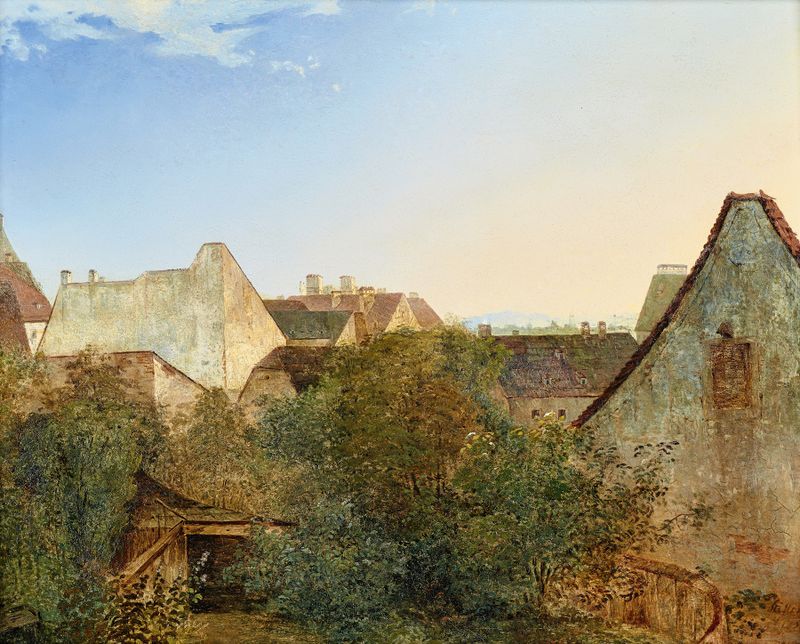
Blick über Wiener Vorstadthäuser (Beatrixgasse)
Adalbert Stifter
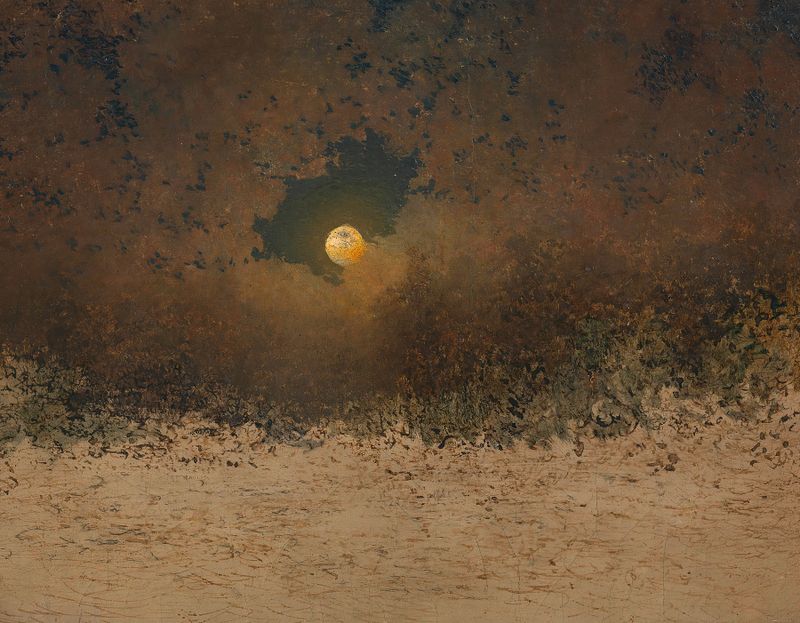
Mondlandschaft mit bewölktem Himmel
Adalbert Stifter
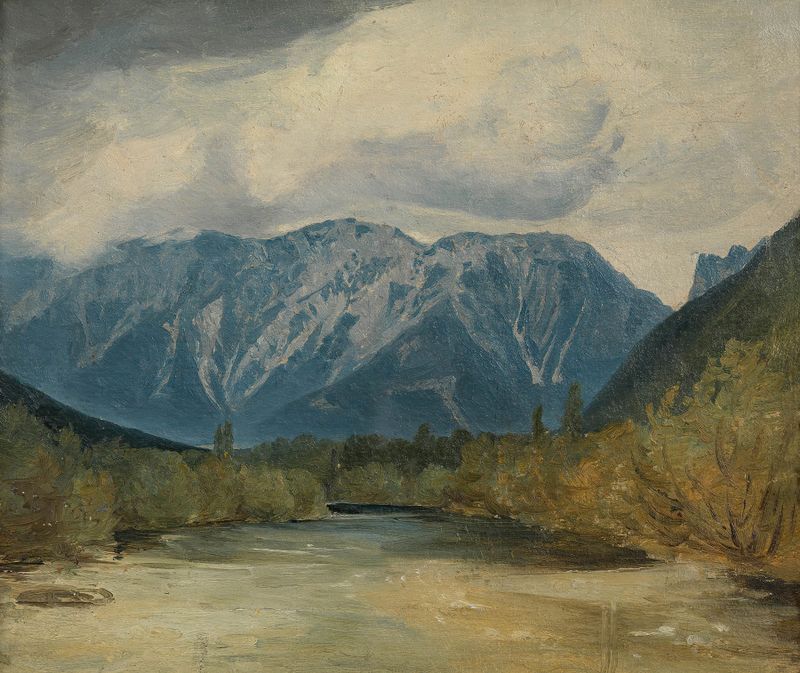
Die Rax in Niederösterreich
Adalbert Stifter
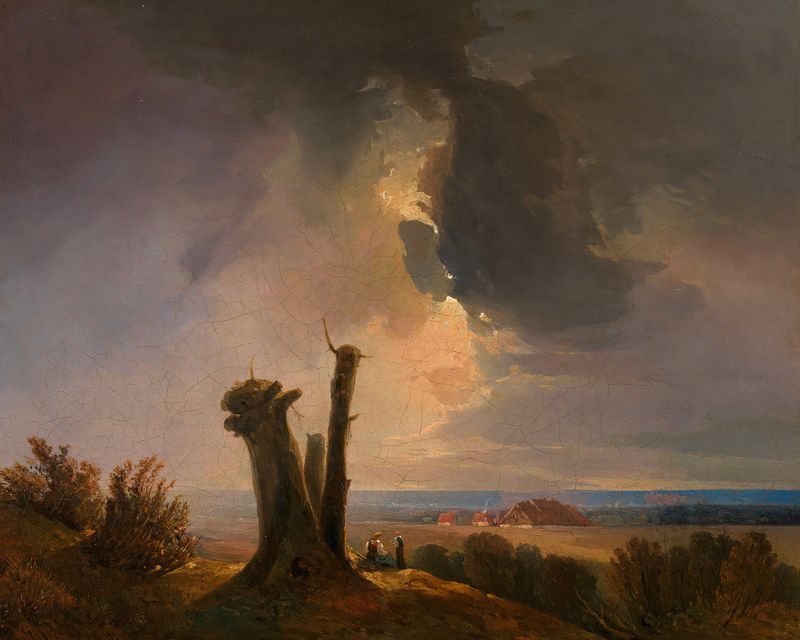
Westungarische Landschaft – Blick vom Leithagebirge
Adalbert Stifter
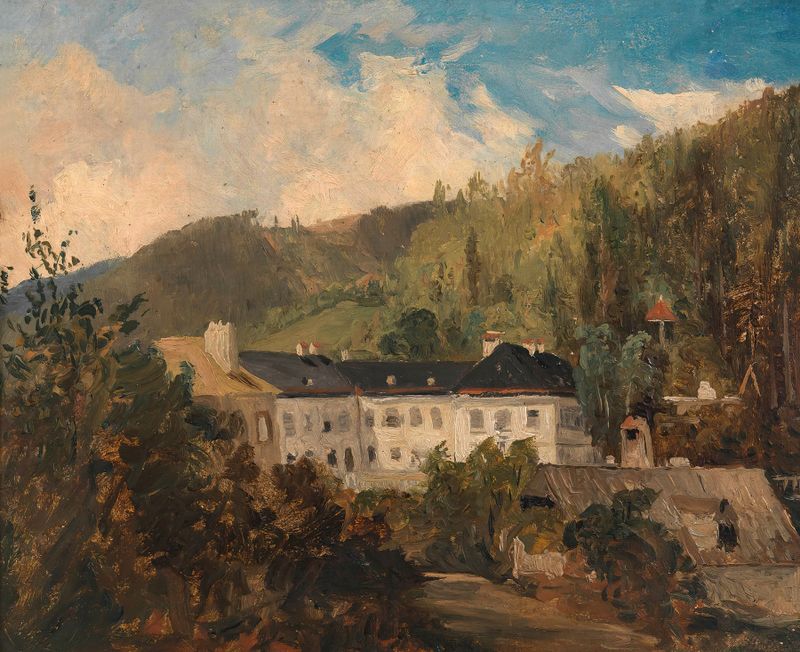
Motiv aus Neuwaldegg
Adalbert Stifter
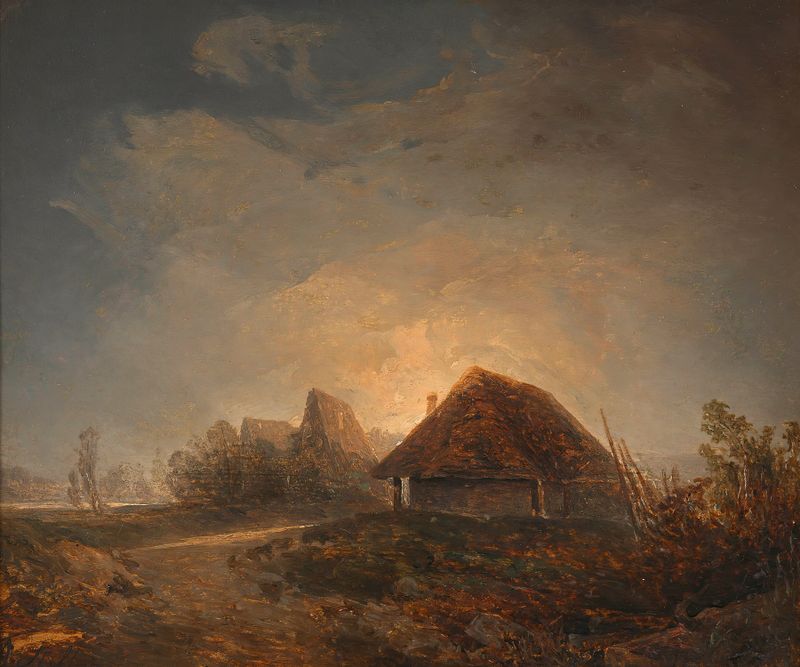
Westungarische Landschaft mit Hütten und aufgehendem Mond
Adalbert Stifter
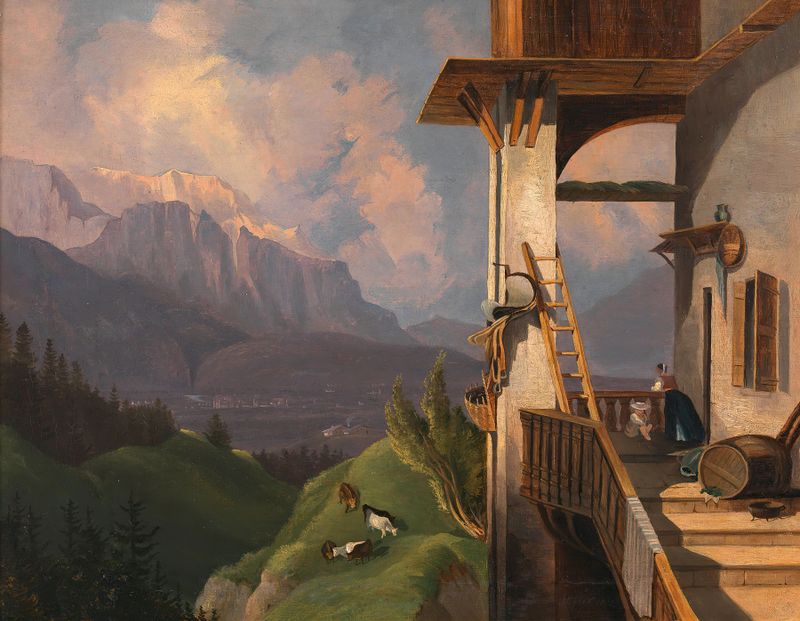
Innsbruck mit der Nordkette
Adalbert Stifter
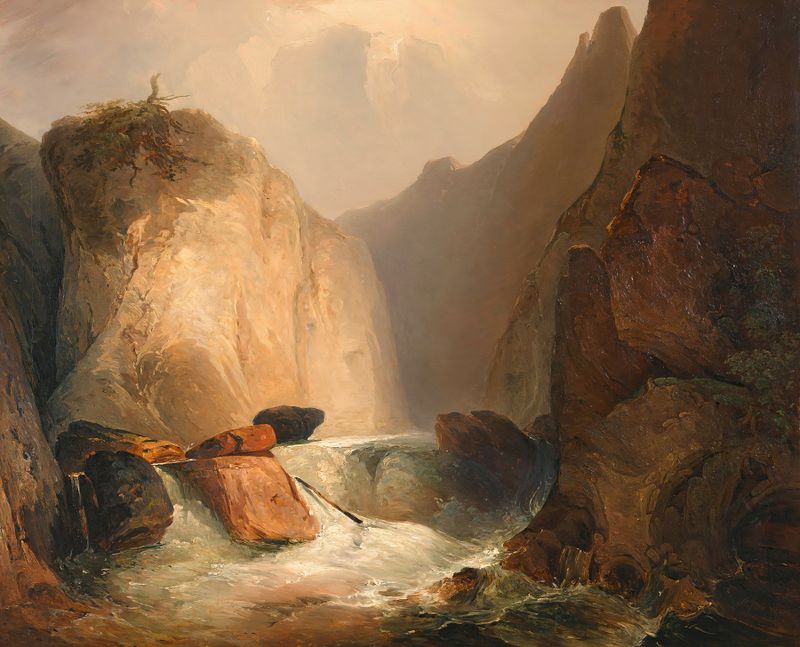
Felspartie – Moldauenge bei Hohenfurt
Adalbert Stifter
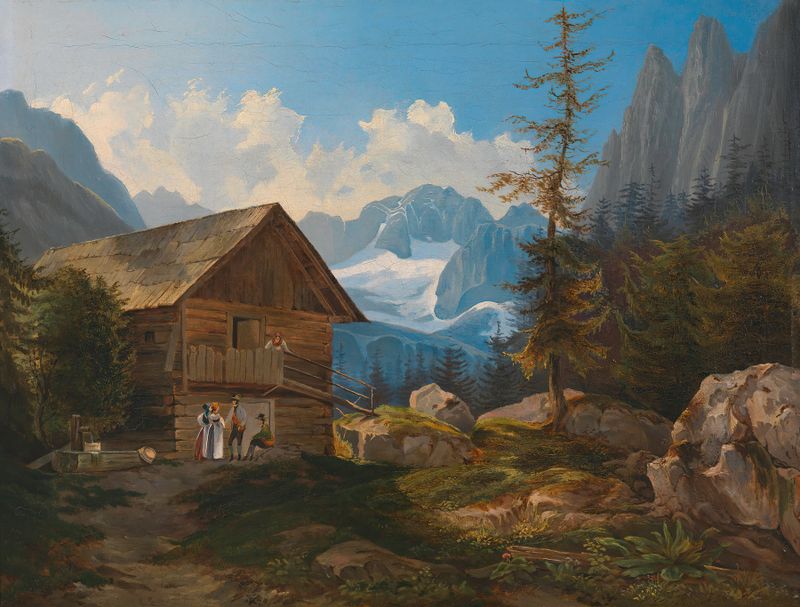
Im Gosautal (Oberösterreich)
Adalbert Stifter
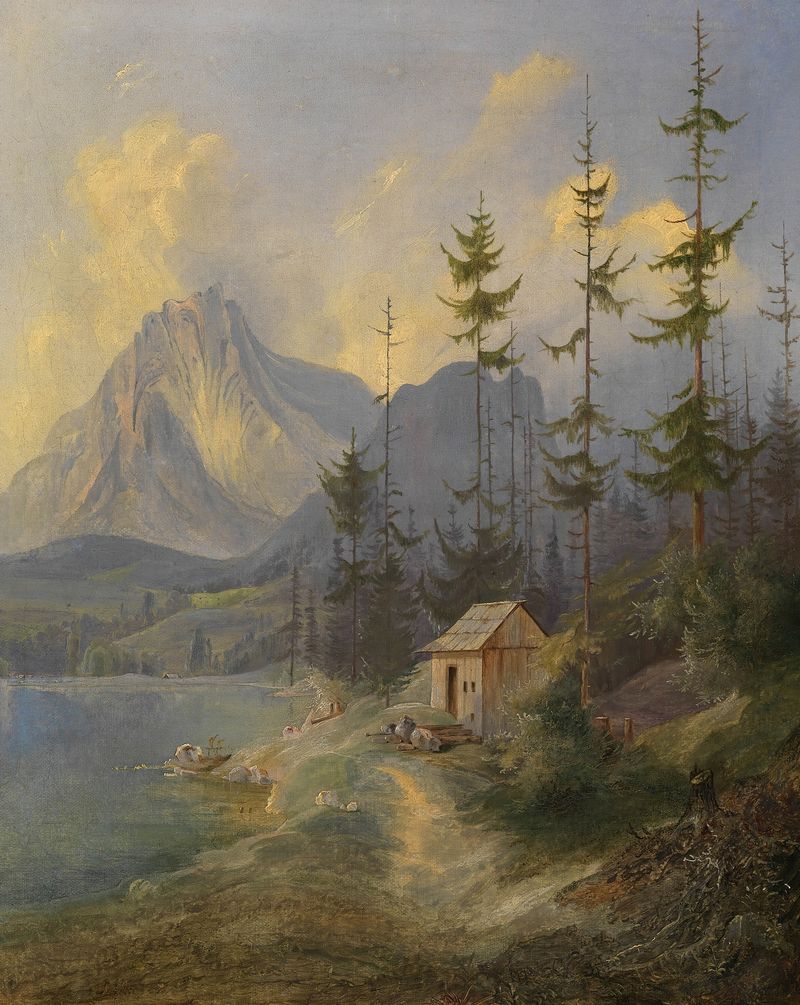
Der Sarstein bei Alt-Aussee
Adalbert Stifter





