
Felsstudie (Hirschensprung im Höllental) — History & Facts
Could beauty survive in a century of chaos? In the heart of a tumultuous era, the world found solace in the delicate hues of nature, captured immortal within the strokes of a master. Look to the vibrant greens and earthy browns that dance across the canvas, drawing the eye into a lush wilderness. The strong contrasts between light and shadow create depth, inviting reflection on the contours of the rocks and the whispers of the trees. Notice how the calm blue sky peeks through overhead, its serenity a stark counterpoint to the rugged terrain below, allowing viewers to ponder the harmonious clash between ruggedness and tranquility. Delve deeper, and you may uncover the symbolism of the scene: the towering rocks suggest resilience, standing firm against the passage of time, while the gentle play of light hints at an ephemeral beauty that may soon vanish.
The juxtaposition of the solid earth with the fleeting sky reflects a struggle between stability and impermanence, evoking feelings of nostalgia for untainted landscapes amid a rapidly changing world. It is as if the artist captured a momentary respite from chaos, a fragile refuge in nature’s embrace. Adalbert Stifter painted this work in 1840 while living in Austria, a period marked by political upheaval and social change. As a key figure in the Biedermeier movement, he sought to find beauty in the everyday, championing the natural world amid the backdrop of industrial expansion.
This painting exemplifies his commitment to portraying the sublime aspects of nature, offering a poignant reflection on the value of serenity in a world that was beginning to fracture.
More Artworks by Adalbert Stifter
Browse all →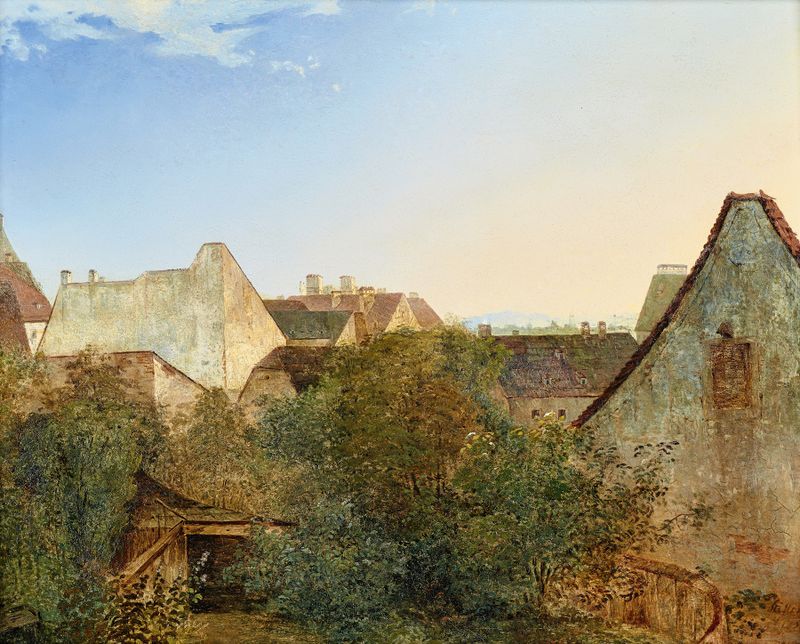
Blick über Wiener Vorstadthäuser (Beatrixgasse)
Adalbert Stifter
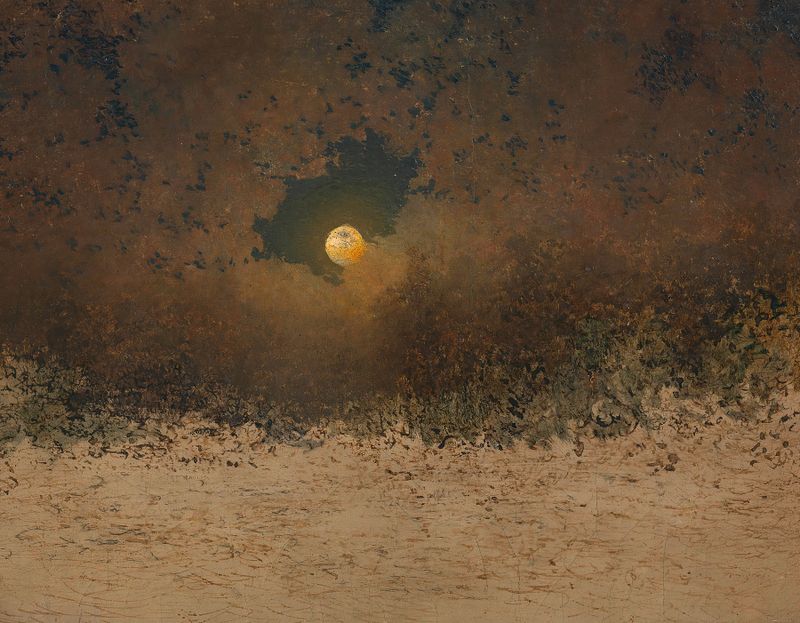
Mondlandschaft mit bewölktem Himmel
Adalbert Stifter
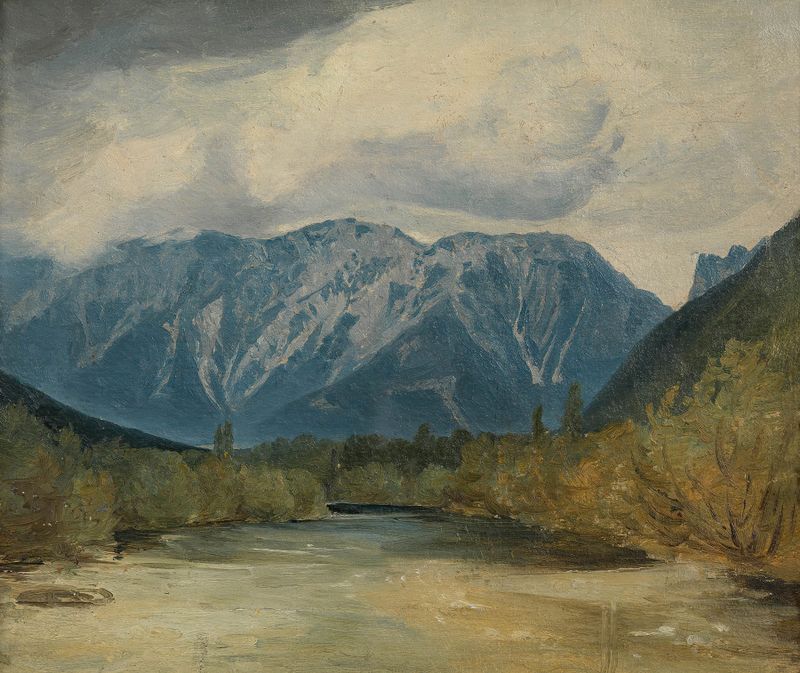
Die Rax in Niederösterreich
Adalbert Stifter
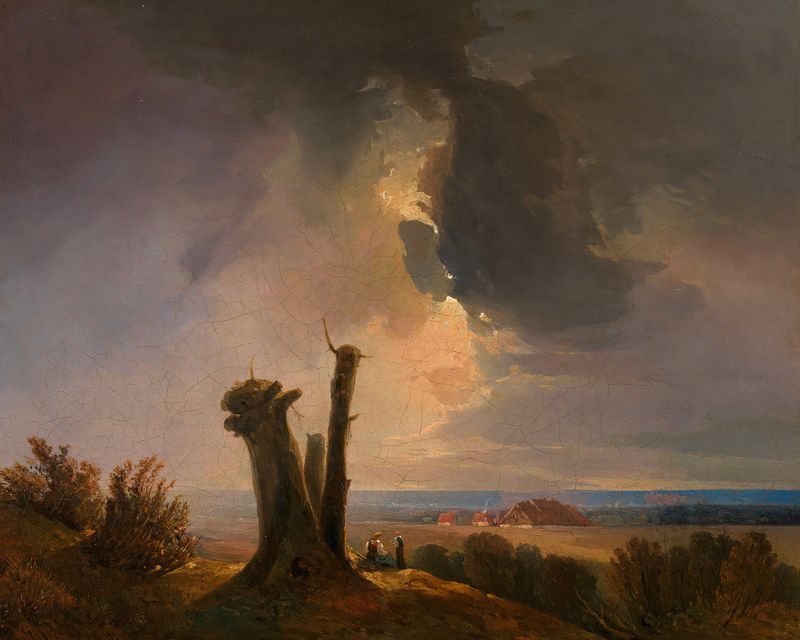
Westungarische Landschaft – Blick vom Leithagebirge
Adalbert Stifter
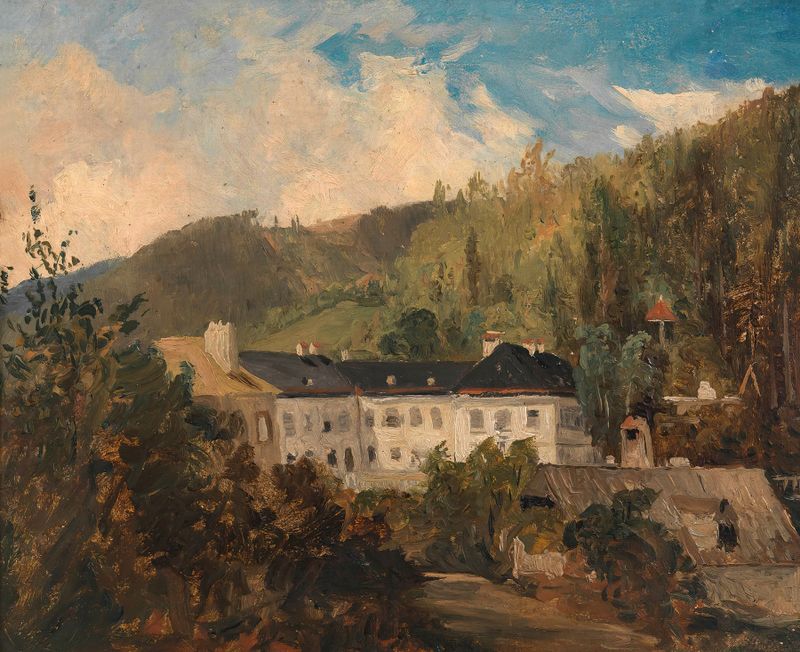
Motiv aus Neuwaldegg
Adalbert Stifter
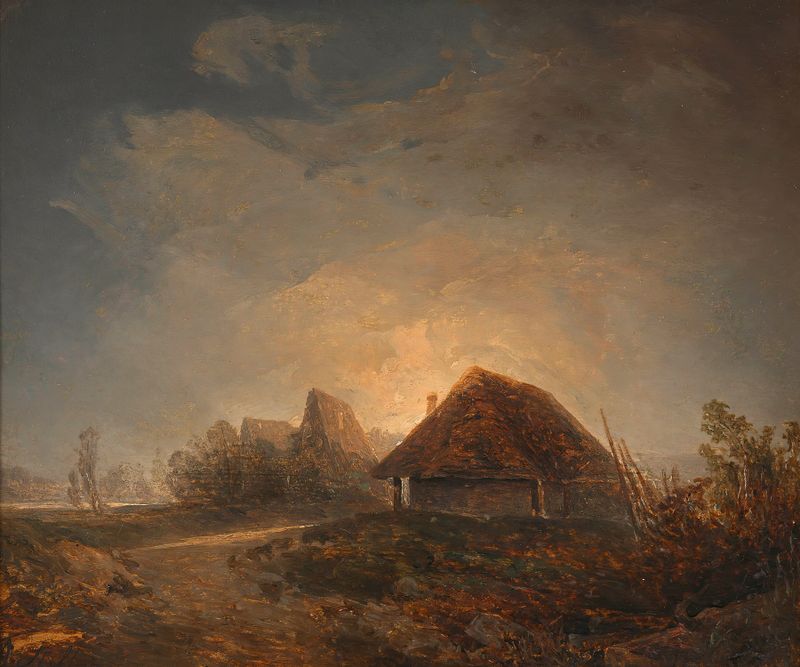
Westungarische Landschaft mit Hütten und aufgehendem Mond
Adalbert Stifter
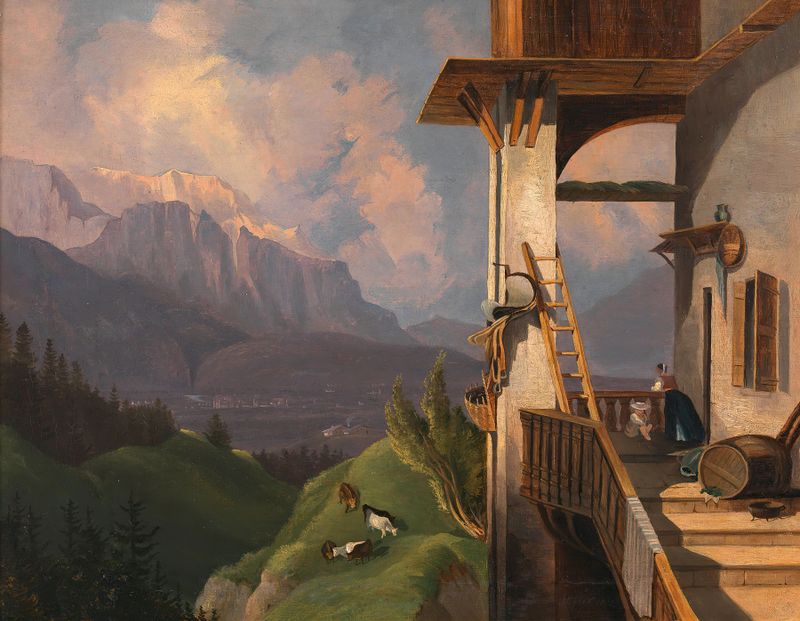
Innsbruck mit der Nordkette
Adalbert Stifter
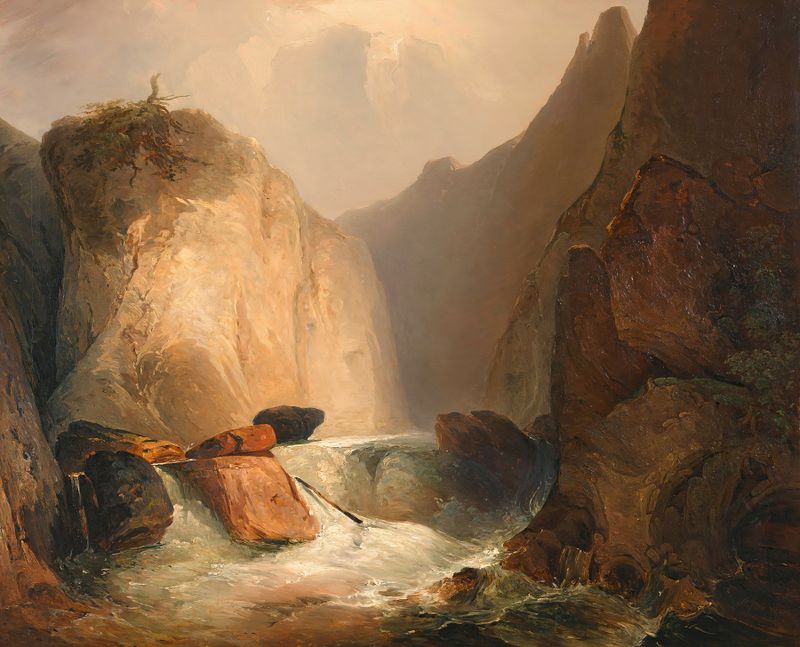
Felspartie – Moldauenge bei Hohenfurt
Adalbert Stifter
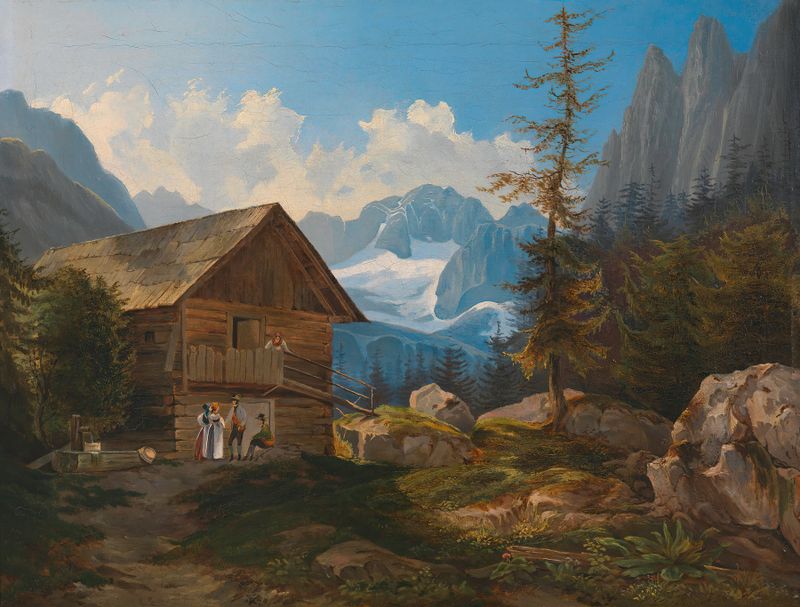
Im Gosautal (Oberösterreich)
Adalbert Stifter
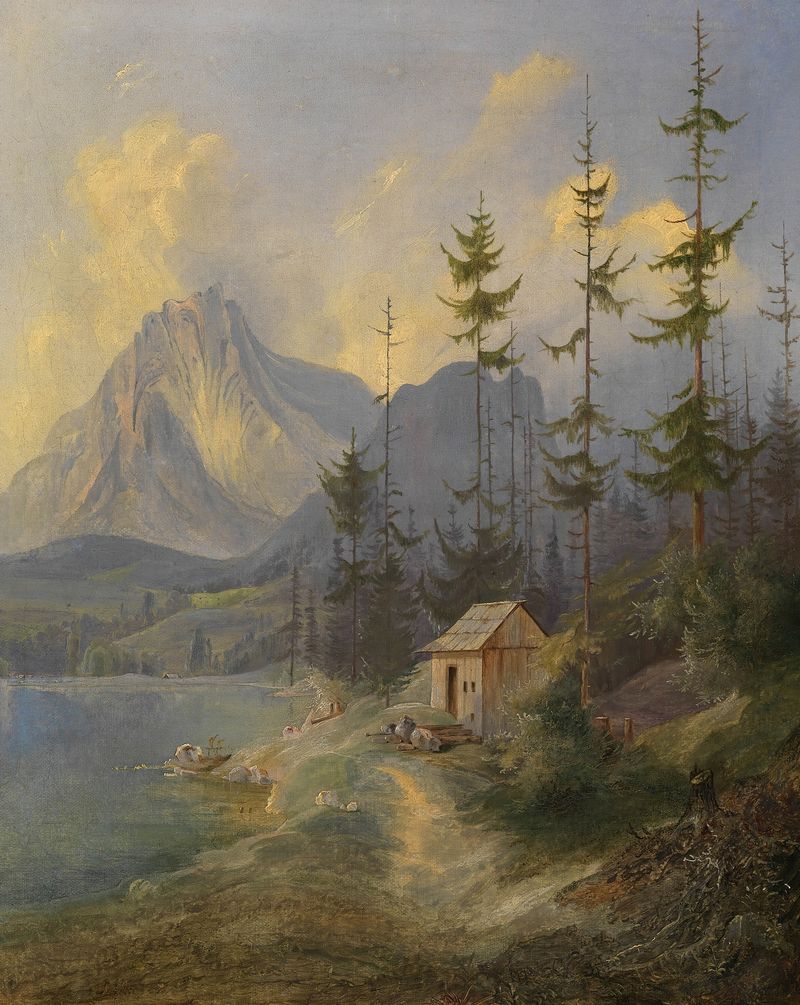
Der Sarstein bei Alt-Aussee
Adalbert Stifter





