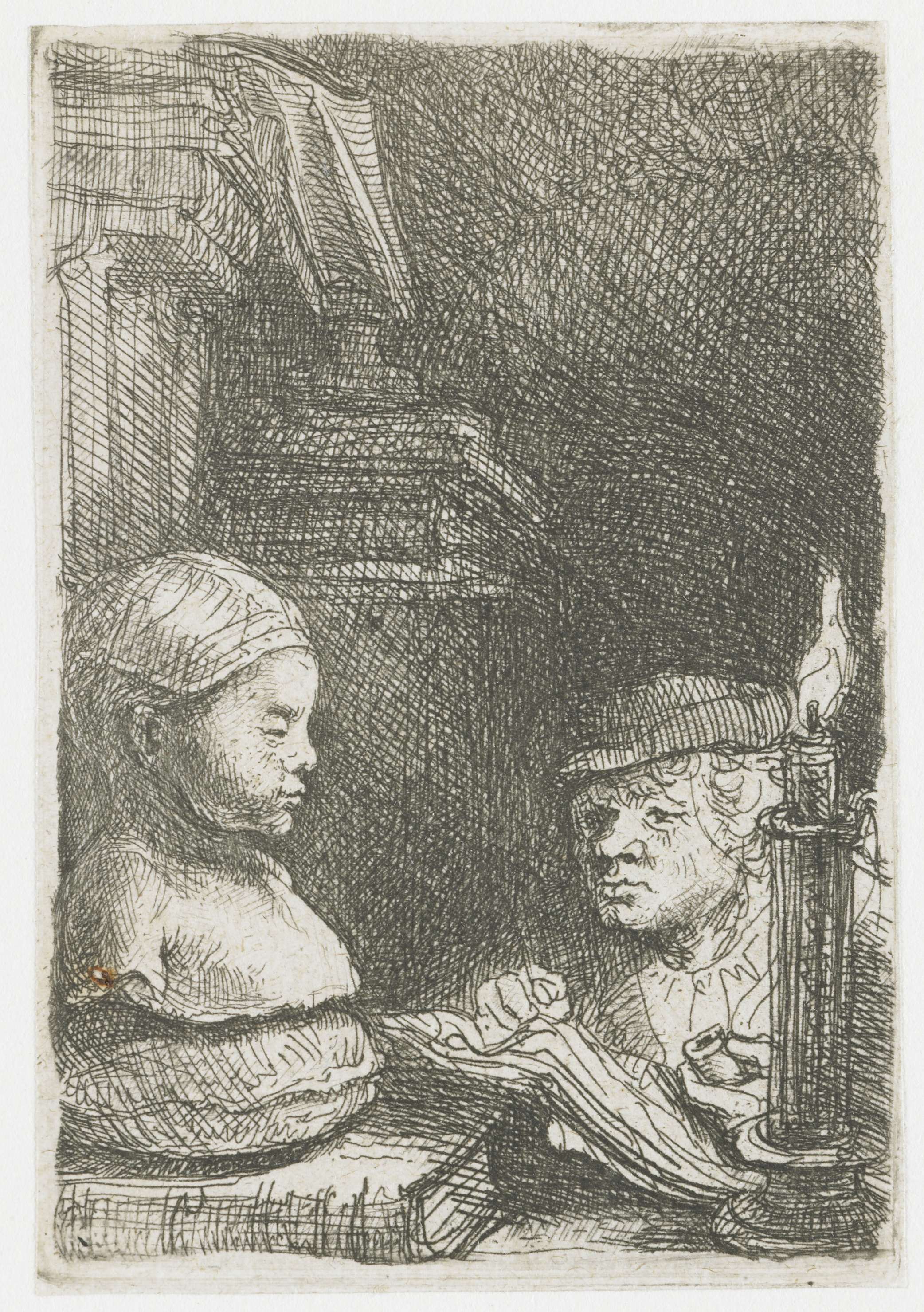
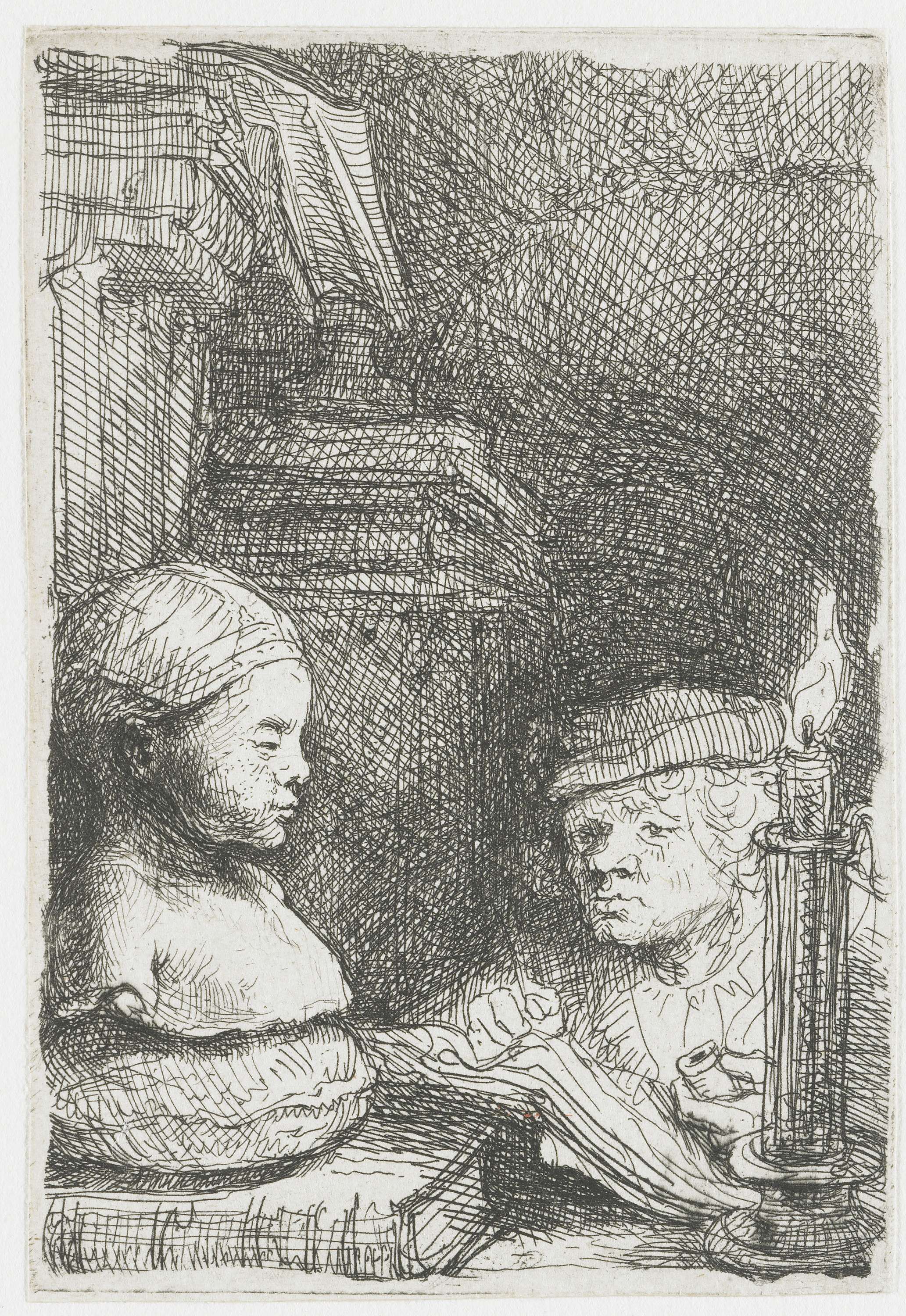
Discover insights about this artwork
Feuille d’études — History & Facts
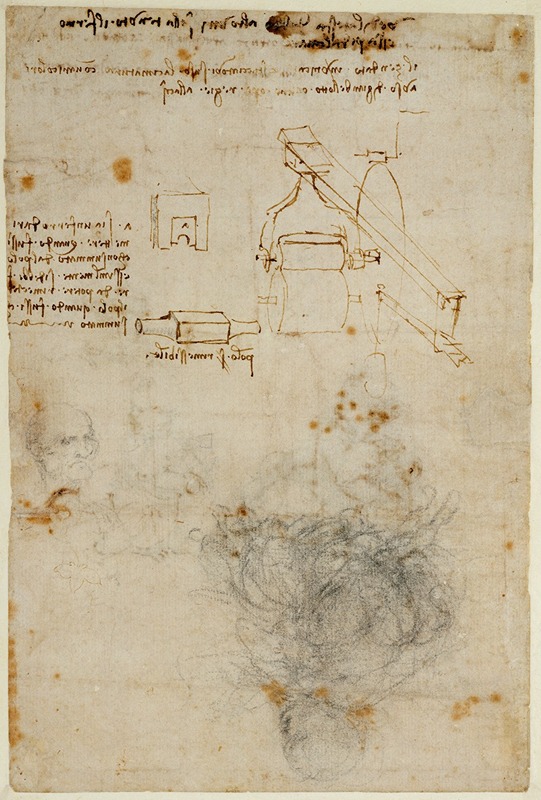
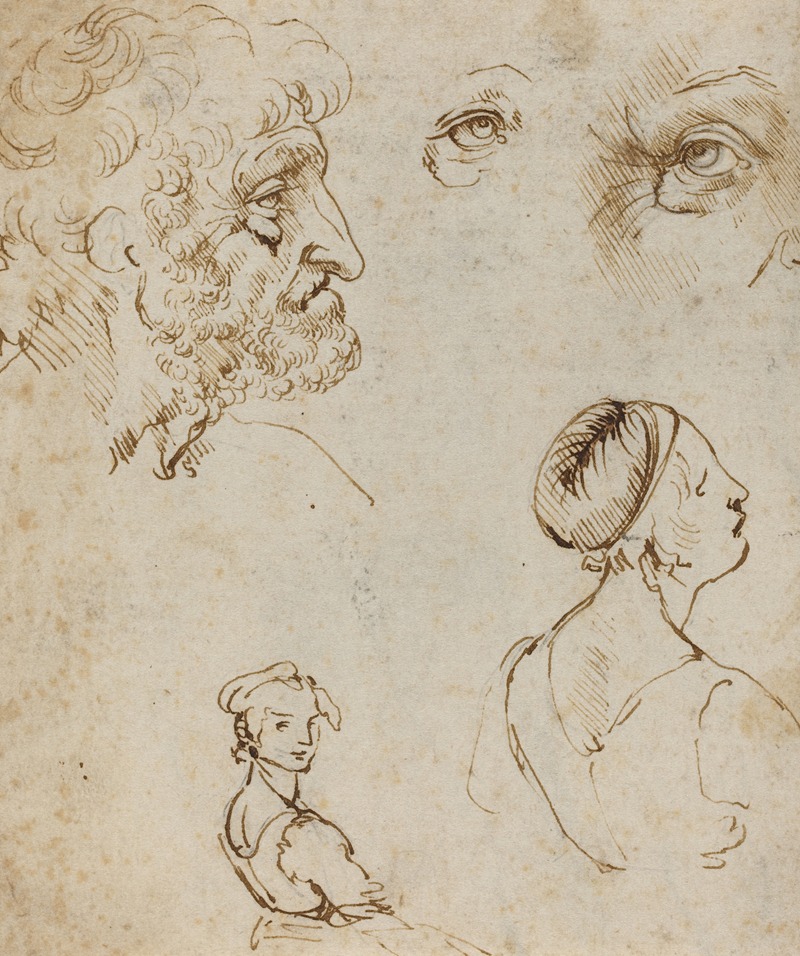
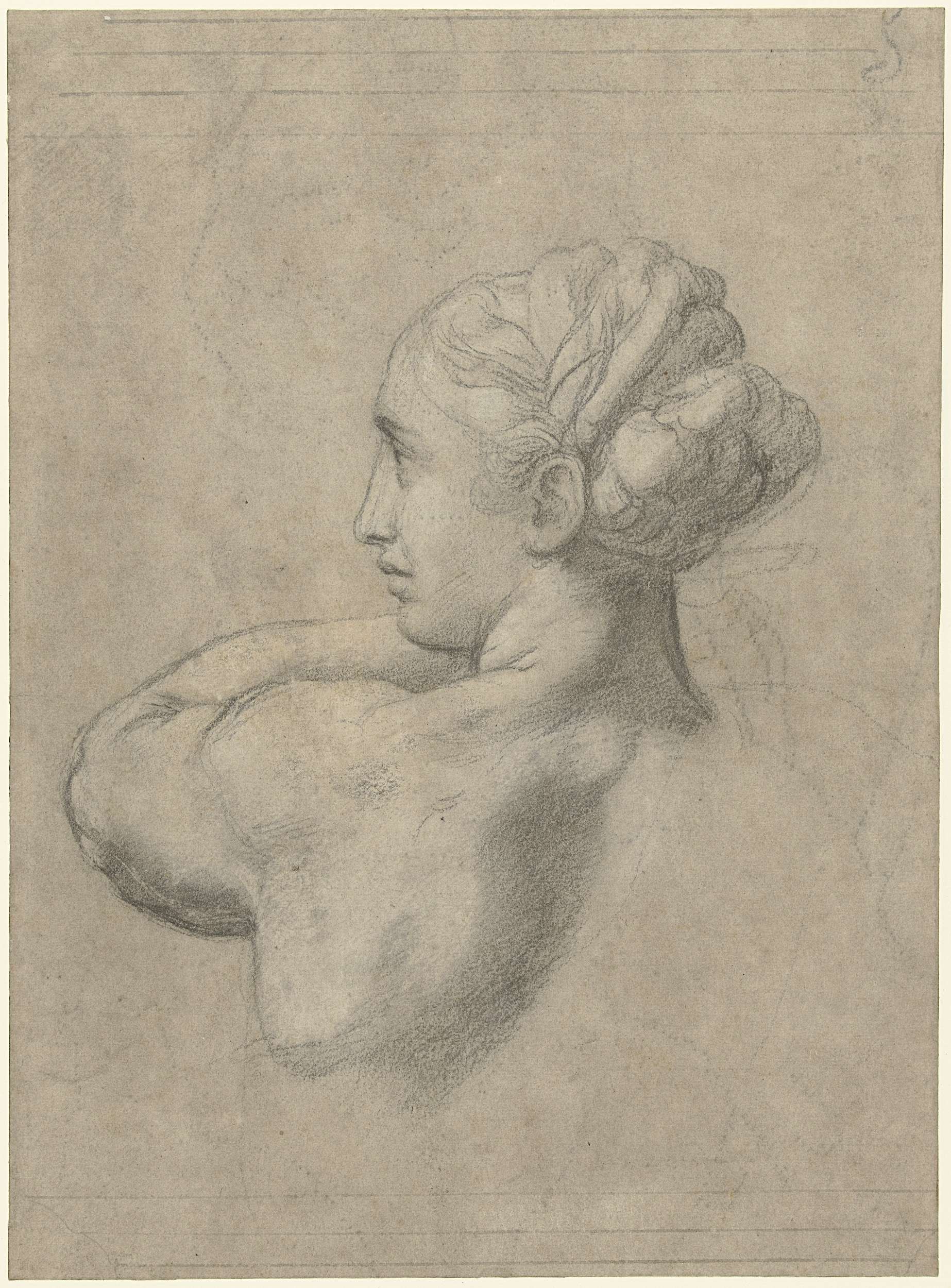
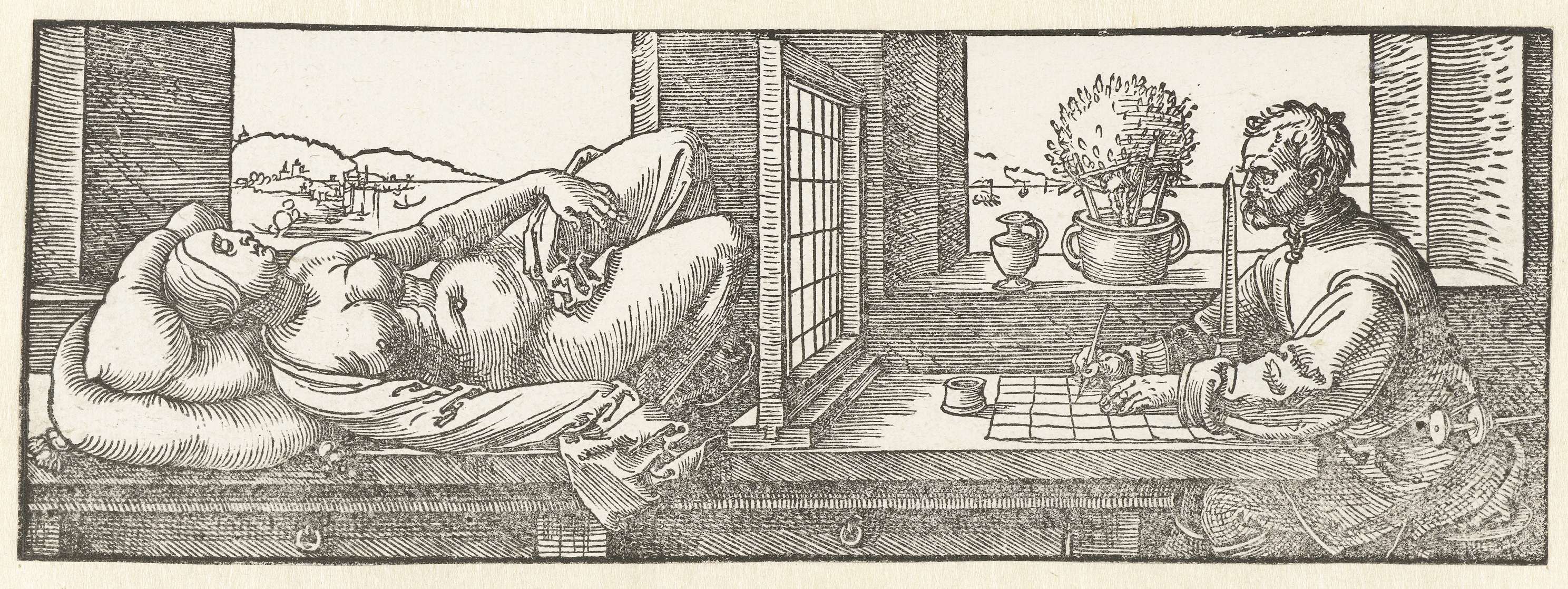
In Feuille d’études, Paul Cézanne employs a palette of muted greens, browns, and soft yellows. The composition features a study of natural forms, likely inspired by the surrounding landscape. Cézanne's brushstrokes are visible, creating a textured surface that invites closer inspection.
The overall effect is one of harmony and balance, typical of his Post-Impressionist style. This drawing showcases Cézanne's characteristic use of color and form. The lines are bold yet fluid, reflecting his interest in the structure of objects. The dimensions are approximately 25 x 35 cm, making it a small but intimate piece.
The medium remains unknown, but it likely involves pencil or ink on paper. Paul Cézanne was a pivotal figure in the transition from 19th-century Impressionism to 20th-century Modernism. Feuille d’études is an example of his exploration of form and perspective, which would later influence many modern artists. Interestingly, this work is part of a private collection, making it less accessible to the public compared to his more famous pieces.
Cézanne's focus on the underlying structure of objects was revolutionary for his time.
More Artworks by Paul Cézanne
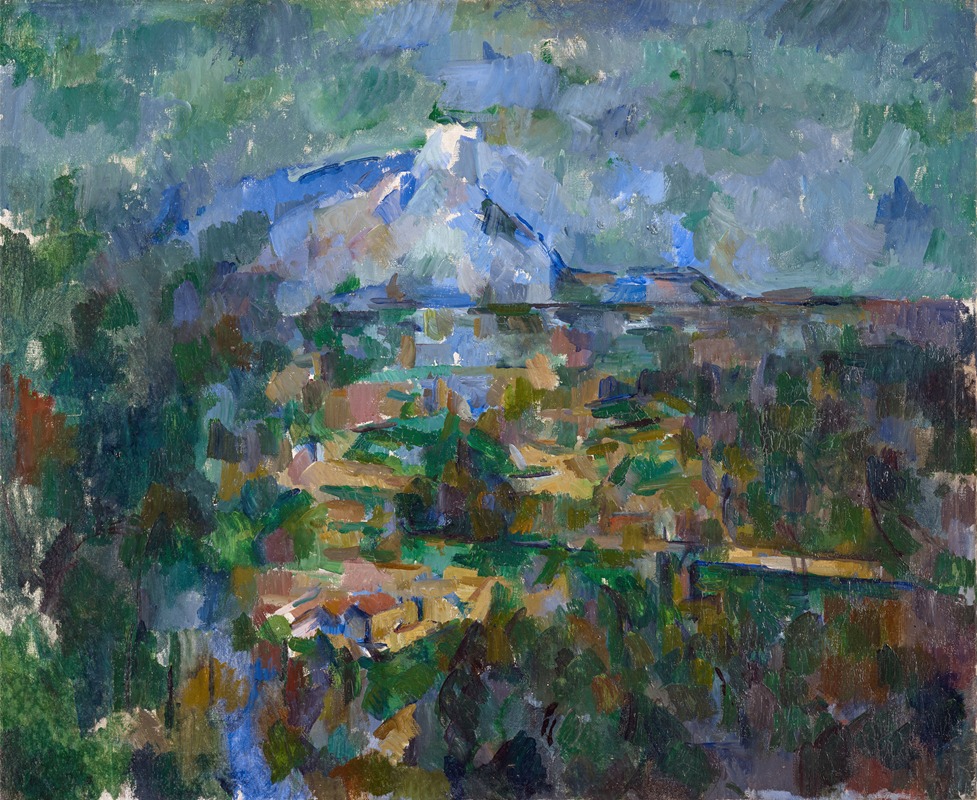
The Mont Sainte-Victoire Seen From Les Lauves
Paul Cézanne
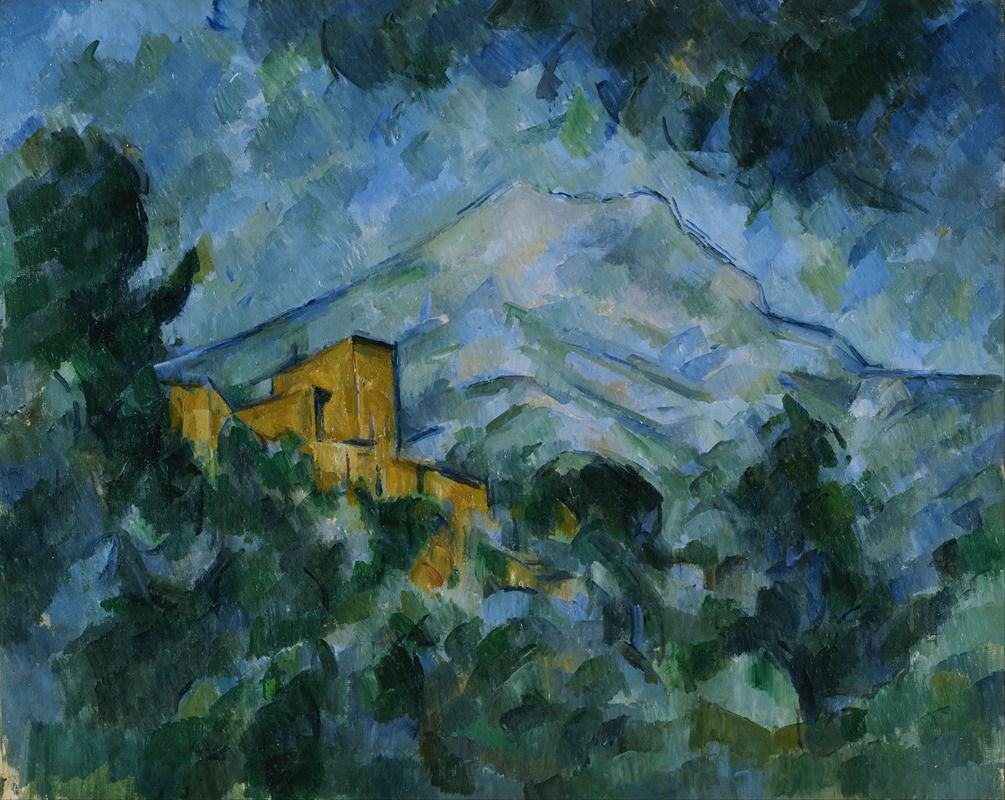
Mont Sainte-Victoire and Château Noir
Paul Cézanne
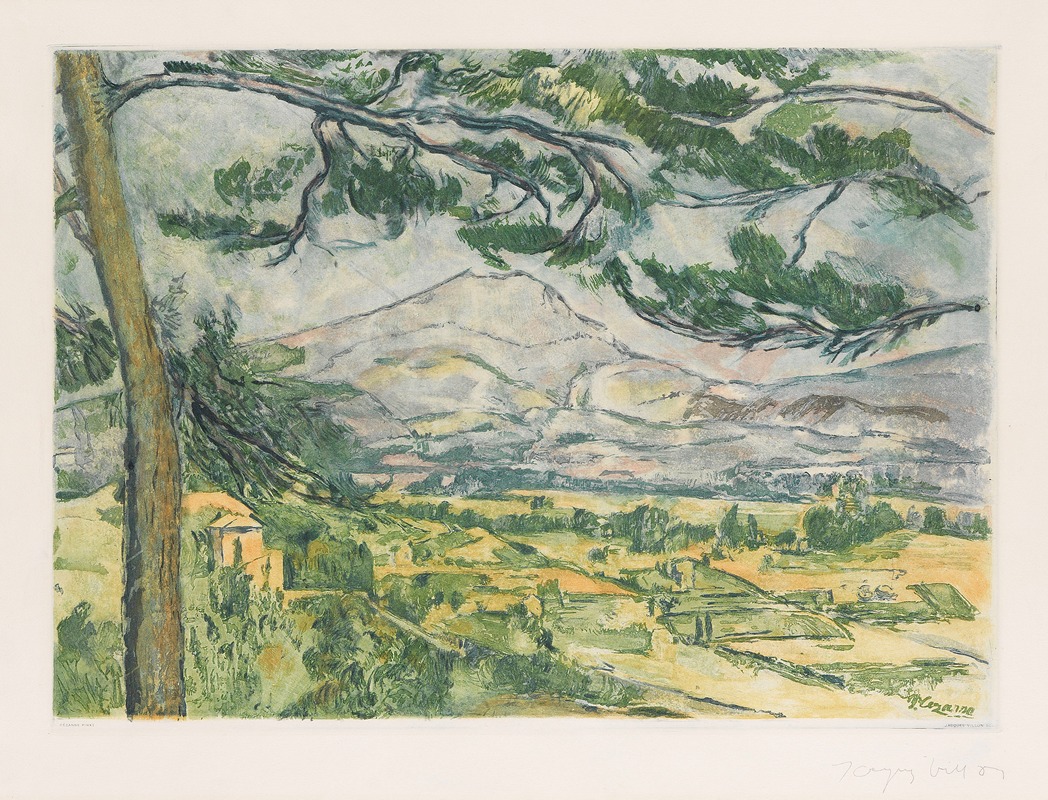
La Montagne Sainte-Victoire
Paul Cézanne
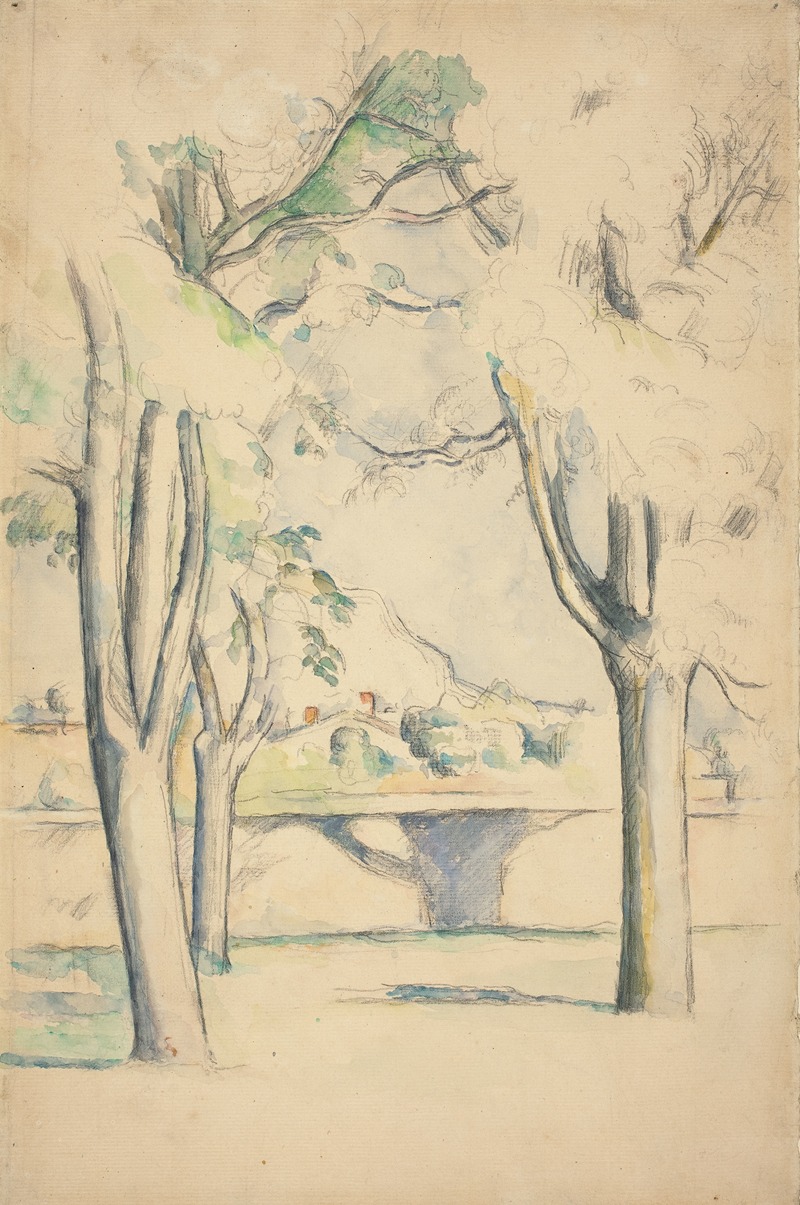
Mont Sainte-Victoire Seen beyond the Wall of the Jas de Bouffan
Paul Cézanne
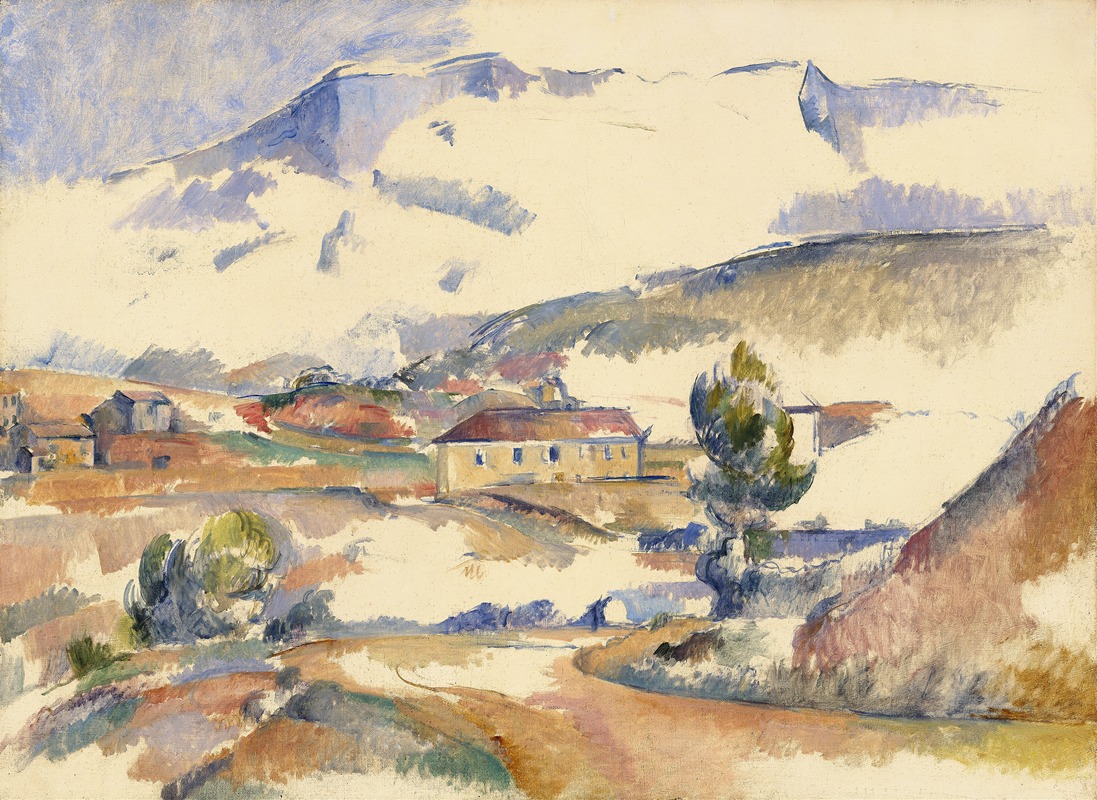
Montagne Sainte-Victoire,from near Gardanne
Paul Cézanne
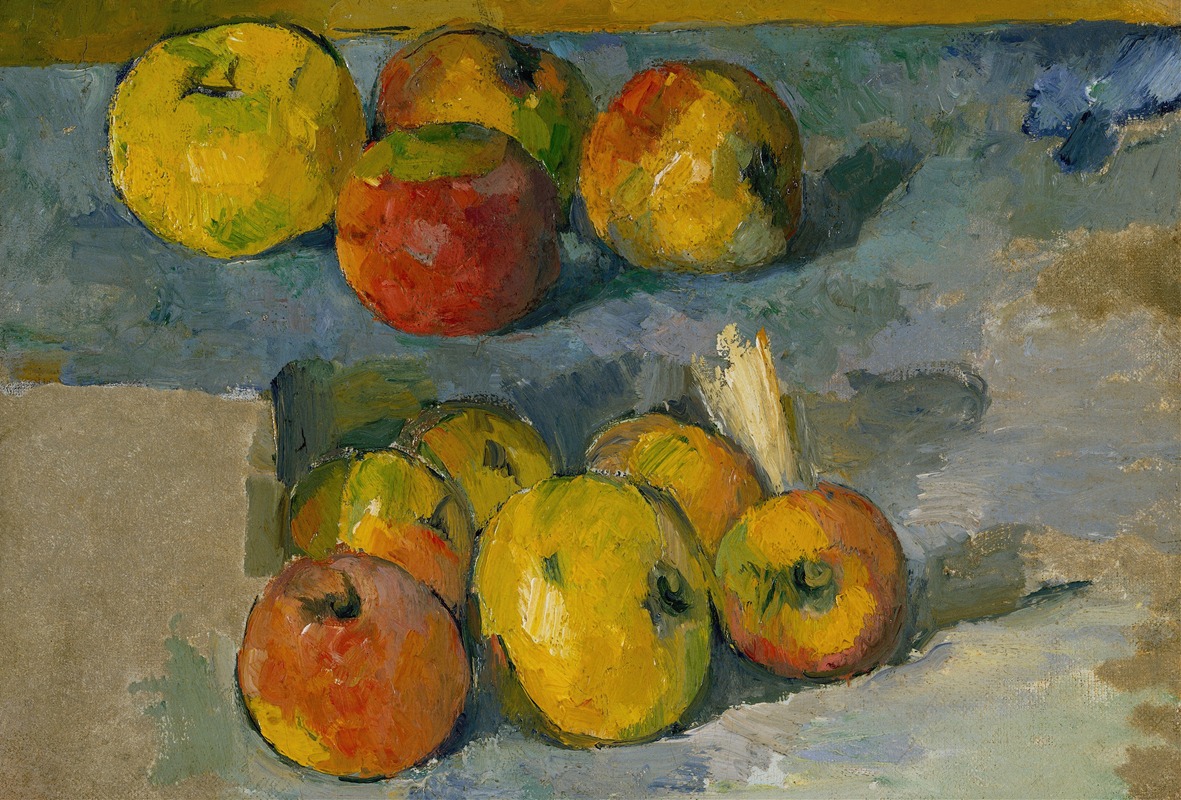
Apples
Paul Cézanne
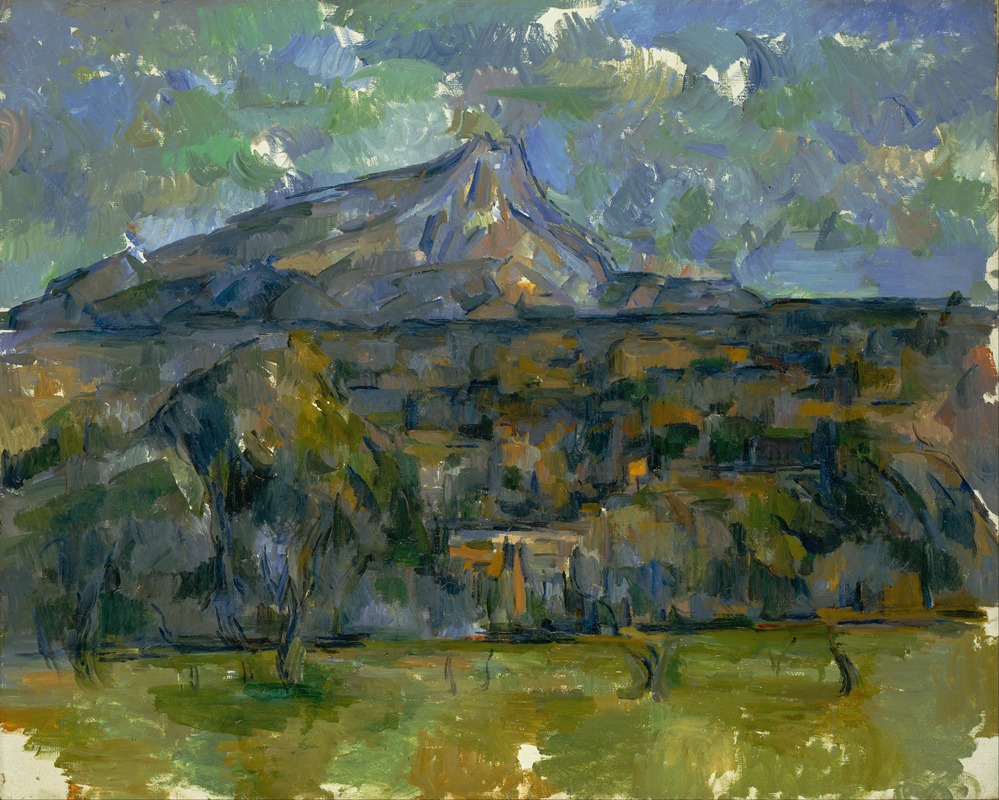
Mont Sainte-Victoire
Paul Cézanne
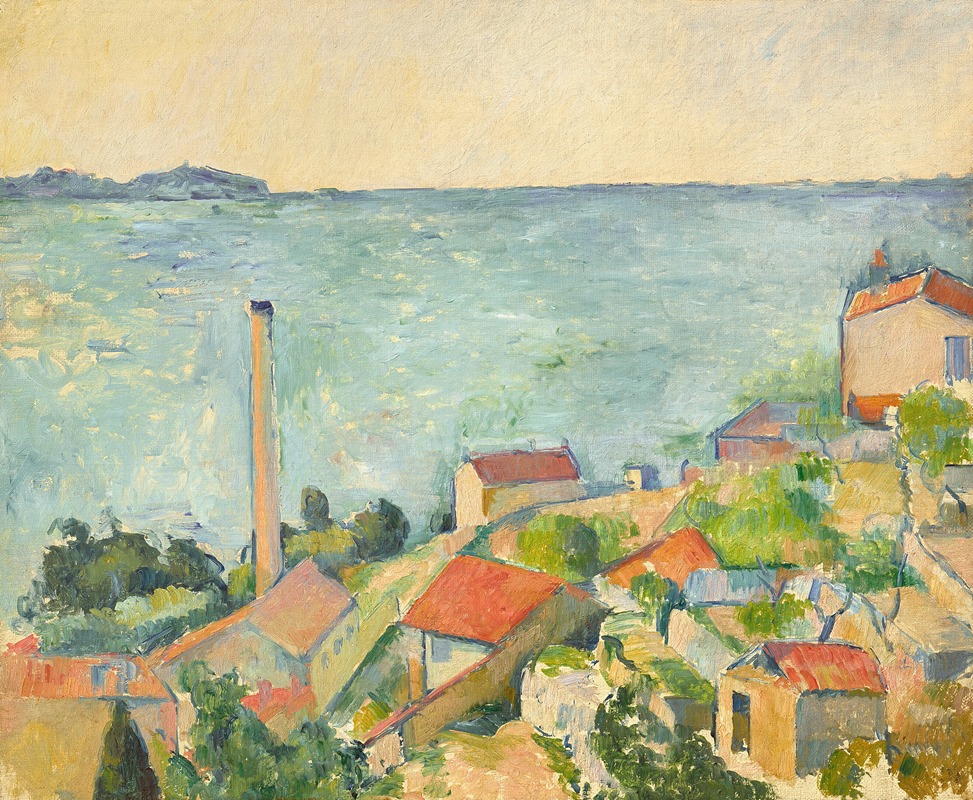
La mer à l’Estaque
Paul Cézanne
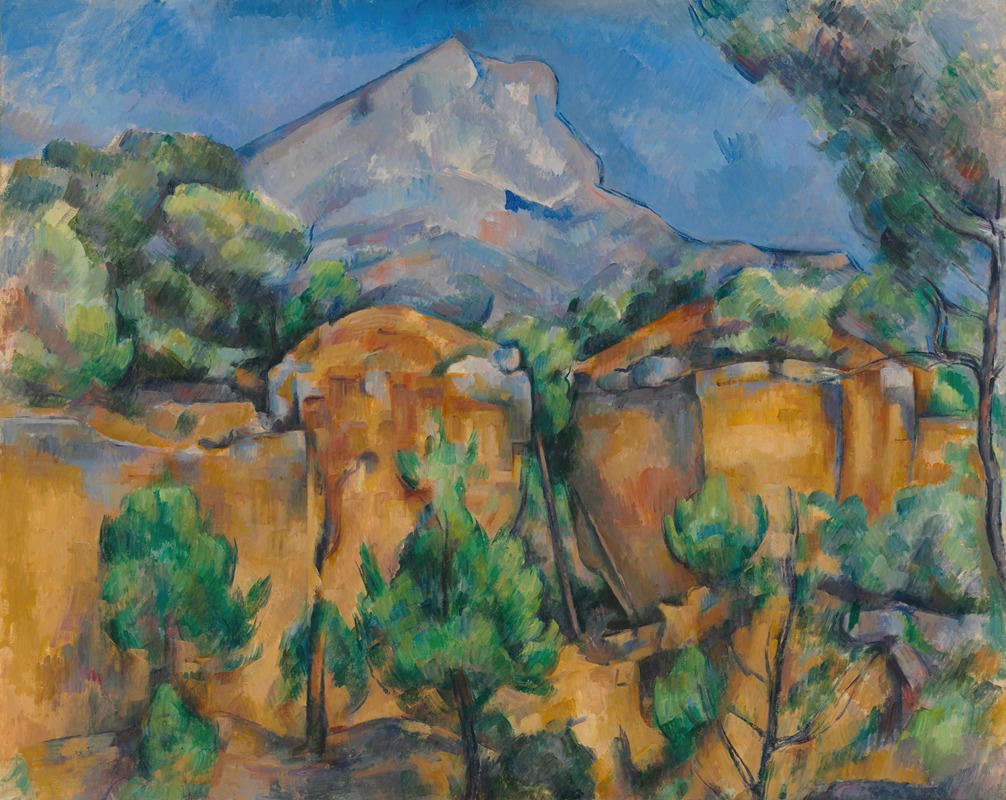
La Montagne Sainte-Victoire vue de la carrière Bibémus
Paul Cézanne
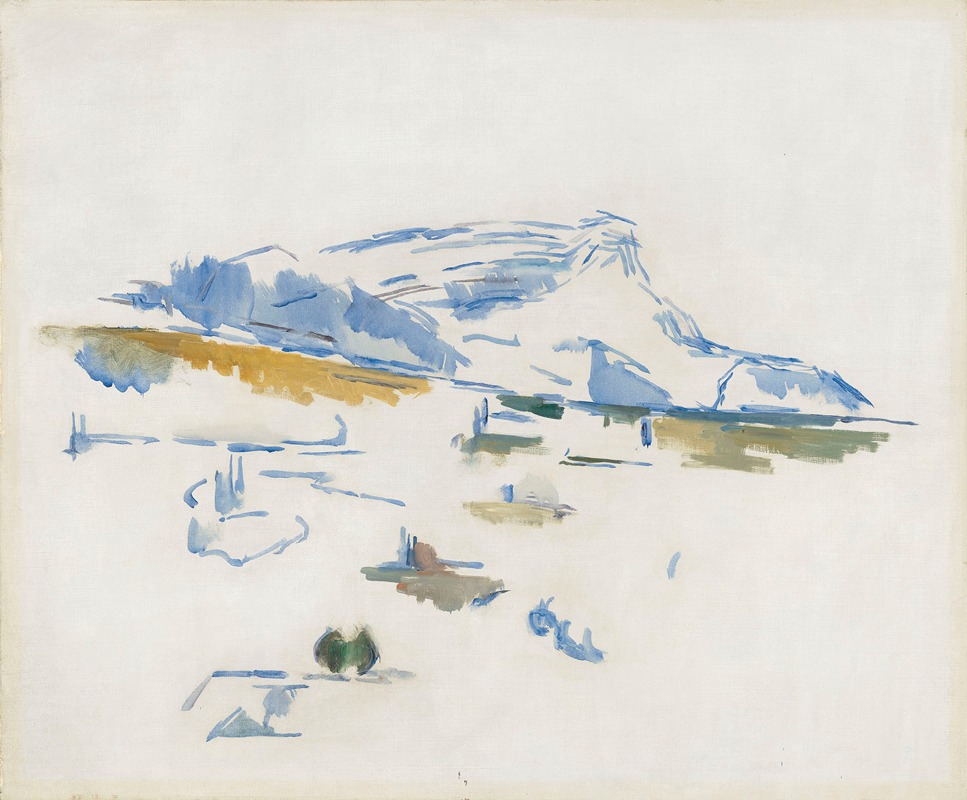
La Montagne Sainte-Victoire vue des Lauves
Paul Cézanne