Discover insights about this artwork
Montagne Sainte-Victoire,from near Gardanne — History & Facts
In Montagne Sainte-Victoire, from near Gardanne, Paul Cézanne presents a vibrant landscape dominated by the iconic mountain. The painting features a palette of greens, blues, and earthy tones, creating a sense of depth and harmony. The foreground is filled with trees and foliage, leading the viewer's eye towards the mountain in the background.
The sky is painted with soft, diffused light, suggesting a serene atmosphere. Cézanne's technique is evident in the brushstrokes and layering of colors, which give the painting a textured appearance. The use of short, deliberate strokes creates a sense of movement and life within the landscape. The composition is carefully balanced, with the mountain serving as a focal point against the surrounding elements.
This work exemplifies Cézanne's transition from Impressionism to a more structured approach in his landscapes. Paul Cézanne painted this work during the late 19th century, a time when he was exploring the relationship between nature and form. Montagne Sainte-Victoire is one of his most famous subjects, as he created numerous paintings of this mountain. An interesting fact about this piece is that it reflects Cézanne's desire to break away from traditional perspectives, focusing instead on the geometric shapes found in nature.
This painting is now housed in the Musée d'Orsay in Paris.
More Artworks by Paul Cézanne
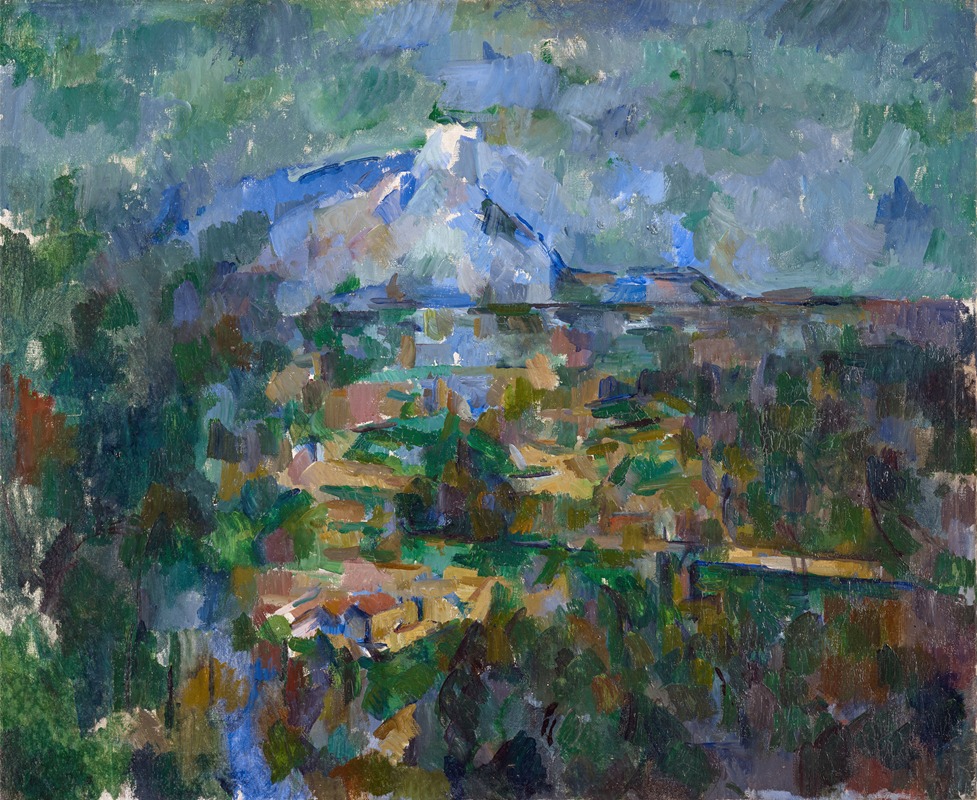
The Mont Sainte-Victoire Seen From Les Lauves
Paul Cézanne
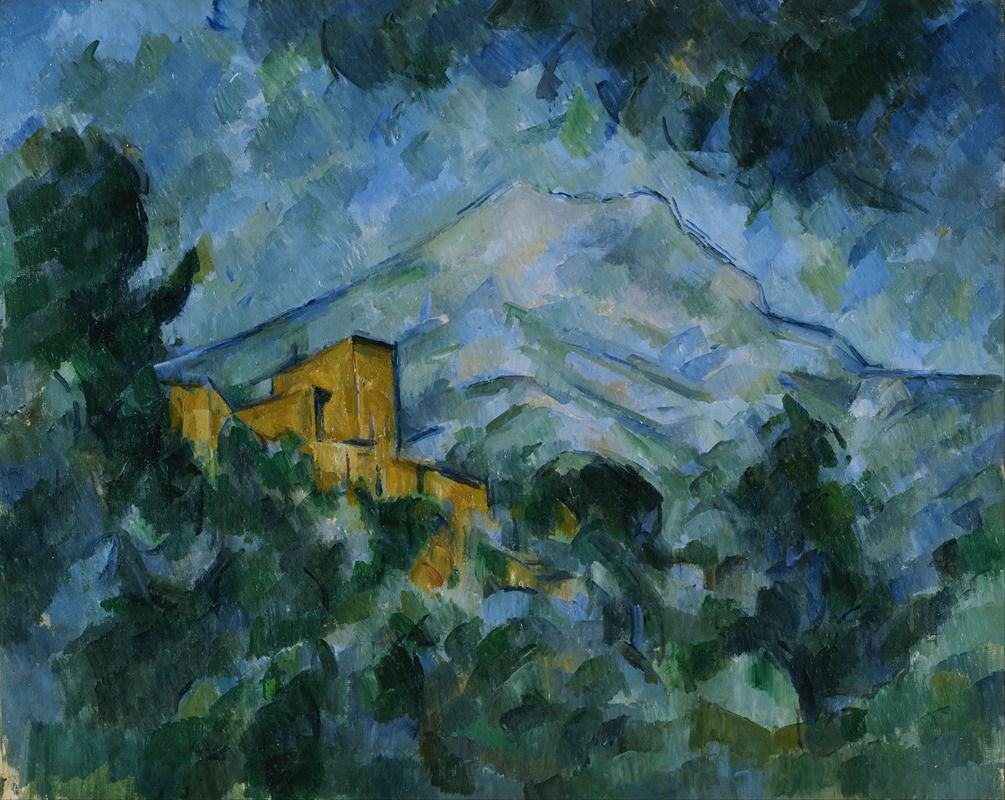
Mont Sainte-Victoire and Château Noir
Paul Cézanne
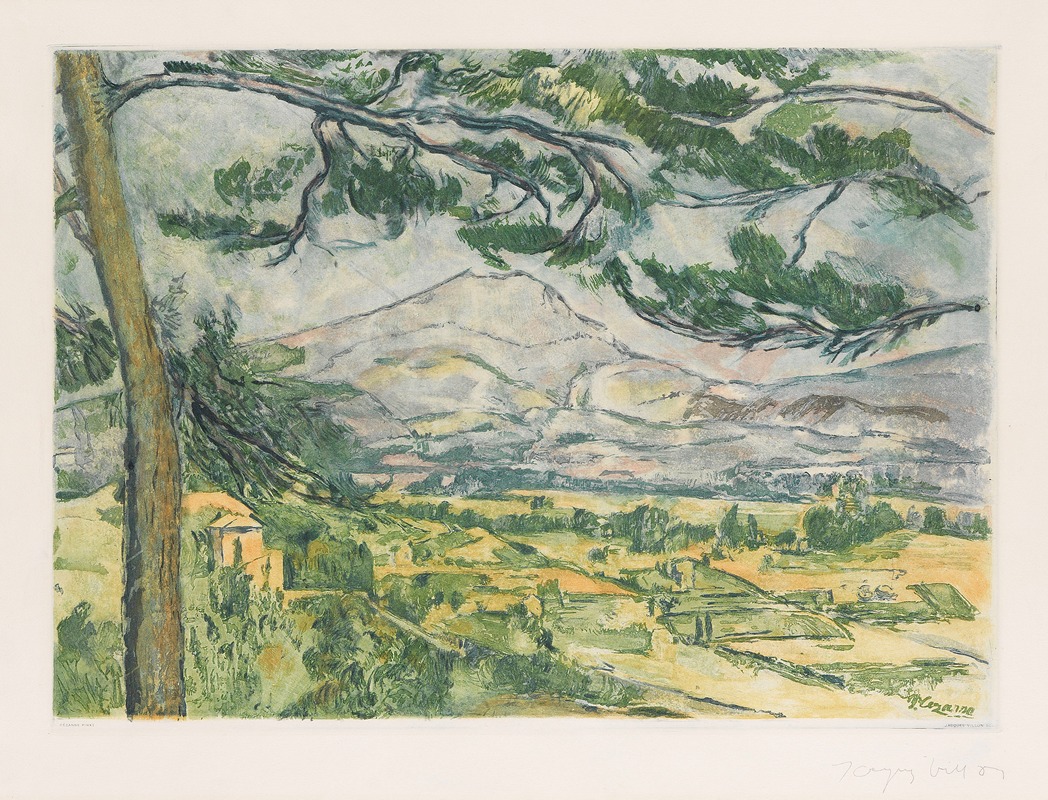
La Montagne Sainte-Victoire
Paul Cézanne
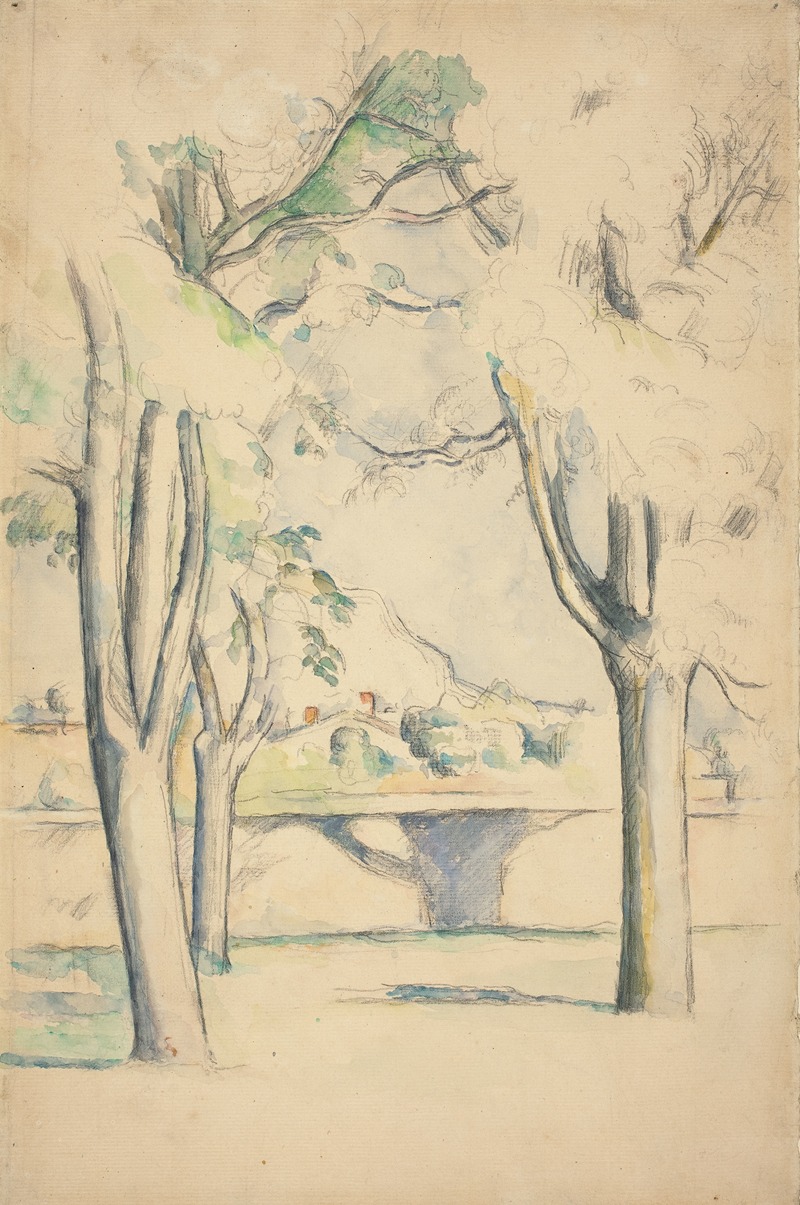
Mont Sainte-Victoire Seen beyond the Wall of the Jas de Bouffan
Paul Cézanne
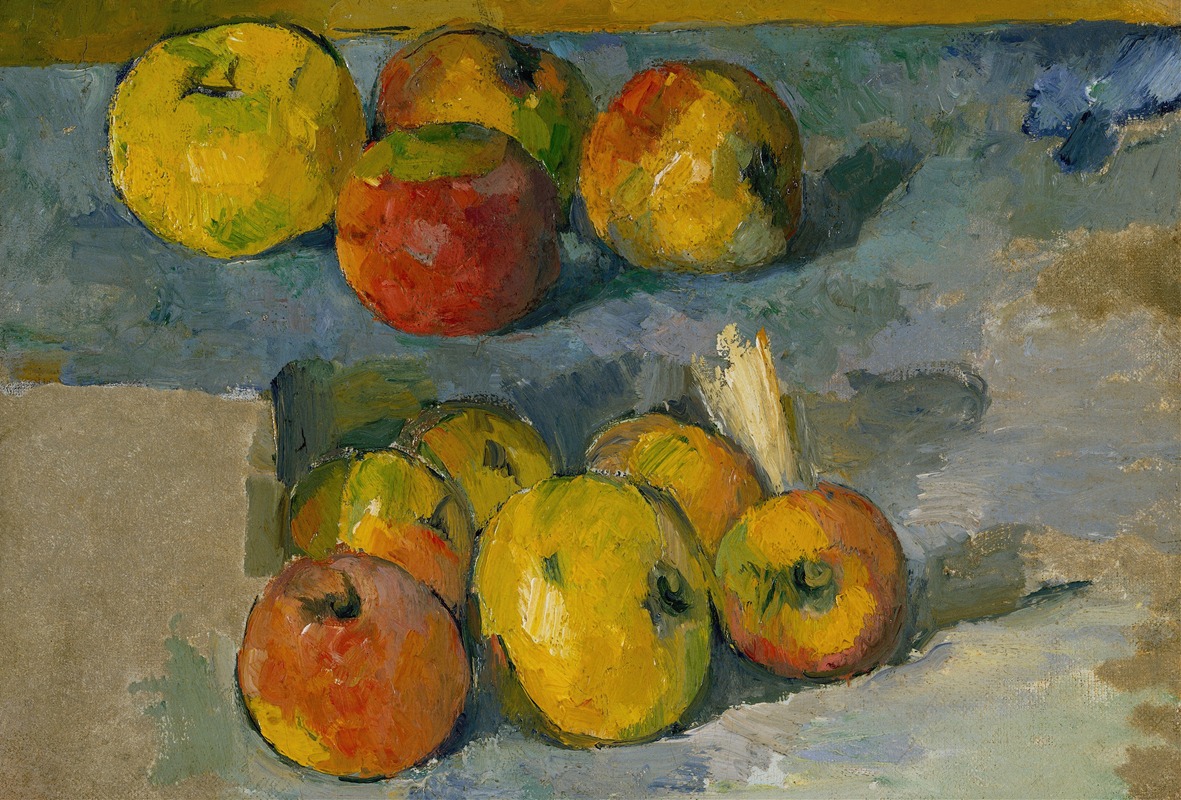
Apples
Paul Cézanne
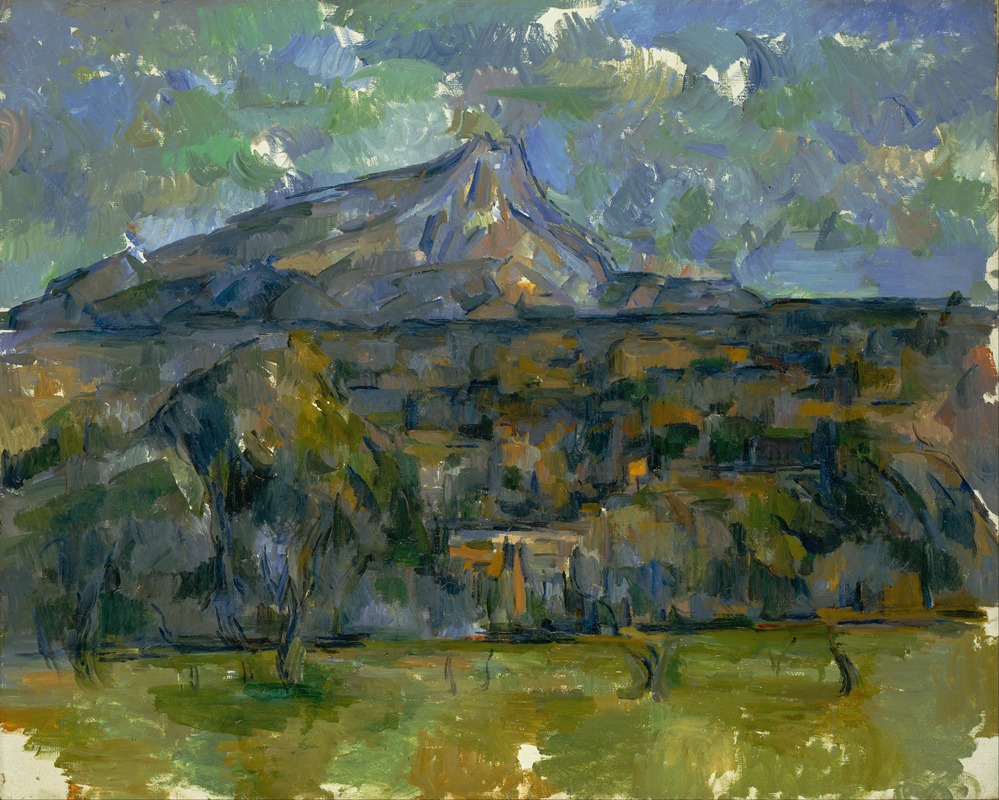
Mont Sainte-Victoire
Paul Cézanne
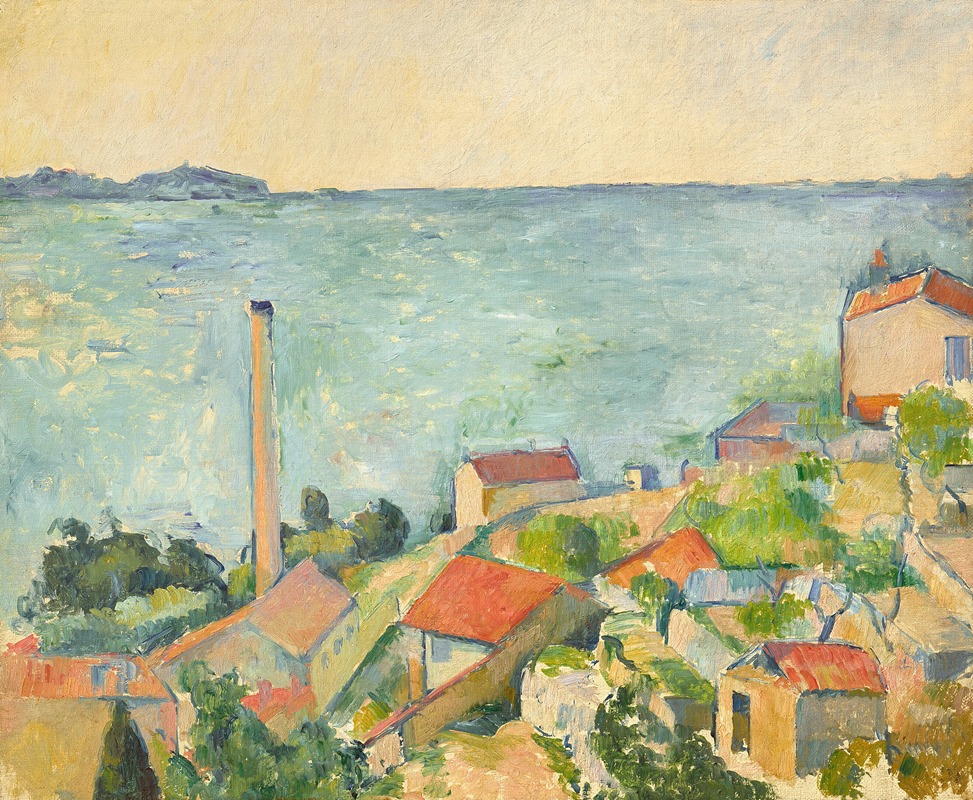
La mer à l’Estaque
Paul Cézanne
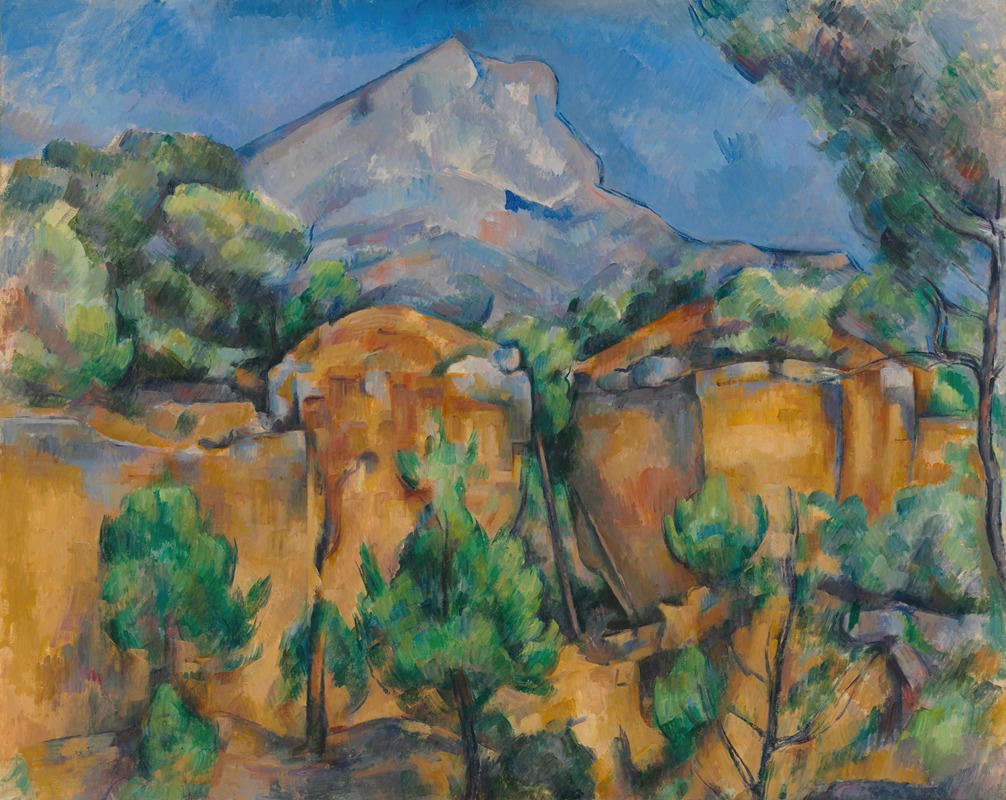
La Montagne Sainte-Victoire vue de la carrière Bibémus
Paul Cézanne
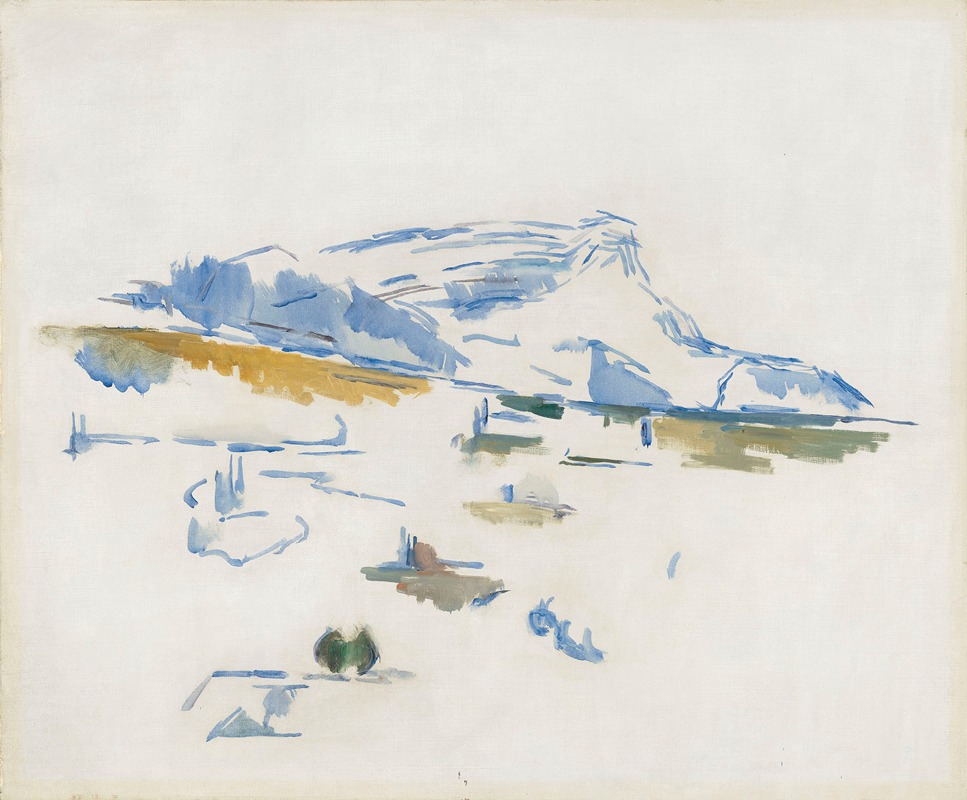
La Montagne Sainte-Victoire vue des Lauves
Paul Cézanne
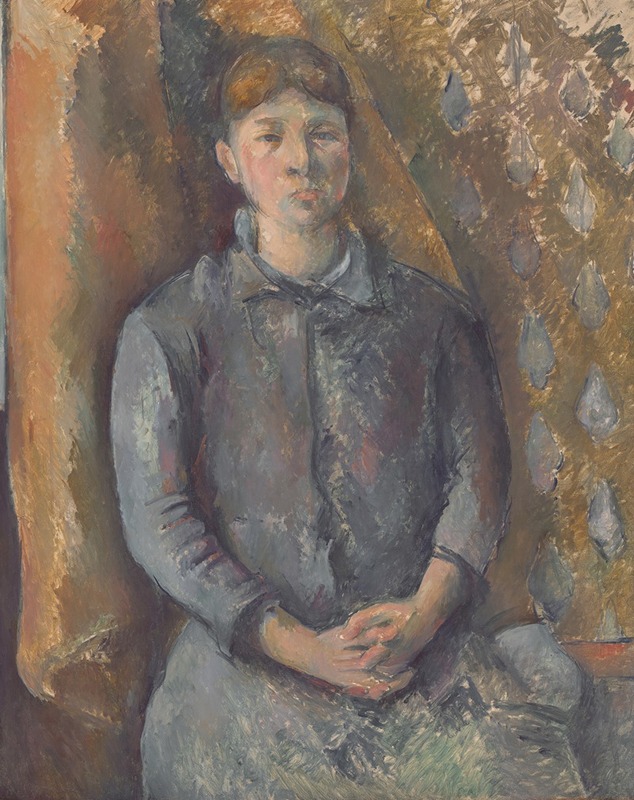
Madame Cézanne
Paul Cézanne