Discover insights about this artwork
La mer à l’Estaque — History & Facts
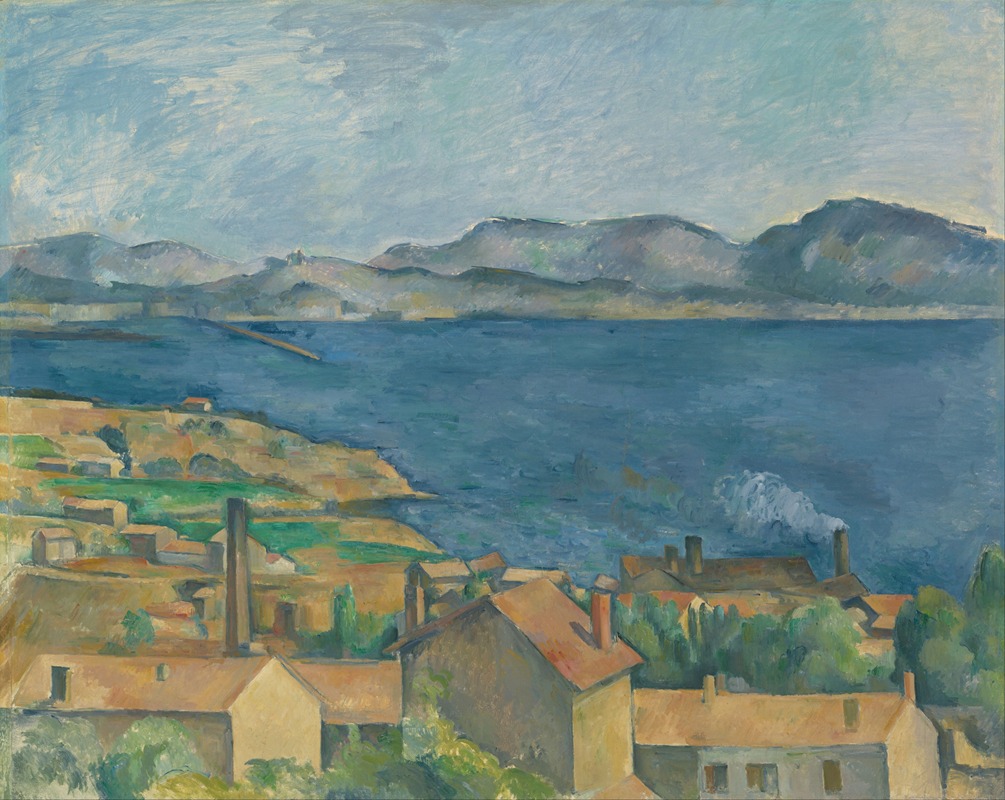
In La mer à l’Estaque, Paul Cézanne captures a vivid marine landscape. The painting features a brilliant blue sea, dotted with gentle waves. The sky is a mix of soft blues and whites, suggesting a bright day.
In the background, the rugged coastline of l’Estaque adds depth to the scene. Cézanne employs oil on canvas to create this work, which measures 73.7 x 92.1 cm. The brushwork is characteristic of his Post-Impressionist style, with visible strokes that convey movement in the water. The colors are vibrant, with a palette dominated by blues and greens.
The composition balances the sea and sky, drawing the viewer's eye across the canvas. Paul Cézanne painted La mer à l’Estaque around 1883, during a period of experimentation with color and form. This work is significant as it reflects his transition from Impressionism to a more structured approach. Interestingly, this painting is part of a series that depicts the same location, showcasing his fascination with the landscape.
Today, it resides in the Musée d'Orsay, a testament to its importance in art history.
More Artworks by Paul Cézanne
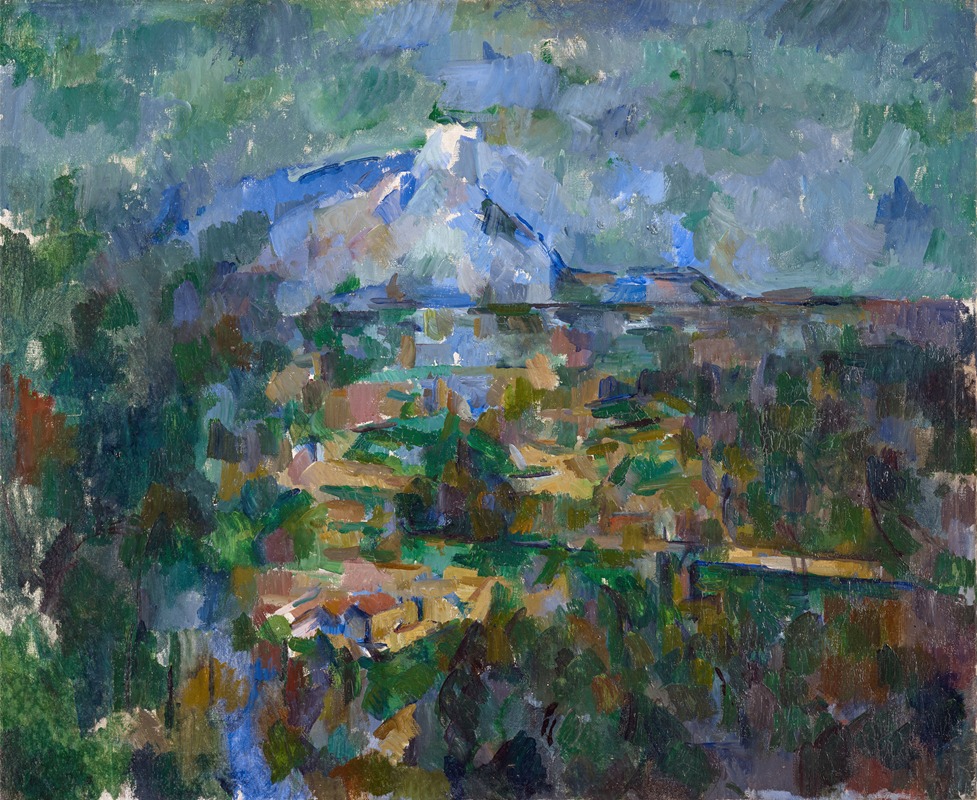
The Mont Sainte-Victoire Seen From Les Lauves
Paul Cézanne
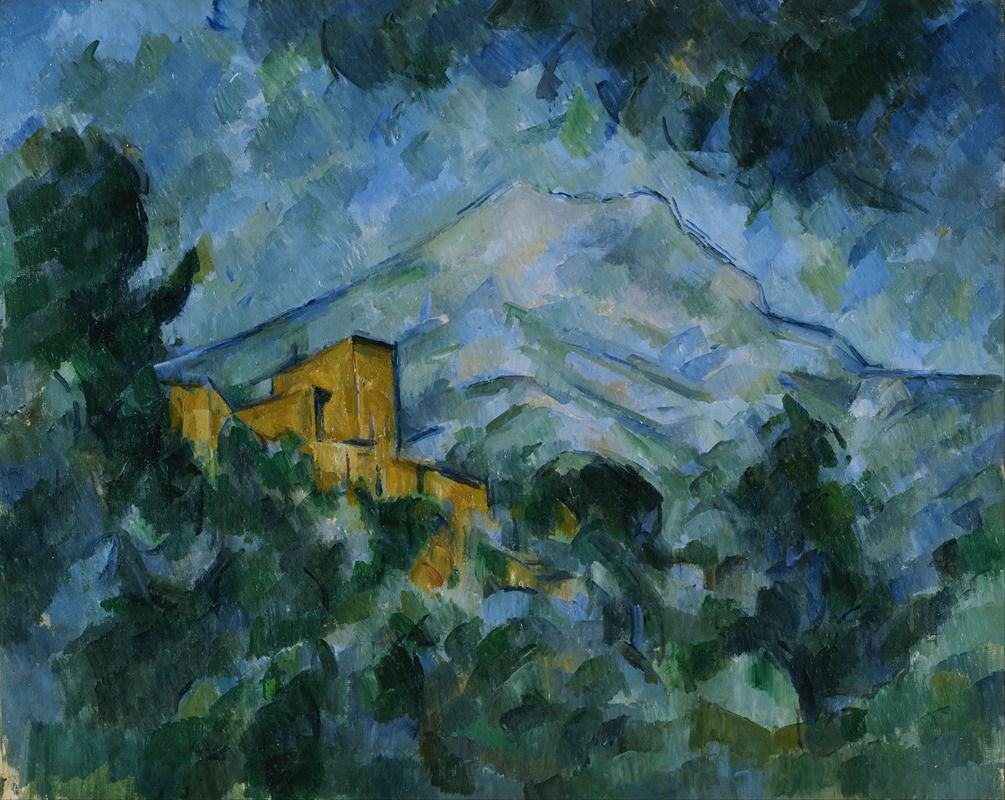
Mont Sainte-Victoire and Château Noir
Paul Cézanne
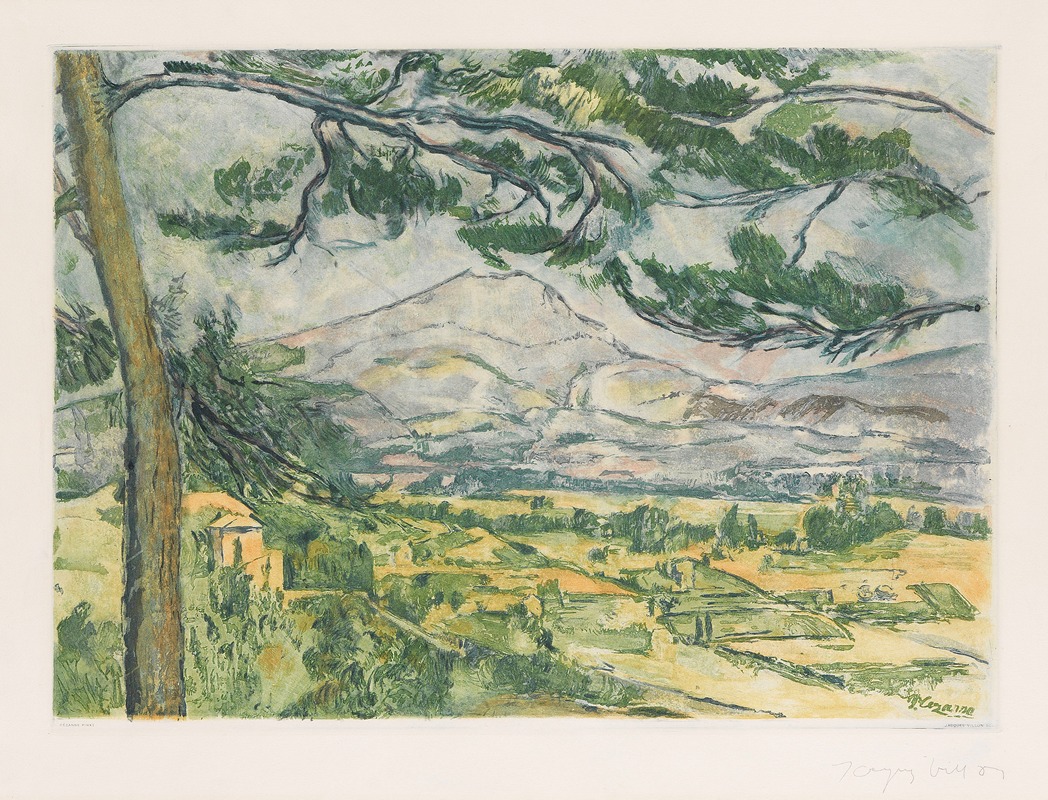
La Montagne Sainte-Victoire
Paul Cézanne
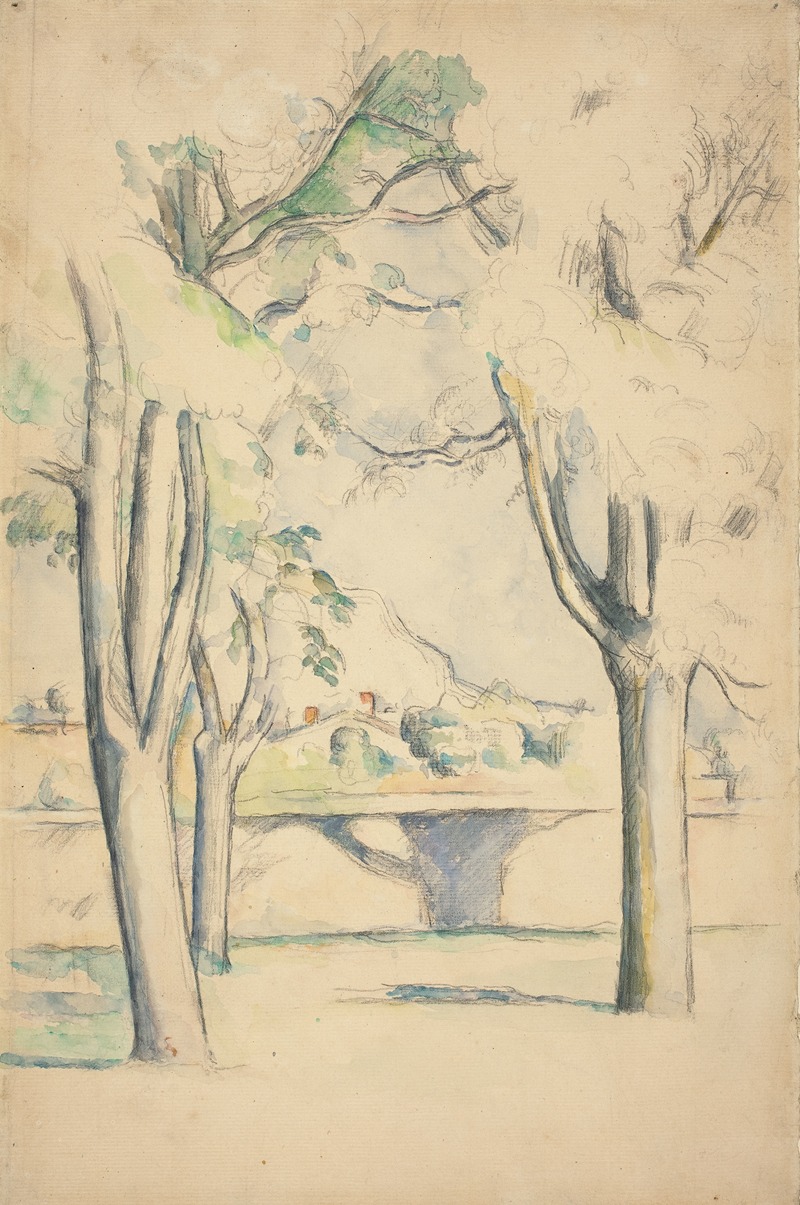
Mont Sainte-Victoire Seen beyond the Wall of the Jas de Bouffan
Paul Cézanne
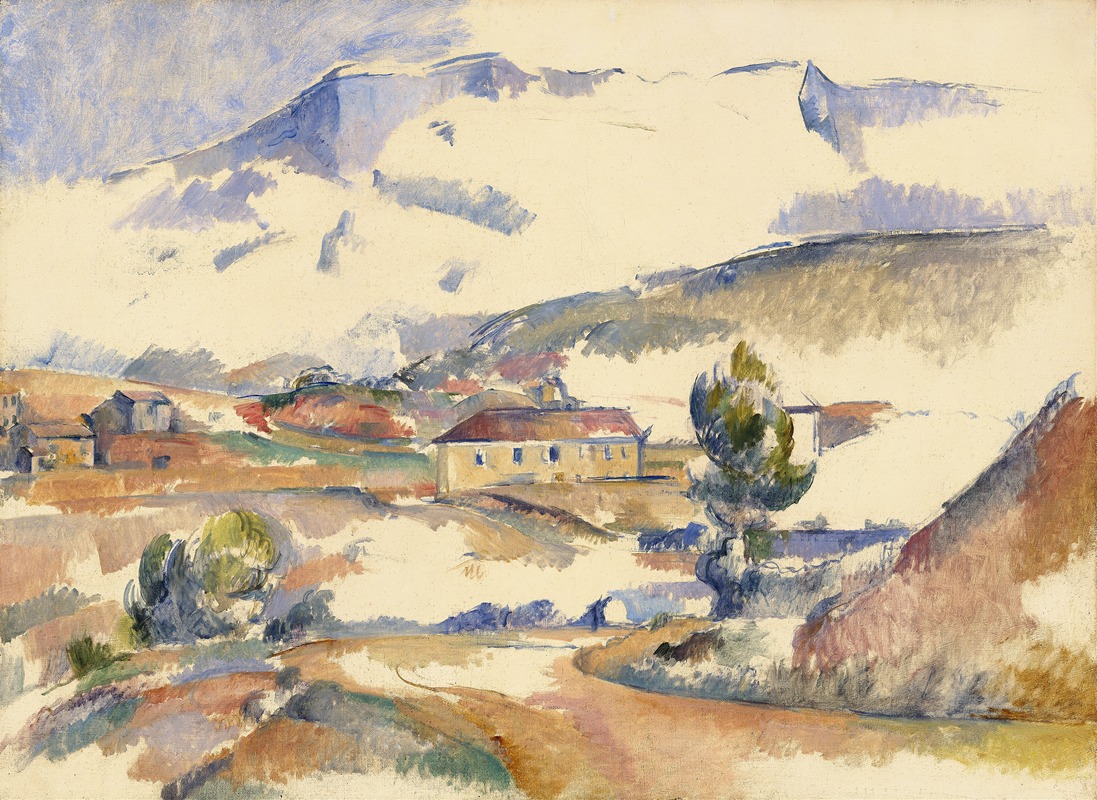
Montagne Sainte-Victoire,from near Gardanne
Paul Cézanne
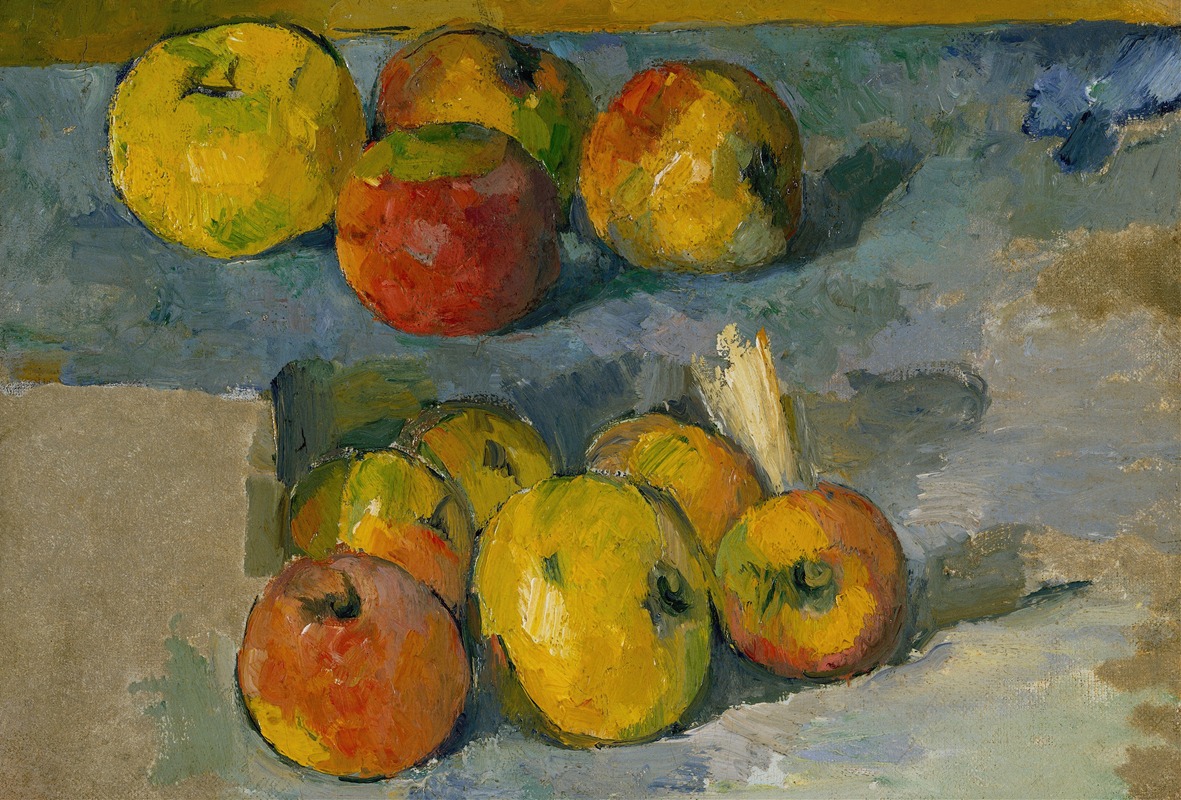
Apples
Paul Cézanne
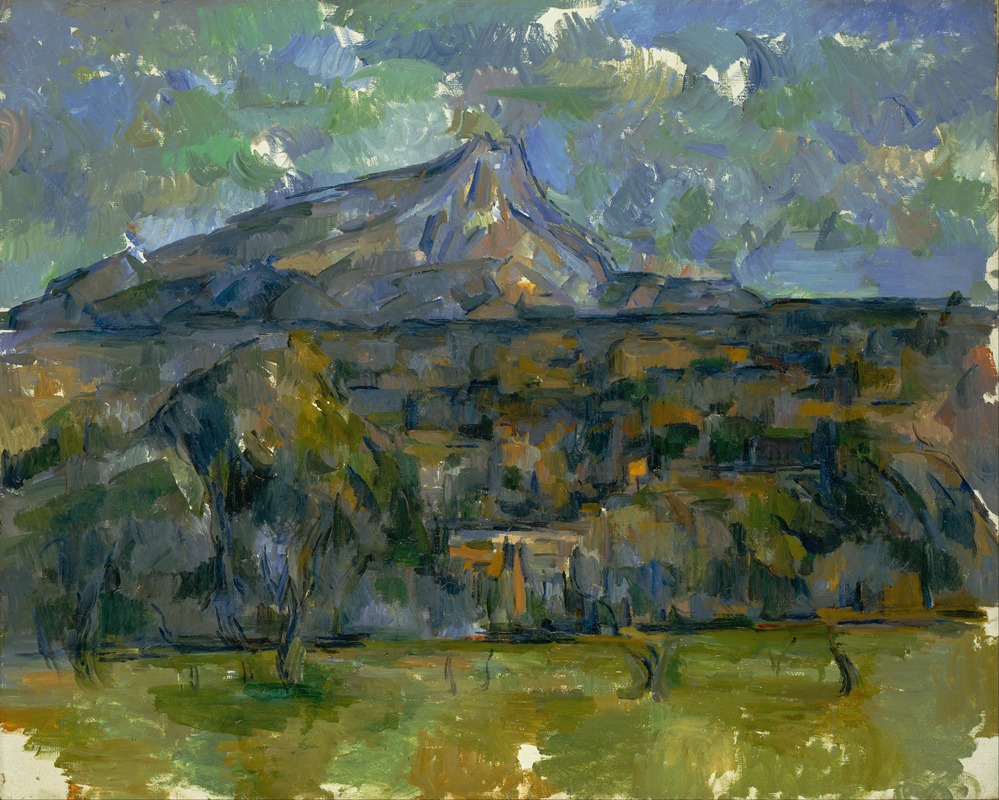
Mont Sainte-Victoire
Paul Cézanne
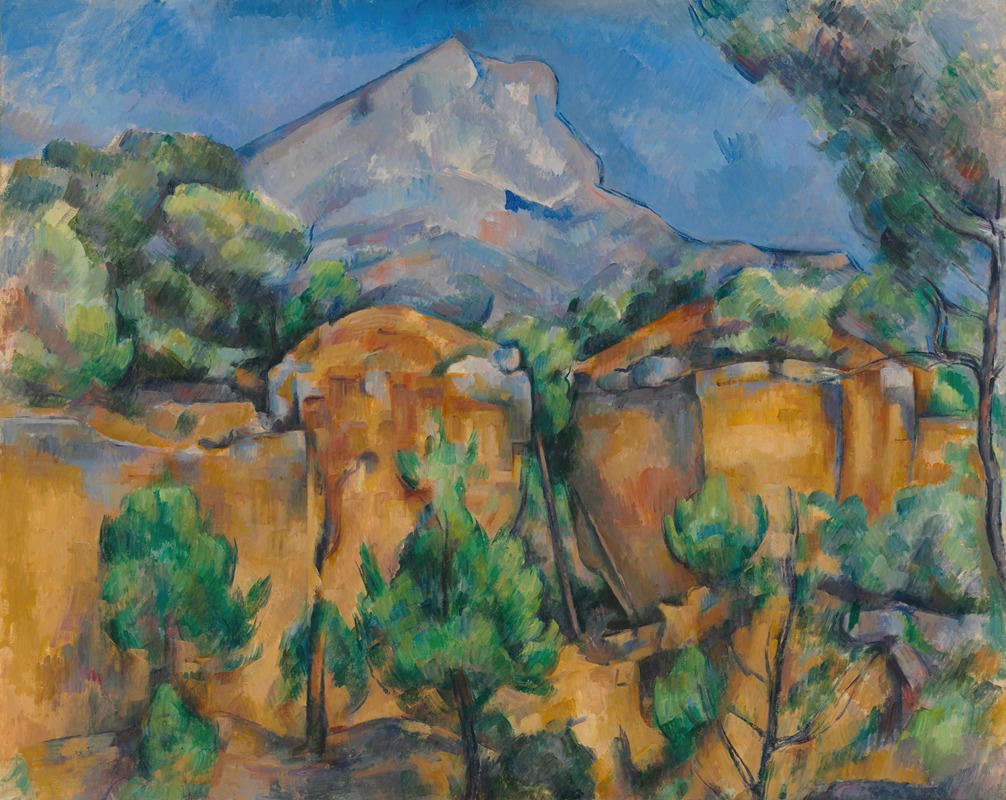
La Montagne Sainte-Victoire vue de la carrière Bibémus
Paul Cézanne
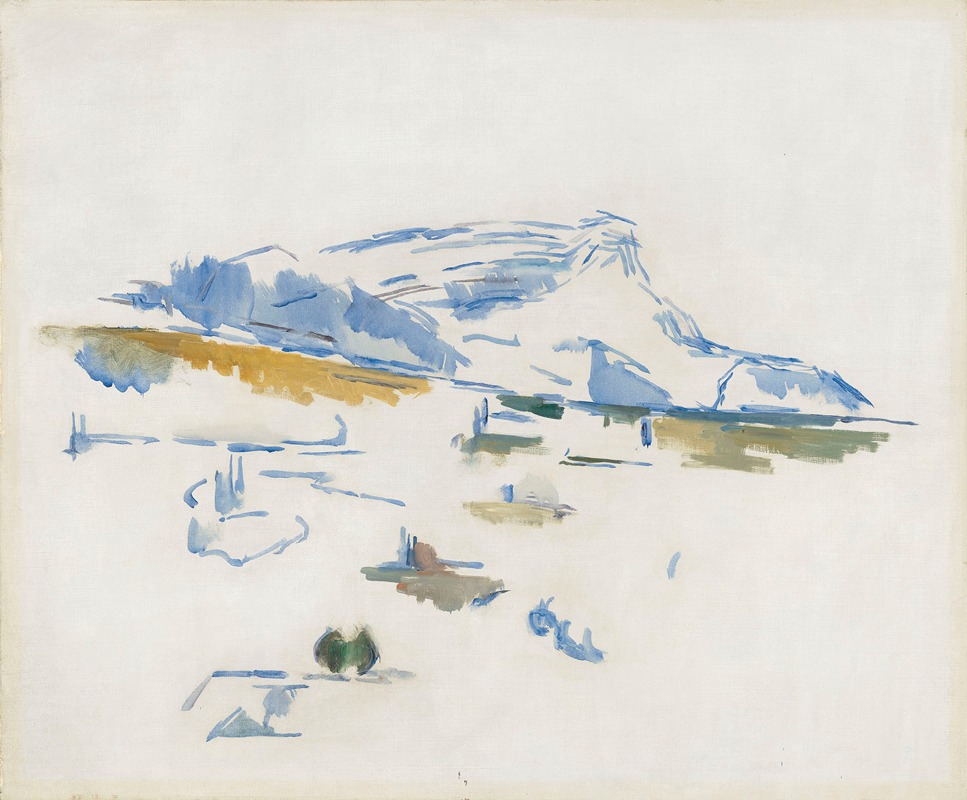
La Montagne Sainte-Victoire vue des Lauves
Paul Cézanne
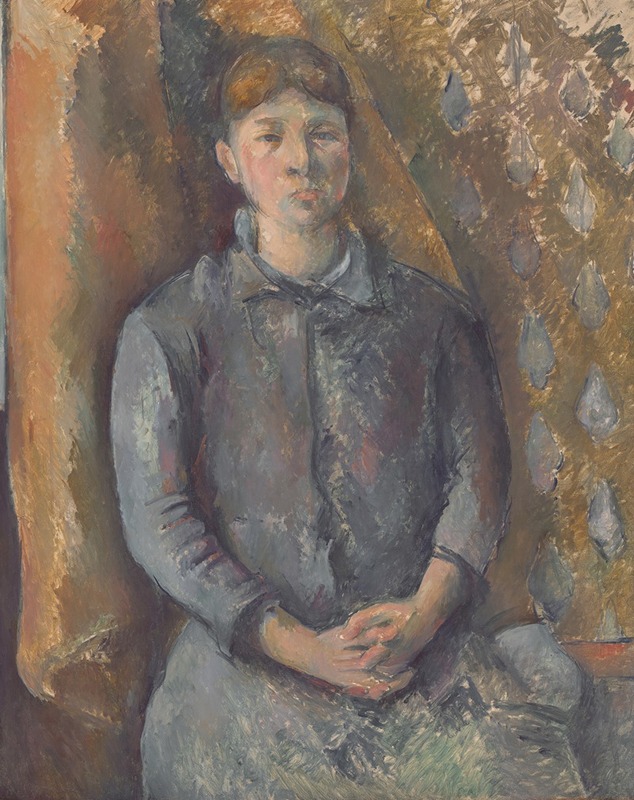
Madame Cézanne
Paul Cézanne