
Field of Lupine — History & Facts
What if silence could speak through light? In Field of Lupine, the artist captures a moment where nature's whispers resonate through color and shadow, revealing the profound dialogue between the observer and the landscape. Look to the lower right, where the vibrant purple of the lupine blooms spills across the canvas, radiating warmth and life. The delicate brushwork creates a texture that invites touch, pulling your gaze upward through the rich greens that cradle the flowers. Notice how the sunlight filters through the scene, casting gentle highlights that dance across the petals and bending the light in a way that evokes both peace and longing.
The composition is a harmonious blend of color and form, showcasing the artist's command of impressionistic technique. Yet, hidden within this idyllic portrayal lies a deeper emotional undercurrent. The juxtaposition of vibrant blooms against the softer, muted background speaks to the transient beauty of life, reminding us that such moments are fleeting. The choice of light, soaring upwards in hopeful golden hues, contrasts with the shadows that linger at the edges, suggesting an interplay between joy and melancholy.
This delicate balance invites contemplation on the nature of existence, hinting at the complexities that lie beneath the surface of beauty. In 1891, Podkowiński painted this work during a pivotal time in his life, grappling with artistic identity amidst the rise of Impressionism in Poland. The landscape reflects a personal exploration of emotion and perception, breathing life into the burgeoning movement. As he embraced innovative techniques, the world around him was shifting, mirroring his own quest for artistic truth, ultimately capturing a moment that resonates with timeless relevance.
More Artworks by Władysław Podkowiński
Browse all →
Widok na Nowy Świat w Warszawie zimą
Władysław Podkowiński
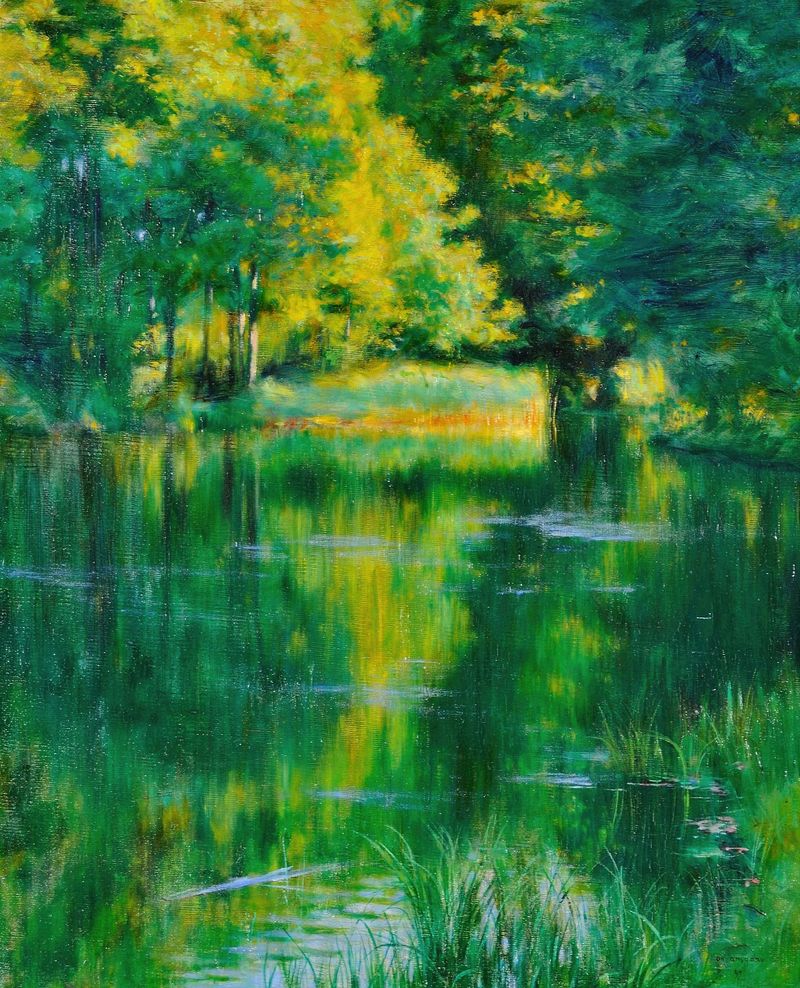
Lake in a park
Władysław Podkowiński
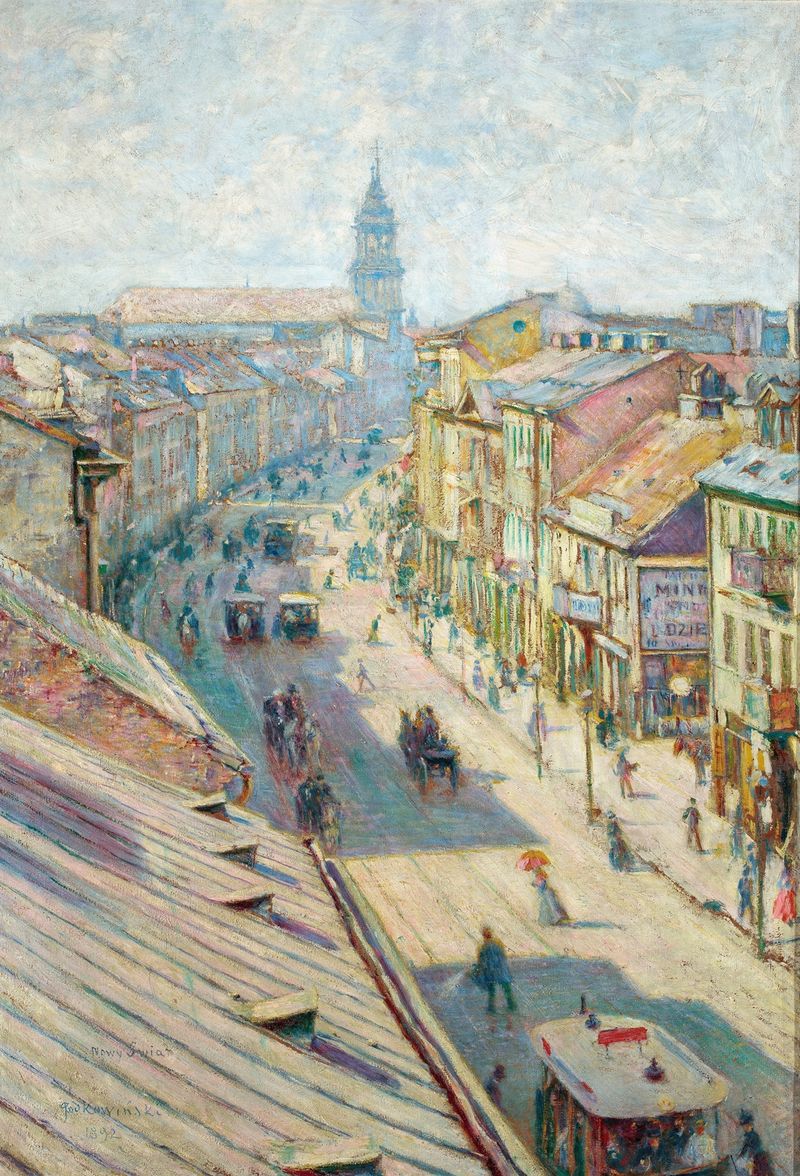
Nowy Świat Street in Warsaw on a summer day
Władysław Podkowiński
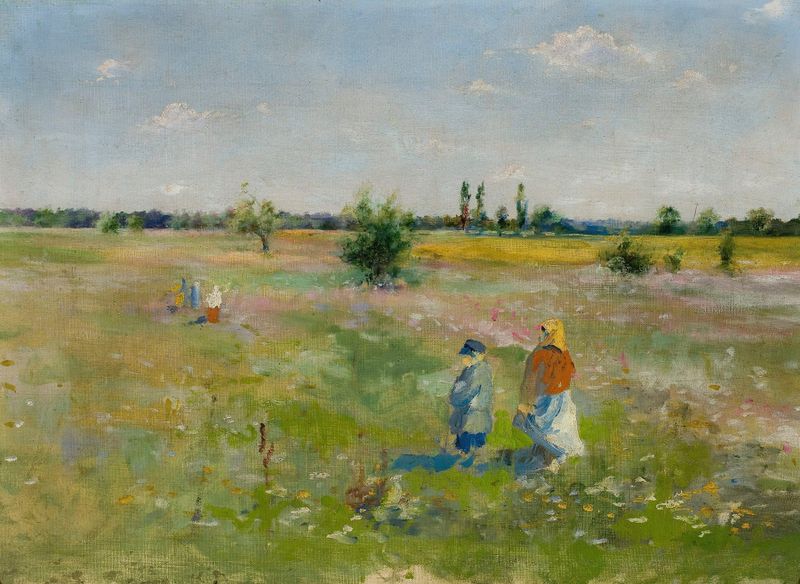
In the meadow
Władysław Podkowiński
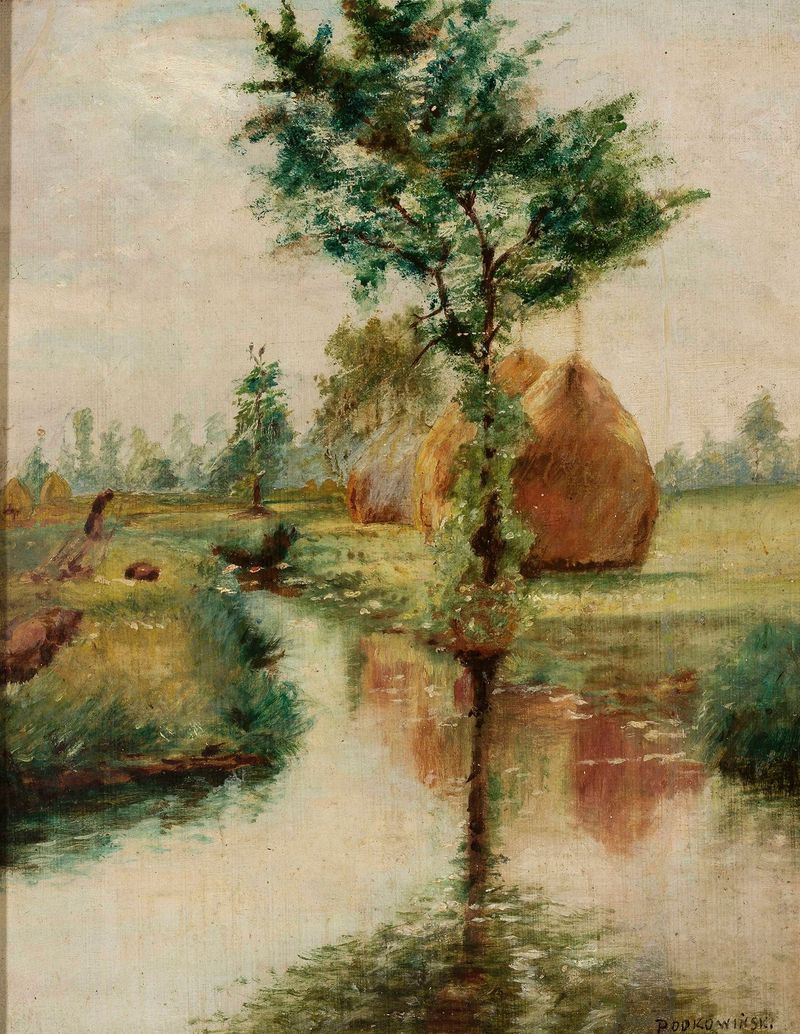
Haystacks at a stream
Władysław Podkowiński
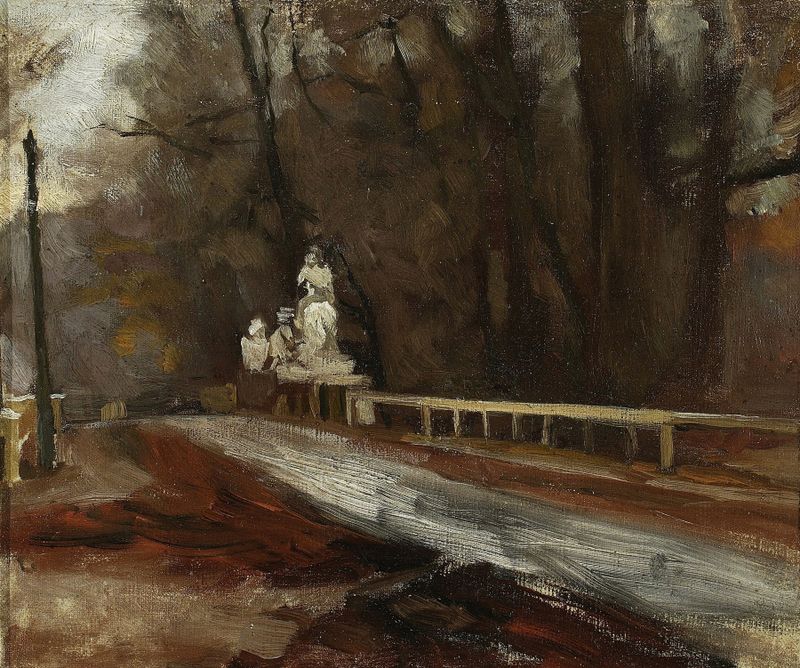
Bridge with the statue of Sobieski at Agrykola
Władysław Podkowiński
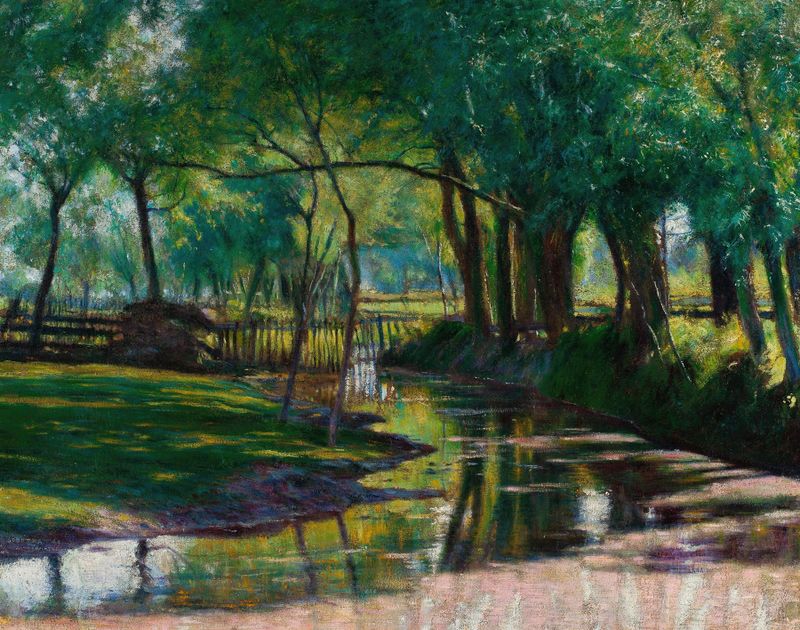
Green landscape with a stream
Władysław Podkowiński

View of Saska Kępa
Władysław Podkowiński

Landccape from Sobótka
Władysław Podkowiński

Funeral March
Władysław Podkowiński





