
Funeral March — History & Facts
Can beauty exist without sorrow? In Funeral March, Władysław Podkowiński invites us to contemplate the delicate interplay between grief and awakening, encapsulating a profound human experience. Look to the center of the canvas, where a somber procession winds its way through a landscape shrouded in twilight hues. Notice how the figures, draped in dark garments, seem to merge with the muted palette of blues and purples, creating an atmosphere heavy with melancholy. The way the light barely pierces the scene emphasizes the gravity of the moment, while each brushstroke reveals the emotional weight borne by the mourners.
The composition draws your eye along the somber path, leading you deeper into the shared sorrow that fills the air. Hidden within the layers of this artwork are poignant contrasts that speak to the complexity of loss. The starkness of the dark figures against the gentle whisper of the background hints at the struggle between despair and the remnants of hope. Each face—etched with grief—holds a story, yet the horizon behind them glimmers faintly, suggesting that even amid darkness, there exists the possibility of renewal and awakening.
This haunting balance between sorrow and beauty resonates deeply, provoking introspection about the nature of mourning and the resilience of the human spirit. In 1894, Podkowiński created Funeral March during a period of personal turmoil, reflecting the changing art world around him. Living in Poland, he was influenced by the Symbolist movement, which sought to capture profound emotions through abstract forms. This artwork emerged as a response to both his inner struggles and the broader societal context of loss, ultimately serving as a testament to the enduring nature of beauty in the face of sorrow.
More Artworks by Władysław Podkowiński
Browse all →
Widok na Nowy Świat w Warszawie zimą
Władysław Podkowiński
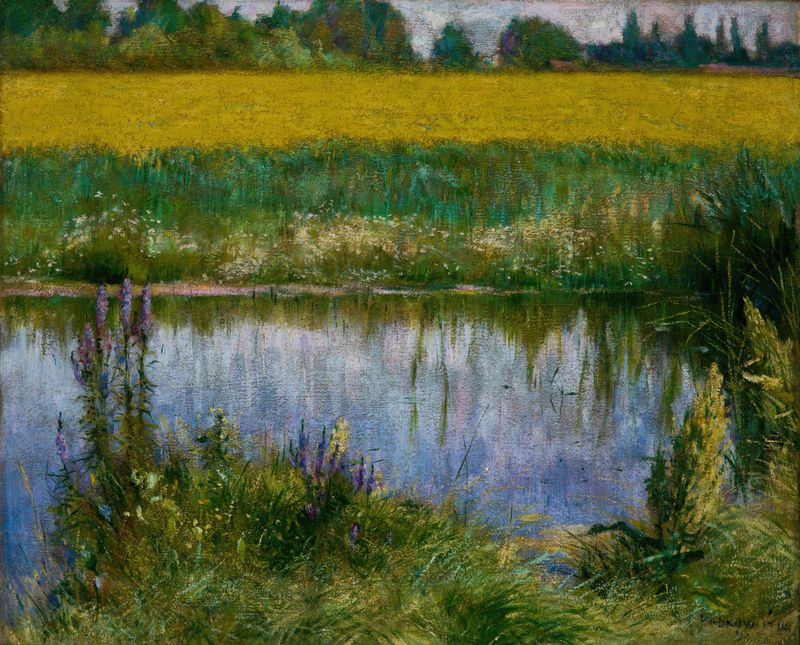
Field of Lupine
Władysław Podkowiński
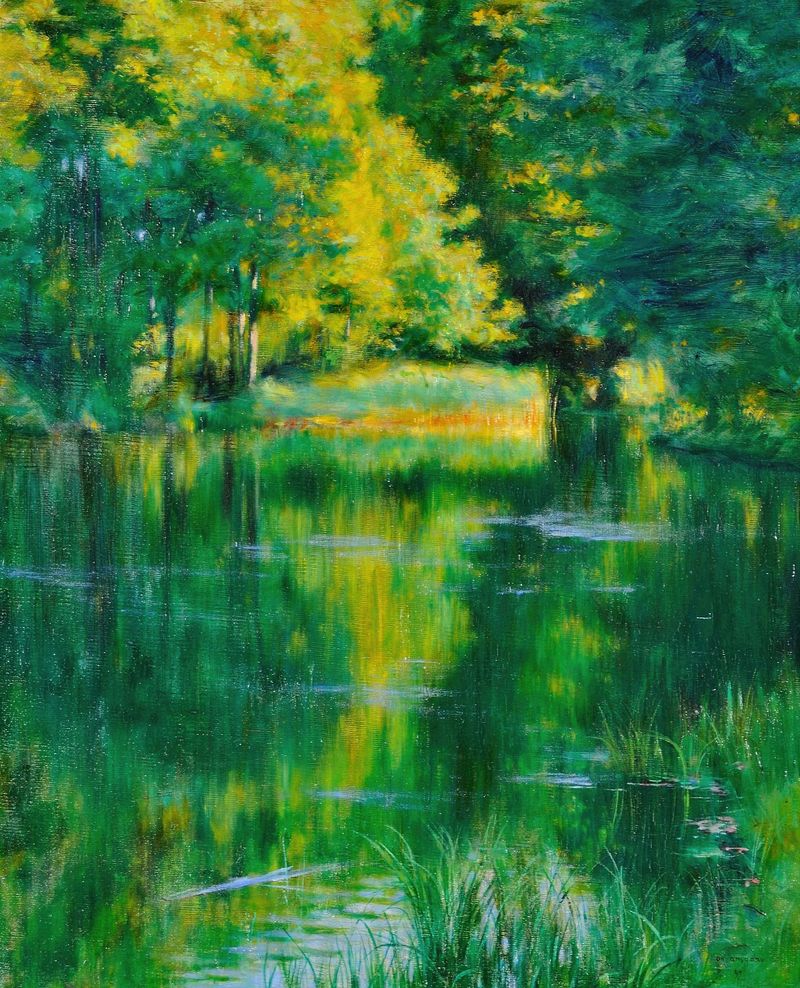
Lake in a park
Władysław Podkowiński
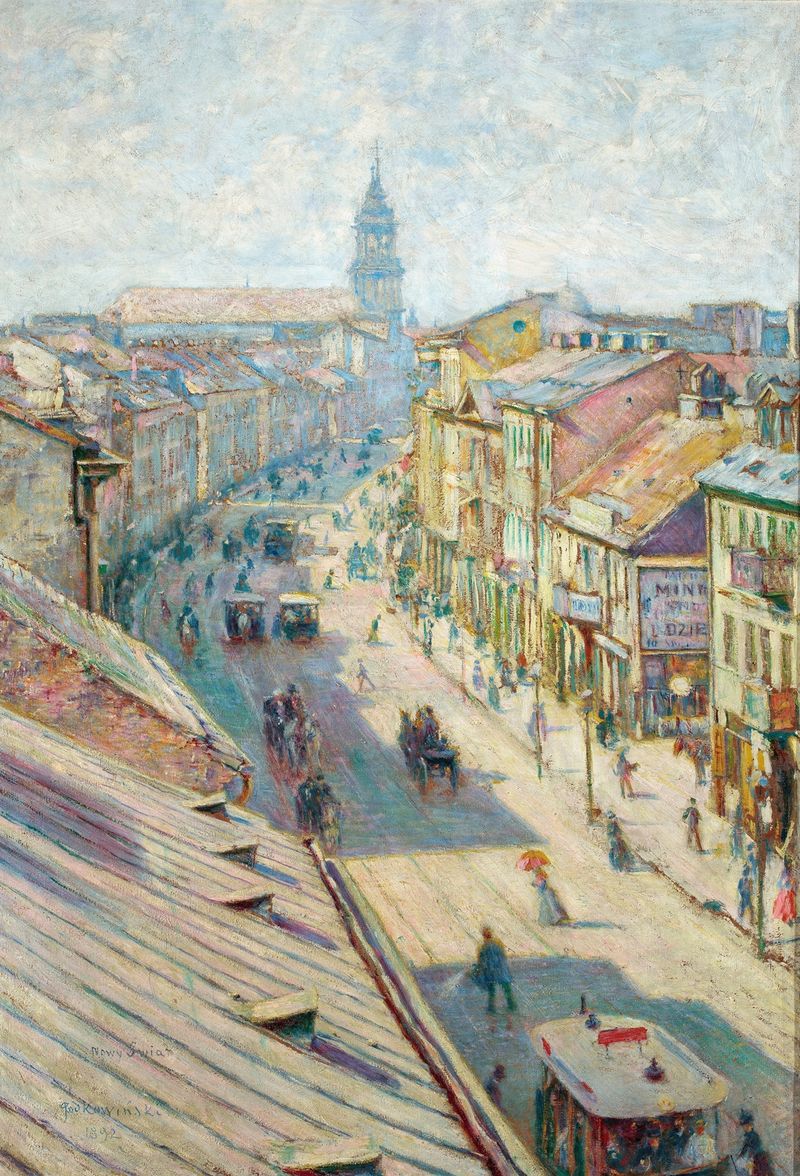
Nowy Świat Street in Warsaw on a summer day
Władysław Podkowiński
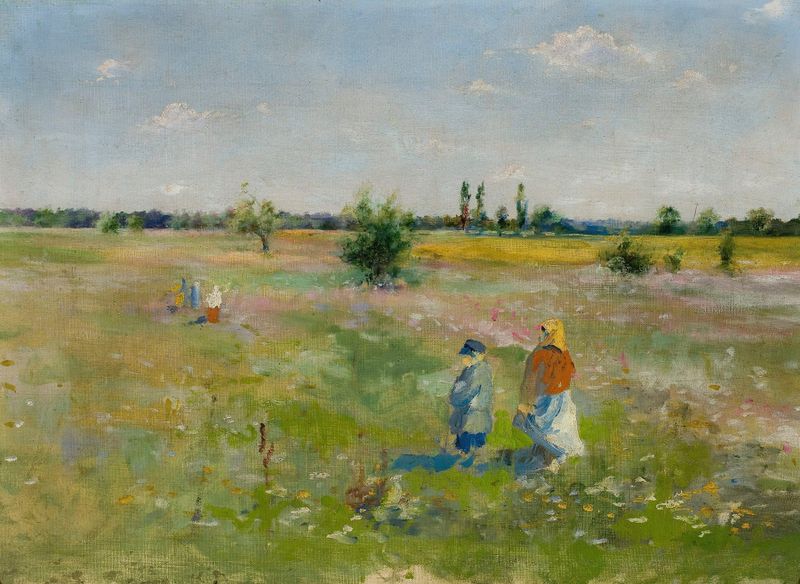
In the meadow
Władysław Podkowiński
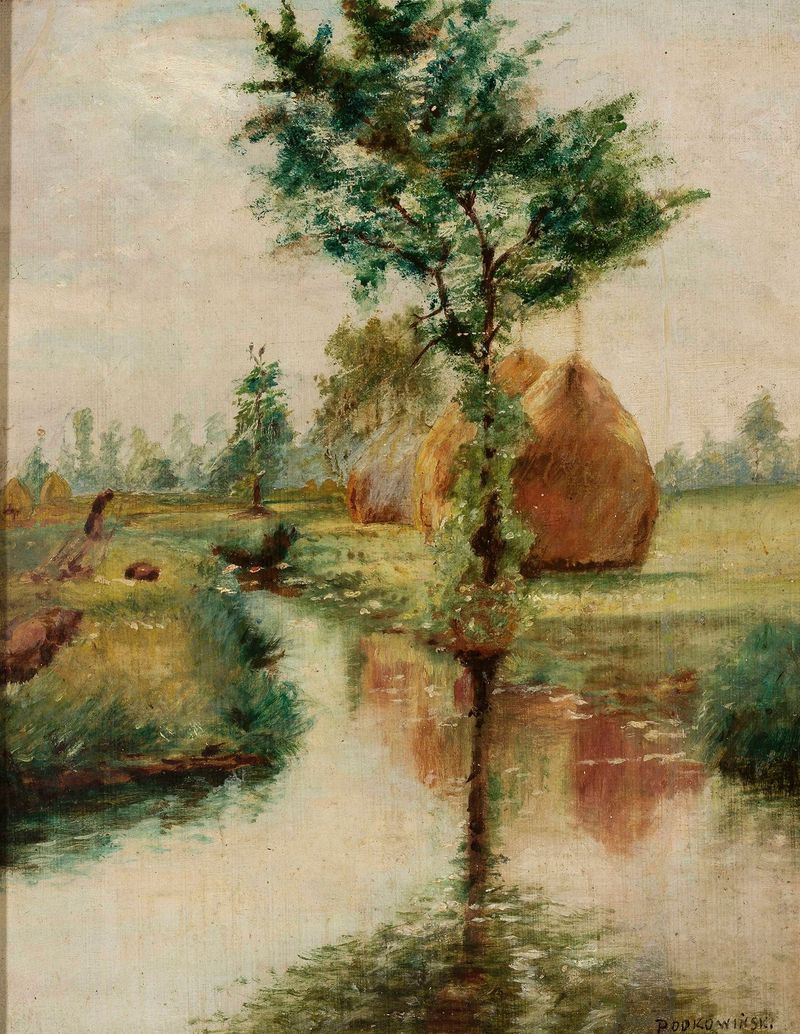
Haystacks at a stream
Władysław Podkowiński
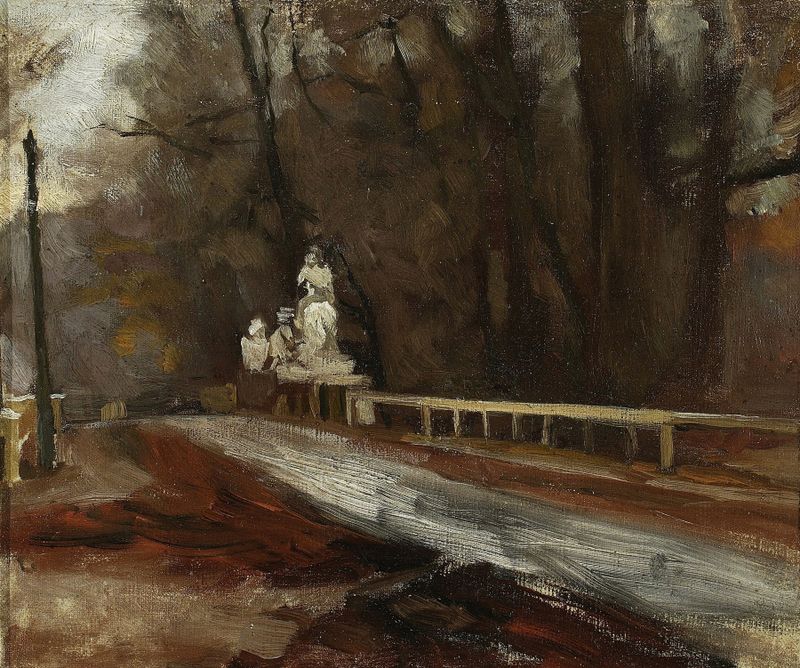
Bridge with the statue of Sobieski at Agrykola
Władysław Podkowiński
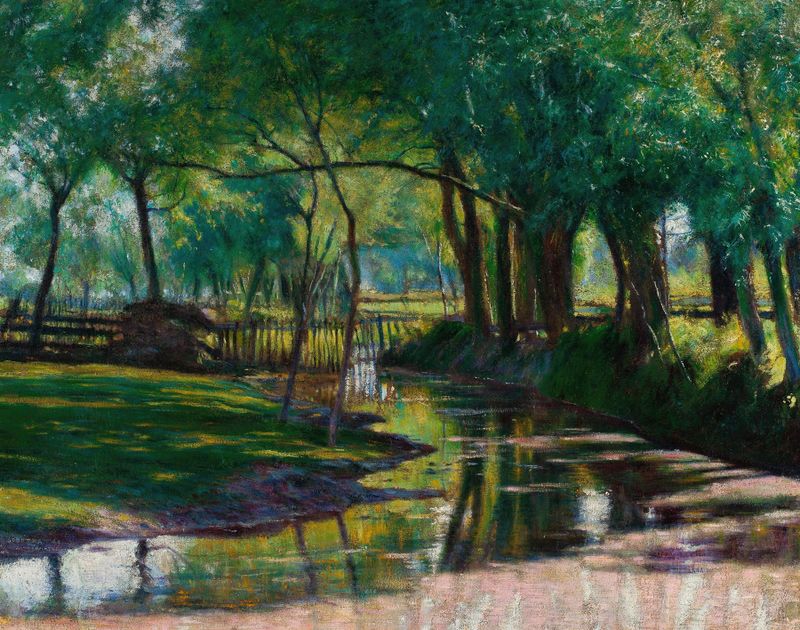
Green landscape with a stream
Władysław Podkowiński

View of Saska Kępa
Władysław Podkowiński

Landccape from Sobótka
Władysław Podkowiński





